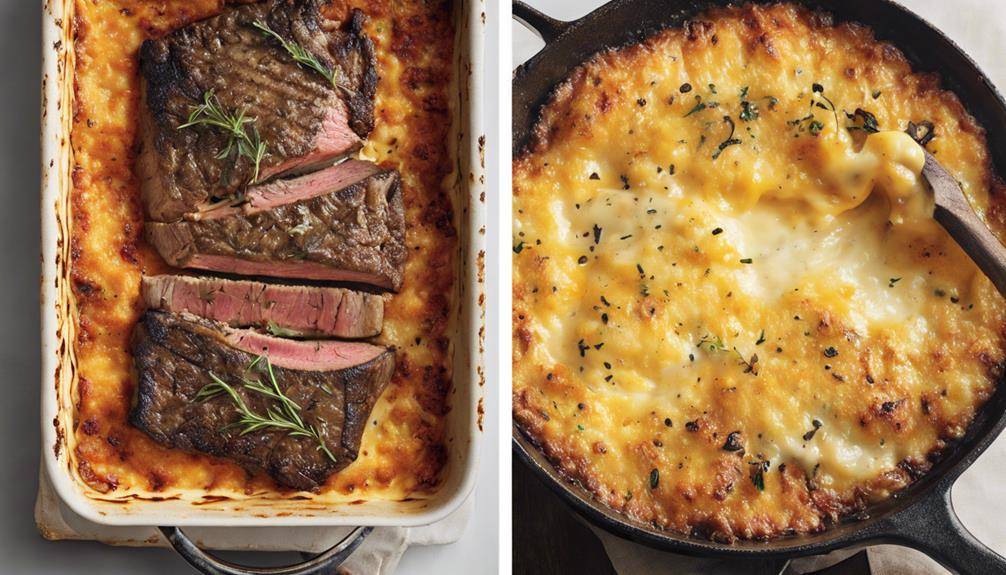
Why Braise Meat In Beer
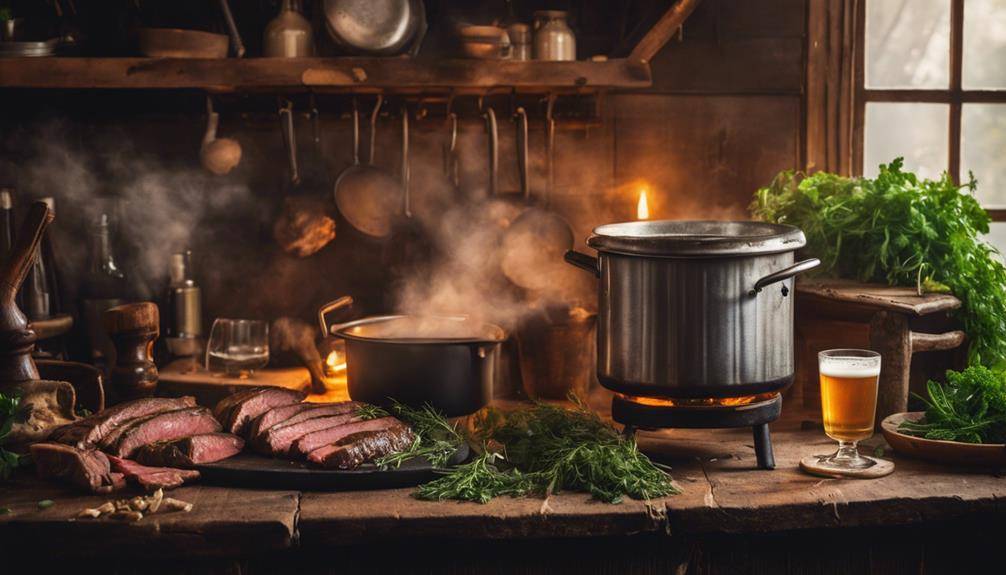
Why Braise Meat In Beer: Braising meat in beer offers you a unique blend of flavor and tenderness. The beer helps break down tough cuts, making them melt-in-your-mouth tender while infusing the dish with rich, complex flavors. Different beers, whether it's a robust stout or a light ale, bring unique characteristics that can enhance your dish's overall profile. Plus, the acidity in beer balances the richness of the meat, creating a harmonious taste. Whether you're trying classic recipes or experimenting with new styles, you'll discover plenty of exciting ways to elevate your cooking experience. Find out more about the best techniques and pairings!
Click Here and Turn Every Masterpiece into a Showstopper!
Unique Flavor Profiles
When you braise meat in beer, you're not just adding moisture; you're releasing a world of unique flavor profiles. The rich, malty notes of beer can transform ordinary cuts into extraordinary dishes. Whether you choose a stout, lager, or ale, each type brings its own character, creating a complex symphony of flavors that dance harmoniously on your palate.
The key to achieving a successful braise lies in flavor balance. You want to complement, not overpower, the natural taste of the meat. For instance, a darker beer, like a porter, pairs well with robust cuts such as beef chuck, while a lighter ale can enhance chicken or pork. Understanding ingredient compatibility is essential; the beer you select should enhance the dish rather than clash with the other components.
Additionally, consider the other ingredients in your braise. Aromatic vegetables, herbs, and spices should unify with the beer's flavors, creating a cohesive dish. Think about adding onions, garlic, or carrots, as these ingredients can absorb the beer's essence, further enriching the final taste.
Tenderizing Tough Cuts
Braising in beer isn't just about flavor; it's also an effective way to tenderize tough cuts of meat. When you choose tougher cuts like chuck roast or brisket, you're working with connective tissues that require some extra care. Beer acts as a fantastic marinade, breaking down these fibers and making the meat more palatable.
Using marinade techniques that incorporate beer can greatly enhance your cooking process. The acidity in beer helps to break down proteins, allowing the meat to soften as it cooks. This is particularly beneficial for cuts that tend to be chewy or dry. By soaking the meat in a beer-based marinade before braising, you're giving it a head start in the tenderization department.
When you're ready to braise, remember to choose a beer that complements the dish. A stout or porter can add depth, while a lager might lighten the overall flavor. Whichever you choose, the process of slow cooking in the beer not only helps to tenderize but also infuses the meat with rich flavors.
As you braise, keep an eye on the cooking time. Tough cuts require patience, but the result is worth it. By the time your dish is ready, you'll have meat that's not just tender but bursting with flavor. So, next time you're tackling those tougher meat cuts, don't forget the power of beer in your braising technique!
Enhancing Aroma
When you choose the right beer, you're not just cooking; you're enhancing the entire dish's aroma. Opt for aromatic varieties that complement the meat's flavor profile, and you'll elevate your braising game. This thoughtful selection can transform your meal into a sensory experience you won't forget.
Aromatic Beer Selection
Choosing the right beer can greatly enhance the aroma of your braised meat, making the dish even more inviting. Different beer characteristics contribute unique aromatic profiles that can elevate your cooking. For instance, a hoppy IPA might add citrus and pine notes, while a rich stout brings chocolate and coffee aromas.
Consider regional brews to discover interesting flavor interactions. Local beers often reflect the ingredients and brewing processes of their area, providing a unique ingredient synergy that can complement your meat. Pay attention to the fermentation effects; beers with higher fermentation temperatures often produce more aroma compounds, enriching the dish's scent.
When selecting your beer varieties, aim for those that maintain a good taste balance. A beer that's too bitter might overpower your meat, while one that's too sweet could mask its natural flavors. Look for beers that enhance the overall dish without overshadowing it. By thoughtfully choosing your beer, you can create a sensory experience that delights the senses, making your braised meat not just a meal but an aromatic adventure.
Flavor Profile Enhancement
The right beer not only adds depth to your dish but also enhances the overall flavor profile of your braised meat. When you choose a beer that complements your ingredients, you create an incredible harmony of flavors. For instance, a malty stout can deepen the richness of beef, while a hoppy IPA can introduce a revitalizing contrast.
As you braise, the beer works its magic through herb infusion, allowing those aromatic notes to permeate the meat. Fresh herbs like rosemary or thyme, when combined with beer's unique characteristics, elevate your dish to a whole new level. The interplay of flavors brings out the best in both the meat and the beer.
Moreover, the acidity balance in beer plays an essential role in tenderizing the meat. The slight acidity cuts through the richness, ensuring that your dish isn't overly heavy. It creates a well-rounded taste that keeps your palate engaged. So, when you're braising, think about how the beer not only enhances aroma but also deepens the flavor, making each bite a delightful experience. Embrace this technique, and you'll notice a remarkable difference in your braised dishes.
Beer Types to Use
When it comes to braising meat, choosing the right beer can make all the difference. Light beers can add a subtle touch, while dark beers bring rich flavors that complement hearty dishes. Don't forget to contemplate seasonal brews for a unique twist on your recipe!
Light Beers Benefits
Light beers offer several advantages when it comes to braising meat, making them a fantastic choice for your next culinary adventure. Using a light lager or pale ale can enhance your dish without overpowering the natural flavors of the meat. Their milder taste allows the essential spices and ingredients to shine through, creating a harmonious balance in your dish.
Moreover, light beers typically have lower alcohol content, which means your dish won't become too boozy during the cooking process. This is particularly beneficial when braising, as you can achieve tender, flavorful meat without the risk of overwhelming the palate. The carbonation in these beers can also help to tenderize the meat, breaking down tough fibers and ensuring a melt-in-your-mouth texture.
When you're aiming for a lighter, more invigorating flavor profile in your braised dishes, light lagers and pale ales are your best bets. They pair well with a variety of meats, from chicken to pork, allowing you to experiment with different recipes. So go ahead, grab a few cans of light beer and elevate your braising game!
Dark Beers Flavor
While exploring the rich and robust world of dark beers, you'll discover how they can elevate your braised dishes to new heights. Dark beers, such as stouts and porters, bring a unique combination of dark malt and flavor depth that enhances the overall taste of your meal. The caramel and chocolate notes found in these brews add a sweet, rich complexity to the meat, making it incredibly tender and flavorful.
When choosing a dark beer for braising, consider using a robust stout. Its bold flavors can stand up to hearty meats like beef or lamb, infusing them with a deep, savory essence. Alternatively, a porter can provide a slightly lighter profile while still delivering that satisfying depth.
Don't shy away from experimenting with different dark beers; each variety can impart distinct tastes and aromas. Remember, the key is to select a beer that complements the meat you're using, creating a harmonious balance of flavors. So as you begin your braising journey, embrace the world of dark beers and let their rich characteristics transform your dish into something extraordinary.
Seasonal Brews Suggestions
Choosing the right seasonal brews can elevate your braising experience, especially as different times of the year bring unique flavors and styles to the forefront. In the fall, consider using a rich pumpkin ale or a malty Oktoberfest to complement the warmth of your braised dishes. These seasonal flavors bring a festive touch that pairs beautifully with hearty meats.
As winter arrives, opt for a robust stout or a spiced winter ale. The deep, complex flavors of these beers infuse your dish with warmth, making it perfect for cozy dinners. Look for local breweries in your area that craft limited-edition winter brews, as they often highlight unique ingredients and regional tastes.
In spring, explore fruity or floral beers like a wheat beer or a saison. These lighter options can brighten up your braised meats, adding a revitalizing twist that celebrates the rebirth of the season.
Cooking Techniques
When it comes to cooking techniques for braising meat in beer, understanding the process can elevate your dish to new heights. Braising is all about low and slow cooking, allowing the meat to absorb rich flavors while becoming tender. Start by selecting the right beer varieties; a stout or porter can add depth, while a lighter lager can contribute a subtle sweetness.
First, sear your meat in a heavy pot over medium-high heat. This step builds a flavorful crust, enhancing the final dish. Once browned, remove the meat and set it aside. In the same pot, sauté onions, garlic, and any other aromatics you enjoy until they're soft. This builds the flavor base for your braise.
Next, deglaze the pot with your chosen beer, scraping up those delicious browned bits stuck to the bottom. Stir in any additional seasonings, herbs, or vegetables you want to include. Return the meat to the pot, ensuring it's partially submerged in the beer.
Cover the pot and lower the heat to a gentle simmer. Here's where braising techniques shine; allow the meat to cook for several hours, depending on its size and cut. You'll know it's done when it's fork-tender and bursting with flavor.
Lastly, don't forget to adjust the seasoning before serving. With these techniques, you'll master the art of braising meat in beer, creating a comforting and unforgettable dish.
Pairing With Ingredients
Pairing ingredients with your braised meat can elevate the dish and create a harmonious balance of flavors. When you braise meat in beer, consider the other ingredients you're using to guarantee ingredient compatibility. For instance, root vegetables like carrots and parsnips complement the rich, malty notes of a stout, while fresh herbs such as thyme or rosemary can enhance the overall aromatic profile.
Think about how the flavors interact. You want to achieve flavor balancing, so the beer's bitterness doesn't overpower your dish. If you're using a hoppy IPA, it might work better with pork or chicken, where the lighter flavors can stand up to the beer's punch. On the other hand, a darker beer pairs wonderfully with beef or lamb, as their robust flavors can match the beer's intensity.
Don't forget about acidity! Adding a splash of vinegar or citrus can cut through the richness of your meat, creating a pleasant contrast that brightens the dish. It's all about experimenting with different combinations. Try adding smoked paprika or even a hint of chocolate for a unique twist that works beautifully with the beer's characteristics.
Ultimately, your goal is to create a dish where every ingredient shines without overshadowing the others. So, take some time to explore different pairings, and you'll find that the right combinations can transform your braised meat into something truly special.
Alcohol Content Considerations
Understanding the alcohol content of the beer you're using is essential for achieving the perfect balance in your braised meat dish. Different beers have varying levels of alcohol, which can greatly impact the final flavor of your meal. When you braise meat, you want to take into account how the alcohol interacts with the other ingredients. A higher alcohol content might lead to more pronounced fermentation effects, giving your dish a richer taste but also potentially overpowering the other flavors.
As the meat cooks, the heat causes the alcohol to begin evaporating. However, it's crucial to mention that not all the alcohol will evaporate during cooking. The length of time you braise the meat will influence how much alcohol remains in the final dish. A longer cooking time generally results in more alcohol evaporating, while a shorter time may leave more behind.
If you're using a beer with a high alcohol content, you might want to adjust your cooking time or the amount of beer you add to the pot. This way, you maintain the desired flavor profile without overwhelming your dish. Conversely, if you opt for a low-alcohol beer, you might find that the fermentation effects are subtler, which can be beneficial for delicate meats or lighter sauces.
Historical Context
When you consider the roots of braising meat in beer, you'll uncover ancient brewing traditions that date back thousands of years. This practice evolved alongside culinary techniques, reflecting the changing tastes and available ingredients throughout history. Understanding this context can enhance your appreciation for the dish and its rich heritage.
Ancient Brewing Traditions
Ancient brewing traditions have shaped the way we enjoy beer today, linking cultures and cuisines across centuries. When you investigate these traditions, you'll discover that ancient methods of brewing were both art and science. Early civilizations like the Sumerians and Egyptians mastered fermentation practices, using local grains and water to create beverages that not only quenched thirst but also held cultural significance.
As you explore deeper, you'll see that these brewing techniques varied from region to region, often influenced by available ingredients and climate. The Sumerians, for example, incorporated barley and were among the first to record their brewing processes. In contrast, the Egyptians favored emmer wheat, leading to different flavor profiles and styles.
These ancient traditions laid the groundwork for modern brewing, emphasizing the importance of quality ingredients and careful fermentation. When you sip a beer today, remember that you're partaking in a ritual that's centuries old. The legacy of these ancient brewers lives on, reminding you of the interconnectedness of food, drink, and culture. By understanding this historical context, you can appreciate the rich tapestry of flavors that make up today's diverse beer landscape.
Culinary Practices Evolution
The evolution of culinary practices has a rich history that reflects the changing tastes, technologies, and cultural exchanges throughout time. You can trace the roots of braising meat to ancient civilizations, where cooking methods developed from necessity and resourcefulness. As societies shifted from nomadic to settled lifestyles, sourcing ingredients became easier, allowing for more complex dishes.
Over the centuries, culinary techniques adapted to incorporate local ingredients and innovations. The introduction of beer into cooking is a prime example; it transformed simple braising into a flavorful experience. You might find that as brewing methods improved, so did the quality of beer used in recipes, enhancing the overall taste of dishes.
Culinary practices also evolved through trade and exploration. Spices and ingredients from different cultures merged, broadening your palate and inspiring creative cooking methods. Today, when you braise meat in beer, you're participating in a long-standing tradition that reflects centuries of adaptation and refinement. The interplay of sourcing ingredients and cooking methods remains central to your culinary journey, reminding you of the rich tapestry that food represents across cultures and time.
Click Here and Turn Every Masterpiece into a Showstopper!
Regional Variations
Braising meat in beer showcases a delightful array of regional variations that reflect local ingredients and culinary traditions. When you explore different cuisines, you'll discover how regional styles shape the way beer is incorporated into dishes. For instance, in Belgium, you might find carbonnade flamande, a hearty beef stew simmered in a dark ale, often paired with caramelized onions and served with fries. The sweetness of the beer complements the rich flavors of the meat, resulting in a comforting meal.
Traveling to Mexico, you'll encounter dishes like birria, where goat or beef is braised in a mix of beer and spices, highlighting the cultural influences of both indigenous and Spanish cooking. This combination not only tenderizes the meat but also infuses it with a depth of flavor that's hard to resist.
In Germany, you can't overlook the classic Sauerbraten, often prepared with vinegar and beer, showcasing how local brews enhance traditional recipes. Each region has its unique take, using available ingredients and flavors to craft their signature dishes.
As you experiment with braising meats in beer, consider how these regional styles inspire your own cooking. You can blend various cultures and flavors, creating something entirely unique that still pays homage to those culinary traditions. Embrace the diversity of beer-braised dishes, and you'll find endless possibilities to satisfy your taste buds while exploring the rich tapestry of global cuisines.
Health Benefits
Cooking with beer not only adds depth of flavor to your dishes but also brings several health benefits when used in moderation. When you braise meat in beer, you're not just enhancing taste; you're also incorporating various nutritional benefits. Beer contains vital vitamins and minerals, including B vitamins, potassium, and magnesium. These nutrients can support your overall well-being when enjoyed as part of a balanced diet.
Moreover, the antioxidants found in beer, particularly polyphenols, can help combat oxidative stress in your body. This can lead to improved heart health and a reduced risk of chronic diseases. If you're looking for ways to boost flavor while also being health-conscious, using beer in your cooking can be a smart choice.
However, it's important to keep some health considerations in mind. Moderation is key, as excessive alcohol consumption can lead to various health issues. When braising, most of the alcohol evaporates during cooking, but the flavor remains, allowing you to enjoy the taste without consuming too much alcohol.
Additionally, using beer can enhance the absorption of certain nutrients present in the meat and vegetables you cook. This means you're not only savoring a delicious dish but also getting more out of your meal nutritionally. So, next time you're looking for a flavorful way to prepare meat, consider the health benefits of incorporating beer into your recipe.
Common Mistakes
Many home cooks make common mistakes when braising meat in beer that can hinder the dish's potential. One of the biggest pitfalls is overcooking meat. When you braise, you want to maintain that perfect balance of tenderness without turning your meat into a mushy mess. Keep an eye on your cooking time and temperature. Low and slow is the key, but don't just set it and forget it. Check for doneness periodically to guarantee you achieve that melt-in-your-mouth texture.
Another frequent mistake is poor beer selection. Not all beers are created equal when it comes to braising. Choosing a beer that's too bitter or overly hoppy can overwhelm the dish and mask the meat's natural flavors. Instead, opt for a maltier beer, like a stout or brown ale, which can enhance the meat's richness. If you're unsure, taste the beer before adding it to your dish. It should complement the meat, not overpower it.
Also, don't neglect your seasoning. Beer adds a unique flavor, but it doesn't replace the need for proper seasoning. Make sure to season your meat well before you start cooking. Finally, remember to let the dish rest after cooking. This step allows the flavors to meld and the juices to redistribute, making your final dish even more delicious. By avoiding these common mistakes, you'll elevate your beer-braised meat to a whole new level.
Recipe Ideas
After mastering the basics and avoiding common mistakes, you're ready to explore some delicious recipe ideas for braising meat in beer. One fantastic option is beer-braised short ribs. Start by marinating the ribs in a robust beer marinade, like a stout or porter, for at least an hour or overnight for more flavor. Sear the ribs until browned, then add onions, garlic, and your chosen beer. Let them simmer for about two and a half to three hours until the meat is tender and falls off the bone.
If you're craving something lighter, try braised chicken in a pale ale. Marinate the chicken pieces in the beer for about 30 minutes to infuse them with flavor. After searing, add herbs like thyme and rosemary, along with carrots and potatoes. Cook it all together for about an hour, and you'll have a comforting dish that's packed with flavor.
For a twist, consider braising pork shoulder in a fruity beer, like a wheat beer. This pairs wonderfully with spices like cumin and coriander. Cook it low and slow for four to five hours, ensuring the meat is tender and juicy.
When deciding on cooking times, remember that tougher cuts of meat require longer braising, while more tender cuts need less time. Experiment with different types of beer and seasonings to create your unique flavor combinations. With these recipe ideas, you'll be well on your way to mastering the art of braising meat in beer!
Serving Suggestions
When it comes to serving your braised meat, pairing it with the right side dishes can elevate the meal. Think roasted vegetables or creamy mashed potatoes to complement the rich flavors. Don't forget to contemplate ideal beer choices that can enhance the overall dining experience!
Pairing With Side Dishes
Pairing your braised meat in beer with the right side dishes can elevate the entire meal experience. Think about food pairings that enhance the rich, savory flavors of your dish. For instance, creamy mashed potatoes or polenta offer a comforting base that absorbs the delicious sauce, creating a harmony on your plate.
Roasted vegetables, like carrots and Brussels sprouts, provide a nice contrast with their natural sweetness and slight crunch, balancing the hearty meat. You might also consider a tangy coleslaw to introduce some acidity, cutting through the richness of the beer-braised meat and adding a revitalizing element.
If you're in the mood for something lighter, a simple green salad with a zesty vinaigrette can offer a crisp texture and complement the flavors. Don't forget about crusty bread; it's perfect for soaking up any remaining sauce, ensuring you don't miss a drop of that flavorful goodness.
Ultimately, focus on complementary flavors that enhance your braised meat while providing a variety of textures. This approach will create a well-rounded meal that's satisfying and memorable. Enjoy experimenting with different sides to find your perfect pairing!
Ideal Beer Choices
Choosing the right beer to accompany your braised meat can greatly enhance the dish's flavors. When selecting a beer, focus on achieving a flavor balance that complements the richness of the meat. Here are some beer selection tips to guide you.
If you're braising beef, consider a robust stout or porter. These beers bring deep, roasted flavors that meld beautifully with the meat. For pork, a malty amber ale can add sweetness, while a slightly hoppy IPA can cut through the fatty richness. If you're working with chicken or lighter meats, go for a invigorating pilsner or a wheat beer; their crispness will keep the dish from feeling heavy.
Don't forget about the seasonings in your dish. If your braise includes spices like rosemary or thyme, a saison or farmhouse ale can enhance those herbal notes. For something more adventurous, try a fruit beer with a hint of tartness to elevate the overall taste.
Ultimately, experiment with different styles to discover what works best for your palate. The right beer can transform your braised meat into a truly memorable meal.
Storage Tips
After braising meat in beer, proper storage is essential to maintain its flavor and texture. Once the dish has cooled down, you should transfer it to an airtight container. This step keeps moisture in and prevents any unwanted odors from seeping in. If you're planning to enjoy the leftovers within a few days, just refrigerate them. Make sure to consume it within three to four days for the best taste.
If you want to store your braised meat for a longer period, consider freezing leftovers. Portion the meat into smaller containers or freezer bags for easy reheating later. Be sure to label each container with the date, so you know how long it's been in the freezer. Properly stored, your braised meat can last up to three months in the freezer without losing its quality.
When it comes to storing beer, remember that it can enhance your next braising adventure. Keep your beer in a cool, dark place to maintain its flavor profile. If you've got leftover beer from your braising session, seal it tightly and refrigerate it. Most beers can last a few days in the fridge, but the sooner you use it, the better the taste will be.
Experimenting With Styles
When it comes to braising meat in beer, experimenting with different styles can lead to delicious and unexpected results. Each type of beer brings its unique flavor profile, which can transform your dish. Don't be afraid to explore various styles—lagers, stouts, IPAs, and even sour beers each offer distinct characteristics that can enhance your braising experience.
Start with a basic recipe and then immerse yourself in brew experimentation. For instance, a rich stout can add depth and a slight sweetness to beef, while a hoppy IPA can introduce a zesty, herbal note to chicken. You'll discover that lighter beers work wonders for more delicate meats, offering a subtle finish that complements rather than overwhelms.
Don't limit yourself to traditional pairings. Try using fruit beers for pork or brown ales for lamb. The key is to let your cooking creativity shine. Pair flavors that intrigue you—maybe a chocolate stout with a hint of chili for a spicy, bold dish. Experiment with additional ingredients like herbs, spices, or even vegetables to see how they interact with the beer.
Click Here and Turn Every Masterpiece into a Showstopper!
Frequently Asked Questions: Why Braise Meat In Beer
How Does Beer Braising Compare to Other Cooking Methods?
Beer braising enhances flavor more than many cooking techniques by infusing rich, malty notes into the meat. Unlike dry methods, it keeps your dish moist and tender, making it a standout choice for savory meals.
Can Any Meat Be Braised in Beer?
Yes, you can braise various meat types like beef, pork, and chicken in beer. Different beer styles bring unique flavors; for instance, stouts add richness, while lagers provide a lighter, crisp taste to your dish.
What Is the Best Beer for Beginners to Use?
For beginners, light beers like lagers or pilsners work great, offering a mild flavor. If you're feeling adventurous, try stout varieties; their rich, deep notes can enhance your dish while adding complexity. Enjoy experimenting!
Should I Marinate Meat Before Braising in Beer?
You should definitely consider marinating meat before braising. Marinade benefits include enhanced flavor and tenderness. Use techniques like soaking in a mixture of beer and spices for at least an hour for ideal results.
How Can I Adjust Flavors if the Dish Is Too Bitter?
If your dish's too bitter, try adding a pinch of sugar or honey to balance bitterness. You can also incorporate acidic elements like vinegar or citrus for flavor enhancement, creating a more harmonious taste overall.

Conclusion
Braising meat in beer opens up a world of unique flavors and tender textures that elevate your dishes. Whether you're using a rich stout or a crisp lager, the right beer can enhance both aroma and taste. Don't hesitate to experiment with different styles and cooking techniques to find your perfect combination. With the right recipe ideas and serving suggestions, you'll impress your guests and enjoy delicious meals. So grab a bottle and start braising!