The Great Difference Between Gratinating And Broiling
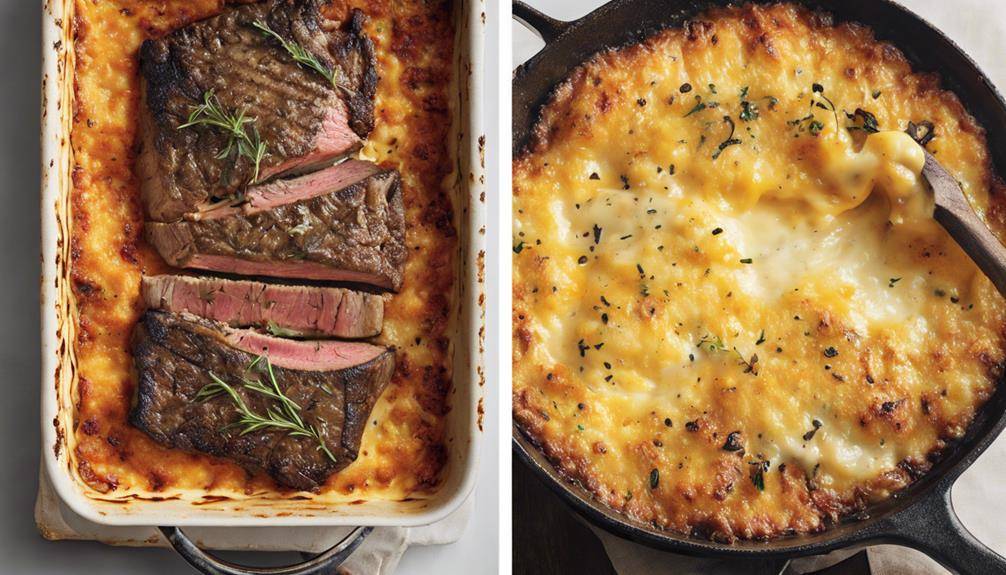
Difference Between Gratinating And Broiling; Gratinating and broiling both apply high heat but achieve different results. Gratinating creates a golden-brown crust by using moderate heat, often with cheese or breadcrumbs, focusing on crispy toppings for dishes like gratin potatoes. In contrast, broiling uses intense direct heat, perfect for quickly cooking meats and vegetables while retaining moisture and adding a smoky flavor. Gratinating usually takes longer and involves a two-step process, while broiling is fast, ideal for quick meals. Understanding these methods will help you choose the right one for your next recipe, and there’s more to uncover about their unique techniques.
Definition of Gratinating
Gratinating is a cooking technique that transforms a dish into a golden-brown delight with a crispy crust. This method involves applying heat from above to create a beautifully charred surface, enhancing both flavor and texture. You can achieve this effect by using a broiler or by baking in an oven, but the key is to guarantee the top layer gets that perfect crispiness.
There are several gratinating techniques you can explore. One popular method is to sprinkle cheese on top of your dish before placing it under the heat source. As the cheese melts and browns, it forms a creamy, crunchy layer that elevates your meal. You might also use breadcrumbs combined with herbs and spices for an extra layer of flavor and crunch. Another technique involves using a mixture of cream and cheese, which, when heated, gives a rich and indulgent crust.
Gratinating variations are abundant, allowing you to customize the dish to your taste. You can experiment with different types of cheese, such as Gruyère, Parmesan, or even vegan options. Likewise, incorporating ingredients like nuts or seeds into your breadcrumb mixture can add unique textures and flavors. Don’t hesitate to mix in vegetables, meats, or seafood to create a multi-layered gratin that’s both visually appealing and delicious. Embrace these techniques and variations to transform everyday meals into gourmet experiences that impress your family and friends.
Definition of Broiling
Broiling is a cooking method that uses high heat from above to quickly cook food. This technique typically employs an oven’s broiler or a grill, providing intense direct heat. By understanding how broiling works and its heat source, you can achieve perfectly cooked dishes with a deliciously browned finish.
Cooking Method Overview
Often overlooked, broiling is a cooking method that uses high, direct heat to quickly cook food from above. This technique is great for achieving a beautifully caramelized exterior while keeping the inside moist. Broiling is often used for meats, fish, and vegetables, allowing you to create flavorful, restaurant-quality meals right at home.
This cooking technique is particularly effective when you want to enhance meal presentation. The intense heat helps achieve a golden-brown crust, making your dishes visually appealing and appetizing. You’ll notice that broiled foods tend to develop a unique texture and a smoky flavor, elevating the overall dining experience.
When you choose to broil, it’s vital to keep an eye on the food, as it cooks quickly and can easily burn. Positioning your food correctly in relation to the heat source is significant for even cooking. Whether you’re preparing a quick dinner or impressing guests, mastering broiling can expand your culinary skills and boost your meal presentation. So next time you’re in a hurry or want to showcase your cooking techniques, consider broiling for a delicious and visually striking result.
Heat Source Explained
When you think about cooking methods that utilize direct heat, broiling stands out due to its unique heat source. Unlike other cooking techniques that may rely on surrounding heat, broiling directs heat from above, typically using an oven’s broiler setting. This method allows for high-temperature cooking, which gives you that delicious caramelization and crisp texture on the surface of your food.
In broiling, the heat source is usually an electric or gas element positioned at the top of the oven. You place your food on the top rack, close to the heat source, which cooks it quickly. This direct heat method works wonders for meats, fish, and vegetables, allowing them to develop a rich flavor while maintaining moisture inside.
It’s important to keep a close eye on your food while broiling since it can burn quickly due to the intense heat. Understanding this heat source can help you make the most of broiling, ensuring your dishes come out perfectly cooked, with that appealing golden-brown finish. Whether you’re a novice or a seasoned chef, mastering broiling can elevate your cooking repertoire considerably.
Heat Source Comparison
Understanding the heat source is essential in distinguishing between gratinating and broiling. Both techniques use direct heat, but they do so in different ways, which affects how your food turns out. When you’re employing gratinating techniques, you’re often using heat from above, typically from an oven’s broiler setting. This method is perfect for creating a golden, crispy top layer on dishes like casseroles or baked pasta. The intense heat caramelizes sugars and browns the surface, giving your food that appealing texture you crave.
On the other hand, broiling advantages lie in its ability to quickly cook food from above without prolonged exposure to heat. When you broil, you’re focusing on high temperatures that rapidly sear the surface of meats and vegetables, locking in moisture while creating a charred exterior. This technique is ideal for dishes that require a quick cooking time, such as steaks or fish, where you want to maintain tenderness inside.
While both methods utilize high heat, the key difference is in their approach. Gratinating is about finishing a dish to add texture and flavor, while broiling is focused on cooking quickly and efficiently. Understanding these distinctions can help you choose the right technique for your culinary needs, ensuring you achieve the desired results in your cooking. So, the next time you’re in the kitchen, think about whether you want that crispy finish or a quick sear, and choose your heat source accordingly!
Cooking Equipment Used
When you’re ready to cook, knowing the right equipment for gratinating and broiling is key. You’ll need to contemplate essential tools, the heat sources available, and the appropriate temperature ranges for each method. Let’s break down what you’ll need to achieve the best results for your dishes.
Essential Cooking Tools
To achieve the perfect gratin or broiled dish, having the right cooking tools at your disposal is vital. First, you’ll need a reliable oven-safe dish for gratins. A shallow, wide dish helps guarantee even cooking and browning. For broiling, a broiler pan is a must. This allows fat to drip away, preventing flare-ups and keeping your food crispy.
Next, consider your essential tools. A good set of mixing bowls will help you combine ingredients efficiently. A whisk and a spatula are key for mixing and spreading toppings evenly. Don’t forget a sharp knife for prepping your veggies or proteins; it’ll save you time and effort.
Kitchen gadgets like a food processor can also speed up your prep work, especially when you’re grating cheese or chopping herbs. A timer is invaluable, too, making sure you don’t overcook your dish. Finally, keep a pair of oven mitts handy to protect your hands when handling hot cookware. With these essential tools and gadgets, you’ll be well-equipped to create delicious gratin and broiled dishes that impress.
Heat Sources Comparison
Different cooking techniques rely on various heat sources, and knowing how they work can impact the outcome of your dishes. When it comes to gratinating and broiling, the equipment you choose plays a vital role. Gratinating typically uses a broiler or an oven set to high heat, harnessing direct heat from above. This method focuses on achieving a crisp, golden crust by applying high heat intensity over a shorter cooking duration.
On the other hand, broiling also employs a broiler but often involves different settings or adjustments to the heat source. The heat intensity can be modulated, allowing you to control how quickly the top of your dish cooks. While both methods share similarities, the key difference lies in the approach to heat application.
For gratinating, you might place your dish further from the heat source to guarantee an even cook, while broiling often requires placing the food closer to the flames or heating element for a quick sear. Understanding these nuances can help you achieve the perfect texture and flavor, making your culinary creations shine.
Cooking Temperature Ranges
Cooking temperature ranges can greatly impact the success of your gratinating and broiling endeavors. When you’re broiling, you typically want to set your oven to a high temperature, around 500°F to 550°F. This intense heat cooks food quickly, creating that desirable caramelized crust. If you go lower than this, you might not achieve the same level of browning, which is essential for broiling.
On the other hand, gratinating requires a more moderate approach. You’ll generally use cooking temperatures between 350°F and 450°F. This range allows the top layer of cheese or breadcrumbs to brown nicely without burning, while ensuring the dish heats through evenly.
It’s essential to understand that temperature variations can affect cooking times and outcomes. For example, if your oven runs hot, you might need to reduce cooking time to prevent burning. Conversely, if it runs cool, you may need to extend cooking times to achieve that perfect finish. Always keep an eye on your dish and adjust as needed. By mastering cooking temperatures for both techniques, you’ll elevate your culinary skills and impress your guests with perfectly gratinated or broiled dishes.
Food Preparation Techniques
When you’re in the kitchen, understanding various food preparation techniques can elevate your culinary skills and enhance the flavors of your dishes. Each technique serves a unique purpose and contributes to the overall taste and presentation. Gratinating and broiling are two distinct cooking techniques that can greatly impact the final outcome of your meals.
Gratinating involves applying a topping, usually cheese or breadcrumbs, and exposing it to high heat to create a crispy, golden crust. This method not only adds texture but also brings out the underlying flavors of the dish, creating a delicious contrast. On the other hand, broiling cooks food directly under a heat source, quickly caramelizing the surface while keeping the inside tender. This technique is perfect for meats and vegetables, providing a smoky flavor enhancement that can elevate any dish.
To make the most of these methods, it’s crucial to pay attention to the ingredients you choose and how they react to heat. For instance, certain cheeses melt beautifully under broiling, while others may burn. Similarly, knowing when to use gratin techniques can turn a simple vegetable dish into a gourmet experience.
Suitable Ingredients for Gratinating
A delicious gratin relies on the right ingredients to achieve that perfect crispy topping and rich flavor. When it comes to ingredient selection, you want to choose items that can withstand the heat and hold their texture while absorbing that creamy goodness. Potatoes are a classic choice, but you can also experiment with root vegetables, such as carrots or parsnips, which provide a unique twist.
Don’t forget to include a creamy base, like heavy cream or a béchamel sauce. This not only enhances the flavor but also helps bind everything together. For an extra layer of richness, consider adding cheese. Varieties like Gruyère, cheddar, or even goat cheese can elevate your dish to new heights.
Herbs and spices play an essential role in flavor enhancement. Fresh thyme, rosemary, or even a hint of nutmeg can complement the creamy sauce beautifully. Remember to be mindful of salt; it can bring out the flavors of your ingredients but should be used sparingly.
Suitable Ingredients for Broiling
When you think about broiling, certain meats and vegetables really shine. Cuts like steak, chicken breasts, and fish fillets are perfect because they cook quickly and develop a delicious crust. For vegetables, try asparagus, bell peppers, or zucchini; they caramelize beautifully and enhance your dish’s flavor.
Best Meats for Broiling
Broiling is a fantastic cooking method that brings out the best in a variety of meats. When selecting meat cuts for broiling, you’ll want to focus on those that are tender and can withstand high heat. Cuts like ribeye, sirloin, and flank steak are excellent choices. They develop a rich flavor and a delightful crust when broiled properly.
Chicken is another great option, especially if you use marinade types like citrus, garlic, or herb-based mixtures. These marinades not only enhance the flavor but also help to keep the meat juicy while it cooks. For those who enjoy seafood, broiling fish like salmon or swordfish is ideal; their firm textures hold up well under direct heat.
Don’t forget about pork! Tender pork chops or tenderloin can be fantastic when broiled, especially with a sweet or tangy marinade that caramelizes nicely. Remember to keep an eye on your meat while it’s broiling, as cooking times can vary. With the right meat cuts and marinades, you’ll create mouthwatering dishes that everyone will love.
Ideal Vegetables to Broil
Pairing your broiled meats with the right vegetables can elevate your meal to another level. When it comes to vegetable selection, think about those that can withstand high heat and complement your main dish. Bell peppers, zucchini, and asparagus are excellent choices; their natural sugars caramelize beautifully when using proper broiling techniques, enhancing their flavor.
Don’t overlook mushrooms, either. They absorb flavors well and become juicy when broiled. For a bit of crunch, try snap peas or green beans. These veggies not only hold up well under heat but also add a vibrant color to your plate.
You might also consider eggplant or tomatoes. Sliced eggplant takes on a smoky flavor, while tomatoes can be broiled until tender and slightly charred, perfect for a revitalizing side.
Cooking Time Differences
Although both gratinating and broiling are high-heat cooking methods, they differ considerably in cooking times. Broiling tends to be quicker, often taking just a few minutes to achieve the desired results. When you broil, the heat source is typically above the food, allowing it to cook rapidly. You’ll usually want to keep a close eye on it, as foods can burn or overcook within minutes due to the intense heat.
On the other hand, gratinating involves a two-step process: first cooking the food, and then applying a layer of breadcrumbs or cheese before placing it under the broiler to brown. This method usually requires more time overall. After cooking the dish through, you’ll then have to broil it for an additional few minutes to achieve that golden crust. The cooking time variations can be significant; gratinated dishes might take anywhere from 15 to 30 minutes in total, depending on the ingredients and size.
Temperature impact is another key factor in cooking times. Broiling is done at higher temperatures, often around 500°F (260°C) or more, leading to faster cooking. Gratinating, while also involving high heat, often requires a moderate cooking temperature for the initial cooking phase before the final broil. By understanding these differences in cooking times, you can better plan your meals and guarantee everything comes out perfectly cooked and delicious.
Desired Texture and Flavor
The desired texture and flavor of a dish can markedly influence your choice between gratinating and broiling. When you think about gratinating, you’re envisioning that golden-brown crust that adds a satisfying crunch to the dish. This technique creates a delightful texture contrast, especially when paired with creamy or soft ingredients. Gratinating is perfect for dishes like macaroni and cheese or gratin potatoes, where a rich, cohesive flavor is complemented by a crisp topping. The heat slowly caramelizes the top, enhancing the overall flavor profile while keeping the underlying ingredients moist and tender.
On the other hand, broiling is about intense, direct heat that can quickly achieve a charred, smoky flavor. It’s the go-to method for those who want to elevate the natural flavors of meats or vegetables. The quick cooking time allows you to achieve a crispy exterior while maintaining juiciness inside, which can be particularly appealing for items like fish or chicken. The flavor enhancement from broiling often highlights the seasoning and marinades you’ve used, providing a more pronounced taste.
Ultimately, your choice depends on what you want to achieve. If you’re after that crunchy texture and rich flavor, you’ll likely lean toward gratinating. If you prefer a bold, smoky essence with a juicy interior, broiling’s your best bet. Consider the textures and flavors you want to feature, and let that guide your cooking method!
Nutritional Considerations
When weighing your cooking methods, nutritional considerations can play a significant role in your decision. Both gratinating and broiling have their unique impacts on caloric content and nutrient retention, which can affect your overall dietary choices.
Gratinating typically involves baking food with a topping of cheese or breadcrumbs, often leading to a higher caloric content due to the added fats and carbohydrates. If you’re watching your calorie intake, you might want to limit the use of heavy toppings or consider lighter alternatives. However, this method can also enhance the flavor and satisfaction of fruits and vegetables, encouraging you to consume more of them.
On the other hand, broiling uses high heat from above, which can help retain more nutrients in the food since it cooks quickly. This method allows for minimal fat use, which can keep the caloric content lower. When you broil, you’re more likely to preserve vitamins and minerals, especially in lean meats and vegetables, making it a healthier option if you’re focused on nutrient retention.
Ultimately, the choice between gratinating and broiling comes down to your nutritional goals. If you want a rich flavor and texture, gratinating might be worth the extra calories. But if you prioritize nutrient retention and lower caloric content, broiling could be the better choice for your meals. Balancing both methods in your cooking repertoire can help you enjoy a variety of flavors while still keeping an eye on nutrition.
Common Dishes for Each Method
Gratinating and broiling each shine in a variety of delicious dishes that cater to different tastes and occasions. When you think of common gratin dishes, creamy potato gratin often comes to mind. Layered thinly sliced potatoes, cream, and cheese create a rich, comforting side dish that’s perfect for gatherings. You might also enjoy a vegetable gratin, where seasonal vegetables are baked under a golden cheese crust, adding both flavor and texture to your meal. These gratins not only provide warmth but also elevate any dinner table.
On the other hand, popular broiling recipes highlight the method’s ability to produce quick, flavorful meals. For instance, broiled salmon is a favorite, as it cooks quickly while developing a crispy exterior and tender interior. You can also try broiling chicken breasts seasoned with your favorite spices; the high heat locks in moisture and creates a delightful char. If you’re in the mood for a hearty dish, consider broiling bell peppers stuffed with a savory mixture of quinoa, beans, and cheese.
Both methods offer unique advantages, and they can truly transform your cooking experience. Whether you’re in the mood for the comforting embrace of a gratin or the bold flavors of broiled dishes, you’ve got endless options to satisfy your cravings. So, next time you’re planning a meal, consider which method will best showcase your ingredients and suit your occasion.
Tips for Successful Cooking
To achieve the best results with both gratinating and broiling, it’s important to keep a few key tips in mind. First, always preheat your oven before starting either method. This guarantees even cooking, which is vital for effective flavor enhancement. For broiling, set your oven rack to the appropriate height, depending on how quickly you want the food to cook. The closer the food is to the heat source, the faster it’ll broil.
When it comes to gratinating, choose a dish that can withstand high heat. Using a shallow, oven-safe dish allows for even browning and a crispy top. Don’t shy away from adding a generous layer of cheese or breadcrumbs on top; these ingredients are essential for that delicious crust you want.
Use high-quality ingredients to elevate the flavors. Fresh herbs, spices, and a drizzle of high-quality oil can make a world of difference in both cooking techniques. Keep an eye on your food while it cooks; broiling can go from perfect to burnt in a matter of seconds.
Lastly, let your food rest for a few minutes after cooking. This allows the flavors to settle and enhances the overall taste. With these tips, you’ll master both gratinating and broiling, making your dishes not only visually appealing but also bursting with flavor. Enjoy your culinary adventures!
Frequently Asked Questions: Difference Between Gratinating And Broiling
Can I Gratinate Food in a Conventional Oven?
Yes, you can gratinate food in a conventional oven. Use gratinating techniques like placing your dish on a higher rack and broiling briefly for a crispy top. Keep an eye on it to prevent burning!
Is Broiling Healthier Than Frying?
Broiling techniques generally use less oil than frying, which can make it a healthier option. By focusing on frying comparisons, you’ll find broiling allows for lower fat content while still achieving delicious, flavorful results.
How Do I Know When Gratin Is Done?
To know when your gratin’s done, check for a golden-brown crust and bubbling edges. Use gratin techniques like testing for perfect texture with a fork; it should feel tender yet firm, not mushy.
Can I Use Aluminum Foil While Broiling?
Yes, you can use aluminum foil while broiling. It helps reflect heat and prevents food from browning too quickly. Just make sure it’s safe to use with your broiling techniques to achieve the best results.
Are There Vegetarian Options for Gratinating?
Absolutely, you can explore various vegetarian recipes for gratinating. Try using cheese alternatives like nutritional yeast or vegan cheese to create delicious, creamy layers that melt beautifully under heat, satisfying your cravings without meat.

Conclusion
To conclude, both gratinating and broiling offer unique ways to enhance your dishes. While gratinating gives you that golden, crispy topping thanks to dry heat from above, broiling cooks food quickly with intense heat, often resulting in a charred exterior. Understanding these methods helps you choose the right technique for your meal. So, whether you’re aiming for a cheesy crust or a perfectly seared steak, you now know how to make the most of each cooking style!
If you enjoyed exploring this topic and want to dive even deeper, be sure to check out some of our other articles here on Infinite Flavors. From rich culinary histories to creative twists on classic recipes, there’s always something new to discover. Whether you’re curious about the origins of a dish, looking for fresh inspiration in the kitchen, or simply love learning about food culture, our collection of posts is the perfect next step on your flavor journey.
Amazing Ways For Gratinating Food Without A Broiler
The Best Steps To Perfect Gratination In Cooking
Great Effective Gratinating Tips For Beginners