Poaching Vegetables For Optimum Nutrition
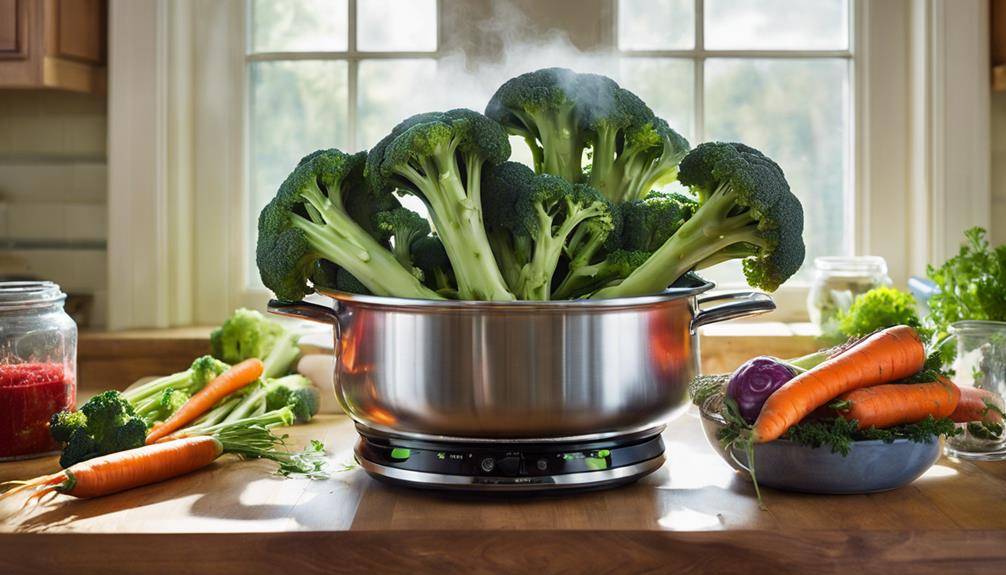
Poaching Vegetables For Optimum Nutrition: Poaching vegetables is one of the best ways to guarantee you get optimum nutrition. This gentle cooking method preserves essential nutrients and enhances the natural flavors of your veggies. Stick to firm options like asparagus, carrots, and green beans for the best results. Just chop them evenly, simmer in a flavorful liquid, and monitor their tenderness. Season with fresh herbs and spices to amp up the taste without added fats. By poaching, you'll enjoy vibrant colors and textures while keeping meals light and healthy. Keep going to discover tips and techniques that will elevate your vegetable game even further!
Click Here and Turn Every Masterpiece into a Showstopper!
Benefits of Poaching Vegetables
When you poach vegetables, not only do you enhance their natural flavors, but you also preserve essential nutrients that might be lost through other cooking methods. This gentle cooking technique involves simmering vegetables in water or broth at a low temperature, which helps maintain their vibrant colors and textures. By doing so, you're not just making your meals tastier; you're also maximizing nutrient retention, ensuring that your body gets the vitamins and minerals it needs.
Compared to more aggressive cooking methods like boiling or frying, poaching minimizes nutrient loss. High heat can break down vitamins, while water-soluble nutrients can leach out into the cooking liquid. With poaching, you're using a controlled environment that allows vegetables to cook evenly without exposing them to extreme temperatures. This means you get to enjoy the health benefits of your vegetables without compromising their nutritional value.
Another advantage of poaching is that it requires little to no added fats, making it a healthier alternative to sautéing or roasting. You can incorporate herbs and spices into the poaching liquid to infuse flavor without relying on heavy sauces or oils. This way, you can create delicious, light meals that are packed with nutrition.
Incorporating poached vegetables into your diet not only boosts your health but also diversifies your culinary repertoire. By understanding the benefits of this cooking method, you're well on your way to making smarter, more nutritious choices in the kitchen.
Best Vegetables for Poaching
Poaching brings out the best in a variety of vegetables, making it a versatile cooking method. When you choose the right vegetable varieties, you enhance both flavor and nutrition. Some of the best vegetables for poaching include asparagus, carrots, green beans, and baby spinach. These options not only hold up well during the poaching process but also absorb flavors from the poaching liquid, resulting in a delicious dish.
Asparagus is tender yet crisp when poached and pairs beautifully with lemon or garlic. Carrots, particularly when sliced into rounds or sticks, become sweet and vibrant. Green beans maintain their color and crunch, making them an excellent choice for salads or as a side dish. Baby spinach wilts perfectly when poached, allowing it to blend seamlessly into various recipes.
You might also consider other vegetable varieties like zucchini, cauliflower, or artichokes. Each of these vegetables offers unique textures and flavors, which can elevate your meals. Experimenting with different poaching techniques can yield exciting results, allowing you to discover which combinations you enjoy most.
To maximize your nutritional benefits, remember that the poaching liquid plays a significant role. Using vegetable broth or infusing the water with herbs can enhance the overall taste and nutrient profile of your poached vegetables. By selecting the right vegetable varieties and mastering poaching techniques, you can create flavorful, healthy dishes that are sure to impress.
Step-by-Step Poaching Process
To achieve perfectly poached vegetables, you'll want to follow a simple, effective process that guarantees ideal flavor and texture. Start by selecting your vegetables; firm options like carrots, green beans, and asparagus work best. Wash and chop them into uniform pieces to guarantee even cooking.
Next, prepare your poaching liquid. You can use water, broth, or even a light vinegar solution. Fill a pot with enough liquid to completely submerge your veggies, but don't overfill it—leave some room for bubbling. Bring the liquid to a gentle simmer over medium heat; avoid boiling, as this can break down the delicate vegetable textures.
Once your liquid is ready, add the vegetables to the pot in a single layer. This step is essential, as overcrowding will lead to uneven cooking. Use a timer to keep track of poaching times, which usually ranges from 3 to 10 minutes, depending on the vegetable. For example, asparagus might take around 4 minutes, while carrots could require closer to 8 minutes.
As your vegetables poach, keep an eye on their color and tenderness. You want them to be bright and vibrant while still maintaining a slight crunch. Once they're done, carefully remove them with a slotted spoon and let them drain.
Click Here and Turn Every Masterpiece into a Showstopper!
Flavoring Your Poached Vegetables
Enhancing the flavor of your poached vegetables can elevate your dish from simple to spectacular. One of the best ways to achieve this is through herb infusions. By adding fresh herbs like basil, dill, or thyme to your poaching liquid, you'll infuse your vegetables with vibrant flavors that complement their natural taste. Just toss in a handful of herbs before you start poaching, and let their essence seep into the water.
Another effective strategy involves using seasoning techniques. Salt is essential, but it's important to balance it with other flavors. Consider adding a splash of vinegar or citrus juice to the poaching liquid; the acidity will enhance the overall taste of the vegetables and bring out their sweetness. You might also experiment with spices like cumin, coriander, or even a pinch of chili flakes for a kick.
Don't forget about aromatics! Onions, garlic, and ginger can make a significant difference in flavor. Slice them up and add them to your poaching liquid, allowing their essence to mingle with the vegetables.
Lastly, once your veggies are done poaching, consider a finishing touch. Drizzle them with a bit of olive oil or sprinkle fresh herbs on top for an extra layer of flavor. With these herb infusions and seasoning techniques, you'll transform your poached vegetables into a dish that's not just nutritious but also bursting with flavor. Enjoy the culinary journey!
Tips for Perfect Poaching
Getting the right technique down can make all the difference in achieving perfectly poached vegetables. First, focus on temperature control. You want to bring your poaching liquid to a gentle simmer, usually around 180°F to 190°F (82°C to 88°C). If the water's boiling, it'll lead to mushy veggies, which defeats the purpose.
Next, choose your vegetables wisely. Denser options like carrots or potatoes will need longer poaching times compared to delicate greens like spinach or asparagus. To avoid overcooking, cut your vegetables into even-sized pieces. This guarantees uniform cooking and helps you keep track of the poaching time. Generally, denser vegetables need about 8 to 12 minutes, while quicker-cooking varieties might only need 2 to 5 minutes.
Don't forget to season your poaching liquid! Adding herbs, spices, or even a splash of vinegar can enhance the flavor of your vegetables. If you're using broth, consider low-sodium options to control the saltiness.
Lastly, have a slotted spoon handy for easy removal. Once your vegetables are cooked to the desired tenderness, scoop them out and place them in an ice bath to stop the cooking process. This method also preserves their vibrant color. By mastering temperature control and timing, you'll enjoy perfectly poached vegetables that maintain their nutritional value and taste. Happy poaching!
Click Here and Turn Every Masterpiece into a Showstopper!
Frequently Asked Questions: Poaching Vegetables For Optimum Nutrition
Can I Poach Vegetables in the Microwave?
Yes, you can poach vegetables in the microwave! Using microwave techniques, you can achieve tender vegetable textures quickly. Just add a little water, cover, and cook until they're perfectly done. Enjoy your nutritious meal!
How Long Do Poached Vegetables Last in the Fridge?
Poached vegetables usually last about three to five days in the fridge. For best vegetable freshness, store them in an airtight container. Use these storage tips to enjoy their flavor and nutrients longer.
Is It Better to Poach or Steam Vegetables?
When deciding if poaching or steaming's better, consider poaching benefits. It often results in better nutrient retention since vegetables cook gently in water, preserving vitamins and minerals. Choose the method that suits your taste and texture preferences.
What Kitchen Tools Are Essential for Poaching?
For effective poaching, you'll need a large pot, a slotted spoon, and a thermometer. Mastering poaching techniques allows you to explore various vegetable varieties, enhancing your culinary skills and ensuring delicious, tender results.
Can I Reuse Poaching Liquid for Other Dishes?
Yes, you can definitely reuse poaching liquid! It's great for flavor enhancement in soups or sauces. Just remember, different poaching techniques may impart unique flavors, so choose your next dish wisely for maximum taste.

Conclusion
Incorporating poached vegetables into your meals is a simple way to boost your nutrition while preserving flavor and texture. By choosing the right veggies and following the poaching process, you can enjoy a delicious, healthy dish. Don't forget to experiment with different flavorings to personalize your creations. With these tips, you'll master the art of poaching and elevate your cooking. So go ahead, give it a try, and savor the benefits of perfectly poached veggies!