8 Best Filipino Fish Dishes: A Culinary Delight
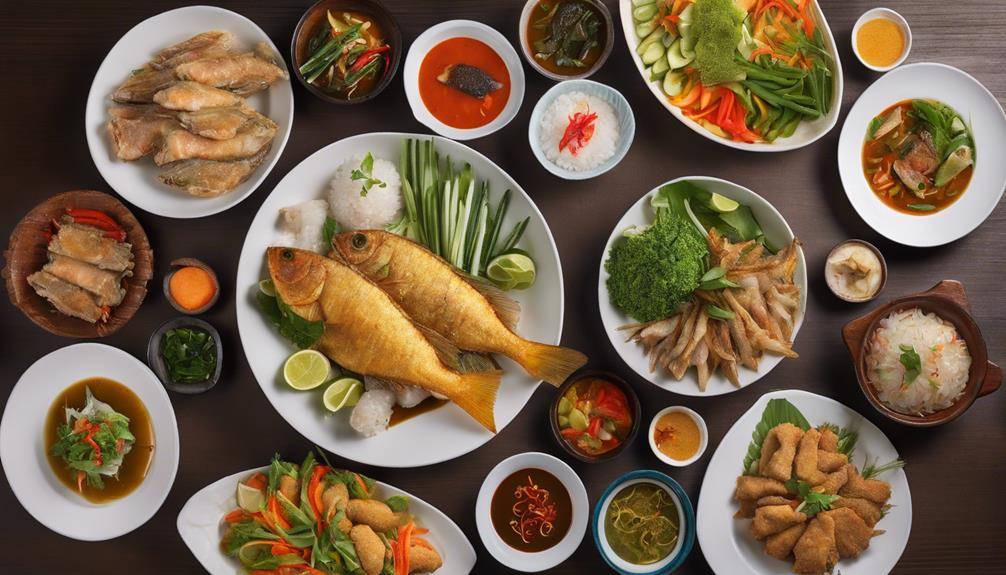
8 Best Filipino Fish Dishes: A Culinary Delight: If you're keen to explore Filipino cuisine, you can't miss these eight delightful fish dishes. Start with Sinigang Na Isda, a vibrant sour soup that warms the soul. Try Grilled Bangus, a marinated milkfish that's perfect on the grill. Kinilaw Na Isda offers a rejuvenating bite with its vinegar and citrus marinade. Enjoy the tender Panga Ng Tuna or savor the sweet and sour Fish Escabeche. Tinola Na Isda provides a comforting broth, while Laing Na Isda combines coconut milk for richness. Finally, don't overlook Paksiw Na Isda's tangy flavor. There's so much more to discover!
Click Here and Turn Every Masterpiece into a Showstopper!
Sinigang Na Isda
Sinigang Na Isda, a beloved Filipino sour soup, showcases the vibrant flavors of the Philippines. This dish invites you to experience a delightful blend of fresh fish, vegetables, and a uniquely tangy sour broth. The sourness primarily comes from tamarind, but you can also experiment with other souring agents like calamansi or green mango, giving you the freedom to create your own sinigang flavors.
When you prepare sinigang, you'll want to start by choosing the right fish. Bangus, tilapia, or even salmon work wonderfully, each adding its own character to the soup. As the fish simmers in the sour broth, it absorbs those rich flavors, resulting in a comforting and hearty meal. The addition of vegetables like radish, eggplant, and water spinach not only enhances the dish's nutrition but also contributes layers of taste and texture.
To enjoy sinigang Na Isda fully, serve it hot with a side of steamed rice. The sour broth, combined with the savory fish, creates a harmonious balance that's simply irresistible. You might find yourself reaching for another bowl, captivated by the way each ingredient shines in the dish.
Whether you're cooking for yourself or sharing with loved ones, sinigang Na Isda offers a culinary experience that's both satisfying and deeply rooted in Filipino culture. So, gather your ingredients and embrace the mouthwatering journey of creating this iconic dish.
Grilled Bangus
Grilled bangus, or milkfish, is a must-try dish that captures the essence of Filipino grilling. This succulent fish is not only a staple in Filipino households but also a favorite at gatherings and celebrations. When you grill bangus, you're embracing traditional grilling techniques that enhance its natural flavors. To prepare, you'll want to butterfly the fish, allowing the marinade to soak in deeply.
For the marinade, consider using a mix of soy sauce, calamansi juice, and garlic. This combination not only tenderizes the fish but also complements its mild taste beautifully. You can infuse even more depth by adding some chili for heat or ginger for warmth—these flavor pairings elevate the dish to a new level.
When it comes to grilling, preheat your grill to medium-high heat. Place the marinated bangus directly on the grill and watch it closely. The skin will crisp up, and the aromatic flavors will fill the air. It's important to turn the fish only once to avoid breaking it apart. Cooking it for about 5-7 minutes on each side will give you that perfect char while keeping the inside moist and flaky.
Serve your grilled bangus with a side of steamed rice and a simple dipping sauce of soy sauce combined with chopped onions and chili. This dish is not just food; it's a celebration of Filipino culture, flavors, and techniques that you'll surely enjoy.
Kinilaw Na Isda
Have you ever tried kinilaw na isda? This vibrant Filipino dish is a delightful way to enjoy fresh fish, often marinated in vinegar and citrus juices. The tangy flavors combined with the texture of the fish create a revitalizing culinary experience that you won't forget. When you prepare kinilaw, the key is to use fresh ingredients. The quality of the fish plays a significant role; you want something that's just been caught to guarantee the best taste and texture.
Kinilaw na isda isn't just one recipe; it has regional variations that showcase the diversity of Filipino cuisine. In coastal areas, for instance, you'll find locals using whatever fish is abundant, often incorporating ingredients like coconut milk, ginger, and chili peppers. In other regions, they might add mango or cucumber to enhance the dish's vibrancy. Each variation offers a unique twist, allowing you to explore different flavors and textures.
Making kinilaw is quite simple. Just cube your fresh fish, mix it with your choice of vinegar and citrus, then toss in some chopped onions, ginger, and chilies. Let it marinate briefly, and you're ready to enjoy a dish that's bursting with flavor. Whether you're at a family gathering or a beach barbecue, kinilaw na isda is sure to impress. So, next time you're looking for a light, revitalizing meal, give kinilaw a try, and savor the richness of Filipino culinary traditions.
Panga Ng Tuna
When you think of Panga ng Tuna, you can't help but appreciate its unique cooking techniques that bring out rich flavors. The marinades and spices elevate this dish, making it a standout on any table. Plus, its nutritional benefits make it not just delicious, but also a healthy choice for your meals.
Unique Cooking Techniques
One standout technique for cooking Panga ng Tuna, the jaw of the tuna fish, is the art of simmering it slowly in a savory broth. This method allows the flavors to meld beautifully, creating a tender and flavorful dish. You might also explore sous vide cooking, which guarantees even doneness and retains moisture.
For a more robust flavor, consider using smoking techniques to infuse the fish with a unique aroma. Fermentation methods can add a tangy twist, enhancing the overall taste profile. If you're aiming for depth in flavor, don't overlook dry aging; it can transform the texture and richness of the tuna jaw.
Brining techniques can help you achieve the perfect balance of saltiness and moisture before cooking. You could also experiment with poaching styles, gently cooking the Panga ng Tuna in seasoned liquid to keep it succulent. Steaming variations offer a healthy option, preserving the fish's natural flavors while keeping it tender. Finally, roasting methods can give you a delightful crispy exterior, creating an enticing contrast to the soft meat inside. Each of these techniques showcases the versatility of Panga ng Tuna, guaranteeing a delicious culinary experience.
Flavorful Marinades and Spices
To elevate the flavor of Panga ng Tuna, a well-crafted marinade is vital. You can create a mouthwatering experience by experimenting with various spice combinations. Start with a base of soy sauce or vinegar, then add garlic, ginger, and a hint of chili for a zesty kick. Don't forget to toss in some freshly squeezed calamansi juice to brighten the flavors.
For a sweeter twist, consider using a marinade recipe that includes honey or brown sugar, along with soy sauce and sesame oil. This combination will give your tuna belly a rich, caramelized finish when grilled. You can also try adding herbs like cilantro or basil for an aromatic touch.
Another exciting option is to mix coconut milk with spices like turmeric and black pepper. This creamy marinade infuses the fish with a delightful tropical flavor that's hard to resist.
Whichever marinade you choose, allow the Panga ng Tuna to soak up those flavors for at least 30 minutes before cooking. This step guarantees a tender, flavor-packed dish that showcases the best of Filipino cuisine. So, roll up your sleeves and get ready to impress your taste buds!
Nutritional Benefits of Panga
Discovering the nutritional benefits of Panga ng Tuna reveals why this dish is a popular choice in Filipino cuisine. Packed with high-quality protein, Panga supports muscle growth and repair, making it an excellent option for those looking to maintain a healthy diet. Plus, it's rich in omega-3 fatty acids, which are essential for heart health and brain function.
When you enjoy Panga, you're also making a choice that reflects panga sustainability. Many fishing practices for this species focus on responsible sourcing, ensuring that you're contributing to the preservation of marine ecosystems. This makes Panga a smart choice for environmentally conscious diners.
Incorporating Panga into your meals can be both delicious and nutritious. You can experiment with various panga recipes, whether grilling, steaming, or incorporating it into savory stews. Each method retains its tender texture and delicate flavor. Enjoying this dish not only satisfies your taste buds but also provides a wealth of nutrients that your body needs. So, next time you're exploring Filipino cuisine, consider Panga ng Tuna for a meal that's both satisfying and health-conscious!
Click Here and Turn Every Masterpiece into a Showstopper!
Fish Escabeche
Fish Escabeche is a delightful Filipino dish that showcases the art of traditional preparation methods. You'll love how the fish is cooked to perfection, often featuring a tangy and flavorful sauce that varies from one region to another. Let's explore these cooking techniques and sauce variations that make Fish Escabeche a standout favorite.
Traditional Preparation Methods
There's something special about the traditional preparation of Fish Escabeche, a beloved Filipino dish that highlights the country's rich culinary heritage. To create this dish, you'll often start with freshly caught fish, which emphasizes sustainable fishing practices. Using local varieties not only supports the fishing community but also guarantees that you're using fish that's in season, enhancing the dish's flavor.
The traditional method involves cleaning and marinating the fish in a mixture of vinegar, garlic, and spices. This marinade not only infuses the fish with vibrant flavors but also plays a vital role in fish preservation. After marinating, you pan-fry the fish until it's golden brown, giving it a crispy texture that contrasts beautifully with the tangy sauce.
Once cooked, the fish is typically served with a colorful medley of sautéed vegetables, which adds both nutrition and visual appeal. This combination not only delights the palate but also showcases the importance of using fresh, locally sourced ingredients. By embracing these traditional preparation methods, you're not just preparing a meal; you're participating in a cultural practice that honors the environment and the Filipino way of life.
Flavorful Sauce Variations
When it comes to Fish Escabeche, the sauce can elevate this dish to new heights with just a few flavorful variations. You can experiment with different sauce pairings to suit your taste preferences. A classic sweet and sour sauce combines vinegar, sugar, and a splash of soy sauce, offering a tangy kick that perfectly complements the fish.
If you're feeling adventurous, try adding some ingredient variations like ginger, garlic, or even a hint of chili for a spicy twist. You could also consider incorporating fresh herbs, such as cilantro or basil, to give your sauce a fresh finish.
For a fruitier option, mango or pineapple can be pureed and added to the sauce, creating a delightful contrast that balances the savory elements of the dish.
Tinola Na Isda
Tinola Na Isda is a delightful Filipino dish that showcases the harmony of flavors and the freshness of local ingredients. This comforting soup primarily features fish, often tilapia or bangus, simmered in a savory broth. The key tinola ingredients include ginger, garlic, and onions, which infuse the dish with aromatic warmth. You'll also find green papaya or chayote, adding a subtle sweetness and texture that complements the fish perfectly.
When you prepare Tinola Na Isda, you'll appreciate the simplicity and versatility of the dish. It's easy to whip up on a busy weeknight, yet it's special enough to impress guests. You can customize the tinola variations to suit your taste; some might prefer adding malunggay (moringa leaves) or even spinach for an added nutritional boost. Others might experiment with different types of fish or seafood, providing a unique twist on this classic staple.
As you savor each spoonful, you'll notice how the rich broth embraces the delicate flavors of the fish, creating a symphony of taste that's both soothing and satisfying. Pairing it with steamed rice enhances the experience, making it a hearty meal. Tinola Na Isda isn't just food; it's a warm embrace on a rainy day or a reminder of home-cooked love. So, gather your ingredients and get ready to enjoy this Filipino culinary gem!
Laing Na Isda
Laing Na Isda brings a delightful fusion of flavors that showcases the richness of Filipino cuisine. This dish combines the creamy, rich texture of coconut milk with the savory goodness of fish, creating a unique culinary experience. You'll love how the tender fish melds beautifully with the spicy, aromatic notes that define laing preparation. Traditionally, laing uses dried or fresh taro leaves, but when you incorporate fish, you elevate the dish to a new level.
In your kitchen, laing preparation can be a fun and rewarding process. Start by sautéing garlic, onion, and ginger until fragrant. Then, add your fish of choice—whether it's bangus (milkfish) or tilapia—and let it cook briefly. Pour in the coconut milk and season with fish sauce, ensuring the flavors blend harmoniously. You can also include chili for an extra kick, making it a dish that suits your spice preference.
There are several laing variations to explore. Some people add vegetables like eggplant or bell peppers, enhancing the dish's texture and flavor. Others might experiment with different types of fish or even shrimp, showcasing the versatility of laing. Each variation brings a unique twist, allowing you to customize Laing Na Isda to suit your taste.
Whether you enjoy it with rice or on its own, Laing Na Isda promises a delightful taste of Filipino heritage that you'll surely savor. Immerse yourself in this dish and appreciate the flavorful journey it offers!
Paksiw Na Isda
Paksiw Na Isda is a flavorful dish that highlights the tangy, savory essence of Filipino cooking. This dish typically features fish simmered in vinegar, garlic, and spices, creating a unique blend of acidity and richness. You'll love how easy it is to prepare, making it a staple in many Filipino households.
When making Paksiw Na Isda, it's important to choose the right type of fish. Regional variations often dictate the choice of fish; in Luzon, you might find bangus (milkfish), while in Visayas, tilapia is common. Each type brings its own character to the dish, so don't hesitate to experiment with what's available in your area.
For some cooking tips, always start with fresh fish to guarantee the best flavor. Marinating the fish in vinegar for a short time before cooking can enhance its taste, making it more delicious. If you prefer a spicier kick, consider adding a few slices of chili peppers during cooking.
Remember to keep the heat low to allow the flavors to meld beautifully without overcooking the fish. The vinegar not only adds tanginess but also acts as a preservative, which is why Paksiw Na Isda can last a few days in the fridge.
Serve it with steamed rice, and enjoy a dish that perfectly captures the essence of Filipino cuisine. Whether you're making it for a family meal or a special occasion, Paksiw Na Isda is sure to impress!
Click Here and Turn Every Masterpiece into a Showstopper!
Frequently Asked Questions: 8 Best Filipino Fish Dishes: A Culinary Delight
What Types of Fish Are Commonly Used in Filipino Dishes?
In Filipino dishes, you'll often find tilapia, bangus, and tuna. These fish come from sustainable fishing practices and showcase regional varieties, reflecting the diverse culinary traditions across the Philippines while supporting local fishing communities.
How Can I Make My Fish Dishes Less Oily?
To make your fish dishes less oily, try grilling or baking instead of frying. You can also use lighter oils or substitute with herbs and spices for flavor, reducing the need for excessive oil in your recipes.
Are There Vegetarian Alternatives to These Fish Dishes?
Absolutely, you can explore vegetarian substitutes for fish dishes! Try plant-based recipes using ingredients like tofu, tempeh, or jackfruit, which can mimic textures and flavors, making your meals deliciously satisfying without the fish.
What Sides Pair Well With Filipino Fish Dishes?
When enjoying Filipino fish dishes, consider serving steamed jasmine rice or garlic rice alongside. For sauce pairings, try vinegar-based dipping sauces or spicy chili sauces to enhance the flavors and create a delightful experience.
Can I Freeze Leftovers From These Fish Recipes?
Yes, you can freeze leftovers from these fish recipes. Use proper freezing techniques by wrapping them tightly and storing in airtight containers. This guarantees quality and flavor retention during leftover storage, making meals easy to reheat later.
For the bigger picture, explore our complete guide to Filipino Fusion Cuisine Concepts — where Filipino flavors meet global favorites.

Conclusion
In summary, exploring these eight delightful Filipino fish dishes will take your taste buds on an unforgettable journey. Each dish showcases the rich flavors and culinary traditions of the Philippines, from the tangy Sinigang Na Isda to the invigorating Kinilaw Na Isda. Whether you're grilling Bangus or savoring Paksiw Na Isda, you're sure to enjoy a unique experience that highlights the country's vibrant seafood culture. So why not plunge into and try them all?