Great Traditional Swedish Meatball Recipes
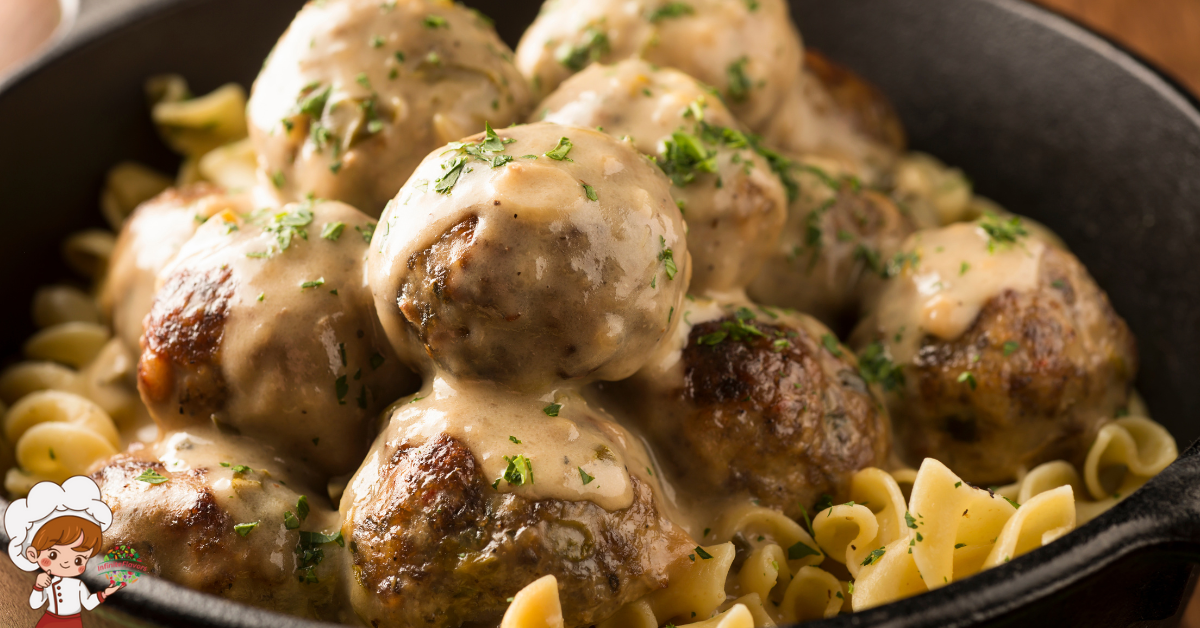
Great Traditional Swedish Meatball Recipes; Traditional Swedish meatball recipes combine ground beef and pork, seasoned with salt, pepper, and allspice for a rich flavor. You’ll often sauté finely chopped onions for added sweetness before mixing them with breadcrumbs and your ground meat. Cooking methods vary—frying creates a crispy exterior, while baking can be a healthier option. Traditionally served with a creamy brown gravy, they pair well with mashed potatoes and a side of lingonberries for a tangy kick. These comforting meatballs are a staple in Swedish gatherings, reflecting a rich culinary heritage. There’s so much more to discover about their history and variations!
We’ve Got Everything You Need to Make Your Masterpiece.
History of Swedish Meatballs
Swedish meatballs have a rich history that dates back several centuries, blending influences from various cultures. You might be surprised to learn that the origins of these delicious morsels can be traced to the 18th century when King Charles XII returned from Turkey and brought back spice ideas. This inspired cooks to experiment with different meat combinations, leading to the development of what we now know as Swedish meatballs.
As you explore the history, you’ll discover that regional variations play a significant role in the evolution of this dish. In different parts of Sweden, you’ll find unique twists on the classic recipe. For instance, in the northern regions, meatballs might be made with reindeer meat, while southern areas might incorporate pork or beef. Each region has its own take, influenced by local ingredients and traditions.
Modern adaptations of Swedish meatballs have also emerged, reflecting contemporary tastes and dietary preferences. You might come across recipes that substitute traditional meats with plant-based alternatives, catering to vegetarians and vegans. These adaptations allow you to enjoy the essence of the dish while aligning with your dietary choices.
Key Ingredients Used
Meatballs come to life with a blend of key ingredients that create their signature flavor and texture. For traditional Swedish meatballs, you’ll typically start with a mix of ground beef and ground pork. This combination offers a balance of rich flavor and moisture. You can also experiment with meatball variations by adding ground veal or turkey for a lighter option.
Next, breadcrumbs are a must. They help bind the meat together while keeping the meatballs tender. You can use fresh breadcrumbs or dried ones, depending on what you have on hand. For a touch of flavor, don’t forget to mix in finely chopped onions and garlic. Sautéing the onions before adding them to the meat mixture enhances their sweetness and depth.
Seasoning is essential, too. A blend of salt, pepper, and allspice gives Swedish meatballs their distinctive taste. Some recipes even call for nutmeg or a hint of cloves for added warmth.
If you’re looking to make ingredient substitutions, you can replace the breadcrumbs with crushed crackers or oats to accommodate dietary needs. For those who prefer a gluten-free option, gluten-free breadcrumbs work well.
Preparation Techniques
How do you achieve perfectly tender and flavorful meatballs? It all starts with your preparation techniques. Begin by choosing your meatball variations. Traditional Swedish meatballs typically use a mix of ground beef and pork, but you can adapt the recipe to include turkey or even plant-based alternatives. The key is to maintain a good fat content for moisture and flavor.
Next, finely chop your onions and sauté them until they’re soft and translucent. This step enhances the sweetness of the onions and prevents them from being too crunchy in your meatballs. Once cooled, mix the sautéed onions with your ground meat, breadcrumbs, and spices. Don’t forget the allspice and nutmeg, as they add that distinct Swedish flavor.
When it comes to cooking methods, you have options. You can fry your meatballs in a skillet, which gives them a lovely golden crust, or you could bake them in the oven for a healthier approach. If you choose to fry, make certain your pan is hot before adding the meatballs, as this helps seal in the juices. For baking, place them on a lined baking sheet and cook until they’re browned and cooked through.
Whichever method you choose, remember to keep an eye on the cooking time. Overcooking can lead to dry meatballs, while undercooking could leave them unsafe to eat. By mastering these preparation techniques, you’ll create delicious Swedish meatballs that everyone will love.
Serving Suggestions
Enhancing your dining experience with traditional Swedish meatballs can be as simple as choosing the right accompaniments. To elevate your meal, consider a variety of sauce variations. The classic brown gravy is a go-to, but don’t hesitate to experiment. A creamy lingonberry sauce adds a sweet-tart balance, while a rich mustard sauce can bring a delightful zing. You might also try a savory mushroom sauce for a heartier touch, catering to different palates at your table.
When it comes to side dishes, you’ve got plenty of options that complement the flavors of your meatballs beautifully. Mashed potatoes are a staple; their creaminess pairs perfectly with the savory sauces. If you’re looking for something a bit lighter, consider serving your meatballs with buttery egg noodles or a simple salad. Roasted or steamed vegetables, like carrots or green beans, can add a pop of color and freshness to your plate.
Don’t forget about lingonberries! These tart berries can be served as a condiment alongside your meatballs, providing that quintessential Swedish touch. For a more traditional experience, you might want to include pickled cucumbers, which add a crunchy, tangy contrast to the meatballs’ richness.
We’ve Got Everything You Need to Make Your Masterpiece.
Cultural Significance
Swedish meatballs are more than just a delicious dish; they hold a special place in Sweden’s culinary heritage and cultural identity. When you think about Swedish traditions, these meatballs often come to mind, representing comfort and connection among family and friends. You’ll find them served at festive gatherings, family dinners, and even in modern cafés, showcasing their enduring appeal across generations.
The recipe itself reflects various culinary influences, combining flavors from neighboring countries and adapting to local ingredients. Swedes have embraced these influences, crafting a unique version that balances savory spices with creamy sauces. This adaptation highlights the rich tapestry of Sweden’s food history, where local ingredients meet global flavors.
Moreover, Swedish meatballs symbolize the warmth of home and the importance of togetherness. Whether you’re enjoying them during a traditional smorgasbord or at a cozy holiday feast, each bite carries the spirit of Swedish hospitality. When you share this dish with others, you’re not just feeding their appetites; you’re inviting them to partake in a shared cultural experience that spans centuries.
In today’s fast-paced world, these meatballs remind us to slow down and appreciate the simple joys of life—good food and good company. So, next time you savor a plate of Swedish meatballs, remember their cultural significance and the traditions they embody. You’ll be partaking in a culinary legacy that continues to bring people together, bridging the past with the present.
We’ve Got Everything You Need to Make Your Masterpiece.
Frequently Asked Questions: Great Traditional Swedish Meatball Recipes
Can I Use Ground Turkey Instead of Beef in Meatballs?
Yes, you can use ground turkey instead of beef in meatballs. Ground turkey’s benefits include lower fat content, and it can yield a lighter meatball texture, making your dish healthier without sacrificing flavor. Enjoy experimenting!
How Can I Make Gluten-Free Swedish Meatballs?
To make gluten-free Swedish meatballs, use gluten-free breadcrumbs instead of regular ones. You can also opt for dairy-free options like almond or coconut milk to keep them light and flavorful without sacrificing taste. Enjoy your cooking!
What Sides Pair Well With Swedish Meatballs?
When you’re serving Swedish meatballs, consider pairing them with creamy mashed potatoes, lingonberry sauce, or sautéed green beans. For sauce options, try a rich gravy or a tangy mustard sauce for delicious serving suggestions.
How Long Can I Store Leftover Swedish Meatballs?
You can store leftover Swedish meatballs in the fridge for up to four days. For longer storage, freeze them. Use airtight containers. When reheating, microwave or bake them until heated through, ensuring they’re safe to eat.
Are There Vegetarian Alternatives to Traditional Swedish Meatballs?
Yes, you can find delicious vegetarian meatball options using plant-based ingredients like lentils, chickpeas, or mushrooms. These alternatives provide great flavor and texture, making them perfect for enjoying with traditional sauces and sides.

Conclusion
To conclude, traditional Swedish meatballs are a delicious blend of history, key ingredients, and preparation techniques that reflect Sweden’s rich culinary culture. By understanding their origins and how to make them, you can appreciate their significance in Swedish cuisine. Whether you serve them with creamy gravy, lingonberry sauce, or on a bed of creamy mashed potatoes, these meatballs bring warmth and comfort to any meal. So, why not try making them yourself and enjoy a taste of tradition?