The Great History of Cinnamon Sugar Doughnuts Made with Biscuit Dough
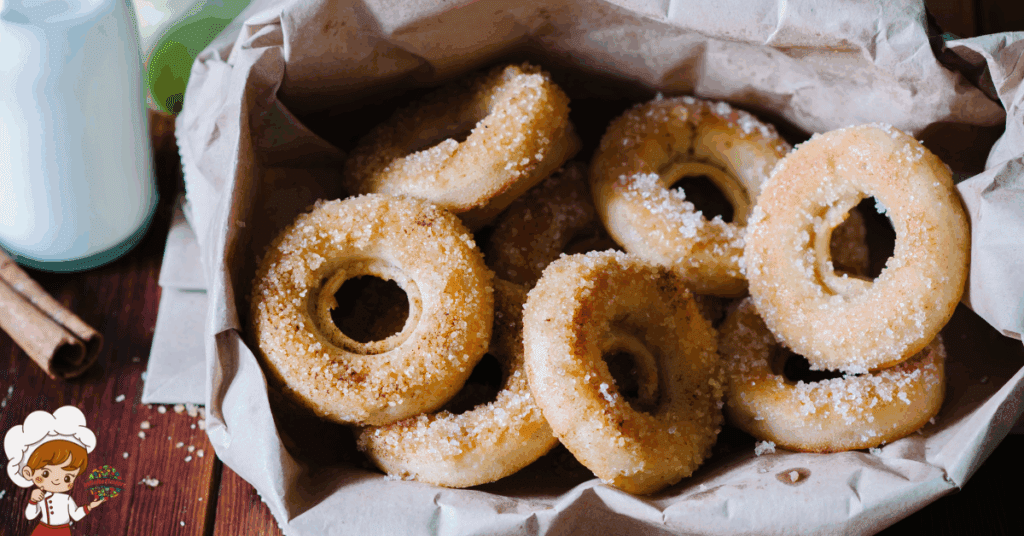
Cinnamon Sugar Doughnuts Made with Biscuit; Few breakfast treats capture the warmth and nostalgia of homemade comfort food like cinnamon sugar doughnuts made with biscuit dough. Soft, golden, and coated in sweet cinnamon sugar, they bring back memories of cozy mornings and the irresistible aroma of fresh-fried dough. While doughnuts have a long and fascinating history, this clever Southern-style shortcut—using biscuit dough instead of traditional yeast or cake batter—has its own charming story rooted in resourcefulness and tradition.
This simple method became a beloved staple in American home kitchens, proving that creativity and humble ingredients can produce something truly special. To appreciate why these easy, golden bites remain so popular today, it helps to explore where they came from and how they became a comfort-food classic in their own right.
This blog will help you:
- Understand the history and origin of cinnamon sugar doughnuts made with biscuit dough.
- Learn how this Southern-style shortcut became a beloved American tradition.
- Appreciate the cultural nostalgia behind simple, homemade breakfast treats.
- Discover why biscuit dough doughnuts remain a timeless comfort food.
- Feel inspired to recreate this classic recipe in your own kitchen.
The Sweet Beginnings: A Brief History of Doughnuts
The story of the doughnut begins long before the invention of canned biscuit dough. Fried pastries have existed across cultures for centuries. Ancient Greeks and Romans fried balls of dough sweetened with honey, while in medieval Europe, cooks prepared fried confections similar to fritters.
However, the modern doughnut as we know it today traces its roots to early Dutch settlers in America during the 18th century. They brought with them “olykoeks,” or “oil cakes”—sweet dough balls fried in fat until golden and crisp. These early doughnuts were rich, comforting, and often flavored with nutmeg, cinnamon, or dried fruits.
As doughnut recipes spread throughout the colonies, they evolved. By the 19th century, bakers began forming them into rings to ensure even cooking, a method that later became iconic. The round doughnut with its signature hole was popularized in the mid-1800s, often credited to New England ship captain Hanson Gregory, who reportedly used a tin pepper box to punch holes in the center of his mother’s fried dough.
Over time, doughnuts became an American breakfast staple, from humble home frying to the commercial rise of doughnut shops in the 20th century.
How Biscuit Dough Changed the Doughnut Game
While traditional doughnuts rely on yeast or cake batter, biscuit dough doughnuts emerged as a clever and time-saving alternative. This creative adaptation began gaining popularity in the mid-20th century, when canned biscuit dough became a kitchen convenience across America.
Biscuit dough was originally designed for flaky breakfast biscuits, but clever home cooks soon discovered that it could also be transformed into something else entirely—crispy on the outside, tender on the inside, and perfect for rolling in cinnamon sugar.
The innovation aligned with the spirit of postwar America: home cooks looking for fast, delicious, and budget-friendly ways to feed their families. Frying biscuit dough offered a shortcut to homemade doughnuts without the need for yeast, kneading, or long rise times.
The concept became especially popular in Southern kitchens, where biscuits already held a place of honor. Turning them into Southern-style biscuit doughnuts was an easy way to create a sweet treat from a familiar, beloved dough.
The Southern Twist: Cinnamon Sugar Meets Buttery Biscuit Dough
In the South, food is more than nourishment—it’s a connection to family and community. The cinnamon sugar biscuit doughnut became a favorite not only because it was easy, but because it tasted like home.
By combining two classic Southern staples—flaky biscuits and cinnamon sugar—home bakers created a treat that felt both nostalgic and new. The flavor combination drew inspiration from the region’s long love affair with sweet spices like cinnamon and nutmeg, often used in pies, cobblers, and breads.
Rolling warm, freshly fried biscuit doughnuts in cinnamon sugar gave them a comforting sweetness that appealed to both kids and adults. They became a Saturday morning tradition, a church potluck favorite, and even a fairground indulgence. Their simplicity and versatility made them a cherished addition to Southern comfort cooking.
From Scratch to Shortcut: The Rise of Convenience Cooking
The invention of canned biscuit dough revolutionized home baking. In 1931, Ballard & Ballard introduced the first commercially produced refrigerated biscuit dough in America. By the 1950s, Pillsbury made it a household staple with its iconic “Pop!” cans.
With canned biscuits now widely available, creative cooks started experimenting. They found ways to transform this convenient dough into everything from monkey bread to pizza rolls—and of course, homemade biscuit doughnuts.
The appeal was undeniable: with just a few ingredients and minimal time, anyone could whip up warm, golden doughnuts at home. This innovation bridged the gap between scratch cooking and modern convenience, allowing even novice cooks to feel like kitchen pros.
The cinnamon sugar coating became the natural finishing touch. It required no glaze or frosting, yet delivered bold flavor and visual appeal. The simple act of shaking doughnuts in a paper bag filled with sugar and cinnamon became a ritual in many homes—a joyful, tactile step that kids could help with.
Why Cinnamon Sugar Doughnuts Made with Biscuit Dough Became So Popular
The popularity of easy biscuit dough doughnuts is a testament to the timeless appeal of simplicity. They represent everything people love about homemade treats: warmth, familiarity, and a touch of nostalgia.
These doughnuts gained traction through word of mouth, church cookbooks, and regional fairs rather than commercial advertising. They were part of the grassroots home cooking movement, a testament to the creativity of everyday cooks.
Their flavor profile—sweet, buttery, and warmly spiced—makes them perfect for any occasion. They can be enjoyed as a breakfast treat, a snack with coffee, or a sweet ending to supper. Unlike yeasted doughnuts that require precision and patience, biscuit dough doughnuts are delightfully forgiving.
As social media and food blogging expanded in the early 2000s, this old-fashioned recipe saw a resurgence. Home bakers rediscovered its charm, sharing nostalgic stories and “hack-style” tutorials that showcased how to make doughnuts in minutes with just a can of biscuits and some cinnamon sugar.
Today, searches for “easy cinnamon sugar doughnuts” and “biscuit dough doughnuts” trend regularly on recipe sites, proving that this shortcut classic continues to win hearts.
The Perfect Pairing: Coffee, Autumn, and Nostalgia
There’s something especially comforting about warm cinnamon sugar doughnuts on a crisp fall morning. The scent of frying dough mingled with cinnamon evokes the coziness of the season—sweaters, bonfires, and mugs of hot coffee or cider.
In many American households, these doughnuts are synonymous with autumn weekends or family gatherings. They often appear at harvest festivals, pumpkin patches, and school bake sales. Their golden-brown crust and cinnamon sparkle make them a natural fit for the nostalgic mood of fall.
This emotional connection is part of why the recipe endures. Food isn’t just about taste—it’s about memory. Each bite of a biscuit doughnut dusted in cinnamon sugar tells a story of togetherness and tradition.
The Cultural Impact of Homemade Cinnamon Sugar Doughnuts
Though simple, cinnamon sugar biscuit doughnuts have left an undeniable mark on American culinary culture. They symbolize the spirit of adaptability that defines so much of Southern and Midwestern home cooking.
From Depression-era cooks making the most of pantry staples to modern food creators reinventing retro classics, this doughnut embodies the idea that great food doesn’t need to be complicated. It’s proof that creativity thrives under simplicity.
Over time, these doughnuts became a teaching recipe—one of the first many children learn to make with their parents or grandparents. The process of cutting out doughnut holes, frying them, and shaking them in cinnamon sugar has become a multi-generational memory in countless kitchens.
Today, you’ll find countless variations on social media—air-fried versions, baked versions, or mini “doughnut bites”—but they all share the same comforting roots.
Modern Revival: Biscuit Dough Doughnuts in Today’s Kitchens
The 21st-century revival of home cooking has brought renewed appreciation for vintage comfort foods. Social media platforms like TikTok and Instagram are filled with quick recipe reels showing how to make doughnuts from canned biscuit dough, often paired with nostalgic music and family storytelling.
This resurgence aligns perfectly with current culinary trends: cozy, approachable, and driven by authenticity. In an age of complicated recipes and gourmet presentation, simple cinnamon sugar doughnuts stand out as a reminder of joy found in small, homemade moments.
Restaurants and bakeries have even begun to serve gourmet versions inspired by this humble classic—sometimes pairing them with maple glaze, espresso sugar, or pecan crumble. Yet the traditional cinnamon sugar version remains unbeatable for its balance of ease and flavor.
It’s a beautiful example of how innovation doesn’t always mean reinvention. Sometimes, the best “new” ideas are rediscoveries of old ones.
A Timeless Treat with a Story to Tell
At its heart, the cinnamon sugar biscuit doughnut is a love letter to resourcefulness and comfort. It represents the merging of two beloved American icons: the doughnut and the biscuit.
Born out of creativity, sustained by tradition, and revived by nostalgia, it continues to hold a special place in American kitchens. Whether you’re frying them up for your family on a Saturday morning or reliving a childhood memory, each bite connects you to generations of cooks who turned ordinary ingredients into something extraordinary.
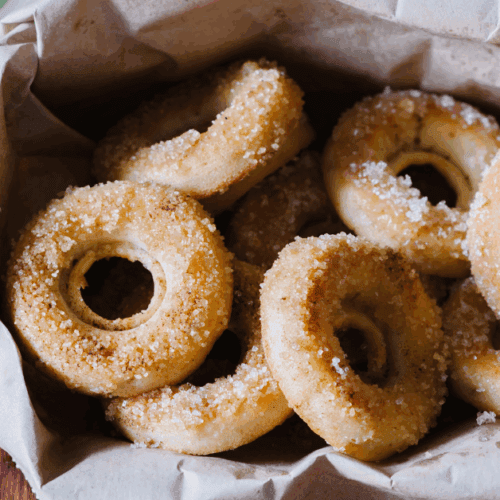
Cinnamon Sugar Doughnuts
Ingredients
- 1 can 16 oz refrigerated biscuit dough
- – 1/2 cup sugar
- – 2 tsp ground cinnamon
- – 1/4 cup melted butter
Instructions
- Preheat the oven to 375°F (190°C) and grease a doughnut pan.
- Cut holes in the center of each biscuit to form doughnut shapes.
- Bake the doughnuts for 10-12 minutes until golden brown.
- Dip the warm doughnuts in melted butter and then in a mixture of sugar and cinnamon.
Frequently Asked Questions: Cinnamon Sugar Doughnuts Made with Biscuit
What kind of biscuit dough works best for cinnamon sugar doughnuts?
Refrigerated canned biscuit dough—such as Pillsbury Grands or any flaky-style biscuit—is most commonly used. The dough’s buttery texture creates light, tender doughnuts that fry beautifully.
Can I bake biscuit dough doughnuts instead of frying them?
Yes! While frying gives them their signature crispness, baking at 375°F for about 10–12 minutes can yield a lighter version. Coat them in melted butter before rolling in cinnamon sugar for best results.
Where did the idea of using biscuit dough for doughnuts come from?
The concept likely originated in mid-20th-century Southern and American home kitchens, where resourceful cooks used canned biscuit dough for quick desserts and breakfast treats.
Why is cinnamon sugar such a popular coating?
Cinnamon sugar offers the perfect balance of sweetness and spice. It complements the buttery biscuit dough and enhances the doughnut’s aroma and flavor.
Can biscuit dough doughnuts be made in an air fryer?
Absolutely! Air fryers have made this classic even easier. Brush each biscuit with melted butter, air fry at 350°F for about 6–8 minutes, and toss in cinnamon sugar while warm.
How do I keep my doughnuts from becoming greasy?
Maintain oil temperature around 350°F. If it’s too cool, the dough absorbs excess oil; if it’s too hot, the exterior burns before the inside cooks.
What is the difference between biscuit dough doughnuts and traditional doughnuts?
Traditional doughnuts use yeast or cake batter, requiring more prep time and rising. Biscuit dough doughnuts skip the yeast, relying on pre-made dough for a quick, fluffy result with minimal effort.
Can I add other flavors to cinnamon sugar doughnuts?
Definitely! Try adding nutmeg to the sugar mix, drizzling with maple glaze, or filling with apple butter for a seasonal twist.

The Enduring Legacy of Cinnamon Sugar Biscuit Dough Doughnuts
The history of cinnamon sugar doughnuts made with biscuit dough reveals more than just a quick kitchen shortcut—it highlights the creativity, comfort, and tradition woven into American home cooking. From their mid‑century roots to their modern revival, these doughnuts have remained a symbol of simple joy and nostalgic flavor.
They embody everything people love about comfort food: familiar ingredients, approachable techniques, and the power to spark warm memories with every bite. Whether enjoyed on a slow weekend morning or shared at a family gathering, each sugar‑dusted doughnut carries a legacy of warmth and connection.
So the next time you pop open a can of biscuit dough and coat each piece in cinnamon sugar, remember—you’re continuing a delicious tradition passed down through generations of home cooks who knew that the simplest recipes are often the most magical.
If you enjoyed exploring this topic and want to dive even deeper, be sure to check out some of our other articles here on Infinite Flavors. From rich culinary histories to creative twists on classic recipes, there’s always something new to discover. Whether you’re curious about the origins of a dish, looking for fresh inspiration in the kitchen, or simply love learning about food culture, our collection of posts is the perfect next step on your flavor journey.
What Are Some Great Refreshing Caribbean Fruit Dishes
The Delicious And Great Origin Of Pumpkin Spice Muffins
The Sweet Story Behind The Best Maple Pecan Cookies