The Great Sweet History of Christmas Fudge
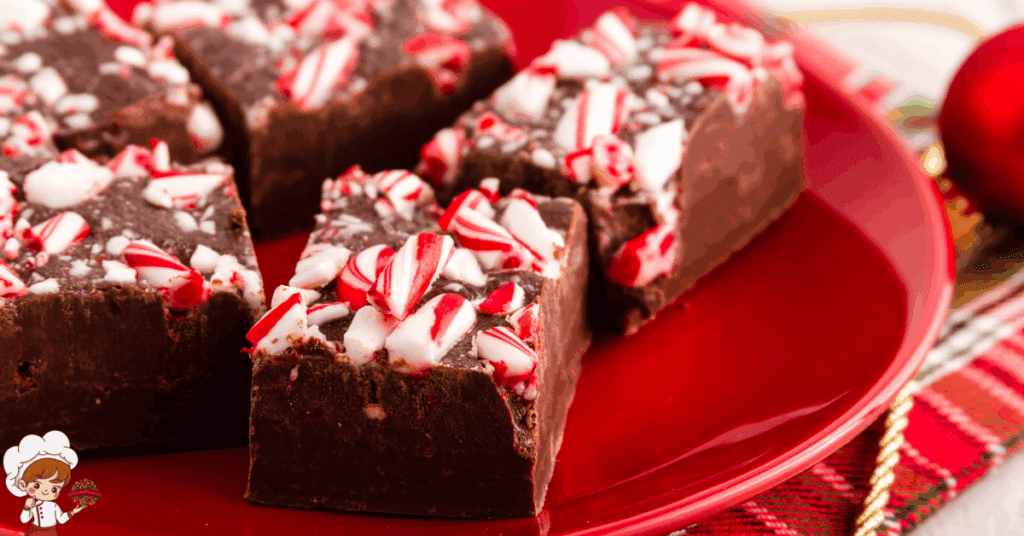
The Great Sweet History of Christmas Fudge; Christmas fudge has become one of the most cherished holiday treats in American households, filling dessert tables, gift baskets, and cookie tins with its rich, melt-in-your-mouth charm. But the beloved confection wasn’t always linked to Christmas. Its journey from a simple kitchen experiment to a holiday tradition reflects changes in American culture, early sugar production, and the way families embraced homemade sweets as part of their seasonal celebrations.
The history of Christmas fudge is layered, nostalgic, and deeply tied to the way we celebrate the holidays today. Understanding its origin not only highlights how this decadent candy came to symbolize comfort and generosity during the festive season but also reveals how food traditions evolve through generations.
For many, Christmas fudge represents warmth, family, and the joy of giving. Every bite captures the essence of the holiday season—creamy, sweet, indulgent, and often infused with flavors that evoke the spirit of winter. While it may seem like fudge has been a Christmas staple forever, the dessert is relatively new compared to centuries-old holiday foods like gingerbread, fruitcake, or mince pies. The story of Christmas fudge begins in the late 19th century, unfolding through university dorm rooms, early candy shops, growing access to dairy products, and the increasing popularity of homemade holiday gifting.
As fudge became easier to make and more versatile in flavor, households across America began incorporating it into their holiday traditions. Today, Christmas fudge exists in seemingly endless varieties—peppermint fudge, chocolate walnut fudge, eggnog fudge, white chocolate fudge, peanut butter fudge, and dozens more. Yet at its core, the tradition of Christmas fudge remains deeply rooted in nostalgia, celebration, and the desire to share something handmade with the people we love.
The Origin of Christmas Fudge: A Sweet Holiday Story
The early history of fudge is surprisingly modern, with most historians agreeing that fudge probably originated in the United States in the late 1800s. There is a charming, widely accepted story that in 1886, a batch of caramels “fudged”—or failed—resulting in a new type of creamy, soft candy. Whether this exact story is true, what is clear is that fudge began appearing in American college cookbooks and letters shortly after.
Students at institutions like Vassar College, Smith College, and Wellesley College became famous for perfecting early fudge recipes. These recipes quickly spread among the young women who prepared them in their dormitories. It was inexpensive, easy to share, and fun to experiment with—qualities that made fudge ideal for celebrations, gatherings, and moments of bonding.
So how did fudge transition from a college corridor treat to a Christmas tradition?
The answer lies in timing. As fudge became popular in the early 20th century, so did Christmas-centered advertising, holiday baking culture, and the American tradition of giving homemade sweets as gifts. Families were already embracing the idea of baking cookies, pies, and candies during the holidays, and fudge’s simplicity made it an immediate hit. Unlike candies requiring thermometers and precise temperatures, fudge could be made at home with minimal equipment, making it accessible to almost anyone who wanted a rich, chocolaty treat.
Early recipes often used sweetened condensed milk—a relatively new product that revolutionized dessert making—and butter, sugar, and chocolate, all of which became more affordable in the early 1900s. These changes helped fudge flourish as a homemade holiday treat, especially during Christmas when many families were looking for ways to create festive gifts without spending much money.
By the 1920s and 1930s, fudge was a common winter treat found in women’s magazines and holiday cookbooks. As the Great Depression encouraged frugal and resourceful cooking, fudge became even more prominent because it required few ingredients and created a substantial amount of candy. It was easy to divide, wrap, and share—qualities that perfectly matched the spirit of Christmas giving.
Why Christmas Fudge Became a Holiday Tradition
Fudge didn’t just become popular during Christmas by coincidence. Several cultural and economic shifts helped solidify its place in holiday celebrations.
First, the rise of homemade gift-giving during the 20th century made fudge the perfect present. Its long shelf life, ability to travel well, and rich flavor made it ideal for packaging in decorative tins or boxes. People could make large batches inexpensively and distribute them to neighbors, coworkers, teachers, and friends.
Second, the flavors associated with fudge adapted easily to Christmas themes. As peppermint, chocolate, cinnamon, and nuts became iconic seasonal flavors, fudge-makers quickly embraced these festive ingredients. The rise of peppermint bark and peppermint-flavored chocolates in the late 20th century further helped Christmas fudge become associated with wintertime treats.
Third, fudge became a part of family holiday traditions. Grandparents taught their grandchildren how to make fudge at the stovetop. Parents passed down handwritten recipes. Families experimented with their own variations, creating personalized holiday flavors that became beloved annual staples. These traditions elevated the sentimental value of fudge far beyond its ingredients.
Finally, fudge’s connection to Christmas was strengthened by commercial holiday culture. Candy companies promoted fudge mixes, chocolate bars designed for melting, and holiday packaging. Cookbooks regularly featured fudge recipes in their Christmas sections, further cementing the link between the dessert and the holiday.
All these factors combined to create what we know today: Christmas fudge as an essential part of the holiday dessert lineup. Whether made in classic chocolate form or infused with peppermint, marshmallow swirl, or festive sprinkles, fudge has become synonymous with Christmas joy.
How Christmas Fudge Evolved Over Time
As Christmas fudge grew in popularity, it evolved into different styles that solidified its role in holiday culture. Classic chocolate fudge was only the beginning. Home cooks experimented with flavorings, inclusions, and preparation methods, leading to the variety we see today.
During the mid-20th century, the introduction of marshmallow crème simplified fudge-making even further. Recipes printed on jars became household staples, encouraging families to create large batches during the holidays. This era also saw the creation of “fantasy fudge,” a version that used marshmallow crème to achieve a smooth, silky texture without the risk of crystallized sugar.
As candy-making technology advanced, so did the creativity of fudge enthusiasts. Today, Christmas fudge can be made with white chocolate, mint extract, crushed candy canes, toasted nuts, dried fruit, flavored chips, seasonal spices, or even liqueurs. Vegan variations using coconut milk or dairy-free chocolate have also become increasingly common.
Holiday fudge also gained popularity as a centerpiece gift in Christmas markets, craft fairs, and specialty candy shops. Gourmet fudge makers often create limited-edition seasonal flavors, further connecting the treat to the anticipation and excitement of the holiday season.
Despite all these innovations, the heart of Christmas fudge remains the same: simple ingredients, smooth texture, and old-fashioned holiday nostalgia.
The Cultural Significance of Christmas Fudge
Christmas fudge carries emotional weight beyond its flavor. It reminds people of childhood memories, time spent in the kitchen with loved ones, and the joy of receiving homemade gifts. For many, it symbolizes hospitality and kindness—two core values of the holiday season.
Families often have strong loyalties to their favorite fudge recipes, which have been passed down for generations. These recipes are handwritten in old cookbooks, stored on recipe cards, or memorized by elders who have perfected the technique over decades.
Because fudge is so easy to customize, it also reflects personal creativity and regional influences. In the South, pecan fudge is incredibly popular. In colder climates, peppermint fudge and winter spice fudges are more common. Some families prefer dense, slightly grainy fudge, while others love smooth, creamy varieties.
Christmas fudge is also strongly tied to community traditions. Many churches, schools, and charities host holiday bake sales where fudge is a top seller. It’s often included in Christmas cookie exchanges, neighborhood goodie boxes, and as thank-you gifts for teachers and coworkers.
These emotional and cultural ties make Christmas fudge far more than a dessert—it is a symbol of warmth, generosity, and the timeless magic of Christmas.
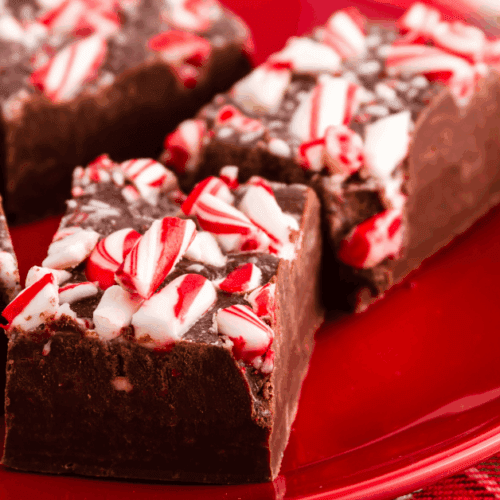
Christmas Fudge
Ingredients
- 3 cups chocolate milk, semi-sweet, or dark, chopped
- 1 can 14 ounces sweetened condensed milk
- 1/2 cup crushed peppermints or 1/2 cup chopped nuts or 1/2 cup dried fruit optional add-ins
Instructions
- Combine 3 cups chopped chocolate and 1 can (14 ounces) sweetened condensed milk in a saucepan over low heat, stirring until fully melted and smooth.
- Pour the mixture into a lined dish and spread evenly.
- If desired, sprinkle 1/2 cup crushed peppermints, 1/2 cup chopped nuts, or 1/2 cup dried fruit over the top. Let the fudge set at room temperature or in the refrigerator until firm,
- then slice and serve.
FAQ: The Great Sweet History of Christmas Fudge
Why is fudge associated with Christmas?
Fudge became popular during the holidays because it was affordable, easy to make in large batches, and perfect for gifting. Seasonal flavors like peppermint, chocolate, and nuts also strengthened its connection to Christmas.
When was fudge first invented?
Fudge likely originated in the late 1800s in the United States, with the earliest known references appearing in letters from college students around 1886.
Is Christmas fudge American?
Yes, fudge is considered a distinctly American confection. Unlike European candies, fudge has a uniquely soft texture that became popular in the U.S. before spreading to other countries.
Why do people make fudge at home instead of buying it?
Homemade fudge is inexpensive, customizable, and deeply linked to family traditions. Many families cherish their own recipes passed down through generations.
What flavors are most common for Christmas fudge?
Peppermint fudge, chocolate walnut fudge, white chocolate fudge, peanut butter fudge, and marshmallow swirl fudge are among the most popular holiday varieties.
Does fudge require special equipment?
Traditional fudge requires only basic tools and can be made without a candy thermometer, making it accessible to almost all home cooks.
Is Christmas fudge the same as regular fudge?
The base is the same, but Christmas fudge often includes festive flavors, colors, and decorations that evoke holiday themes.
Can fudge be part of edible gift baskets?
Absolutely. Fudge is one of the most popular homemade holiday gifts because it keeps well and packs beautifully in tins, jars, and decorative bags.

Why Christmas Fudge Remains a Holiday Favorite
Christmas fudge has stood the test of time because it combines simplicity, flavor, nostalgia, and the joy of giving into one irresistible treat. Its history—from a likely kitchen mistake to a cherished Christmas tradition—reflects the way food evolves within cultures. What began as an accidental soft caramel quickly transformed into a holiday staple beloved by millions.
The enduring appeal of Christmas fudge lies not just in its taste but in the memories it creates. Families gather in the kitchen to stir the chocolate, pour it into pans, and decorate it for the season. Children look forward to receiving a piece in their stockings. Friends exchange fudge-filled tins as tokens of appreciation and love. Year after year, these small moments weave Christmas fudge into the fabric of holiday tradition.
As long as families continue celebrating with homemade treats and heartfelt gifts, Christmas fudge will remain a beloved symbol of holiday warmth. Its story is far from over—as new generations discover and reinvent it, Christmas fudge continues to evolve while staying true to its timeless roots.
If you enjoyed exploring this topic and want to dive even deeper, be sure to check out some of our other articles here on Infinite Flavors. From rich culinary histories to creative twists on classic recipes, there’s always something new to discover. Whether you’re curious about the origins of a dish, looking for fresh inspiration in the kitchen, or simply love learning about food culture, our collection of posts is the perfect next step on your flavor journey.
The Rich And Indulgent History Of Chocolate Truffles
The Sweet And Surprising History Of Peppermint Bark
The History And Origin Of Easy Lemon Cookies