The Great History and Origin of Roasted Root Vegetables for Fall
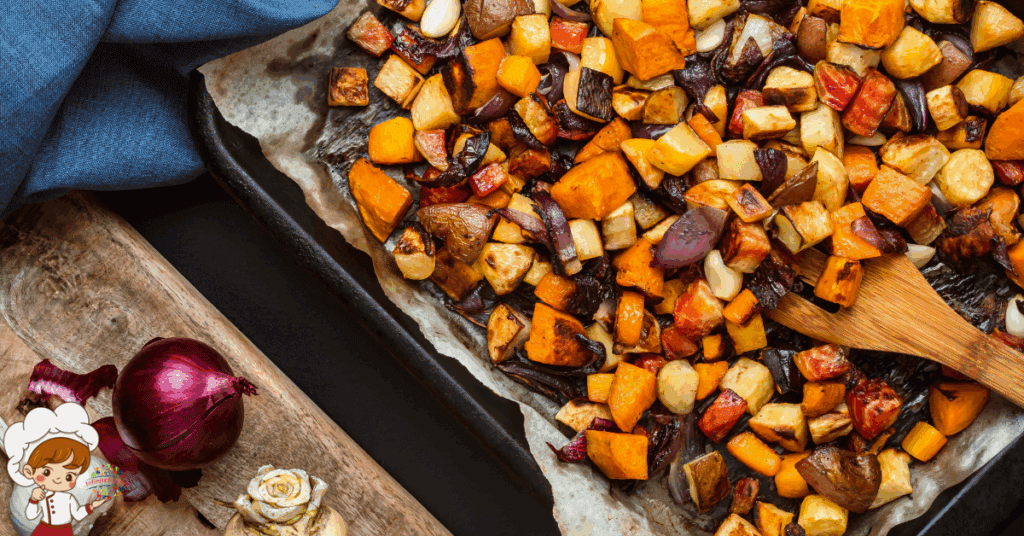
Origin of Roasted Root Vegetables for Fall; As the air turns crisp and the leaves begin to fall, roasted root vegetables take center stage on dinner tables across the globe. Their earthy flavors, natural sweetness, and hearty textures make them an autumn staple. But beyond being a seasonal favorite, roasted root vegetables carry with them a long history rooted in cultural tradition, agriculture, and culinary evolution. The story of these humble vegetables is also the story of human survival, ingenuity, and celebration of the harvest.
In this blog, we’ll explore the fascinating history and origin of roasted root vegetables, why they are so closely tied to fall, and how cultures across the world have embraced them. Along the way, we’ll also examine how their role has shifted from ancient sustenance to modern culinary artistry.
The Ancient Origins of Root Vegetables
Root vegetables are some of the earliest foods cultivated by humans. Long before grains and fruits became widely available, early societies relied on edible roots like carrots, turnips, parsnips, and beets. These underground treasures provided sustenance during colder months when above-ground crops withered. Archeological evidence suggests that root vegetables were consumed as far back as 10,000 years ago, with wild varieties foraged by hunter-gatherer societies.
Their appeal was clear: root vegetables were dense in calories, packed with vitamins, and could be stored for long periods without spoiling. Ancient civilizations in regions such as Mesopotamia, Egypt, and Asia developed farming techniques that included root crops as dietary staples. While roasting was not always the primary method of preparation, cooking roots over an open flame was one of the earliest forms of food transformation—and it likely contributed to the development of roasted root vegetables as a beloved dish.
Why Roasted Root Vegetables Became a Fall Staple
The strong association between roasted root vegetables and autumn is no coincidence. In agricultural societies, fall was the season of harvest. Root vegetables, unlike fragile leafy greens or fruits, were harvested late in the year and stored in root cellars for the cold months ahead. Roasting them over open flames or in hearth ovens became both practical and delicious, intensifying their natural sweetness while creating a hearty, warming meal.
For centuries, families gathered in the fall to roast carrots, potatoes, parsnips, and turnips as part of celebratory harvest feasts. These traditions not only provided nourishment but also connected people to the earth, symbolizing the transition from abundance to preservation as communities prepared for winter.
Roasted Root Vegetables in European Culinary History
European cuisine played a major role in shaping the cultural significance of roasted root vegetables. In medieval times, root crops like parsnips, turnips, and carrots were dietary staples for peasants because they were affordable and filling. Roasting was a common preparation method, as hearth cooking was accessible to all households.
By the 17th century, the introduction of the potato from the Americas revolutionized European diets. Potatoes became a vital crop, and roasting them with other root vegetables grew into a comforting, hearty tradition. Countries like England, Ireland, and Germany elevated roasted root vegetables from humble peasant food to festive fare often served alongside roasted meats during Sunday dinners and holiday feasts.
Root Vegetables in American History
When European settlers arrived in North America, they brought with them seeds and farming techniques for carrots, turnips, and parsnips. Native American communities also cultivated indigenous root vegetables like sweet potatoes and sunchokes, which were soon incorporated into colonial cooking.
In America, roasted root vegetables became closely associated with Thanksgiving and fall harvest celebrations. Sweet potatoes, in particular, became iconic in Southern cuisine, while roasted carrots, turnips, and beets appeared frequently in fall and winter meals. The practice of roasting these vegetables symbolized warmth, nourishment, and community during gatherings around the table.
Global Traditions of Roasted Root Vegetables
While roasted root vegetables are closely tied to European and American traditions, they are celebrated around the globe in diverse and delicious ways:
- Asia: In Japan, roasted sweet potatoes (yaki-imo) are a beloved street food during autumn. China and Korea also feature root vegetables in soups and roasts that warm the body during cooler months.
- Africa: Root vegetables like cassava, yams, and taro have long been roasted or baked as staple foods that sustain communities throughout the year.
- South America: Indigenous cultures cultivated and roasted potatoes, yams, and other tubers for centuries, long before European colonization.
- Middle East: Roasting root vegetables with spices like cumin, coriander, and turmeric is a culinary tradition that adds rich flavor and warmth.
These global variations highlight that roasting roots is not just about sustenance but also about cultural expression.
Nutritional Value of Roasted Root Vegetables
Beyond history and tradition, roasted root vegetables have remained popular because they are as nutritious as they are delicious. Packed with fiber, vitamins, and minerals, they offer sustained energy and support overall health. Carrots and sweet potatoes provide beta-carotene, beets supply folate and antioxidants, and parsnips deliver potassium and vitamin C.
Roasting also enhances their flavor without stripping nutrients, making this method of preparation both tasty and health-conscious. In modern diets, roasted root vegetables align perfectly with seasonal eating, plant-based nutrition, and farm-to-table movements.
Why Roasted Root Vegetables Are Perfect for Fall Gatherings
Roasted root vegetables have always symbolized more than just food—they represent community, tradition, and the season itself. Their rich colors echo the autumn landscape, while their warming flavors provide comfort on chilly days. They’re also versatile, pairing well with roasted meats, grains, or standing proudly as a main dish for vegetarian and vegan tables.
During holidays like Thanksgiving, roasted root vegetables are often featured as a side dish that connects modern families to centuries of culinary tradition. Their presence on the table underscores the themes of abundance, gratitude, and togetherness.
Modern Takes on Roasted Root Vegetables
In today’s kitchens, roasted root vegetables are no longer confined to rustic fare. Chefs around the world are elevating them with gourmet techniques—pairing them with balsamic glazes, fresh herbs, exotic spices, or creative presentations. Food enthusiasts have embraced roasted root vegetables for their simplicity and versatility, adapting them into grain bowls, salads, or plant-based main courses.
This modern reinvention honors the dish’s humble origins while making it relevant to contemporary tastes and dietary preferences.
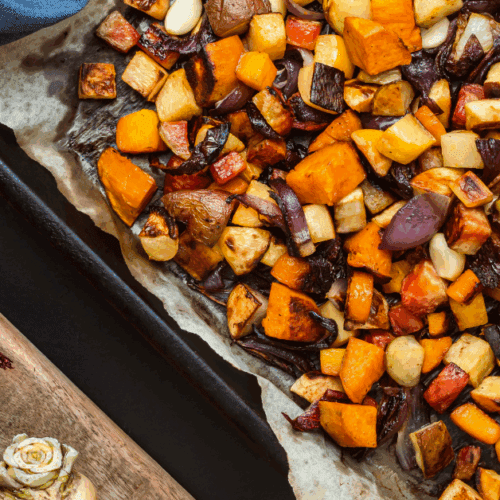
🥕🍠 Classic Roasted Root Vegetables Recipe
Ingredients
- 2 medium carrots peeled and cut into 1-inch pieces
- 2 parsnips peeled and cut into 1-inch pieces
- 2 medium sweet potatoes peeled and cubed
- 1 medium beet peeled and cubed (optional, for color and earthiness)
- 1 small red onion cut into wedges
- 3 tablespoons olive oil
- 1 tablespoon fresh rosemary chopped (or 1 teaspoon dried)
- 1 tablespoon fresh thyme leaves or 1 teaspoon dried
- 3 garlic cloves minced
- 1 teaspoon sea salt
- ½ teaspoon black pepper
- 1 tablespoon balsamic vinegar optional, for finishing
Instructions
- Step 1: Preheat the oven
- Set your oven to 400°F (200°C). Line a large baking sheet with parchment paper for easy cleanup.
- Step 2: Prepare the vegetables
- Peel and chop all the root vegetables into evenly sized pieces (about 1 inch thick). Keeping the pieces uniform helps them roast evenly.
- Step 3: Season the vegetables
- In a large mixing bowl, toss the carrots, parsnips, sweet potatoes, beets, and onion with olive oil, rosemary, thyme, garlic, salt, and pepper. Make sure every piece is lightly coated in seasoning.
- Step 4: Roast to perfection
- Spread the vegetables evenly in a single layer on the prepared baking sheet. Roast for 35–45 minutes, flipping halfway through, until the vegetables are tender inside and caramelized on the edges.
- Step 5: Finish and serve
- If desired, drizzle with balsamic vinegar before serving for extra depth of flavor. Serve hot as a side dish for roasted meats, poultry, or as a hearty vegetarian centerpiece.
FAQ: Origin of Roasted Root Vegetables for Fall
1. What are root vegetables?
Root vegetables are edible plants that grow underground, such as carrots, beets, parsnips, turnips, sweet potatoes, and radishes. They have been staples in human diets for thousands of years.
2. When did people first start roasting root vegetables?
The practice of roasting root vegetables likely dates back to ancient civilizations when open-fire cooking was common. Archaeological evidence suggests root vegetables were roasted as early as 10,000 years ago.
3. Why are roasted root vegetables associated with fall?
Root vegetables are harvested in late summer and fall. Roasting them during this season became a tradition because they symbolized the bounty of the harvest and could be stored for winter meals.
4. Which cultures are most famous for roasting root vegetables?
European and American cuisines are particularly famous for roasted root vegetables, but Asian, African, Middle Eastern, and South American cultures all feature unique roasted root traditions.
5. Are roasted root vegetables healthy?
Yes! They are rich in fiber, vitamins, minerals, and antioxidants. Roasting enhances flavor without sacrificing nutrition, making them both delicious and nourishing.
6. Why are roasted root vegetables popular in modern cooking?
Their versatility, health benefits, and connection to seasonal eating make roasted root vegetables a modern favorite. They adapt easily to vegan, vegetarian, and gluten-free diets.

The Timeless Appeal of Roasted Root Vegetables for Fall
The history and origin of roasted root vegetables is deeply intertwined with human survival, seasonal harvests, and culinary innovation. From ancient fire pits to modern farm-to-table dining, roasted root vegetables have endured as a staple of autumn cooking. They carry with them a legacy of tradition, a celebration of abundance, and a promise of warmth during the colder months.
Today, as we roast carrots, potatoes, beets, or parsnips in our ovens, we are not only preparing a delicious fall dish but also participating in a culinary tradition that spans thousands of years and crosses countless cultures. Their enduring popularity proves that roasted root vegetables are more than just a seasonal side—they are a testament to the comfort, nourishment, and joy that food can bring.
If you enjoyed exploring this topic and want to dive even deeper, be sure to check out some of our other articles here on Infinite Flavors. From rich culinary histories to creative twists on classic recipes, there’s always something new to discover. Whether you’re curious about the origins of a dish, looking for fresh inspiration in the kitchen, or simply love learning about food culture, our collection of posts is the perfect next step on your flavor journey.
The Rich History And Origins Of Sweet Potato Pie
Great Reasons To Opt For Slow Cooking This Thanksgiving
History And How To Make Canning Green Beans