The Great Perfect Pairings: Ethiopian Food And Coffee Delights
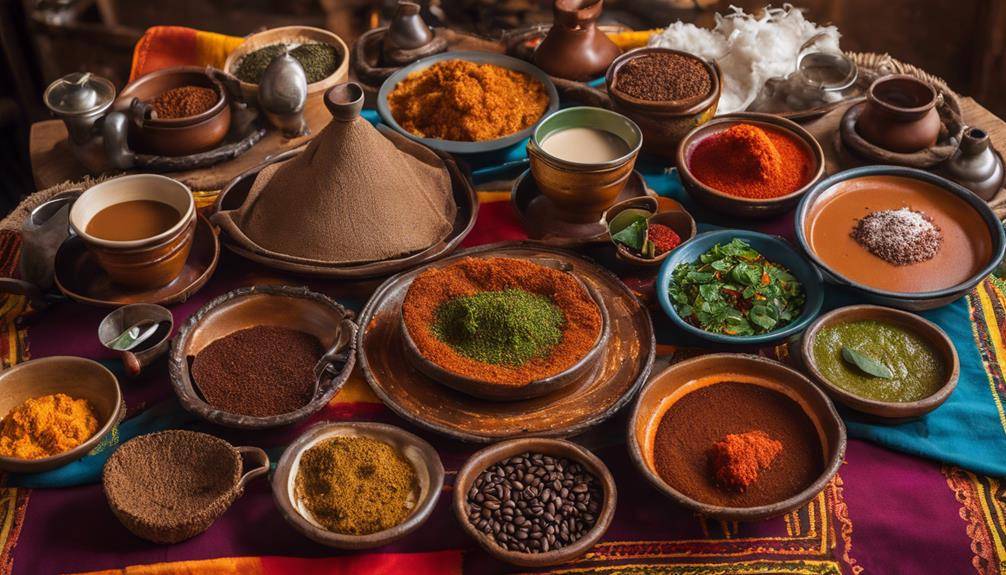
Ethiopian Food And Coffee Delights; Ethiopian food and coffee are a match made in culinary heaven. You’ll find that the acidity in Ethiopian coffee beautifully balances the richness of iconic dishes like injera with doro wat and spicy shiro. Pairing coffee with crispy sambusas adds a delightful texture contrast. When you enjoy a coffee ceremony, rich flavors emerge from the freshly roasted beans, enhancing your meal experience. The vibrant spices in Ethiopian cuisine, like berbere, further elevate this pairing. With the right combinations, your taste buds will dance in harmony. There’s so much more to discover about these delightful pairings and their cultural significance.
The History of Ethiopian Coffee
Ethiopian coffee has a rich history that dates back centuries, intertwining with the culture and traditions of the region. You might be surprised to learn that the coffee origins trace back to the Ethiopian highlands, where legend has it that a goat herder named Kaldi discovered the stimulating effects of coffee beans. This serendipitous find led to the rise of coffee rituals that became essential to Ethiopian life.
As you explore the various coffee regions, such as Sidamo and Yirgacheffe, you’ll discover unique coffee varieties, each with distinct flavors and aromas. The cultivation of these beans involves traditional methods passed down through generations, highlighting the importance of coffee within Ethiopian heritage. Farmers take pride in their craft, often engaging in meticulous coffee processing techniques that enhance the quality of their beans.
Coffee trade has played a crucial role in Ethiopia’s economy, benefiting both local farmers and the nation as a whole. You’ll find that coffee ceremonies are an essential part of Ethiopian hospitality, where friends and family gather to enjoy freshly brewed coffee. During these ceremonies, the beans are roasted, ground, and brewed right before your eyes, creating a sensory experience that celebrates both connection and culture.
Ethiopian coffee’s significance goes beyond mere consumption; it represents a deep-rooted heritage that connects the past with the present. By appreciating this rich history, you can better understand how Ethiopian coffee continues to thrive and captivate coffee lovers around the globe.
Key Ingredients in Ethiopian Cuisine
When you think about Ethiopian cuisine, the vibrant spices and unique flavor profiles probably come to mind first. Essential grains and legumes form the backbone of many dishes, creating hearty and satisfying meals. Let’s explore these key ingredients that make Ethiopian food so special.
Spices and Flavor Profiles
A vibrant tapestry of spices defines the flavor profiles in Ethiopian cuisine, transforming simple ingredients into extraordinary dishes. The foundation of these flavors often lies in traditional spice blends like berbere and mitmita. Originating from a variety of regions, these spices reflect Ethiopia’s rich agricultural diversity and cultural heritage. When you investigate the spice origins, you’ll discover a mix of chili peppers, garlic, ginger, and various herbs, all harmonizing to create a unique taste experience.
Achieving the perfect flavor balance is essential in Ethiopian cooking. Each spice plays a vital role, enhancing the dish without overwhelming it. The warmth of berbere, with its complex heat and aromatic notes, complements the earthiness of lentils and vegetables beautifully. Similarly, mitmita adds a fiery kick to grilled meats, making it a favorite for those who enjoy a bit of spice.
As you explore Ethiopian cuisine, you’ll find that these spices not only elevate the dishes but also tell a story of tradition and community. Embrace the flavors, and you’ll appreciate the artistry that goes into every meal.
Essential Grains and Legumes
Rich and varied grains and legumes form the backbone of Ethiopian cuisine, complementing the vibrant spices that define its dishes. One of the star players is teff, an ancient grain celebrated for its impressive nutrition. Teff is rich in protein, fiber, and essential minerals, making it a fantastic choice for health-conscious eaters. You’ll find it as the base for injera, the traditional flatbread that’s a staple on every Ethiopian table.
Lentils also play a vital role, with numerous lentil varieties offering diverse textures and flavors. These legumes are not just delicious; they’re excellent protein sources and contribute greatly to legume health. Proper grain storage is essential to maintain their quality, ensuring that you can enjoy your favorite dishes year-round.
When it comes to cooking, there’s no shortage of legume recipes. From spicy lentil stews to wholesome grain bowls, the combinations are endless. Understanding grain cultivation and the importance of these ingredients will deepen your appreciation of Ethiopian cuisine. So, the next time you savor a dish, remember that these essential grains and legumes are the heart of every meal.
Traditional Ethiopian Dishes
When you think of traditional Ethiopian dishes, iconic foods like injera and doro come to mind. You’ll also discover flavorful tibs varieties that excite your taste buds, along with spicy shiro and the rich depth of berbere seasoning. Each dish tells a story and invites you to experience the vibrant culture of Ethiopia.
Iconic Injera and Doro
Ethiopia’s culinary landscape features two iconic dishes that are essential to its cultural identity: injera and doro. Injera, a sourdough flatbread made from teff flour, boasts unique injera textures that range from soft and spongy to slightly chewy. It serves as the perfect base for various Ethiopian dishes, allowing you to scoop up flavorful stews, salads, and vegetables.
Doro, or doro wat, is a rich chicken stew that often steals the show at Ethiopian meals. The key to its mouthwatering appeal lies in the doro marinades, which typically include a mix of berbere spice, garlic, and ginger, creating a dish that’s both aromatic and savory. When you combine the tender chicken with the spicy sauce, you experience a burst of flavors that’s hard to resist.
Together, injera and doro create a perfect marriage of textures and tastes. You can tear off a piece of injera, scoop up the doro, and enjoy a culinary experience that embodies Ethiopia’s rich traditions. This pairing not only nourishes the body but also connects you to the heart of Ethiopian culture.
Flavorful Tibs Varieties
Tibs, a beloved staple in Ethiopian cuisine, showcases a variety of flavorful preparations that cater to diverse palates. You’ll discover numerous tibs variations, each featuring marinated meats like lamb, beef, or goat, infused with aromatic spice marinades. The cooking methods typically involve grilling techniques that enhance the natural flavors of the meat, creating a smoky, savory experience.
As you explore tibs, you’ll notice regional differences that influence the dish. For example, in some areas, cooks might add local vegetables or herbs to elevate the flavors, while others emphasize a more straightforward approach with spices. Serving styles also vary; you might enjoy tibs served sizzling hot on a platter, accompanied by injera or rice, allowing you to scoop up the tender morsels.
Flavor enhancements come into play as well, with chefs incorporating ingredients like garlic, onions, and green peppers to create a harmonious balance. Whether you prefer your tibs mild or spicy, the options are endless. Embrace the delightful world of tibs, and you’ll find a dish that reflects the heart and soul of Ethiopian culture.
Spicy Shiro and Berbere
Spicy shiro, a rich and flavorful stew, is a must-try in Ethiopian cuisine. Made primarily from ground chickpeas or lentils, this dish showcases shiro variations that can include additional ingredients like vegetables or spices. It’s an affordable and hearty meal that perfectly embodies the essence of Ethiopian cooking.
One of the key components that elevate spicy shiro is berbere, a vibrant spice blend filled with chili peppers, garlic, ginger, and other aromatic spices. The berbere uses in shiro not only enhance its flavor but also bring a delightful heat that warms the soul. When you savor this dish, you’ll notice how the spices mingle, creating a depth that’s both satisfying and comforting.
Pair your spicy shiro with injera, a traditional sourdough flatbread, to truly experience the Ethiopian dining culture. The injera serves as a wonderful vessel for scooping up the stew, making every bite a joyful adventure. Whether you’re enjoying it at a local Ethiopian restaurant or cooking it at home, spicy shiro with berbere is sure to become a favorite in your culinary repertoire. Don’t miss out on this unforgettable dish!
Coffee Preparation Methods
There are several unique coffee preparation methods that showcase Ethiopia’s rich coffee culture. When you experience these techniques firsthand, you’ll gain a deeper appreciation for the tradition behind every cup. One of the most iconic methods is the traditional Ethiopian coffee ceremony, a ritual that celebrates coffee as a communal experience. You gather with family and friends, and the ceremony unfolds in a series of steps.
First, the green coffee beans are roasted in a pan over an open flame, releasing a delightful aroma that fills the air. You might even get to participate in this process, watching as the beans turn from green to a rich, dark brown. After roasting, the beans are ground using a mortar and pestle, which adds to the sensory experience.
Next comes the brewing, often done in a special vessel called a jebena. This elegant clay pot allows you to steep the coffee while infusing it with flavors. As the coffee brews, you might notice the bubbling sound and the fragrant steam rising, drawing everyone closer. Once ready, the coffee is poured into small cups, often with sugar or spices added, enhancing the flavors.
These brewing techniques are more than just methods; they’re a crucial part of Ethiopian culture. Engaging in these coffee rituals creates a sense of community, making each sip a celebration of togetherness and heritage. So, when you enjoy Ethiopian coffee, remember the rich tradition that accompanies it.
Flavor Profiles of Ethiopian Coffee
After experiencing the rich traditions of the Ethiopian coffee ceremony, you can truly appreciate the diverse flavor profiles that Ethiopian coffee offers. Each cup tells a story, shaped by various coffee regions, like Sidamo, Yirgacheffe, and Harrar, each contributing unique flavor notes. When you explore coffee tasting, you’ll discover an array of aroma profiles, from fruity and floral to earthy and spicy.
The roasting techniques play an essential role in developing these flavors. Light roasts often highlight the inherent acidity and brightness, showcasing notes of citrus or jasmine, while darker roasts can bring out chocolatey and nutty undertones. Your choice of brewing methods, whether it’s traditional or modern, can also impact the final taste. Methods like pour-over and French press allow you to explore different taste variations, emphasizing distinct characteristics of each bean.
Cupping sessions provide another exciting way to experience Ethiopian coffee. Through systematic tasting, you can identify specific flavor notes and caffeine levels, helping you understand how different beans interact. Specialty blends often combine various regional beans, creating a harmonious balance that elevates the overall experience.
As you savor each sip, notice how the complexity of Ethiopian coffee transforms your perception. The vibrant flavors and rich aromas invite you to explore and appreciate the artistry behind every cup, making Ethiopian coffee not just a drink, but a delightful journey through one of the world’s most celebrated coffee cultures.
Pairing Dishes With Coffee
Ethiopian coffee’s vibrant flavors can elevate your dining experience when paired thoughtfully with various dishes. The right coffee can enhance the flavors of your meal, creating a delightful harmony that excites your palate. When considering dish compatibility, think about the tasting notes of your chosen Ethiopian coffee. A fruity coffee with berry notes pairs beautifully with a lightly spiced salad, while a bold, earthy brew complements heartier dishes like doro wat or lentil stew.
As you explore the sensory experience of your meal, pay attention to how the coffee aroma interacts with the dish. The rich scents can elevate your appetite and enhance the overall dining atmosphere. You’ll want to strike a balance; the coffee shouldn’t overpower the dish, nor should the meal overshadow the coffee. Aim for a meal harmony that brings out the best in both.
For example, if you’re enjoying a spicy tibs dish, a coffee with a balanced acidity and a hint of chocolate can provide a satisfying contrast, allowing the flavors to shine. On the other hand, a sweet pastry can be paired with a coffee that has delicate floral notes, creating a pleasant palate balance that lingers.
Ultimately, pairing Ethiopian coffee with your dishes is about exploring and enjoying the unique flavors each brings to the table. By being intentional with your choices, you’ll create a memorable dining experience that highlights the beauty of Ethiopian cuisine and coffee.
Exploring Ethiopian Spices
When you think of Ethiopian cuisine, the rich and vibrant spices are essential to its unique flavor. You’ll discover key spices like berbere and mitmita, each adding a distinctive kick to dishes. Plus, learning about spice blending techniques will elevate your cooking and help you create authentic Ethiopian meals at home.
Key Ethiopian Spices
Many people don’t realize how integral spices are to Ethiopian cuisine, bringing vibrant flavors and aromas to each dish. One of the most famous Ethiopian spice blends is berbere, a fiery mix of chili peppers, garlic, ginger, and various other spices. It adds warmth and depth to stews and meats, making every bite an unforgettable experience. Another essential blend is mitmita, which is often used as a seasoning for raw dishes and offers a spicy kick.
The health benefits of these spices are impressive, too. For instance, turmeric, found in many Ethiopian dishes, is known for its anti-inflammatory properties. Likewise, garlic, a common ingredient, supports heart health and boosts the immune system. Incorporating these spices into your meals not only elevates the flavor but also contributes to overall well-being.
Exploring the unique flavors of Ethiopian spices can transform your cooking and dining experience. So, whether you’re preparing a traditional dish or experimenting with your own recipes, don’t shy away from using these aromatic blends. You’ll not only delight your taste buds but also enjoy the numerous health benefits they offer.
Spice Blending Techniques
A variety of spice blending techniques can elevate your Ethiopian cooking to new heights. Understanding spice origins is key to crafting authentic flavors. For instance, berbere, a staple blend, combines chili peppers, garlic, and a mix of spices that vary by region. When experimenting, pay attention to blending ratios; a balanced mix guarantees that no single flavor overwhelms the dish.
Regional variations in spice blends reflect local ingredients and culinary traditions. Don’t hesitate to adapt traditional methods to suit your taste. You might explore flavor balancing by adjusting the heat level with sweet or tangy elements, enhancing the overall dish.
Preparation techniques, such as toasting spices before blending, can reveal aromatic profiles that enrich your meals. Try using mortar and pestle for a more hands-on approach, as this can intensify flavors.
Consider culinary applications for your spice blends—whether it’s marinating meats, seasoning vegetables, or enhancing stews. As you experiment with these techniques, you’ll discover the vibrant world of Ethiopian spices and how they transform simple ingredients into unforgettable dishes.
Cultural Significance of Coffee
Ethiopia’s coffee culture often plays a central role in social gatherings and daily life, reflecting deep-rooted traditions and communal values. When you participate in a traditional coffee ceremony, you’re not just enjoying a beverage; you’re engaging in a rich tapestry of cultural rituals that span generations. This ceremony often unfolds in homes, where family and friends come together, showcasing the importance of social gatherings in Ethiopian life.
The historical traditions surrounding coffee trace back centuries, rooted in agricultural practices that highlight Ethiopia as the birthplace of coffee. Each region boasts its own unique methods of cultivation and preparation, leading to fascinating regional variations that enhance the overall experience. You might find yourself savoring different flavors and aromas that tell stories of their origins.
Coffee also holds spiritual significance in Ethiopian culture. It acts as a medium for connection, where storytelling significance comes alive. As you sip your coffee, you’ll likely hear tales passed down through the ages, enriching your understanding of the community’s history and values. The communal experiences during these ceremonies foster a sense of belonging and solidarity.
In essence, Ethiopia’s coffee culture is much more than a simple drink; it’s an embodiment of identity, relationships, and shared moments. So, when you indulge in a cup of Ethiopian coffee, remember that you’re partaking in a vibrant cultural narrative that celebrates life, connection, and tradition.
Suggested Pairing Combinations
When it comes to enjoying Ethiopian coffee, the right food pairings can elevate the experience to new heights. Imagine sipping on a rich, aromatic cup of coffee while savoring traditional dishes that complement its tasting notes. To truly embrace Ethiopian traditions, consider serving your coffee alongside injera topped with spicy doro wat. The tangy flavor of injera balances the robust coffee, creating a delightful flavor harmony.
For a lighter pairing, try coffee with sambusas, flaky pastries filled with lentils or spiced meat. Their crispy texture and savory filling enhance the sensory experiences of your coffee ritual. If you’re celebrating a festive occasion, serve your coffee with a platter of fresh fruit, like bananas or papayas. The sweetness of the fruit contrasts beautifully with the coffee, making each sip even more enjoyable.
Culinary creativity plays an essential role in Ethiopian dining customs. Experiment with different cultural pairings, such as pairing your coffee with a slice of honey cake. The sweetness of the cake brings out the coffee’s deeper flavors, creating a memorable moment.
When presenting your meal, consider traditional Ethiopian meal presentations, where communal sharing enhances the experience. Remember, the goal is to create an environment where each element complements the other. So, whether you’re hosting a gathering or enjoying a quiet moment, these suggested pairings will certainly enhance your coffee rituals and leave a lasting impression.
Tips for Serving Coffee and Food
Serving coffee and food together can transform your gathering into a memorable experience. To make the most of this delightful pairing, you’ll want to pay attention to both coffee serving techniques and food presentation tips.
First, consider the order of service. Start with the food, allowing guests to enjoy their meal before introducing the coffee. This approach not only enhances the flavors but also creates anticipation. When you’re ready to serve coffee, opt for traditional Ethiopian coffee serving techniques. Present the coffee in a beautifully crafted jebena (coffee pot) and pour it into small cups, allowing guests to appreciate the aroma before taking a sip.
Next, focus on food presentation. Arrange your Ethiopian dishes on a large communal platter, featuring colorful vegetables, spiced meats, and injera. Use vibrant garnishes like fresh herbs or edible flowers to add a touch of elegance. This communal style encourages sharing, enhancing the social aspect of your gathering.
Remember to pair your coffee with appropriate snacks or desserts. Consider serving traditional sweets like baklava or dabo kolo (Ethiopian popcorn) to complement the rich coffee flavors.
Lastly, create a cozy atmosphere with appropriate lighting and comfortable seating. Soft music can also enhance the experience. By combining these coffee serving techniques and food presentation tips, you’ll make sure your gathering is not only delicious but also visually appealing and inviting. Enjoy the process and watch your guests savor every moment!
Frequently Asked Questions: Ethiopian Food And Coffee Delights
What Are the Health Benefits of Ethiopian Coffee?
Ethiopian coffee’s high caffeine content boosts energy and alertness, while its antioxidant properties help reduce inflammation and protect your cells. Enjoying a cup can enhance your overall health and provide a delicious daily ritual.
Can I Find Ethiopian Coffee Outside of Ethiopia?
Yes, you can definitely find Ethiopian coffee varieties outside of Ethiopia. Many specialty shops and online retailers offer them. Experiment with various coffee brewing methods to enjoy the unique flavors these beans provide.
How Do I Store Ethiopian Coffee for Freshness?
To keep your Ethiopian coffee fresh, use airtight containers and store them in a cool, dark place. Avoid sunlight and humidity, and grind just before brewing. These coffee storage freshness tips will enhance your coffee experience.
Are There Vegan Options in Traditional Ethiopian Cuisine?
Yes, you’ll find plenty of vegan options in traditional Ethiopian cuisine. Enjoy dishes seasoned with Ethiopian spices, and don’t miss out on vegan injera, a delicious flatbread that perfectly complements various stews and salads.
What Utensils Are Typically Used for Serving Ethiopian Food?
When enjoying Ethiopian food, you’ll typically find traditional serving utensils like Ethiopian platters. These communal dishes encourage sharing, allowing you to scoop up flavorful stews and injera with your hands, enhancing the dining experience.

Conclusion
In Ethiopian culture, food and coffee aren’t just meals; they’re experiences filled with rich history and vibrant flavors. By exploring the unique pairings of traditional dishes and the exquisite notes of Ethiopian coffee, you’ll elevate your dining experience. Embrace the aromatic spices, savor the bold flavors, and enjoy the communal spirit of sharing a cup with friends and family. So go ahead, try your hand at these pairings, and discover the delightful harmony they create together!
If you enjoyed exploring this topic and want to dive even deeper, be sure to check out some of our other articles here on Infinite Flavors. From rich culinary histories to creative twists on classic recipes, there’s always something new to discover. Whether you’re curious about the origins of a dish, looking for fresh inspiration in the kitchen, or simply love learning about food culture, our collection of posts is the perfect next step on your flavor journey.
3 Best Ethiopian Dishes Unveiling Unique Flavors
The Fascinating Link Between Ethiopian Food And Coffee
The 9 Best Ethiopian Food Celebrations And Cuisines