The Great Caprese Salad A Classic Italian Masterpiece
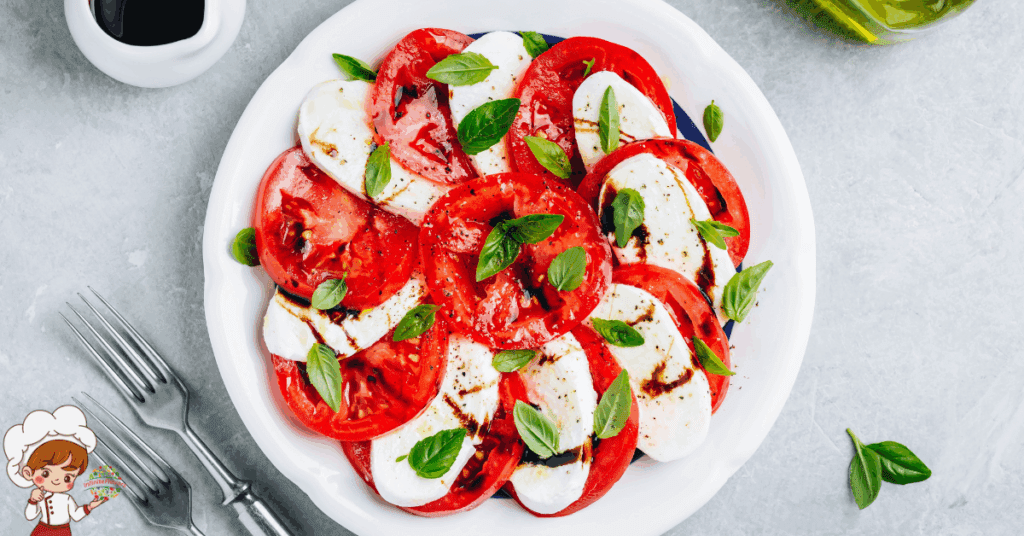
Caprese Salad A Classic Italian Masterpiece; Few dishes embody the spirit of Italy as beautifully as Caprese Salad. With its vibrant layers of ripe tomatoes, creamy mozzarella, and fragrant basil leaves, drizzled in olive oil, this dish is a masterpiece of simplicity. Yet behind its elegance lies a rich story of culture, patriotism, and culinary evolution. This blog explores the history and origin of Caprese Salad, how it became a global favorite, and why it remains a timeless example of Italian cuisine’s devotion to fresh, local ingredients.
The Origin of Caprese Salad: A Tribute to Italy
The Caprese Salad, or Insalata Caprese in Italian, was born on the island of Capri, just off the coast of southern Italy near Naples. The name itself means “salad of Capri,” reflecting its place of origin. Capri has long been a playground for artists, poets, and culinary enthusiasts drawn to its breathtaking beauty and fresh Mediterranean flavors. It’s believed that the salad was first created in the early 20th century as a tribute to the colors of the Italian flag — red (tomatoes), white (mozzarella), and green (basil).
The patriotic symbolism of Caprese Salad cannot be understated. Post–World War I Italy was filled with a renewed sense of national pride. Locals celebrated Italian identity through art, fashion, and food. The Caprese Salad became a culinary representation of this spirit — a dish that was simple yet elegant, wholesome yet refined, and unmistakably Italian.
The Rise of Caprese Salad in Italian Cuisine
Although the ingredients themselves — tomatoes, cheese, and basil — had long existed in Italian cooking, their combination in a fresh, uncooked salad was a relatively modern innovation. Early Italian cookbooks rarely mentioned raw tomato dishes, as tomatoes were once viewed with suspicion after their introduction from the Americas in the 16th century. Over time, however, southern Italians embraced them, and tomatoes became a cornerstone of Neapolitan and Mediterranean cuisine.
By the 1920s, Caprese Salad began appearing on menus in luxury hotels and restaurants along the Amalfi Coast. It appealed to travelers seeking a taste of authentic Italian simplicity. Chefs realized that this salad didn’t need embellishment — just high-quality ingredients. It epitomized the Italian culinary philosophy of la cucina povera, meaning “the poor kitchen,” where the focus was on making the most of simple, fresh foods.
Caprese Salad and the Birth of the Mediterranean Diet
In many ways, Caprese Salad helped introduce the world to what would later be recognized as the Mediterranean Diet. Centered on fresh vegetables, olive oil, and minimal processing, this style of eating became synonymous with health and longevity. Caprese Salad’s balance of flavors — sweet tomatoes, creamy mozzarella, earthy basil, and peppery olive oil — represents the ideal harmony of taste and nutrition.
As American and European travelers discovered Capri’s cuisine in the mid-20th century, they brought the idea of fresh, balanced meals home with them. By the 1970s, the Caprese Salad had become a fixture in international restaurants, celebrated for its beauty, health benefits, and simplicity.
The Evolution of Mozzarella in Caprese Salad
One of the key elements of Caprese Salad is mozzarella, and its evolution plays a major role in the dish’s history. The earliest versions of the salad likely used mozzarella di bufala, made from the milk of water buffalo raised in the Campania region near Naples. This cheese is prized for its soft texture, tangy flavor, and rich creaminess.
As Caprese Salad spread globally, many adaptations began using fior di latte, a cow’s milk mozzarella, which is easier to produce and more widely available. Both variations remain popular today. However, purists argue that authentic Caprese Salad must use buffalo mozzarella and sun-ripened Italian tomatoes for the true flavor experience.
The Symbolism Behind the Colors of Caprese Salad
Beyond its taste, Caprese Salad carries symbolic meaning that resonates with Italians and food lovers around the world. The red, white, and green ingredients mirror the Italian flag, serving as an edible emblem of national pride. Each color also holds deeper culinary significance:
- Red symbolizes passion and vitality — the essence of ripe tomatoes grown under the Mediterranean sun.
- White represents purity and simplicity — embodied in the soft mozzarella cheese.
- Green reflects renewal and growth — captured in the vibrant basil leaves.
Together, these colors and flavors blend into a celebration of Italian identity, agriculture, and craftsmanship. Every bite tells a story that stretches from the fertile fields of Campania to family tables around the world.
How Caprese Salad Became a Global Icon
The international fame of Caprese Salad grew rapidly after World War II, as global travel and tourism expanded. The island of Capri became a fashionable destination for celebrities and aristocrats — from Jacqueline Kennedy to Brigitte Bardot. Photos of glamorous visitors dining on sunlit terraces with plates of Caprese Salad helped popularize the dish far beyond Italy.
By the 1980s and 1990s, Caprese Salad appeared on restaurant menus from New York to Tokyo. Chefs adapted it with new twists — adding balsamic glaze, avocado, or even grilled ingredients — but the essence remained the same: fresh simplicity. It became a symbol of “healthy indulgence,” offering flavor without heaviness.
The Flavor Science Behind Caprese Salad
One reason Caprese Salad has stood the test of time lies in its flavor chemistry. The combination of sweet-acidic tomatoes, creamy-fatty cheese, and aromatic basil creates a perfect umami balance. Olive oil acts as a carrier for the fat-soluble compounds in basil and tomato, intensifying their aroma. This natural synergy explains why the dish feels both refreshing and deeply satisfying — it’s scientifically harmonious.
Modern chefs and food scientists often cite Caprese Salad as an example of flavor pairing perfection — where each component enhances the others. The salt from the mozzarella balances the tomato’s acidity, while basil’s essential oils lift the entire dish with bright, peppery notes.
The Cultural Importance of Caprese Salad Today
Today, Caprese Salad has evolved into more than just a dish — it’s a cultural statement. It represents mindfulness in cooking, the appreciation of local ingredients, and respect for simplicity. In a world dominated by fast food and processed ingredients, Caprese Salad stands as a reminder that culinary excellence doesn’t require complexity.
The dish continues to inspire chefs around the globe, who reinterpret it in new forms: Caprese skewers for parties, Caprese paninis for lunches, or even warm Caprese pastas. Yet, the classic version remains unmatched for its freshness and authenticity.
Caprese Salad in Modern Food Trends
In the age of social media and visual dining, Caprese Salad has also found new life as a trending food icon. Its striking color contrast makes it one of the most photogenic dishes in the world. On platforms like Instagram and Pinterest, hashtags such as #CapreseSalad, #ItalianCuisine, and #MediterraneanEats continue to trend among food lovers and home cooks.
Its adaptability fits perfectly with current trends toward clean eating, farm-to-table dining, and plant-forward meals. The Caprese’s short ingredient list and natural composition make it a star in vegan and vegetarian variations as well.
Why Caprese Salad Endures as a Timeless Classic
At its heart, Caprese Salad embodies what makes Italian cuisine eternal — simplicity, freshness, and a deep connection to land and tradition. It’s a dish that can be prepared in minutes yet carries generations of history and artistry in every bite. Whether enjoyed in a seaside café in Capri or in a home kitchen halfway across the world, it invites you to slow down and savor the beauty of pure ingredients.
More than a salad, it’s a reminder that good food doesn’t have to be complicated. It just has to be real.
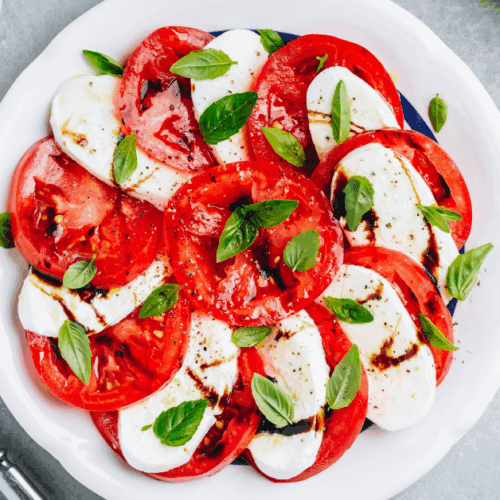
Caprese Salad
Ingredients
- 2 large tomatoes sliced
- – 8 oz fresh mozzarella sliced
- – Fresh basil leaves
- – 2 tbsp olive oil
- – Balsamic vinegar
- – Salt and pepper
Instructions
- Layer tomato and mozzarella slices on a plate.
- Tuck basil leaves in between.
- Drizzle with olive oil and balsamic vinegar, then season with salt and pepper.
Frequently Asked Questions: Caprese Salad A Classic Italian Masterpiece
1. Where was Caprese Salad first created?
Caprese Salad originated on the island of Capri, Italy, in the early 20th century. It was inspired by the colors of the Italian flag and the island’s fresh, local ingredients.
2. Why is it called Caprese Salad?
The name “Caprese” means “of Capri.” It pays tribute to the island where the dish was first made and where it gained popularity among locals and travelers alike.
3. What kind of mozzarella is best for Caprese Salad?
Traditionally, Caprese Salad is made with mozzarella di bufala (buffalo mozzarella) from the Campania region. However, fior di latte (cow’s milk mozzarella) is also commonly used.
4. Can you make Caprese Salad ahead of time?
It’s best served fresh to preserve the texture and flavor of the tomatoes and cheese. However, ingredients can be prepped ahead and assembled just before serving.
5. Why does Caprese Salad represent Italian cuisine so well?
Because it highlights Italy’s culinary philosophy — fresh, local, seasonal ingredients prepared simply to let their natural flavors shine.
6. Is Caprese Salad healthy?
Yes, Caprese Salad is rich in nutrients and fits perfectly within the Mediterranean Diet. It’s a good source of calcium, antioxidants, and healthy fats from olive oil.
7. How has Caprese Salad changed over time?
While the original was minimalist, modern variations sometimes include balsamic glaze, avocado, arugula, or even roasted vegetables — though purists prefer the traditional trio.

Conclusion: The Enduring Legacy of Caprese Salad
The Caprese Salad remains one of Italy’s most beloved culinary exports, embodying everything that makes Mediterranean food extraordinary — freshness, balance, and soul. Its origins on the island of Capri link it to the heart of Italian tradition, while its universal appeal has made it a modern classic worldwide.
From its humble beginnings as a patriotic tribute to the Italian flag to its status as an icon of healthy, elegant eating, the Caprese Salad tells a story of beauty in simplicity. It’s a reminder that the best meals often come from the heart — and from ingredients grown with love.
If you enjoyed exploring this topic and want to dive even deeper, be sure to check out some of our other articles here on Infinite Flavors. From rich culinary histories to creative twists on classic recipes, there’s always something new to discover. Whether you’re curious about the origins of a dish, looking for fresh inspiration in the kitchen, or simply love learning about food culture, our collection of posts is the perfect next step on your flavor journey.
The Exciting Story Behind Honey Garlic Chicken
A Comfort Food With Deep Roots Amazing Ham And Pea Pasta
The Great Origin Of Ham And Pineapple Skewers