The History and Origin of Easy Vegetable Stir-Fry
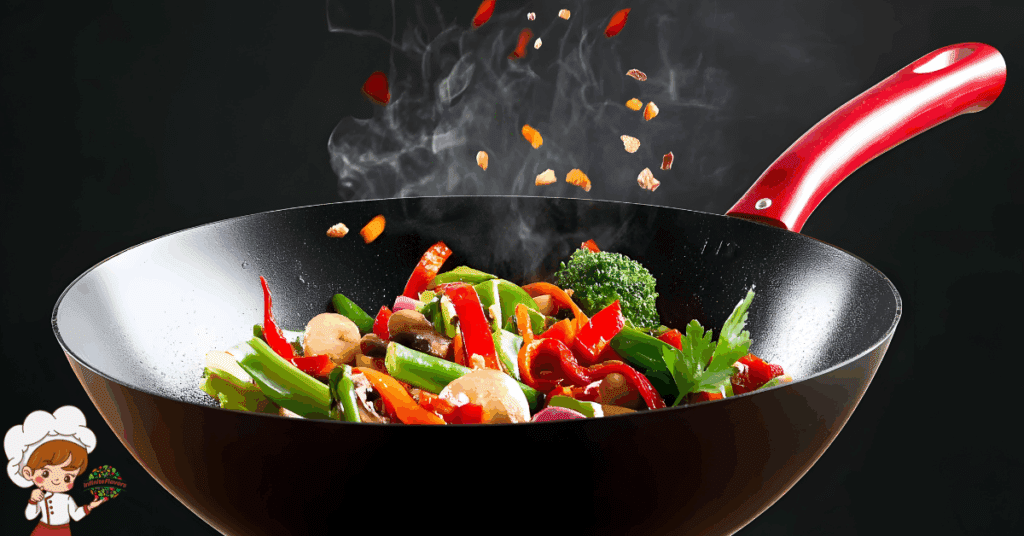
History and Origin of Easy Vegetable Stir-Fry; The easy vegetable stir-fry is a timeless dish celebrated for its simplicity, speed, and vibrant combination of flavors and textures. It’s a meal that turns fresh vegetables into a delicious, colorful medley — often cooked in minutes and enjoyed around the world. Whether served with rice, noodles, or on its own, vegetable stir-fry remains a favorite for home cooks seeking a healthy, satisfying meal that’s as versatile as it is delicious. But the story behind this dish reaches back centuries, tracing its origins to ancient Chinese cooking techniques and its evolution into a global comfort food.
Understanding the history of the vegetable stir-fry offers more than just culinary appreciation — it provides a window into how food traditions, migration, and cultural fusion have shaped modern cooking. From the hot woks of Imperial China to the bustling kitchens of Western households, this dish embodies adaptability, flavor, and nourishment all in one pan.
The Ancient Origins of Stir-Frying in Chinese Cuisine
The stir-fry method has deep roots in Chinese cooking, dating back over 2,000 years to the Han dynasty. Ancient Chinese cooks used bronze woks over open fires to sear meats and vegetables quickly, a method that helped preserve both flavor and nutrition. This technique, known as chao, emphasized high heat and rapid movement — elements that remain essential to stir-frying today.
Originally, stir-frying wasn’t a common daily cooking method. It was used primarily by the wealthy or for special occasions, as the fuel needed to maintain a high flame was expensive. However, as wok technology improved and the availability of oil increased during the Ming dynasty, stir-frying became more accessible to the general population. The wok’s design — with its curved bottom and wide rim — allowed food to be cooked evenly with minimal oil, making it an efficient and flavorful way to prepare meals.
As time passed, the Chinese began to incorporate more vegetables into their stir-fried dishes. Regional variations emerged, from the bold flavors of Sichuan cuisine to the lighter, more delicate tastes of Cantonese cooking. The versatility of stir-frying made it an ideal method for using seasonal ingredients, minimizing waste, and feeding large families quickly.
The Spread of Stir-Frying Beyond China
The art of stir-frying spread beyond China through trade, migration, and cultural exchange. As Chinese communities established themselves across Asia — in Thailand, Indonesia, Japan, and beyond — they brought their culinary traditions with them. Each culture adapted the technique to its own local ingredients and flavor preferences.
In Japan, stir-frying became part of teppanyaki cooking, where vegetables and meats are grilled or stir-fried on an iron griddle. In Thailand, stir-frying evolved into dishes like Pad Pak Ruam, a mixed vegetable stir-fry infused with garlic, fish sauce, and chili. Across Southeast Asia, soy sauce, sesame oil, and rice vinegar became essential condiments, contributing to the unique regional identities of stir-fried dishes.
When Chinese immigrants arrived in America during the 19th century, they introduced stir-frying to Western kitchens. It was a revelation for many American home cooks — a way to prepare meals quickly without sacrificing flavor or nutrition. The growing popularity of Chinese-American restaurants in the mid-20th century helped solidify stir-frying as a mainstream cooking method, eventually inspiring the creation of the easy vegetable stir-fry we know today.
The Evolution of the Easy Vegetable Stir-Fry in Western Kitchens
In the 1960s and 1970s, as Western interest in international cuisines grew, stir-frying became synonymous with modern, healthy cooking. Cookbooks began featuring “easy stir-fry” recipes that promised quick, one-pan meals ideal for busy lifestyles. This was the beginning of the easy vegetable stir-fry revolution — a dish that combined convenience, health, and flavor.
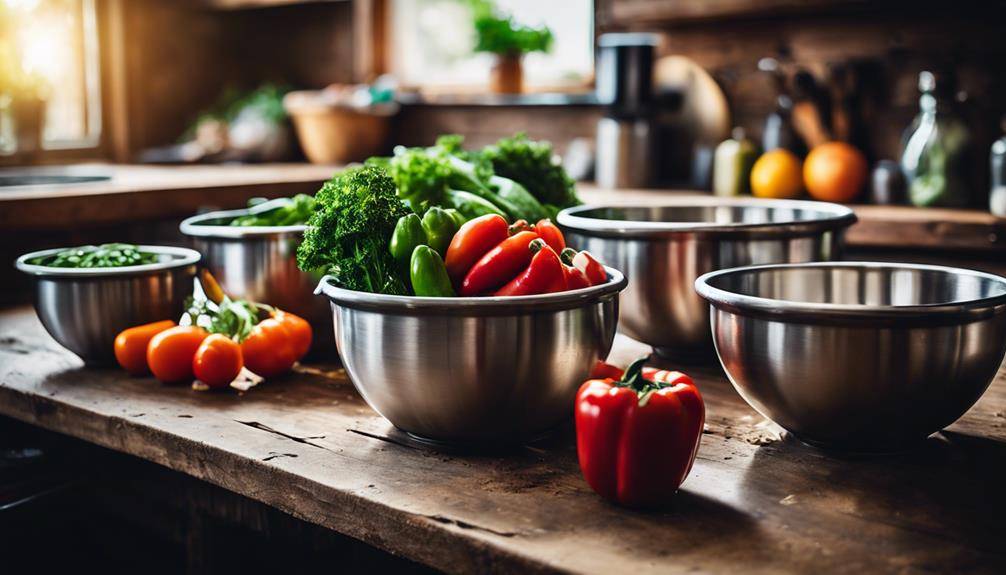
The Westernized version of the stir-fry often included a variety of vegetables like bell peppers, broccoli, carrots, and snap peas. The sauce was simplified into a combination of soy sauce, garlic, ginger, and a touch of sugar or honey for sweetness. These adaptations made stir-fry approachable for home cooks who may not have access to traditional Asian ingredients.
By the 1980s, nonstick skillets and electric woks had become household staples. This made it even easier to prepare vegetable stir-fries at home, contributing to the dish’s widespread popularity. Magazines and television chefs promoted stir-frying as part of a balanced diet, emphasizing fresh ingredients and quick preparation. In many ways, the easy vegetable stir-fry became a symbol of a new era in home cooking — fast, fresh, and fuss-free.
Cultural Significance of Vegetable Stir-Fry Around the World
The beauty of the easy vegetable stir-fry lies in its adaptability. Every culture that has embraced this dish has added its own twist. In China, stir-fried vegetables are a symbol of balance and harmony, reflecting the yin-yang philosophy of Chinese medicine — combining cooling and warming ingredients for optimal health. In Thailand, the stir-fry embodies a balance of sweet, salty, sour, and spicy — the four cornerstones of Thai cuisine.
In Western countries, stir-frying represents a bridge between convenience and nutrition. As more people turned toward plant-based eating, vegetable stir-fry became a go-to meal for vegetarians and health-conscious cooks. Its emphasis on fresh produce, minimal oil, and quick cooking perfectly aligns with modern dietary preferences.
The dish’s cultural journey mirrors a global appreciation for simple, wholesome food that doesn’t compromise on taste. The stir-fry’s versatility has also made it a favorite in restaurants, meal prep services, and home kitchens alike — a testament to its enduring appeal across generations and borders.
The Science Behind Stir-Frying: Why It Works So Well
One reason vegetable stir-fry remains so popular is because of the science behind its flavor. When ingredients are cooked quickly at high heat, the Maillard reaction occurs — a chemical process that creates complex, savory flavors and appetizing aromas. The rapid cooking also helps vegetables retain their color, crunch, and nutritional value.
The use of oil in stir-frying helps distribute heat evenly, while the constant movement of ingredients ensures that nothing burns. The wok or skillet acts as both a frying pan and a steamer — locking in moisture while still achieving that deliciously caramelized texture. This perfect balance of heat and timing is what makes stir-fry dishes so irresistible.
Moreover, the process encourages creativity. Cooks can experiment with sauces, seasonings, and vegetables, making each dish unique. This flexibility is why the easy vegetable stir-fry has stood the test of time — it adapts to the cook, not the other way around.
Modern Takes on Easy Vegetable Stir-Fry
In today’s kitchens, the easy vegetable stir-fry has evolved to suit a variety of diets and lifestyles. Plant-based and vegan diets have further propelled the popularity of this dish, as it can easily be customized without meat or dairy. Many modern recipes feature tofu, tempeh, or seitan as protein options, paired with colorful vegetables like zucchini, mushrooms, and snow peas.
Global fusion cuisine has also played a major role in reinventing stir-fry. Chefs experiment with Mediterranean or Latin-inspired flavors, incorporating ingredients like olive oil, lime juice, or spices such as cumin and paprika. The result is a fusion of cultures, all united by the simplicity of the stir-fry method.
The rise of meal prep and “one-pan dinners” has also given new life to this classic. People love the convenience of tossing vegetables into a skillet, adding a flavorful sauce, and serving a complete meal in minutes. In this sense, the easy vegetable stir-fry perfectly represents modern cooking — quick, customizable, and deliciously satisfying.
Health Benefits of Vegetable Stir-Fry
Another reason for the enduring popularity of the easy vegetable stir-fry is its health profile. Stir-frying allows for nutrient retention since vegetables are cooked quickly, preserving vitamins and minerals that would otherwise be lost through boiling or prolonged heat exposure.
The dish also promotes a balanced diet rich in fiber, antioxidants, and plant-based proteins. By using healthy oils and fresh ingredients, stir-fry supports heart health and helps maintain steady energy levels throughout the day. Its adaptability means that it can be gluten-free, low-carb, or vegan without losing its appeal.
In a world increasingly focused on wellness and sustainability, vegetable stir-fry remains a perfect example of how simple food can nourish both body and soul.
The Future of Easy Vegetable Stir-Fry
Looking ahead, the easy vegetable stir-fry continues to evolve with changing culinary trends. Innovations like air-fryers and induction cooktops have introduced new ways to achieve that crispy, flavorful texture without excessive oil. Plant-based sauces made from nuts, seeds, or fermented ingredients are also gaining traction, offering fresh ways to elevate the dish’s flavor.
In restaurants, stir-fry continues to appear on menus as a customizable option — often allowing diners to choose their vegetables, proteins, and sauces. Meanwhile, in home kitchens, the stir-fry remains a weeknight staple for those seeking a fast, nutritious meal.
What’s clear is that the essence of the easy vegetable stir-fry — quick cooking, bold flavor, and fresh ingredients — will never go out of style.
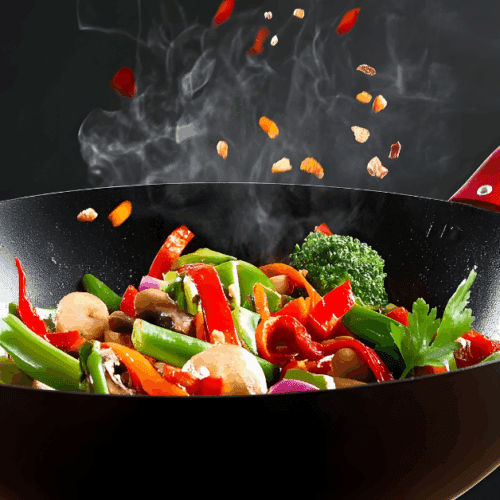
Vegetable Stir-Fry
Ingredients
- 2 cups mixed vegetables broccoli, carrots, bell peppers
- – 2 tbsp soy sauce
- – 1 tbsp sesame oil
- – 1 tsp ginger minced
- – 2 cloves garlic minced
- – Cooked rice for serving
Instructions
- Heat sesame oil in a pan, add garlic and ginger, and sauté.
- Add vegetables and stir-fry for 5-7 minutes.
- Stir in soy sauce and serve over cooked rice.
Frequently Asked Questions: History and Origin of Easy Vegetable Stir-Fry
What is the origin of stir-frying?
Stir-frying originated in ancient China over 2,000 years ago. It began as a cooking method for the elite due to the cost of fuel but eventually became widespread as technology and oil availability improved.
Why is stir-frying so popular worldwide?
Stir-frying’s popularity comes from its speed, flavor, and health benefits. It’s an efficient cooking technique that preserves nutrients, requires minimal oil, and produces delicious results with very little effort.
Can you make a vegetable stir-fry without a wok?
Yes! While a wok is traditional, you can use a large skillet or frying pan. The key is to maintain high heat and keep ingredients moving to achieve that signature stir-fried texture.
What are the best vegetables to use in stir-fry?
Popular options include bell peppers, broccoli, snap peas, carrots, mushrooms, and onions. However, any fresh, crisp vegetable can work — making it perfect for using up what you have on hand.
Is vegetable stir-fry healthy?
Absolutely. It’s a nutrient-dense dish that emphasizes vegetables, lean proteins, and light sauces. When cooked with minimal oil, it’s low in calories and packed with fiber, vitamins, and minerals.
How did the stir-fry become part of Western cuisine?
Chinese immigrants introduced stir-frying to the West during the 19th century. As Chinese restaurants gained popularity, the method became widely adopted for its convenience and flavor.
What’s the secret to a perfect stir-fry?
High heat and speed are essential. Ingredients should be cut uniformly for even cooking, and sauces should be added at the end to coat everything evenly without overcooking.

The Enduring Legacy of Easy Vegetable Stir-Fry
From its beginnings in ancient China to its status as a modern-day staple, the easy vegetable stir-fry represents more than just a meal — it’s a celebration of culture, creativity, and nourishment. Its adaptability across continents and centuries highlights the universal desire for food that is flavorful, fresh, and easy to prepare.
Whether enjoyed as a quick weeknight dinner or an elaborate restaurant dish, vegetable stir-fry continues to connect people through the shared language of food. It reminds us that sometimes, the simplest meals — cooked fast and full of color — carry the richest stories.
If you enjoyed exploring this topic and want to dive even deeper, be sure to check out some of our other articles here on Infinite Flavors. From rich culinary histories to creative twists on classic recipes, there’s always something new to discover. Whether you’re curious about the origins of a dish, looking for fresh inspiration in the kitchen, or simply love learning about food culture, our collection of posts is the perfect next step on your flavor journey.
The Great History And Origin Of Garlic Butter Shrimp
The Great Caprese Salad A Classic Italian Masterpiece
The Exciting Story Behind Honey Garlic Chicken