The History and Origin of Amazing Honey Mustard Chicken
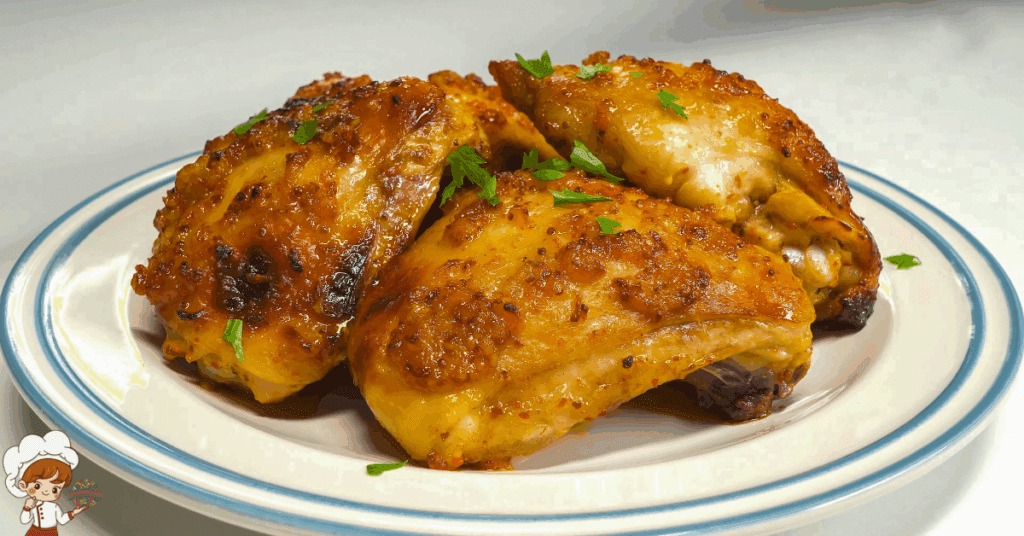
Origin of Amazing Honey Mustard Chicken; Few dishes strike the perfect balance between tangy sweetness and savory comfort quite like Honey Mustard Chicken. The irresistible pairing of golden honey and sharp mustard has long been a staple in kitchens around the world. Whether baked, grilled, or pan-seared, this beloved dish manages to feel both homestyle and gourmet. But where did it all begin? To understand the rich story behind Honey Mustard Chicken, we must explore the origins of its two star ingredients — honey and mustard — and the culinary creativity that eventually united them into one of the most crowd-pleasing flavor combinations in modern cuisine.
The Ancient Roots of Honey: A Natural Sweetener Through the Ages
Honey is one of the oldest known foods in human history, revered not only for its sweetness but also for its medicinal and preservative properties. Archaeologists have discovered honey in Egyptian tombs dating back more than 3,000 years, still perfectly edible due to its natural composition. Ancient Egyptians used honey to sweeten bread and cakes, while the Greeks viewed it as “nectar of the gods,” a symbol of health and longevity.
As trade routes expanded, honey became a global commodity, used in cooking, beverages, and even healing rituals. Its luxurious sweetness made it a prized ingredient long before sugar became widespread in Europe. By the time honey reached medieval kitchens, it had evolved from a sacred substance into a staple sweetener, used to balance the flavors of meat, cheese, and vinegar-based sauces. This tradition of pairing honey with savory foods laid the foundation for dishes like Honey Mustard Chicken centuries later.
The Story of Mustard: From Ancient Condiment to Culinary Icon
Mustard’s journey is equally ancient and fascinating. The earliest records of mustard cultivation trace back to ancient Rome, where mustard seeds were ground and mixed with unfermented grape juice, known as “mustum,” giving the condiment its name — mustum ardens, or “burning must.”
Romans spread mustard throughout Europe, and by the Middle Ages, it had become a kitchen essential. French monks began perfecting the recipe, using vinegar and wine to create smoother, more flavorful mustards. Dijon, France, soon became the mustard capital of the world, producing the elegant and refined versions we know today.
Mustard’s pungency made it a perfect companion to meats and roasted dishes. It was beloved for cutting through the richness of fatty foods, enhancing everything from roasted pork to poultry. Over time, mustard evolved into many regional styles — from sharp English mustard to mild American yellow — allowing for endless experimentation in flavor pairing.
The First Marriage of Honey and Mustard
The fusion of honey and mustard can be traced to European cuisine in the 18th and 19th centuries. The combination offered a culinary revelation: mustard’s heat balanced by honey’s sweetness created a flavor harmony unlike anything else. French and English cooks began incorporating the duo into sauces and glazes for meats, especially pork and chicken.
The sweet-and-tangy sauce appealed to a wide range of palates, becoming a go-to choice for both home cooks and chefs. By the early 20th century, honey mustard sauce had become popular in American households, often served with chicken, ham, or as a dipping sauce for fried foods. Its versatility made it a pantry favorite, leading to its commercial production by condiment brands in the mid-20th century.
The Rise of Honey Mustard Chicken in Modern American Cuisine
The American love affair with Honey Mustard Chicken began in earnest during the 1970s and 1980s — the same era that saw an explosion in convenience cooking, salad dressings, and creative marinades. Honey mustard dressing appeared on restaurant menus across the country, not just as a salad accompaniment but as a flavor base for grilled and baked chicken dishes.
Restaurants quickly realized how well the sauce complemented the mild, juicy flavor of chicken. Chain eateries and family restaurants began serving honey mustard chicken breasts, chicken tenders, and sandwiches. The sweet-savory glaze became synonymous with comfort and casual dining, appealing to children and adults alike.
Homemakers loved the simplicity of the dish — a few pantry staples, minimal prep time, and a restaurant-quality result. By the late 1980s, honey mustard chicken had secured its place as an all-American favorite, a dish that could be dressed up for a dinner party or enjoyed on a busy weeknight.
Why Honey Mustard Chicken Became a Global Favorite
What makes Honey Mustard Chicken endure across decades and cultures is its universal flavor appeal. Sweet, tangy, and savory all at once, it hits every major flavor note that humans crave. Its simplicity allows it to adapt seamlessly to different cuisines and cooking styles.
In France, you might find chicken glazed with Dijon mustard and lavender honey for a refined flavor profile. In the American South, it’s common to see it grilled with smoky undertones and served alongside roasted vegetables. Asian-inspired versions may feature soy sauce or ginger, adding an umami depth to the sweet mustard glaze.
This global adaptability keeps the dish relevant and exciting. Home cooks can make endless variations by adjusting the sweetness, spiciness, or tang, ensuring that Honey Mustard Chicken never falls out of culinary fashion.
The Science Behind the Perfect Flavor Pairing
The success of Honey Mustard Chicken lies not only in its history but in its science. The natural sugars in honey caramelize beautifully when heated, creating a glossy, slightly sticky coating that enhances texture and color. Mustard, on the other hand, contains compounds called isothiocyanates, which give it its characteristic bite and depth.
When combined, honey’s smooth sweetness tempers mustard’s sharpness, producing a well-balanced sauce that appeals to nearly every palate. The acidity of mustard also helps tenderize meat, making chicken juicy and flavorful. It’s no wonder chefs and food scientists alike consider honey mustard one of the most balanced sauces in the culinary world.
Honey Mustard Chicken in the Era of Healthy Cooking
As consumers became more health-conscious in the 21st century, honey mustard chicken saw a resurgence. It fit perfectly within the movement toward clean eating — meals that rely on natural ingredients rather than processed additives. Honey and mustard, both simple and wholesome, became ideal components for lean proteins like chicken.
Grilled honey mustard chicken became a favorite for meal prep enthusiasts and fitness-minded home cooks. The dish offered bold flavor without relying on heavy sauces or excess oil. Its naturally gluten-free and dairy-free composition also made it accessible to those with dietary restrictions.
Food bloggers, chefs, and nutritionists continue to celebrate honey mustard chicken as a flavorful way to stay on track with balanced eating, reinforcing its place in modern culinary culture.
The Influence of Regional and Cultural Variations
While American versions dominate the spotlight, regional interpretations around the world add depth to honey mustard’s story. In Germany, mustard is often mixed with local honeys and served with roasted meats. In Australia, honey mustard chicken is a popular barbecue favorite, brushed over skewers or grilled thighs.
Even within the United States, variations abound. Southern-style honey mustard chicken might incorporate smoky barbecue notes, while Northern versions often use whole-grain mustard for extra texture. Each adaptation reflects the local palate and available ingredients, illustrating how one simple pairing can transcend borders.
Honey Mustard Chicken in Pop Culture and the Culinary Mainstream
Beyond home kitchens, honey mustard chicken has found fame in restaurants, cooking shows, and fast-casual dining menus. Its approachable flavor profile makes it a safe bet for diners of all ages. Major restaurant chains feature honey mustard sandwiches, wraps, and salads, keeping the flavor combination at the forefront of American dining trends.
In popular culture, honey mustard has become synonymous with nostalgic comfort food — a sauce that brings back memories of family dinners, backyard barbecues, and simple, satisfying meals. Food historians often cite it as a perfect example of how modern cuisine bridges the gap between traditional ingredients and contemporary convenience.
Modern Twists and Future Trends
As culinary innovation continues, chefs have begun experimenting with artisan honeys and gourmet mustards to elevate the classic honey mustard chicken. Locally sourced honey varieties — like orange blossom, clover, or wildflower — each add unique floral undertones, while stone-ground or spicy Dijon mustards introduce complexity.
Some modern versions incorporate herbs like rosemary or thyme, while others use a touch of heat from chili flakes or sriracha for a bold kick. These adaptations prove that while the core of Honey Mustard Chicken remains rooted in simplicity, its potential for reinvention is endless.
Looking ahead, the dish’s popularity shows no signs of slowing down. Its adaptability for grilling, baking, or air frying ensures it will continue to thrive in both home and professional kitchens for generations to come.
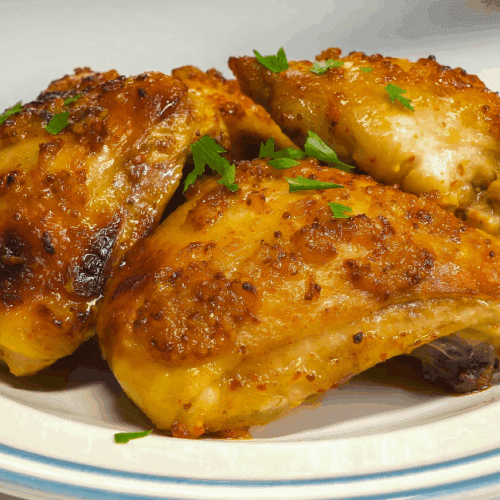
Honey Mustard Chicken
Ingredients
- – 4 chicken breasts
- – 1/4 cup honey
- – 1/4 cup Dijon mustard
- – Salt and pepper
- – Olive oil
- – Fresh thyme optional
Instructions
- . Preheat the oven to 375°F (190°C).
- Mix honey and mustard; season chicken with salt and pepper.
- Coat chicken in honey mustard and place in a greased baking dish.
- Bake for 25-30 minutes until cooked through.
Frequently Asked Questions: Origin of Amazing Honey Mustard Chicken
What is Honey Mustard Chicken made of?
Honey Mustard Chicken is traditionally made with simple ingredients — chicken, honey, mustard, and seasonings. The combination creates a flavorful glaze that’s sweet, tangy, and savory all at once.
Is Honey Mustard Chicken an American dish?
While the pairing of honey and mustard originated in European cuisine, the modern version of Honey Mustard Chicken gained widespread popularity in the United States during the late 20th century.
What type of mustard works best for Honey Mustard Chicken?
Dijon mustard is often preferred for its smooth texture and mild tang, but yellow or spicy brown mustard can also be used for variation.
Why does honey mustard taste so good?
The balance of flavors — sweet, tangy, and slightly spicy — appeals to the human palate on multiple levels. The combination of honey’s natural sugars and mustard’s sharpness creates a dynamic taste experience.
Can Honey Mustard Chicken be made healthy?
Yes! Using lean chicken breast, natural honey, and minimal oil keeps the dish light and nutritious while maintaining its rich flavor.
Where did the honey mustard combination originate?
The earliest versions of honey mustard sauce appeared in Europe, especially France and England, where cooks experimented with combining sweet and savory condiments for meat glazes.
Why is Honey Mustard Chicken so popular?
Its simplicity, versatility, and universally appealing flavor profile make it a favorite in both home kitchens and restaurants. It’s a dish that satisfies a wide range of tastes and dietary preferences.
What does honey mustard pair well with besides chicken?
The sauce pairs wonderfully with pork, vegetables, salads, and even seafood. Its adaptability is one of the reasons it has remained a culinary classic.

A Timeless Fusion of Flavor and Tradition
The story of Honey Mustard Chicken is one of culinary evolution — from ancient condiments and sweeteners to a beloved modern comfort dish. What began as two humble ingredients has become an international favorite, uniting flavor traditions across time and culture.
Its sweet and tangy profile continues to enchant food lovers, while its ease of preparation makes it a go-to meal for busy families and gourmet enthusiasts alike. Whether enjoyed as a nostalgic classic or reimagined with modern flair, Honey Mustard Chicken stands as a testament to the enduring power of simple, well-balanced ingredients.
In every golden bite lies a story — one that spans continents, centuries, and kitchens — proving that when it comes to flavor, harmony is timeless.
Origin of Amazing Honey Mustard Chicken; Few dishes strike the perfect balance between tangy sweetness and savory comfort quite like Honey Mustard Chicken. The irresistible pairing of golden honey and sharp mustard has long been a staple in kitchens around the world.
One-Pan Chicken And Veggies The Ultimate Comfort Food Classic
The Great History And Origin Of Garlic Butter Shrimp
A Comfort Food With Deep Roots Amazing Ham And Pea Pasta