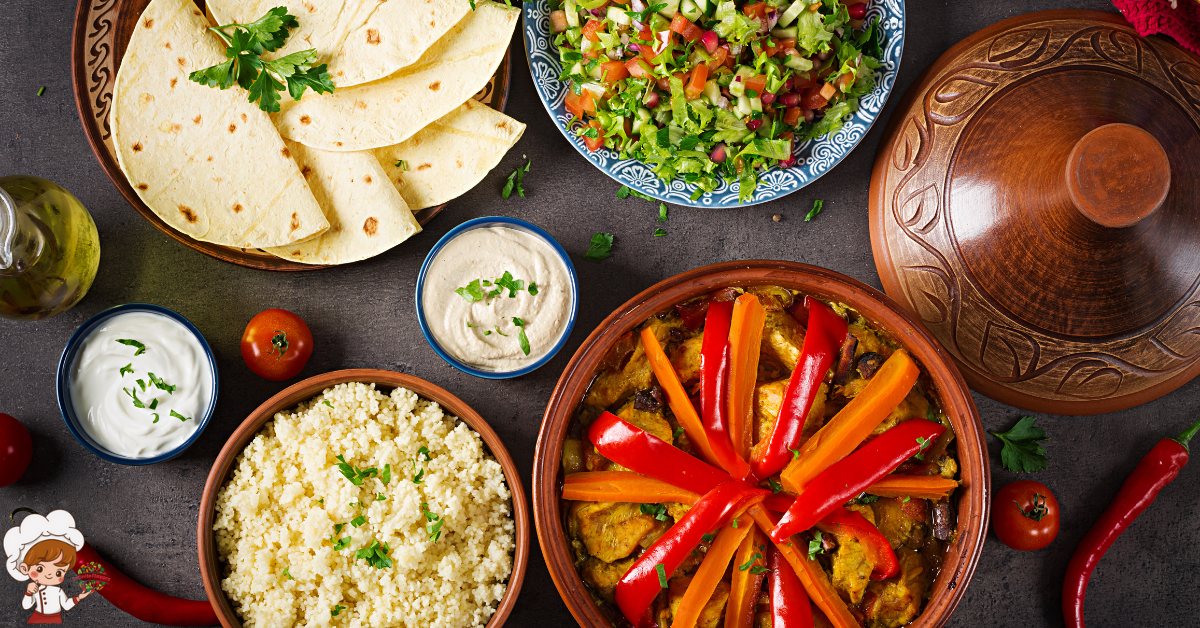
Three Amazing Spices For Perfect Mediterranean Dishes
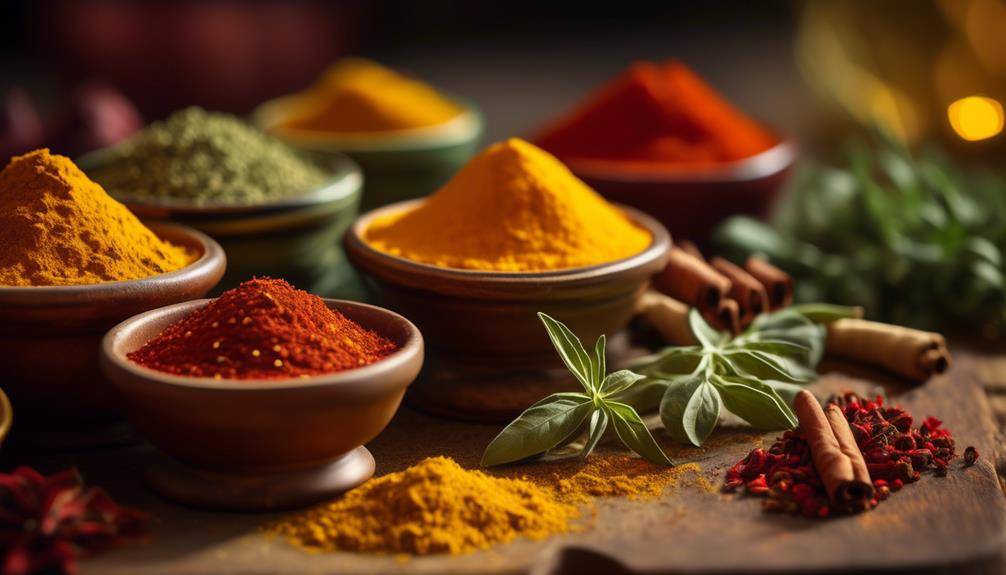
Spices For Perfect Mediterranean Dishes; Did you know that Mediterranean cuisine is known for its vibrant flavors and aromatic spices? In fact, spices play a crucial role in creating the perfect balance of taste in Mediterranean dishes. So, if you’re looking to add a touch of Mediterranean magic to your cooking, there are three top spices that you simply can’t miss. These spices not only enhance the flavors but also bring a unique twist to your dishes. Curious to know what these spices are? Stay tuned to uncover the secret to perfect Mediterranean dishes that will surely leave your taste buds craving for more.
Oregano: The Mediterranean Staple
Oregano, the quintessential herb of the Mediterranean, adds a distinct and flavorful touch to countless dishes, elevating them to new levels of deliciousness. Whether you’re cooking up a homemade pizza, a hearty pasta sauce, or a succulent roast, oregano is the secret ingredient that brings that authentic Mediterranean taste to your table.
When it comes to oregano recipes, the possibilities are endless. You can sprinkle it over your favorite grilled vegetables for a burst of flavor, mix it into salad dressings to add a zesty twist, or even infuse it into olive oil for a fragrant dip. Oregano’s versatility makes it a staple in Mediterranean cuisine, and its rich aroma and robust taste never fail to impress.
Beyond its culinary uses, oregano also offers a range of health benefits. Packed with antioxidants and essential nutrients, this herb has been used for centuries as a natural remedy for various ailments. It is believed to have antimicrobial properties that can help fight off infections and boost the immune system. Oregano is also known to have anti-inflammatory properties, making it a great choice for those with inflammatory conditions such as arthritis.
In addition to its medicinal properties, oregano is also a great source of vitamins and minerals. It is rich in vitamin K, iron, and manganese, which are essential for maintaining healthy bones and promoting proper blood clotting. Furthermore, oregano contains compounds that have been shown to have anti-cancer effects, making it a valuable addition to a healthy diet.
Sumac: The Citrusy Burst of Flavor
Get ready to experience a tangy burst of citrus flavor with sumac, the versatile spice that enhances Mediterranean dishes. Its vibrant red color and zesty taste make it a must-have in your spice rack. Whether you’re marinating meat, dressing salads, or sprinkling it over roasted vegetables, sumac adds a unique and refreshing twist to your favorite recipes.
Tangy Citrus Flavor
Indulge your taste buds with the tangy burst of citrus flavor that can be found in the spice known as sumac. This vibrant red powder is derived from the dried fruit of the sumac plant, and it adds a zesty and refreshing taste to your dishes. Sumac is perfect for creating citrus infused marinades that will elevate your grilled meats and vegetables to a whole new level of deliciousness.
Its tangy notes also make it a wonderful addition to lemon infused desserts, such as cakes, cookies, and even ice cream. Not only does sumac provide a burst of flavor, but it also adds a vibrant pop of color to your dishes, making them visually appealing. So go ahead and embrace the tangy citrus flavor of sumac in your Mediterranean creations. Your taste buds will thank you.
Enhances Mediterranean Dishes
Sumac, with its vibrant citrusy burst of flavor, is a versatile spice that enhances Mediterranean dishes with its zesty and refreshing taste. Incorporating sumac into your Mediterranean cuisine can bring a multitude of benefits. First and foremost, spices like sumac add depth and complexity to your dishes, elevating them from ordinary to extraordinary. The tangy and slightly tart flavor of sumac complements the richness of Mediterranean ingredients such as olive oil, garlic, and fresh herbs.
It adds a bright and lively note that enhances the overall taste profile of the dish. To incorporate Mediterranean flavors into your everyday cooking, start by experimenting with different spices like sumac. Sprinkle it on roasted vegetables, use it as a seasoning for grilled meats, or mix it into salad dressings for a burst of flavor. Don’t be afraid to get creative and let the vibrant taste of sumac take your Mediterranean dishes to the next level.
Versatile Spice for Cooking
Elevate your culinary creations with the vibrant and refreshing taste of sumac, a versatile spice that adds a citrusy burst of flavor to your cooking. Sumac is a staple in Mediterranean cuisine, known for its versatility and ability to enhance a wide range of dishes. Here are three reasons why sumac is a must-have spice in your kitchen:
- Versatility: Sumac can be used in various dishes, from salads and marinades to meats and roasted vegetables. Its tangy and lemony flavor profile adds a unique twist to any recipe, making it a versatile choice for both savory and sweet dishes.
- Health Benefits: Sumac is not only delicious but also offers numerous health benefits. It is rich in antioxidants, vitamins, and minerals, which can help boost your immune system, reduce inflammation, and support heart health.
- Mediterranean Delight: Sumac is a key ingredient in many traditional Mediterranean dishes. Its distinctive flavor complements the fresh and vibrant ingredients commonly found in Mediterranean cuisine, adding a burst of citrusy goodness that truly captures the essence of the Mediterranean diet.
Incorporating sumac into your cooking not only enhances the flavors of your dishes but also brings a touch of Mediterranean flair to your table. So, why not give this versatile spice a try and experience its delightful taste and health benefits for yourself?
Cumin: The Earthy and Nutty Spice
With its earthy and nutty flavor profile, cumin adds depth and richness to Mediterranean dishes, making it a versatile spice to have in your pantry. Cumin is a spice derived from the dried seeds of the Cuminum cyminum plant, native to the eastern Mediterranean region. Its distinct aroma and taste make it a popular choice in many cuisines around the world.
The earthy and nutty flavors of cumin are what set it apart from other spices. When you sprinkle cumin into your dishes, it releases a warm and aromatic scent that instantly transports you to the Mediterranean. The flavor is robust, slightly bitter, and slightly sweet, with a hint of smokiness. It adds a layer of complexity to your dishes, enhancing the overall taste and making them more satisfying.
Apart from its delicious taste, cumin also offers several health benefits. It is rich in antioxidants, which help protect your body against oxidative stress and reduce the risk of chronic diseases. Cumin is also known for its anti-inflammatory properties, which can help alleviate symptoms of inflammation in the body. Additionally, it aids in digestion by stimulating the production of digestive enzymes and promoting the absorption of nutrients.
To fully enjoy the earthy and nutty flavors of cumin, try incorporating it into your Mediterranean dishes. It pairs well with vegetables, legumes, meats, and even grains. Sprinkle it over roasted vegetables, add it to lentil soups, or use it as a rub for grilled chicken. The possibilities are endless, and the result will be a flavorful and satisfying meal that celebrates the Mediterranean cuisine. So, go ahead and stock up on cumin, and let its earthy and nutty goodness elevate your culinary creations.
Thyme: The Herbaceous Mediterranean Delight
Thyme, with its herbaceous and aromatic qualities, is a delightful addition to Mediterranean dishes. This versatile herb brings a unique flavor profile to your cooking, elevating your dishes with its earthy and citrusy notes. Here are three reasons why thyme should be a staple in your Mediterranean kitchen:
- Enhanced Flavor: Thyme adds a depth of flavor to your dishes, creating a harmonious blend of earthiness and citrusy undertones. Its herbaceous nature infuses a subtle freshness, while the citrusy sumac complements the overall taste profile. Whether you’re making roasted vegetables, grilled meats, or hearty stews, thyme brings a vibrant and balanced taste that will leave your taste buds craving for more.
- Aromatic Delight: As the scent of thyme wafts through your kitchen, it sets the stage for a Mediterranean culinary experience. The herbaceous aroma fills the air, creating an inviting ambiance that instantly transports you to the sun-soaked landscapes of the Mediterranean. With each dish, thyme adds a fragrant touch that enhances the overall dining experience.
- Health Benefits: Thyme is not only a flavorful addition to your dishes but also offers numerous health benefits. Packed with antioxidants and anti-inflammatory properties, thyme supports a healthy immune system and aids in digestion. It is also known for its antimicrobial properties, making it a natural remedy for coughs and sore throats.
Incorporating thyme into your Mediterranean dishes will add a layer of complexity and authenticity, elevating your culinary creations to new heights. So next time you’re cooking up a Mediterranean feast, don’t forget to reach for this herbaceous delight. Your taste buds and your health will thank you!
Paprika: The Vibrant and Smoky Spice
Get ready to discover the vibrant and smoky world of paprika. This spice is not only flavorful, but also incredibly versatile, making it a staple in Mediterranean cuisine. With just a sprinkle, paprika can enhance the flavors of your dishes, adding a touch of warmth and complexity. Plus, its vibrant red color brings a visual appeal that is sure to impress. So, let’s explore the wonders of paprika and elevate your Mediterranean cooking to new heights.
Flavorful and Versatile
Paprika, the vibrant and smoky spice, adds a burst of color and a depth of flavor to your Mediterranean dishes. Its versatility makes it an essential ingredient in various seasoning blends and Mediterranean cooking techniques. Here are three reasons why paprika is both flavorful and versatile:
- Enhances the taste: Whether you’re making a traditional Spanish paella or a Greek moussaka, paprika brings a robust and earthy flavor to your dishes. It complements the natural sweetness of tomatoes and peppers, providing a rich and savory taste that elevates your Mediterranean recipes.
- Adds a pop of color: Paprika’s vibrant red hue not only makes your meals visually appealing but also signifies its distinct flavor profile. Sprinkling paprika over roasted vegetables or grilled meats brings a vibrant touch to your plate, making it more inviting and appetizing.
- Smoky aroma: The smoky notes of paprika create a unique aroma that enhances the overall sensory experience of your Mediterranean dishes. Whether you’re adding it to a hearty stew or a creamy dip, the smokiness of paprika adds depth and complexity, making each bite a delight.
Incorporating paprika into your Mediterranean cooking repertoire allows you to create dishes that are bursting with flavor, color, and aroma. Don’t hesitate to experiment with this versatile spice and discover new ways to elevate your culinary creations.
Enhances Mediterranean Flavors
Enhancing the flavors of your Mediterranean dishes with its vibrant and smoky profile, paprika brings a burst of richness and complexity to every bite. Paprika, made from dried and ground red peppers, is a staple in Mediterranean cooking. Its deep red color adds a visually appealing touch to any dish, while its distinct smoky flavor elevates the taste to new heights.
While paprika is commonly associated with Mediterranean cuisine, it can also be used in various other dishes. Its versatility allows it to be sprinkled on roasted vegetables, added to marinades, or even used as a seasoning for meat and seafood. The possibilities are endless.
In addition to paprika, oregano is another popular spice in Mediterranean cooking. However, its uses are not limited to this cuisine alone. Oregano can also be used in Mexican dishes like chili and salsa, as well as in Italian pasta sauces and pizza.
Another spice that enhances Mediterranean flavors is sumac. This tangy spice adds a unique touch to dishes with its lemony flavor. Apart from being used in Mediterranean cuisine, sumac can be sprinkled over grilled meats, added to salads, or even used as a garnish for dips like hummus.
With its vibrant and smoky profile, paprika is a spice that truly enhances the flavors of Mediterranean dishes. Whether you’re using it to season a classic Mediterranean dish or exploring its unique uses outside of this cuisine, paprika brings a depth of flavor that is sure to impress. So go ahead, sprinkle it on and enjoy the richness and complexity it adds to every bite.
Adds Color to Dishes
With its vibrant red color, paprika adds a visual pop to your dishes, while its smoky flavor brings a depth of taste that is sure to impress. When it comes to Mediterranean cuisine, spices play a crucial role in elevating the taste and aromas of the dishes. Paprika, in particular, offers a unique combination of color and flavor that can transform your Mediterranean creations into culinary masterpieces. Here are three ways you can use paprika to create visually appealing dishes:
- Sprinkle paprika over roasted vegetables to give them a beautiful reddish hue, making them even more appetizing.
- Use paprika as a seasoning for grilled meats, adding not only a smoky taste but also a vibrant red color that will make your dish stand out.
- Incorporate paprika into dips and spreads, such as hummus or tzatziki, to give them a visually striking appearance and a hint of smokiness.
Rosemary: The Fragrant Mediterranean Herb
Rosemary, with its fragrant aroma and distinct flavor, is a beloved herb in Mediterranean cuisine. Its unique scent fills the air with a sense of warmth and comfort, making it a staple in many Mediterranean dishes. The fragrant herb is known for its versatility and culinary uses, adding a delightful twist to a variety of recipes.
One of the most popular culinary uses of rosemary is in roasted meats. Whether it’s a succulent lamb roast or a juicy chicken, rosemary lends its robust flavor and aroma to elevate the dish. Simply sprinkle some fresh rosemary leaves over the meat before cooking, and let the herb work its magic. The result is a dish that is infused with a fragrant, earthy taste that will leave your taste buds craving for more.
But rosemary is not limited to just meats. It also pairs beautifully with vegetables, adding a burst of flavor to roasted potatoes or grilled vegetables. The herb can be used in marinades and dressings, giving a refreshing twist to your salads and side dishes. Its bold flavor can also be infused into oils and vinegars, creating aromatic bases for sauces and dips.
Aside from its culinary uses, rosemary also offers health benefits. It is rich in antioxidants and has anti-inflammatory properties, making it a great addition to a balanced diet. It has been used in traditional medicine to improve digestion, boost memory, and reduce inflammation.
Cinnamon: The Warm and Sweet Spice
When it comes to Mediterranean cuisine, cinnamon is a versatile flavor that adds warmth and sweetness to a variety of dishes. Whether it’s sprinkled on top of Greek yogurt, mixed into Moroccan tagines, or used in Italian desserts, cinnamon enhances the flavors of Mediterranean ingredients like fruits, nuts, and grains. It’s no wonder that cinnamon has become a staple in Mediterranean cooking, bringing a touch of exotic sweetness to every bite.
Cinnamon: Versatile Mediterranean Flavor
Cinnamon, with its warm and sweet flavor, is a versatile spice that adds a delightful twist to a variety of Mediterranean dishes. Whether you’re cooking a savory lamb tagine or a comforting bowl of rice pudding, cinnamon can elevate the flavors and create a memorable dining experience. Here are three reasons why cinnamon is a must-have spice in your Mediterranean pantry:
- Versatile uses: Cinnamon can be used in both sweet and savory dishes. It pairs well with fruits, adding a touch of warmth to apple pies or baked pears. On the savory side, it can be used in marinades for grilled chicken or sprinkled on roasted vegetables for a hint of sweetness.
- Health benefits: Not only does cinnamon enhance the taste of your dishes, but it also offers numerous health benefits. It has anti-inflammatory and antioxidant properties, which can help reduce inflammation and fight off free radicals. Additionally, cinnamon may help regulate blood sugar levels and improve heart health.
- Aromatic aroma: The intoxicating aroma of cinnamon can instantly transport you to the bustling streets of the Mediterranean. Its rich and fragrant scent fills the kitchen, creating a warm and inviting atmosphere.
Enhancing Mediterranean Dishes
Enhance your Mediterranean dishes with the warm and sweet spice of cinnamon, adding a delightful twist to your culinary creations. Cinnamon, with its distinct aroma and flavor, has been a staple in Mediterranean cooking for centuries. Its versatility makes it suitable for both savory and sweet dishes, making it a valuable ingredient in traditional recipes.
When using cinnamon in your Mediterranean dishes, it is important to consider the cooking techniques that will best bring out its flavor. For savory dishes, try incorporating cinnamon into marinades or rubs for meats, such as lamb or chicken. The spice adds depth and warmth to the dish, complementing the savory flavors. In sweet dishes, cinnamon can be used in baking, adding a comforting and aromatic touch to breads, pastries, and desserts.
Cinnamon: A Mediterranean Staple
Cinnamon, a beloved and essential spice in Mediterranean cuisine, fills every dish with its warm and sweet essence. Whether used in desserts or savory dishes, cinnamon adds a depth of flavor that is both comforting and tantalizing. Here are three ways in which cinnamon can elevate your Mediterranean creations:
- Cinnamon in desserts: From baklava to rice pudding, cinnamon is a key ingredient in many Mediterranean sweets. Its aromatic and slightly spicy notes perfectly complement the sweetness of pastries and desserts, creating a delightful balance of flavors.
- Cinnamon in savory dishes: Don’t let cinnamon’s association with desserts fool you. In Mediterranean cuisine, it is often used in savory dishes like stews, tagines, and roasted meats. Cinnamon adds a subtle warmth and complexity to these dishes, enhancing the overall taste and aroma.
- Cinnamon in spice blends: In Mediterranean cooking, cinnamon is frequently found in spice blends like Ras el Hanout and Baharat. These blends incorporate cinnamon with other spices to create a harmonious blend of flavors that can transform any dish into a culinary masterpiece.
Za’atar: The Tangy and Herbaceous Blend
Za’atar, a tangy and herbaceous blend, is a versatile spice that adds a burst of flavor to Mediterranean dishes. Not only does it enhance the taste of your favorite recipes, but it also offers several health benefits. Za’atar is made from a combination of dried thyme, sesame seeds, sumac, and salt. This unique blend is rich in antioxidants, which can help protect your cells from damage caused by harmful free radicals. Additionally, za’atar is known for its antimicrobial properties, which can help fight off bacteria and promote a healthy immune system.
When it comes to using za’atar in Mediterranean dishes, the possibilities are endless. One creative way to incorporate this spice is by adding it to your homemade hummus. Simply sprinkle a generous amount of za’atar on top of the hummus and drizzle it with olive oil for an extra burst of flavor. Another delicious option is to mix za’atar with olive oil and use it as a marinade for grilled vegetables or chicken. The tangy and herbaceous flavors of za’atar will complement the smoky charred taste of the grilled ingredients perfectly.
You can also use za’atar as a seasoning for roasted potatoes or sprinkle it on top of a fresh salad for a unique twist. The tanginess of the spice will add a refreshing flavor to these dishes. If you’re feeling adventurous, try making za’atar bread by mixing the spice blend with olive oil and spreading it on flatbread before baking it in the oven.
Turmeric: The Golden Spice of Health
When it comes to exploring the health benefits and vibrant flavors of Mediterranean spices, there’s one golden spice that stands out: turmeric. This ancient spice has been used for centuries in traditional medicine and cooking, and it continues to be celebrated for its numerous health benefits. So, what makes turmeric so special? Let’s dive in and discover why turmeric is truly the golden spice of health.
- Turmeric Health Benefits:
- Anti-inflammatory properties: Turmeric contains a compound called curcumin, which has powerful anti-inflammatory effects. It can help reduce inflammation in the body and alleviate symptoms of arthritis, joint pain, and other inflammatory conditions.
- Boosts immune system: Turmeric is rich in antioxidants, which help strengthen the immune system and protect against infections and diseases. Consuming turmeric regularly can give your immune system a natural boost.
- Supports brain health: Curcumin has been found to cross the blood-brain barrier and has shown potential in preventing and treating neurodegenerative diseases such as Alzheimer’s. It helps improve brain function and may even enhance memory and cognition.
Now that you know about the incredible health benefits of turmeric, it’s time to incorporate this golden spice into your daily routine. There are numerous ways to enjoy turmeric in your meals. Here are a few delicious turmeric recipes to get you started:
- Turmeric Recipes:
- Golden Milk Latte: Warm and comforting, this turmeric-infused beverage is perfect for a cozy evening. Mix turmeric powder with warm milk, honey, and a pinch of black pepper for a soothing and nutritious drink.
- Turmeric Roasted Vegetables: Add a pop of color and flavor to your roasted vegetables by sprinkling them with turmeric before baking. The earthy and slightly spicy notes of turmeric will elevate your veggie dish to new heights.
- Turmeric Chicken Curry: This classic Mediterranean dish is bursting with flavors. Simmer chicken with turmeric, ginger, garlic, and a blend of spices for a fragrant and hearty curry that will satisfy your taste buds.
Incorporating turmeric into your diet not only adds a vibrant burst of flavor to your meals but also provides you with a myriad of health benefits. So, go ahead and embrace the golden spice of health in your cooking adventures.
Coriander: The Fragrant Seed Spice
Coriander, also known as cilantro, is a fragrant seed spice that adds a distinctive flavor and aroma to Mediterranean dishes. This versatile spice is widely used in Mediterranean cuisine for its unique taste, which is a blend of citrusy, floral, and slightly peppery notes. The fragrant seeds of the coriander plant are harvested and dried, giving them a warm and earthy aroma that enhances the flavors of various dishes.
One of the remarkable qualities of coriander is its ability to complement a wide range of ingredients. Whether it’s used in marinades, dressings, or as a finishing touch, coriander can elevate the taste profile of any dish. Its fragrant and slightly sweet flavor pairs exceptionally well with vegetables, fish, poultry, and even legumes. You can sprinkle ground coriander over roasted vegetables for a burst of flavor or use it as a seasoning for grilled meats. Its versatility makes it a staple in Mediterranean cooking.
Apart from adding a delightful flavor to your dishes, coriander also offers several health benefits. It is rich in antioxidants, vitamins, and minerals that promote good health. Coriander is known for its anti-inflammatory properties and can aid in digestion. Additionally, it contains essential oils that have antimicrobial properties, helping to keep your food fresh and safe.
Saffron: The Luxurious and Exotic Spice
Now let’s embark on a journey to explore the next aromatic spice that will transport your taste buds to the luxurious and exotic flavors of the Mediterranean – saffron. This vibrant and highly coveted spice adds a touch of opulence to any dish, with its rich and luxurious flavor profile. Here are three reasons why saffron is a must-have ingredient in Mediterranean cuisine:
- Delicate Floral Notes: Saffron is known for its delicate floral notes and a distinct earthy aroma. When added to dishes, it imparts a unique and luxurious flavor that is unmatched by any other spice. Just a pinch of saffron can transform a simple dish into a culinary masterpiece.
- Versatile Culinary Uses: Saffron is a versatile spice that can be used in a variety of Mediterranean dishes. It is commonly used in rice dishes like paella, where it infuses the grains with a beautiful golden color and a rich flavor. Saffron is also used in creamy sauces, stews, and even desserts like saffron-infused ice cream.
- Health Benefits: Apart from its incredible flavor, saffron also offers numerous health benefits. It is known for its antioxidant properties and has been used in traditional medicine for centuries. Saffron is believed to have mood-enhancing properties and is often used as a natural remedy for depression and anxiety.
Basil: The Fresh and Aromatic Mediterranean Herb
Basil, with its fresh and aromatic qualities, is an essential herb that brings a burst of flavor to Mediterranean cuisine. Known for its vibrant green leaves and distinctive aroma, basil is a versatile herb that adds depth and complexity to a wide range of dishes.
One of the key characteristics of basil is its fresh and aromatic profile. When you crush or tear the leaves, they release a strong and irresistible scent that instantly transports you to the sunny landscapes of the Mediterranean. The fragrance is a delightful combination of sweet, peppery, and slightly minty notes, which makes it a perfect addition to many Mediterranean recipes.
In addition to its aroma, basil is also a highly versatile herb. It pairs well with a variety of ingredients, from tomatoes and mozzarella in Caprese salad to olives and feta cheese in Greek dishes. You can use it to enhance the flavor of pasta sauces, soups, stews, and even grilled meats. Its ability to complement and elevate the taste of other ingredients is what makes basil an indispensable herb in Mediterranean cuisine.
Besides its culinary uses, basil also offers health benefits. It is packed with essential nutrients like vitamin K, vitamin A, and iron, which contribute to overall well-being. It possesses antioxidant and anti-inflammatory properties, which may help reduce the risk of certain diseases and promote a healthy immune system.
To enjoy the full potential of basil, it is best to use it fresh. Simply pluck the leaves from the stem, wash them thoroughly, and chop or tear them just before adding them to your dish. This way, you can truly appreciate the fresh and aromatic flavors that basil brings to Mediterranean cuisine. So go ahead, embrace the versatility of this herb and elevate your Mediterranean dishes to new heights.
Frequently Asked Questions: Spices For Perfect Mediterranean Dishes
How Can I Use Oregano in Mediterranean Dishes Beyond Just Sprinkling It on Pizza or Pasta?
Get creative with oregano in Mediterranean cuisine! Beyond pizza and pasta, explore its versatility. Sprinkle on roasted veggies, mix into salad dressings, or infuse in olive oil for a flavorful marinade. The possibilities are endless!
Can I Substitute Sumac With Lemon Zest for a Similar Citrusy Flavor?
Yes, you can substitute sumac with lemon zest for a similar citrusy flavor in Mediterranean dishes. Lemon zest not only adds a tangy taste but also brings numerous health benefits to your culinary creations.
What Are Some Other Dishes Besides Hummus That Can Benefit From the Addition of Cumin?
You can use cumin in other dishes besides hummus to add a unique flavor. In Mediterranean cuisine, it pairs well with grilled meats, roasted vegetables, and even in spice blends for rice dishes. Get creative! As for oregano, it can be sprinkled on pizzas, added to marinades, or used in tomato-based sauces. It adds a delightful herbal note to your Mediterranean dishes. Try it out!
Are There Any Specific Health Benefits Associated With Consuming Thyme in Mediterranean Cuisine?
Thyme in Mediterranean cuisine offers specific health benefits. It’s packed with antioxidants, vitamins, and minerals that support digestion, boost immunity, and promote overall wellness. Oregano, on the other hand, adds a creative twist to Mediterranean dishes with its robust and aromatic flavor.
Is There a Specific Type of Paprika That Is Commonly Used in Mediterranean Cooking, or Can Any Variety Be Used?
Any variety of paprika can be used in Mediterranean cooking. However, it’s important to note that some varieties, like smoked or sweet paprika, are more commonly used in Mediterranean dishes. As for thyme, it offers numerous health benefits in Mediterranean cuisine.

Conclusion
In conclusion, these top spices are essential for creating the perfect Mediterranean dishes. Oregano adds a classic Mediterranean flavor, while sumac provides a burst of citrusy taste. Cumin brings an earthy and nutty flavor, and thyme adds a herbaceous delight. Paprika adds vibrancy and smokiness, while turmeric offers its golden health benefits. Coriander brings a fragrant seed spice, and saffron adds a luxurious and exotic touch. Finally, basil provides a fresh and aromatic herb to complete any Mediterranean dish.
If you enjoyed exploring this topic and want to dive even deeper, be sure to check out some of our other articles here on Infinite Flavors. From rich culinary histories to creative twists on classic recipes, there’s always something new to discover. Whether you’re curious about the origins of a dish, looking for fresh inspiration in the kitchen, or simply love learning about food culture, our collection of posts is the perfect next step on your flavor journey.
The 3 Best Spices To Elevate Grill Cooking
Why Should You Follow Certain Easy Spice Cooking Rules
The Best 8 Spices For Perfect Slow Cooking