Amazing Anti-Inflammatory Diet Strategies For Heart Health
Anti-Inflammatory Diet Strategies For Heart; To boost your heart health, adopting an anti-inflammatory diet is key. Start by loading up on fruits and vegetables, especially berries rich in antioxidants. Incorporate healthy fats from sources like olive oil and avocados, along with fatty fish for omega-3s. Limit processed sugars, unhealthy fats, and high sodium, as these can harm your heart. Focus on meal prep to stay consistent and choose cooking methods like grilling and steaming. Don’t forget to stay hydrated and manage stress with lifestyle changes. These strategies pave the way for a healthier heart, and there’s more to explore on optimizing your diet for wellness.
We’ve Got Everything You Need to Make Your Masterpiece.
Understanding Inflammation and Heart Health
Inflammation plays an essential role in your heart health. It’s a natural response your body uses to protect itself from injury or infection. However, when inflammation becomes chronic, it can be detrimental, especially concerning cardiovascular disease. Chronic inflammation can lead to thickening of the arteries, a condition known as atherosclerosis, which greatly increases your risk of heart attacks and strokes.
You might not realize it, but your lifestyle choices can influence inflammation levels. Factors like poor diet, lack of exercise, and stress contribute to chronic inflammation. When your body remains in an inflamed state, it produces substances that can damage your blood vessels and heart tissue over time. This ongoing process can heighten your risk of developing cardiovascular disease.
To combat chronic inflammation, it’s vital to understand its triggers. For instance, consuming too much sugar, trans fats, and processed foods can amplify inflammation. Conversely, adopting healthier habits can help reduce it. Regular physical activity, maintaining a healthy weight, and managing stress levels can all play a considerable role in lowering inflammation and protecting your heart.
Key Foods to Include
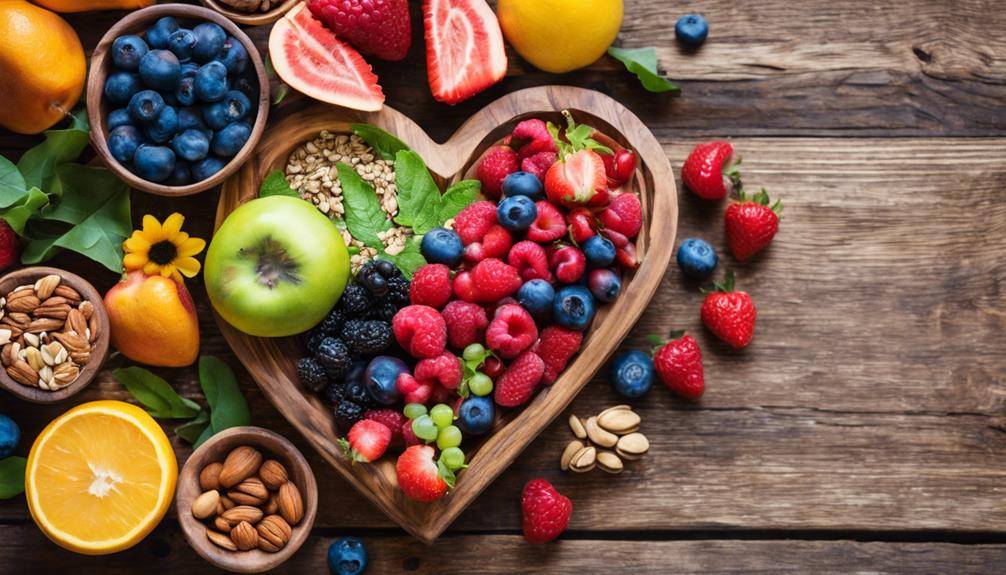
Incorporating a variety of anti-inflammatory foods into your diet can markedly enhance your heart health. Start by including plenty of fruits and vegetables, as they’re packed with antioxidants. Berries, for instance, are particularly beneficial due to their high levels of anthocyanins, which can help reduce inflammation and improve cardiovascular function. Leafy greens like spinach and kale are also excellent choices, providing vitamins and minerals that support overall heart health.
Don’t overlook healthy fats, either. Avocados, olive oil, and nuts are not only tasty but also rich in monounsaturated fats, which can help lower bad cholesterol levels. Fatty fish, such as salmon and mackerel, are great sources of omega-3 fatty acids. These nutrients have been shown to decrease inflammation and promote heart health.
You should also focus on fiber sources. Whole grains like oats, quinoa, and brown rice are fantastic options. They help regulate blood sugar levels and lower cholesterol, making them essential for heart health. Legumes, such as beans and lentils, are another excellent source of fiber while providing plant-based protein.
We’ve Got Everything You Need to Make Your Masterpiece.
Foods to Avoid
To achieve ideal heart health, it is crucial to recognize the detrimental effects of certain foods. First on the list are processed sugars. These sweeteners not only spike your blood sugar but also contribute to inflammation, leading to heart disease. It’s best to limit sugary snacks, sodas, and desserts, and opt for natural alternatives instead.
Next, you should steer clear of unhealthy fats, particularly trans fats and some saturated fats. Trans fats, often found in fried foods, baked goods, and margarine, raise bad cholesterol levels, increasing your risk of heart issues. Check labels for partially hydrogenated oils, which indicate the presence of trans fats.
Artificial additives, commonly used to enhance flavor or preserve foods, can also be harmful. Many processed foods contain these substances, which can lead to inflammation and other health problems. Instead of reaching for packaged foods, focus on whole, unprocessed items.
High sodium intake is another concern. Excessive salt can raise blood pressure, a significant risk factor for heart disease. Processed foods, canned soups, and fast food often contain high levels of sodium, so it’s wise to read labels and choose lower-sodium options.
Meal Planning Tips
Planning your meals ahead of time can make a significant difference in maintaining an anti-inflammatory diet for heart health. When you take the time to strategize your meals, you’re more likely to stick to healthier choices and avoid the temptation of processed foods. Start by setting aside a few hours each week for meal prep. This doesn’t just save time; it also helps you control portions and guarantees you have nutritious options readily available.
Begin by choosing a variety of anti-inflammatory foods like leafy greens, berries, nuts, and fatty fish. Create a weekly menu that incorporates these foods in different ways to keep your meals exciting. Once you’ve planned your meals, take a few hours to prep. Chop veggies, cook grains, and portion out snacks. Using clear containers can help you visualize your portions and make it easy to grab something healthy when you’re on the go.
Don’t forget about portion control. It’s important to eat the right amount for your body’s needs. Use measuring cups or a food scale to help you gauge portions accurately. You might find that pre-portioning your meals also helps prevent overeating and reduces food waste.
Healthy Cooking Methods
Healthy cooking methods play an essential role in maximizing the benefits of an anti-inflammatory diet for heart health. By choosing the right techniques, you can enhance flavors while maintaining the nutritional value of your meals.
Grilling techniques, for instance, offer a great way to prepare lean meats and vegetables. You can achieve a delicious char while reducing added fats. Steaming vegetables preserves their nutrients and vibrant colors, making them a perfect side dish that complements any meal. When it comes to sautéing methods, using a small amount of healthy oil, like olive oil, can keep your meals heart-friendly while adding depth to your dishes.
For a cozy approach, consider slow cooking. This method allows flavors to develop fully over time, making it ideal for soups and stews. Poaching fish is another heart-healthy technique that keeps the protein moist without added fat.
Baking tips can elevate your meals, too—opt for whole-grain flours and natural sweeteners to create healthier baked goods. Roasting strategies can transform root vegetables and lean proteins into flavorful dishes. Finally, pressure cooking is a time-saver that locks in nutrients while speeding up the cooking process.
Importance of Omega-3 Fatty Acids
Omega-3 fatty acids are essential for maintaining heart health, as they help reduce inflammation and lower the risk of heart disease. You can find these beneficial fats in sources like fatty fish, flaxseeds, and walnuts. Incorporating more Omega-3s into your diet can make a significant difference in your overall well-being.
Benefits of Omega-3
Fatty fish like salmon and mackerel are packed with omega-3 fatty acids, which play an essential role in heart health. These powerful nutrients help reduce inflammation, lower triglyceride levels, and decrease the risk of heart disease. Incorporating omega-3 sources into your diet can greatly improve your cardiovascular health.
One of the primary omega-3 benefits is its ability to lower blood pressure. Research shows that regular consumption of omega-3s can help relax blood vessels, making it easier for your heart to pump blood. Additionally, omega-3 fatty acids support healthy cholesterol levels by raising HDL (good) cholesterol while lowering LDL (bad) cholesterol.
Moreover, omega-3s contribute to reducing the risk of arrhythmias, or irregular heartbeats, which can lead to serious complications. By promoting overall heart health, these essential fatty acids can enhance your well-being and longevity.
To reap these omega-3 benefits, consider including fatty fish in your meals a few times a week. You’ll not only enjoy delicious flavors but also take significant steps toward protecting your heart. Prioritizing omega-3s in your diet is a smart choice for a healthier you.
Sources of Omega-3
Incorporating omega-3 fatty acids into your diet is easier than you might think, thanks to a variety of delicious sources. Marine sources like fatty fish—such as salmon, mackerel, and sardines—are some of the richest in omega-3s. Aim for at least two servings a week to reap the omega-3 benefits for your heart health. If you prefer plant sources, consider flaxseeds, chia seeds, or walnuts, which provide alpha-linolenic acid (ALA), a type of omega-3.
For those who struggle to get enough omega-3s from food alone, supplementation options like fish oil or algae oil can help you meet your daily intake goals. When choosing supplements, pay attention to sourcing quality to guarantee you’re getting a pure product.
When cooking, try grilling or baking fish instead of frying to maintain its heart-healthy properties. Balancing your diet with a mix of these sources will not only enhance your meals but also contribute to a healthier lifestyle. Remember, achieving dietary balance is key to maximizing the health benefits of omega-3 fatty acids.
We’ve Got Everything You Need to Make Your Masterpiece.
Hydration and Heart Health
Staying hydrated is vital for your heart health, as proper water intake helps maintain ideal blood circulation. By incorporating hydrating foods into your diet, you can support your body’s needs while also benefiting from essential nutrients. Additionally, balancing your electrolytes is key to ensuring your heart functions efficiently.
Importance of Water Intake
When it comes to maintaining heart health, many people overlook the critical role of hydration. Staying adequately hydrated isn’t just about quenching your thirst; it’s essential for your cardiovascular system. Water helps maintain ideal blood viscosity, ensuring that your heart doesn’t have to work harder than necessary. Effective hydration strategies can include drinking water throughout the day and incorporating various water sources into your diet.
Aim for at least eight glasses of water daily, but listen to your body, as needs can vary. Consider infusing your water with fruits or herbs for added flavor and nutrients. Additionally, don’t forget that many fruits and vegetables, like cucumbers and watermelon, are excellent water sources that can boost your hydration levels.
When you prioritize hydration, you’re actively supporting your heart’s function and overall health. Dehydration can lead to increased heart rate and blood pressure, putting extra strain on your cardiovascular system. So, make a habit of drinking water regularly and implementing hydration strategies that suit your lifestyle. Your heart will thank you for it!
Hydrating Foods Benefits
Hydrating foods play a significant role in promoting heart health while also contributing to your overall hydration needs. Including hydrating fruits and vegetables in your diet can help keep your body functioning effectively. Foods like watermelon, cucumbers, and oranges not only provide hydration but also deliver essential vitamins and antioxidants that support heart health.
When you consume hydrating fruits, you’re getting more than just water content; you’re also benefiting from natural sugars and fiber, which can help regulate blood sugar levels and maintain a healthy weight. This is vital for reducing heart disease risk. Additionally, vegetable hydration from options like lettuce, celery, and bell peppers can add volume to your meals without piling on calories, making it easier to manage your weight.
Staying hydrated through these foods means better circulation and less strain on your heart. You’ll find that incorporating a variety of these hydrating options into your meals will not only enhance your hydration but also boost your overall nutrient intake. So, make a conscious effort to fill your plate with these vibrant, water-rich foods for a heart-healthy diet.
Electrolyte Balance Essentials
Maintaining electrolyte balance is essential for optimal hydration and heart health. When you think about hydration, it’s not just about drinking water. Your body needs a proper mix of electrolytes—like sodium, potassium, and magnesium—to function effectively. These minerals help regulate fluid balance, muscle contractions, and nerve function, all vital for a healthy heart.
You can find excellent electrolyte sources in fruits and vegetables, such as bananas, oranges, spinach, and sweet potatoes. Incorporating these foods into your diet can help you maintain proper electrolyte balance. It’s also helpful to consume natural electrolyte-rich drinks like coconut water or homemade sports drinks, especially after exercise.
Lifestyle Changes for Better Results
Making simple yet effective lifestyle changes can greatly enhance the benefits of an anti-inflammatory diet for heart health. First, focus on stress management. Chronic stress can contribute to inflammation, so it’s vital to find healthy ways to cope. Consider practices like mindfulness, yoga, or deep-breathing exercises. These techniques can help lower your stress levels and, in turn, support your heart health.
Next, prioritize sleep hygiene. Quality sleep is essential for reducing inflammation and maintaining overall well-being. Aim for seven to nine hours of uninterrupted sleep each night. Create a calming bedtime routine by limiting screen time before bed, keeping your bedroom dark and cool, and establishing a consistent sleep schedule. This can make a significant difference in how you feel and function during the day.
Additionally, incorporate regular physical activity into your routine. Whether it’s walking, cycling, or engaging in a sport you love, finding ways to move your body can help reduce inflammation and improve heart health. Aim for at least 150 minutes of moderate exercise each week.
Lastly, stay connected with friends and family. Social interactions can provide emotional support and contribute to better stress management, further enhancing the benefits of your anti-inflammatory diet. By making these lifestyle changes, you’re creating a solid foundation for better heart health, allowing you to enjoy the full benefits of your dietary choices. Take charge of your health today!
We’ve Got Everything You Need to Make Your Masterpiece.
Frequently Asked Questions: Anti-Inflammatory Diet Strategies For Heart
Can I Follow an Anti-Inflammatory Diet if I’m Vegetarian?
Yes, you can absolutely follow an anti-inflammatory diet as a vegetarian. Focus on incorporating vegetarian protein sources like legumes and quinoa, along with plant-based fats from avocados and nuts, to support your health effectively.
How Long Until I See Heart Health Improvements?
You might start seeing heart health improvements within a few weeks, but individual differences play a role. Consistent lifestyle changes, like diet and exercise, can enhance your results over time, so stay committed!
Are Supplements Necessary for an Anti-Inflammatory Diet?
Supplements aren’t always necessary; you can often get what you need from food. If you choose to supplement, consult with a healthcare professional about appropriate supplement sources and dosage guidelines to guarantee safety and effectiveness.
Can Stress Impact Inflammation Levels and Heart Health?
Yes, stress can greatly impact inflammation levels and heart health. By practicing effective stress management techniques, you’ll promote inflammation reduction, leading to better overall well-being and a healthier heart. Prioritize your mental wellness for lasting benefits.
Is It Safe to Combine an Anti-Inflammatory Diet With Other Diets?
Yes, it’s safe to combine an anti-inflammatory diet with other diets. Just ascertain the anti-inflammatory foods you choose are compatible with your overall dietary goals, supporting your health without causing conflicts or nutrient imbalances.

Conclusion
By incorporating anti-inflammatory diet strategies into your daily routine, you can greatly boost your heart health. Focus on including key foods, avoiding harmful ones, and adopting healthy cooking methods. Don’t forget the importance of omega-3 fatty acids and staying hydrated. Plus, making lifestyle changes alongside your diet will enhance your results even further. Remember, small adjustments can lead to big improvements in your overall well-being, so start today and embrace a heart-healthy lifestyle!