Great Seafood In Anti-Inflammatory Diet Strategies
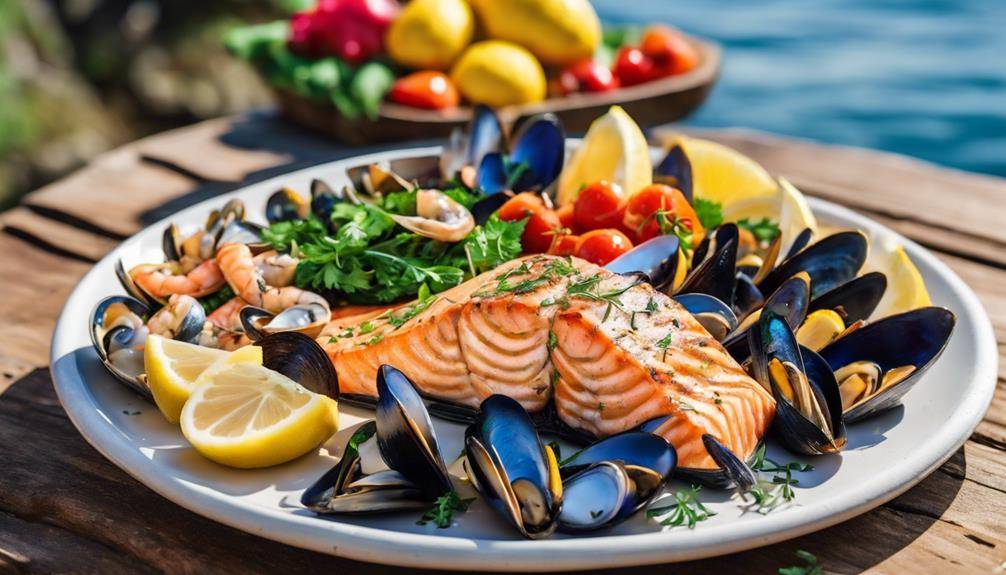
Seafood In Anti-Inflammatory Diet Strategies; Including seafood in your anti-inflammatory diet is a smart choice. Fatty fish like salmon, mackerel, and sardines are packed with omega-3 fatty acids, which help reduce inflammation and support heart health. Aim to enjoy seafood at least twice a week for maximum benefits. Remember to choose fresh options; look for shiny skin and firm texture. Cooking methods like steaming or grilling preserve nutrients effectively. Plus, combining seafood with anti-inflammatory herbs and spices enhances its benefits. Discovering ways to enjoy seafood in your meals can elevate both flavor and health outcomes. There’s much more to explore about its incredible advantages!
We’ve Got Everything You Need to Make Your Masterpiece.
Importance of Omega-3 Fatty Acids
Omega-3 fatty acids are essential for anyone looking to combat inflammation effectively. These powerful nutrients play a vital role in your overall health, especially if you’re dealing with chronic inflammatory conditions. The fatty acid benefits are numerous, ranging from improved heart health to enhanced brain function. By incorporating omega-3s into your diet, you can help reduce the risk of various diseases linked to inflammation.
You might be wondering where to find omega 3 sources. Fatty fish like salmon, mackerel, and sardines are among the best options. These fish are rich in EPA and DHA, two types of omega-3s that directly contribute to reducing inflammation in the body. If you’re not a fan of fish, you can also consider plant-based sources like flaxseeds, chia seeds, and walnuts, which provide ALA, another form of omega-3.
Incorporating these omega-3 sources into your meals can be simple. Try adding flaxseed to your morning smoothie or enjoying a salmon fillet for dinner. Regular consumption of these foods can lead to significant reductions in inflammatory markers, allowing you to feel your best.
Don’t overlook the importance of omega-3s when planning your anti-inflammatory diet. By prioritizing these fatty acids, you’re taking a significant step toward better health and well-being. With just a few dietary adjustments, you can harness the power of omega-3s and enjoy their numerous benefits for your body.
Types of Anti-Inflammatory Seafood
When choosing seafood for an anti-inflammatory diet, you’ll find a variety of options that can help combat inflammation while delivering essential nutrients. Fatty fish, in particular, are excellent choices due to their high omega-3 fatty acid content. Fish like salmon, mackerel, sardines, and trout not only provide these beneficial fats but also offer a rich source of protein, vitamins, and minerals. Incorporating fatty fish into your meals a couple of times a week can be a delicious way to support your health.
In addition to fatty fish, don’t overlook the benefits of shellfish varieties. Shrimp, crab, and oysters are not only tasty but also pack a nutritional punch. These shellfish are low in calories and high in essential nutrients like zinc, vitamin B12, and selenium, which can further aid in reducing inflammation. They’re versatile, too; you can grill, sauté, or even add them to soups and salads for a satisfying meal.
Both fatty fish and shellfish varieties can easily fit into your weekly meal plan. Whether you enjoy a hearty salmon fillet, a zesty shrimp stir-fry, or a comforting bowl of clam chowder, you can savor the flavors while contributing to your anti-inflammatory goals. So, get creative in the kitchen and explore the vast world of seafood that can enhance your diet and promote overall wellness.
Health Benefits of Seafood
When you include seafood in your diet, you’re tapping into a powerhouse of nutrients. Rich in omega-3 fatty acids, seafood can help reduce inflammation and promote heart health. Plus, its diverse nutrient profile supports overall wellness, making it a smart choice for your meals.
Omega-3 Fatty Acids
Rich in Omega-3 fatty acids, seafood offers numerous health benefits that can considerably enhance your well-being. These essential fats play a significant role in maintaining a healthy body and mind. When you include seafood in your diet, you’re tapping into potent omega 3 sources that can help reduce inflammation, lower the risk of chronic diseases, and improve heart health.
Incorporating seafood into your meals helps achieve dietary balance, ensuring you get the nutrients your body needs. Omega-3s are known for their ability to support brain function and mood regulation, making them essential for mental health. By choosing fatty fish like salmon, mackerel, or sardines, you’ll be providing your body with high-quality protein and beneficial fats that can combat inflammation.
Moreover, these omega 3 sources are versatile, easily fitting into various dishes, from salads to pastas. To reap the full benefits, aim to consume seafood at least twice a week. This way, you’ll not only enjoy delicious meals but also nourish your body with the anti-inflammatory properties of omega-3 fatty acids. Embrace seafood as a key component of your diet for a healthier, more balanced lifestyle.
We’ve Got Everything You Need to Make Your Masterpiece.
Rich Nutrient Profile
Seafood boasts a rich nutrient profile that can greatly benefit your health. When you include various seafood varieties in your diet, you tap into a powerhouse of essential nutrients. Seafood is known for its high nutrient density, meaning you get a lot of vitamins, minerals, and beneficial compounds without consuming excess calories.
Fish like salmon, mackerel, and sardines are particularly high in omega-3 fatty acids, which have potent anti-inflammatory properties. These fatty acids support heart health, enhance brain function, and may even improve mood. Additionally, seafood is packed with protein, helping you maintain muscle mass and keep you feeling full longer.
Minerals such as selenium, zinc, and iodine are abundant in many seafood options, contributing to your overall well-being. Vitamin D, often lacking in many diets, is readily available in fish like salmon and trout. By incorporating a variety of seafood into your meals, you not only enjoy diverse flavors but also considerably improve your nutrient intake.
How to Choose Fresh Seafood
When you’re picking fresh seafood, it’s important to know what’s in season to guarantee the best flavor and quality. Look for visual freshness indicators like clear eyes and vibrant colors to help you make a good choice. Also, consider sustainable sourcing practices to support environmentally friendly fishing methods.
Seasonal Seafood Selection
Choosing fresh seafood can feel overwhelming, but focusing on seasonal availability simplifies the process. By knowing what’s in season, you can guarantee you’re getting the freshest options while supporting local fisheries. Seasonal seafood not only tastes better but also tends to be more affordable and sustainable.
Start by researching which seafood is available in your area during different times of the year. For instance, salmon is typically in season during summer, while winter brings you tasty varieties like cod and halibut. Visit local farmers’ markets or fish markets, as they often provide seafood sourced from nearby waters. This not only helps you discover what’s currently available but also allows you to ask questions about the catch.
Consider subscribing to a local seafood delivery service that focuses on seasonal selections. This way, you’ll receive fresh seafood consistently tailored to what’s currently available. Your meals will be more exciting and varied, and you’ll feel good about supporting local fisheries. By prioritizing seasonal seafood, you can enjoy a delicious, healthful diet while contributing to sustainable fishing practices.
Visual Freshness Indicators
Freshness is key when selecting seafood, and knowing the visual indicators can make all the difference. First, pay attention to color indicators. Fresh fish should have a vibrant appearance, whether it’s deep red for tuna or bright orange for salmon. If the color looks dull or faded, it’s likely past its prime.
Next, look closely at the eyes. They should be clear and bulging, not cloudy or sunken. This is an essential sign of freshness.
Now, let’s talk about texture evaluation. Fresh seafood should feel firm to the touch. Gently press your finger into the flesh; if it springs back, that’s a good sign. If it leaves an indentation, it might be too old.
Another point to take into account is the skin. For whole fish, the skin should be shiny and metallic, while fillets should have a moist appearance without any signs of dryness or browning.
Sustainable Sourcing Practices
Selecting seafood that not only meets your freshness criteria but is also sustainably sourced is essential for both your health and the environment. When you’re at the market or ordering online, look for labels or certifications that indicate ethical fishing practices. These certifications often include the Marine Stewardship Council (MSC) or the Aquaculture Stewardship Council (ASC), which guarantee that seafood is caught or farmed in ways that minimize environmental impact.
You should also consider the species you’re purchasing. Some fish populations are overfished or caught in ways that harm their ecosystems. Researching which species are sustainably sourced can help you make informed choices. Additionally, support local fish markets that prioritize ethical fishing and sustainable aquaculture practices. These vendors often have better knowledge of their products and can provide insights into how the seafood was sourced.
Cooking Methods for Maximum Benefits
When it comes to maximizing the benefits of seafood in an anti-inflammatory diet, the cooking methods you choose can make all the difference. Opting for healthier cooking techniques can help preserve the nutrients and anti-inflammatory properties of seafood. Steaming techniques are a fantastic choice; they allow you to cook your fish or shellfish while retaining essential vitamins and omega-3 fatty acids. By using a steamer basket or even a microwave-safe dish with a lid, you can gently cook your seafood without adding unhealthy fats or oils.
Grilling tips also offer a delicious way to prepare seafood while keeping health benefits in mind. When you grill, you can enhance the flavors of the fish while allowing excess fat to drip away. Just be sure to use a moderate heat setting to avoid charring, which can produce harmful compounds. Marinating your seafood beforehand can add flavor and help keep it moist during grilling, enhancing both taste and health benefits.
Additionally, consider incorporating herbs and spices known for their anti-inflammatory properties, such as turmeric, garlic, or ginger, whether you’re steaming or grilling. These additions can amplify the nutritional profile of your meal. Remember, the goal is to cook seafood in a way that maintains its natural goodness, so stick to methods that highlight its flavors while promoting your anti-inflammatory goals. With these cooking techniques, you’ll not only enjoy delicious meals but also support your overall health.
We’ve Got Everything You Need to Make Your Masterpiece.
Sustainable Seafood Options
Choosing sustainable seafood options not only supports your health but also helps protect the oceans. When you opt for seafood that’s sourced through sustainable fishing practices, you’re making a conscious choice that benefits both your body and the environment. Sustainable fishing methods guarantee that fish populations remain healthy and ecosystems are preserved, which is vital in maintaining the balance of marine life.
Look for eco-friendly seafood labels like the Marine Stewardship Council (MSC) or the Aquaculture Stewardship Council (ASC). These certifications indicate that the seafood you’re buying comes from fisheries or farms that follow responsible practices. By choosing these products, you’re supporting efforts to minimize overfishing and harmful environmental impacts.
Incorporating sustainable seafood into your diet can also introduce you to a variety of nutrient-rich options. Fish like wild-caught salmon, sardines, and mackerel are not only delicious but packed with omega-3 fatty acids, which are key players in an anti-inflammatory diet.
You can also explore lesser-known species that are caught sustainably. These options often have a lower environmental impact and can provide unique flavors for your meals.
Incorporating Seafood Into Meals
Incorporating seafood into your meals can be a delicious and nutritious way to enhance your anti-inflammatory diet. Seafood, rich in omega-3 fatty acids, offers numerous health benefits while adding a unique taste to your dishes. Start by considering meal pairings that complement the flavors of fish and shellfish. For instance, grilled salmon pairs beautifully with a side of quinoa salad, which can be tossed with cherry tomatoes, cucumber, and a drizzle of olive oil. This combination not only boosts your intake of anti-inflammatory nutrients but also creates a satisfying and colorful plate.
Experimenting with flavor enhancements can elevate your seafood dishes even further. Try marinating shrimp in a mix of garlic, lemon juice, and fresh herbs before grilling for a burst of flavor that’s both fresh and zesty. If you prefer a creamy texture, consider a light sauce made from Greek yogurt and dill to accompany baked cod.
Don’t forget about incorporating seafood into soups and stews, too. A hearty seafood chowder can be a comforting meal, filled with vegetables and seasoned with turmeric and black pepper to enhance its anti-inflammatory properties.
Common Myths About Seafood
Debunking common myths about seafood is essential for making informed dietary choices. Many people believe seafood is only for special occasions or that it’s too expensive, but that’s not true. In reality, seafood can be a budget-friendly protein option, especially when you choose sustainable or frozen varieties.
Another prevalent seafood misconception is that all fish are high in mercury. While certain species do contain higher levels, many fish, like salmon and sardines, are low in mercury and packed with omega-3 fatty acids. Including these in your diet can actually support an anti-inflammatory lifestyle rather than detract from it.
You might also think seafood is high in cholesterol and should be avoided. This nutritional myth has been debunked by numerous studies, showing that moderate seafood consumption can actually improve heart health due to its beneficial fats.
Lastly, some believe that seafood is difficult to prepare. In actuality, many seafood dishes can be quick and easy to cook, making them perfect for busy weeknight meals. Grilling shrimp or baking a fillet can take less time than preparing traditional meat options.
We’ve Got Everything You Need to Make Your Masterpiece.
Frequently Asked Questions: Seafood In Anti-Inflammatory Diet Strategies
Can I Eat Seafood if I Have a Shellfish Allergy?
If you have a shellfish allergy, it’s best to avoid all seafood containing shellfish. Instead, consider safe seafood alternatives like fish, which can provide health benefits without triggering your allergies. Always consult your doctor first.
How Often Should I Consume Seafood for Anti-Inflammatory Benefits?
To gain omega benefits, aim for seafood frequency of two to three times a week. This regular intake can markedly enhance your anti-inflammatory response, promoting overall health and well-being without overwhelming your system.
Are Frozen Seafood Options as Nutritious as Fresh?
When comparing frozen seafood nutrition to fresh, you’ll find they can be equally nutritious. Frozen options often retain vitamins and minerals, making them a convenient alternative when fresh seafood isn’t available or practical for you.
What Are the Best Seafood Choices for Children?
When considering the best seafood choices for children, focus on options like salmon and sardines for their nutritional benefits. You can grill, bake, or steam them to make healthy meals kids will enjoy.
Is Canned Seafood a Good Option for an Anti-Inflammatory Diet?
Canned seafood can be a great option for you. Canned salmon and sardines offer numerous benefits, like omega-3 fatty acids, which help reduce inflammation. They’re convenient, nutritious, and easy to include in your meals.

Conclusion
Incorporating seafood into your anti-inflammatory diet can greatly boost your health. By choosing fresh, sustainable options rich in omega-3 fatty acids, you can enjoy a variety of delicious meals while reaping the benefits of reduced inflammation. Don’t forget to explore different cooking methods to maximize these advantages. So, plunge into the world of seafood and embrace its nutritional power for a healthier, more balanced lifestyle. Your body will thank you for it!