Why Choose Cast Iron For Top Dessert Recipes
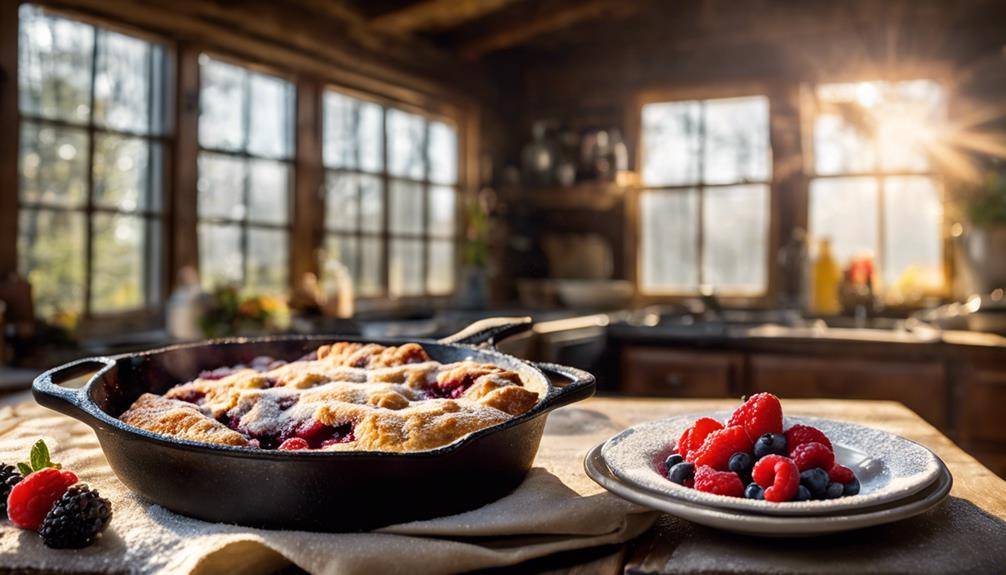
Why Choose Cast Iron For Top Dessert Recipes: You should choose cast iron for your top dessert recipes because it offers remarkable heat retention and even cooking. This combination guarantees your desserts bake uniformly, preventing burnt edges and undercooked centers. The natural non-stick surface develops over time, making it easy to release your treats while enhancing their flavors. Cast iron's durability means you'll enjoy using it for generations, and its versatility allows for various baking methods, from brownies to cobblers. Plus, serving directly from the skillet adds a rustic charm. There's so much more to discover about using cast iron for delightful desserts.
Benefits of Cast Iron
Click Here and Turn Every Masterpiece into a Showstopper!
When you choose cast iron for your dessert recipes, you're opting for a cookware that offers remarkable heat retention and even cooking. One of the key cast iron advantages is its ability to maintain consistent temperatures, which is essential when you're baking delicate items like soufflés or brownies. This even heat distribution helps prevent those dreaded hot spots that can ruin your dessert.
Another benefit is durability. Cast iron pans can last a lifetime, and with proper care, they develop a natural non-stick surface over time. This means you'll spend less time worrying about your desserts sticking and more time enjoying the fruits of your labor. Plus, they're versatile; you can use them on the stovetop or in the oven, making them perfect for recipes that start on the stovetop and finish in the oven.
However, there are also some common cast iron myths that you might encounter. Many people believe that cast iron is too heavy or difficult to maintain. While it's true that cast iron is heavier than other materials, its weight actually helps with stability while cooking. And as for maintenance, seasoning your cast iron is simpler than you might think. Regular oiling and proper cleaning can keep your cookware in tip-top shape.
Incorporating cast iron into your dessert-making routine not only enhances your cooking experience but also dispels the myths surrounding it. You'll find that the benefits far outweigh any misconceptions.
Heat Retention Properties
When you use cast iron for your dessert recipes, you'll appreciate its exceptional heat distribution. This material doesn't just heat up quickly; it also retains warmth longer than other options, ensuring your treats stay toasty. You'll find that this reliability enhances the texture and flavor of your desserts, making every bite enjoyable.
Exceptional Heat Distribution
Cast iron's exceptional heat distribution makes it a standout choice for dessert recipes. When you use cast iron for dessert baking, you'll notice that the heat spreads evenly across the surface. This means no more hot spots that can burn your treats or cold areas that leave them undercooked. Instead, your brownies, cakes, and cobblers will bake uniformly, ensuring that every bite is just as delicious as the last.
One of the key cast iron benefits is its ability to maintain temperature stability. Once your pan heats up, it stays hot, allowing for better caramelization and browning. This is particularly important for recipes that require precise cooking times, like custards or meringues, where even slight variations can affect the outcome.
You'll also find that cast iron pans retain heat exceptionally well, which helps with the finishing touches on your desserts. Whether you're baking a deep-dish pie or a skillet cookie, the consistent heat will help you achieve that perfect texture, making your dessert the star of the show. So, next time you're in the kitchen, consider reaching for cast iron and elevate your dessert game!
Long-lasting Warmth Retention
One of the most impressive features of cast iron is its remarkable heat retention properties. When you bake a dessert in a cast iron skillet, it holds onto that heat long after you've taken it out of the oven. This means your cobbler or brownie stays warm, allowing you to serve it at the perfect temperature, enhancing its flavor and texture.
The long-lasting warmth retention is one of the most sought-after cast iron benefits, especially when you're entertaining guests. You won't have to worry about rushing to serve your dessert; it'll remain invitingly warm, keeping everyone satisfied. Plus, the ability to hold heat means you can achieve that sought-after crust on pies or cakes, creating delightful contrasts in texture.
Cast iron also offers incredible dessert versatility. Whether you're making a deep-dish cookie or a classic skillet cake, you can count on your cast iron pan to deliver consistent results. With the added bonus of heat retention, your desserts will not only taste great but also look impressive right up until the last bite. So, embrace cast iron for your next dessert adventure!
Even Heat Distribution
When you use cast iron for baking, you'll notice how evenly it distributes heat, leading to consistent results every time. This even heat helps enhance the flavors in your desserts, allowing them to reach their full potential. So, if you want perfectly baked treats, cast iron is a game changer.
Consistent Baking Results
For those who crave perfectly baked desserts, even heat distribution is essential. Cast iron skillets and pans excel at this, ensuring your treats bake evenly from edge to center. This consistent baking consistency means no more burnt edges or undercooked centers, allowing you to achieve the ideal texture every time.
When using cast iron, you'll find that many of your favorite recipes require fewer adjustments. Thanks to the material's ability to retain heat, you won't need to tweak baking times or temperatures as often. This reliability streamlines your baking process, letting you focus on the fun part—creating delicious desserts.
Moreover, the weight of cast iron helps stabilize the temperature, preventing hot spots that can ruin your baked goods. Whether you're whipping up a gooey brownie or a delicate cake, you can trust that your cast iron bakeware will deliver consistent results.
Enhanced Flavor Profiles
The even heat distribution of cast iron not only guarantees consistent baking results but also enhances the flavor profiles of your desserts. When you use cast iron, you'll find that the heat radiates evenly, allowing for perfectly caramelized crusts that elevate the taste of your treats. This even cooking prevents hot spots, which can lead to uneven browning or burnt edges, ensuring that every bite is just right.
Imagine pulling a rich chocolate cake from the oven, its exterior boasting a beautifully caramelized crust while the inside remains moist and fluffy. The unique thermal properties of cast iron also promote rich textures, helping to create that perfect balance between crispy and soft. When you bake in cast iron, you're not just using a pan; you're crafting a masterpiece.
From cobblers to brownies, the flavors deepen and mature as they bake, thanks to the cast iron's ability to maintain steady temperatures. So, if you want to take your dessert recipes to the next level, embracing cast iron is a delicious choice that promises enhanced flavors and textures you won't want to miss.
Versatility in Baking
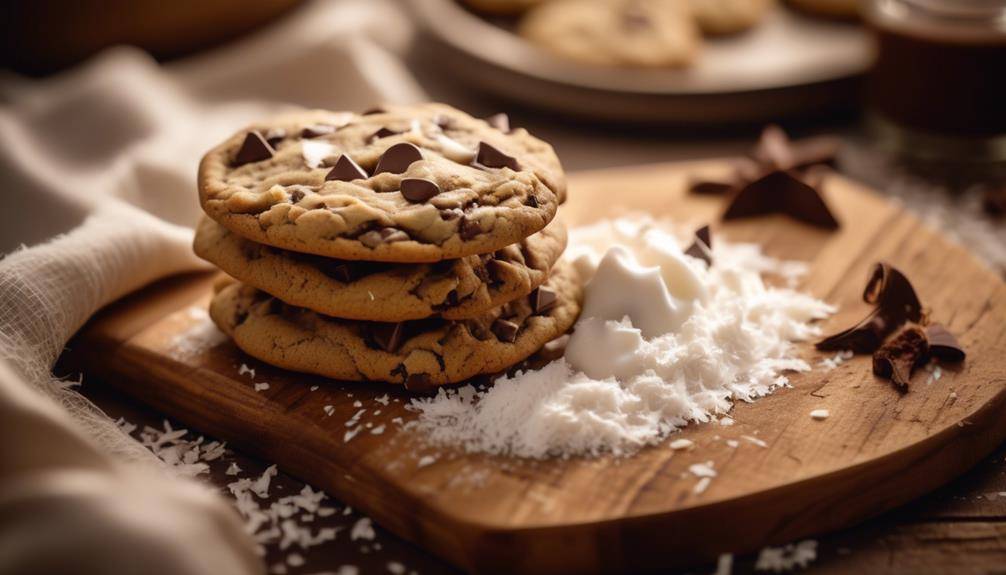
Cast iron's versatility in baking makes it an essential tool for any dessert enthusiast. Whether you're whipping up a classic chocolate chip cookie or experimenting with a new tart recipe, cast iron skillets and pans can elevate your baking game. Their ability to retain heat and distribute it evenly means your desserts bake consistently, giving you perfect results every time.
You can explore various baking techniques with cast iron. Try using your skillet for deep-dish pies, where the sturdy sides help create a beautiful, flaky crust. Or, bake a luscious cobbler directly in the pan, allowing the fruit to bubble and caramelize perfectly. You'll find that the natural non-stick surface of well-seasoned cast iron enhances your baking experience, making it easier to release your creations without sticking.
Recipe variations are endless when you embrace cast iron. You can easily adapt traditional recipes, like cornbread or brownies, to suit your taste and dietary preferences. Imagine a gluten-free brownie baked in a cast iron skillet, or a vegan upside-down cake that showcases seasonal fruits. The possibilities are as varied as your imagination.
Moreover, the striking presentation of a dessert served directly from a cast iron pan adds a rustic charm to your dining table. So, get creative and experiment with different baking techniques and recipe variations. With cast iron, you'll find that your baking can be as versatile as your culinary ambitions.
Enhancing Flavor Profiles
When you use cast iron for your desserts, its natural nonstick properties help ingredients release easily, enhancing the overall texture. The even heat distribution allows for consistent baking, which brings out the best flavors in your ingredients. This combination not only makes your desserts easier to handle but also elevates their taste.
Natural Nonstick Properties
Many bakers appreciate how cast iron's natural nonstick properties can elevate dessert recipes. When you properly maintain your skillet with cast iron seasoning, it creates a smooth surface that helps prevent sticking. This means you can focus on the flavors of your desserts without worrying about them clinging to the pan.
The beauty of using cast iron lies in its ability to enhance your baking experimentation. Whether you're whipping up a gooey brownie or a delicate cornbread cake, the seasoned surface guarantees an easy release. You'll find that your desserts develop a beautiful crust, which can add a delightful texture that complements the flavors.
Moreover, the nonstick quality allows you to use less fat or oil, letting the natural flavors of your ingredients shine through. You'll notice that your creations taste richer and more vibrant, allowing you to experiment with various flavor combinations.
Even Heat Distribution
The ability of cast iron to provide even heat distribution greatly enhances the flavor profiles of your desserts. When you use cast iron, you're tapping into one of its key advantages: consistent temperature across the surface. This means every part of your cake, pie, or cobbler bakes uniformly, preventing those dreaded hot and cold spots that can ruin your creations.
With cast iron, your baking techniques can shine. For instance, when making a skillet cookie or a fruit crisp, the even heat guarantees that the edges get that perfect golden-brown finish while the center stays moist and flavorful. No more worrying about undercooked or overcooked sections—your desserts rise and bake beautifully, allowing the flavors to meld together harmoniously.
Additionally, cast iron retains heat exceptionally well, so once your dessert is in the oven, it continues to cook evenly even after you've turned the heat down. This characteristic allows for a deeper caramelization of sugars, enhancing the overall taste. So, if you're looking to elevate your baking game, embracing the advantages of cast iron will surely lead to delicious results every time.
Longevity and Durability
Cast iron cookware stands out for its remarkable longevity and durability, making it an excellent choice for dessert recipes. When you invest in a cast iron piece, you're not just buying a pan; you're acquiring a kitchen companion that can last generations. The history of cast iron dates back hundreds of years, with its resilience being a key reason it's endured the test of time. Many families pass down their cast iron skillets, each with its own unique stories and memories attached.
Taking care of cast iron might seem intimidating, but it's a straightforward process that pays off handsomely. With proper care, your cookware can develop a natural non-stick surface, enhancing its durability. Regular seasoning will protect your pan from rust and keep it in prime condition. Just remember to avoid harsh soaps or abrasive scrubbers, as these can strip away the seasoning and compromise the longevity of your cast iron.
Moreover, cast iron can withstand high temperatures and is compatible with various cooking methods, from stovetop to oven. This versatility means you can confidently use your cast iron skillet for a range of dessert recipes, whether you're baking a pie or making a skillet cookie. Each time you whip up something sweet, you're not only enjoying delicious results but also ensuring that your cast iron cookware remains a reliable, long-lasting staple in your kitchen. Embrace this timeless tool, and it'll reward you with years of flavorful desserts.
Click Here and Turn Every Masterpiece into a Showstopper!
Easy Maintenance Tips
Proper maintenance of your cast iron cookware can be surprisingly simple and rewarding. By adopting a few essential cleaning methods and seasoning tips, you'll keep your cookware in excellent shape for years to come.
After each use, avoid soaking your cast iron in water. Instead, clean it while it's still warm. Use a stiff brush or a non-metal scrubber to remove food particles. If you've cooked something particularly sticky, add a bit of coarse salt and scrub with a paper towel. For stubborn spots, a small amount of water can help, but remember to dry it thoroughly afterward to prevent rust.
Once your pan is clean, it's time for some seasoning. Seasoning is vital for maintaining that non-stick surface and preventing corrosion. Apply a thin layer of vegetable oil or melted shortening to the interior of your cookware, then place it upside down in the oven at around 350°F (175°C) for an hour. This process allows the oil to bond with the iron, creating a protective layer.
If you notice any rust or flaking, don't panic! Just scrub it with a bit of steel wool, re-season it, and it'll be as good as new. Remember, cast iron loves to be used. The more you cook with it and maintain it properly, the better it'll perform. So, embrace these easy maintenance tips, and your cast iron will reward you with delicious desserts for many years to come.
Popular Cast Iron Desserts
When it comes to dessert, using cast iron can elevate your baking game in unexpected ways. You might be surprised to find out just how versatile cast iron can be when it comes to sweet treats. One standout option is cast iron brownies. These brownies benefit from the even heat distribution of the skillet, resulting in a crispy outer layer and a fudgy center. Plus, you can easily serve them straight from the skillet, adding a rustic charm to your dessert presentation.
Another crowd-pleaser is skillet cobbler. The cast iron skillet not only helps achieve a golden, bubbly crust, but it also keeps the filling warm and gooey. Whether you're using fresh summer berries or canned peaches, the high sides of the skillet allow for a generous amount of fruit, making every bite delightful. You can even experiment with different toppings—think biscuits, cake mix, or even crumbly streusel.
Using cast iron for these desserts doesn't just enhance flavor and texture; it also brings a sense of nostalgia. There's something special about baking in a well-seasoned skillet that connects generations. Imagine serving your family a warm, homemade dessert right from the skillet, creating lasting memories. So, if you're looking to impress your friends or family, consider whipping up cast iron brownies or a delicious skillet cobbler. You won't regret it!
Cooking Techniques to Master
Mastering specific cooking techniques can transform your cast iron dessert game. To get the most out of your cast iron cookware, focus on vital baking techniques that elevate your desserts. Start with preheating your pan properly. A hot pan guarantees even cooking and prevents sticking, giving you that perfect golden crust. Remember to use the right amount of fat—whether it's butter, oil, or cooking spray—to enhance flavor and texture.
Next, pay attention to your mixing method. Overmixing can lead to dense cakes or muffins; instead, gently fold in your ingredients to keep the airiness. When it comes to baking time, keep a close eye on your dessert. Cast iron retains heat exceptionally well, so you might need to adjust baking times compared to traditional bakeware.
Once your dessert is out of the oven, dessert plating is key to impressing your guests. Use your cast iron skillet or pan as a rustic serving dish. For a beautiful presentation, sprinkle powdered sugar or drizzle a sauce right before serving. You can even garnish with fresh fruits or herbs for a pop of color.
Transitioning to Cast Iron
Shifting to cast iron can feel intimidating, but the rewards are well worth the effort. As you begin this journey, understanding the cast iron basics will set you up for success. Start by choosing the right pieces—whether it's a skillet, Dutch oven, or a baking pan, each has its unique advantages for dessert recipes.
One effective changeover technique is to begin with a well-seasoned cast iron piece. If you're new to cast iron cooking, consider purchasing pre-seasoned cookware or seasoning it yourself. To do this, clean your cookware thoroughly, apply a thin layer of vegetable oil, and bake it upside down in the oven at a high temperature. This process creates a non-stick surface that enhances your baking and cooking experience.
Next, adjust your cooking temperatures. Cast iron retains heat exceptionally well, meaning you'll often need to lower your oven temperature by about 25 degrees Fahrenheit compared to what you'd use with other materials. This adjustment prevents your desserts from overbaking or burning.
Lastly, practice patience. Cast iron requires a bit of a learning curve. You might need to experiment with baking times and techniques, but soon you'll find that the results—crispy edges, evenly baked centers, and rich flavors—are truly rewarding. Embrace this changeover, and you'll discover a world of delicious possibilities with cast iron!
Click Here and Turn Every Masterpiece into a Showstopper!
Frequently Asked Questions: Why Choose Cast Iron For Top Dessert Recipes
Can You Use Cast Iron on Induction Cooktops?
Yes, you can use cast iron on induction cooktops! Cast iron's compatibility with induction cookware makes it a great choice for efficient cooking. Just make sure your cast iron pieces have a flat bottom for best performance.
What Size Cast Iron Pan Is Best for Desserts?
For dessert baking, a 10 to 12-inch cast iron pan works best. Its even heat distribution enhances flavors, and its durability means you'll enjoy the cast iron benefits for years, making every dessert even better.
Do You Need to Season Cast Iron for Baking?
Yes, you need to season cast iron for baking. Proper seasoning techniques enhance non-stick properties, ensuring your desserts bake evenly. The baking benefits of a well-seasoned pan include easier cleanup and improved flavor in your treats.
Can You Use Metal Utensils on Cast Iron?
You can use metal utensils on cast iron, but be cautious. Cast iron durability means it can withstand some scraping, yet gentle cooking techniques preserve the seasoning. Opt for wood or silicone for longer-lasting care.
How Do You Store Cast Iron After Use?
After using your cast iron, let it cool, clean it with appropriate methods, and dry thoroughly. Store it in a dry place with a light coat of oil for ideal protection and longevity.

Conclusion
Choosing cast iron for your dessert recipes elevates your baking game with its exceptional heat retention and even heat distribution. You'll enjoy the versatility it offers, allowing you to whip up a variety of delicious treats while enhancing their flavors. Plus, with easy maintenance, shifting to cast iron is a breeze. So, grab your skillet and start exploring the delightful world of cast iron desserts—your taste buds will thank you!

Baking something sweet? Start with our Best Step-by-Step Cookie Baking Guide — the baking basics behind desserts like this one.