10 Easy Classic Argentinian Holiday Dishes To Try
Classic Argentinian Holiday Dishes To Try; If you want to experience the essence of Argentinian culture, you’ve got to try its classic holiday dishes. Start with asado, the beloved grilled meat centerpiece, and savor empanadas filled with local flavors. Don’t miss provoleta, a grilled cheese appetizer, or the festive vitel toné. Sweeten your feast with pan dulce and enjoy a slice of pionono. Locro, a hearty stew, is perfect for gatherings, while matambre adds creativity to your table. Finish with dulce de leche, found in many desserts. Each dish tells a story, and you’ll uncover even more culinary treasures as you explore further.
Click Here and Turn Every Masterpiece into a Showstopper!
Asado
Asado isn’t just a meal; it’s a cherished tradition in Argentina that brings friends and family together. When you step into an Argentinian backyard during a gathering, you’ll likely find a parrilla, or grill, at the center of attention. This is where the magic happens, as the air fills with the irresistible aroma of sizzling meats.
Understanding asado traditions is essential. It’s not merely about cooking; it’s an event. You’re invited to partake in the whole experience, from the preparation to the meal itself. You’ll start with marinated cuts of beef, pork, or lamb, often seasoned simply with salt. The beauty of asado lies in its grilling techniques. Instead of rushing the process, you’ll learn to cook low and slow over open flames, allowing the flavors to develop fully.
As you gather around the grill, you’ll notice the camaraderie among friends and family. It’s about sharing stories, laughter, and sometimes a glass of Malbec while the meat cooks to perfection. You’ll likely find the classic choripán—a chorizo sandwich—gracing the table, alongside chimichurri sauce for that extra zing.
When it’s time to eat, you’ll relish each bite, knowing that every cut serves as a reminder of the rich cultural heritage behind asado. So, whether you’re a guest or the one hosting, embracing asado traditions will make your experience truly unforgettable. You’re not just enjoying a meal; you’re participating in a time-honored celebration of life and community.
Empanadas
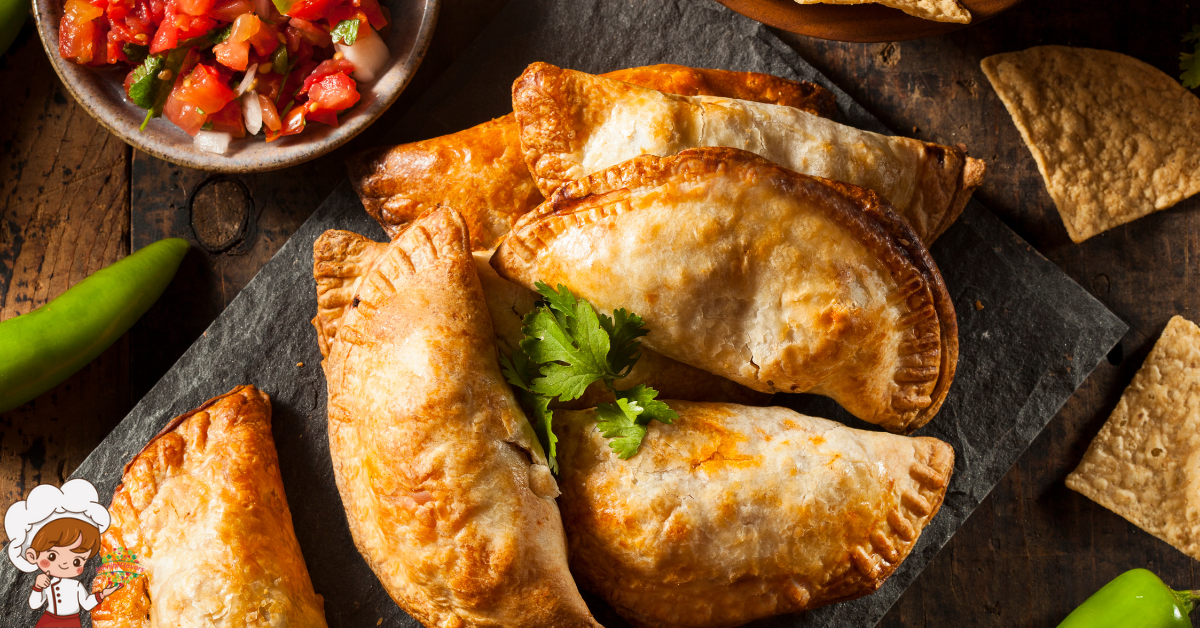
When you think of Argentinian empanadas, you’re in for a treat with their regional variations. Each province offers its unique twist, with fillings that range from savory meats to vibrant vegetables. Let’s explore the popular fillings you can’t miss during your holiday celebrations.
Regional Variations Explained
Exploring the diverse world of empanadas reveals a rich tapestry of flavors and ingredients, showcasing regional variations that reflect local traditions and tastes. Each region in Argentina boasts its unique twist on this beloved dish, often influenced by the availability of regional ingredients. For instance, in the northern provinces, you might find empanadas filled with spicy meats and potatoes, a reflection of their warmer climate and indigenous influences.
As you travel south, the fillings shift to incorporate more corn and cheese, celebrating the area’s agricultural bounty. In Patagonia, you’ll discover heartier versions, often stuffed with lamb or game meats, paying homage to the region’s rugged terrain and festive traditions.
In the coastal regions, seafood takes center stage, showcasing the fresh offerings from the Atlantic. Each bite of these empanadas tells a story of the land and its people, making them a staple during holiday gatherings and celebrations. Whether you enjoy them baked or fried, these regional variations not only satisfy your palate but also connect you to Argentina’s rich cultural heritage. So, when you indulge in empanadas, you’re savoring a piece of the country’s history.
Popular Fillings to Explore
Empanadas come alive with a variety of delicious fillings that cater to every taste. When exploring empanada varieties, you’ll find traditional options that reflect Argentina’s rich culinary heritage. For a classic experience, try the beef empanada, filled with spiced ground meat, onions, and hard-boiled eggs. If you’re in the mood for something lighter, chicken empanadas often feature shredded chicken mixed with bell peppers and olives, giving you a delightful burst of flavor.
Vegetarians aren’t left out, either! Spinach and cheese empanadas offer a scrumptious alternative, combining fresh spinach, creamy cheese, and a hint of nutmeg. And don’t overlook the sweet options! Dessert empanadas filled with dulce de leche or fruit preserve can be the perfect ending to a holiday meal.
As you immerse yourself in these empanada varieties, you’ll discover how they fit into holiday traditions across Argentina. Sharing empanadas with family and friends during festive gatherings is a cherished custom that brings everyone together. So, whether you’re enjoying savory or sweet, each bite of an empanada connects you to Argentina’s vibrant culture and its delicious holiday spirit.
Provoleta
Provoleta is a beloved staple in Argentinian cuisine that showcases the country’s rich culinary tradition. This dish features a thick slice of provolone cheese, which is expertly grilled until it melts and bubbles, creating a gooey, delicious treat. When you bite into it, the cheese stretches and oozes, giving you that perfect grilled cheese experience, but with a unique twist that only provolone can offer.
To make provoleta, you’ll typically season the cheese with a sprinkle of oregano and chili flakes, enhancing its flavor profile. As you savor this dish, you’ll notice how it pairs beautifully with crusty bread or fresh vegetables, allowing you to scoop up every last bit. It’s common to find provuleta served as an appetizer in many Argentine asados, or barbecues, where it holds its own among other grilled meats.
You might also come across regional variations of provuleta, as different provinces in Argentina put their unique spin on this classic. Some add local herbs or spices, while others showcase different types of cheese altogether. No matter where you enjoy it, the essence of provuleta remains the same—a warm, cheesy indulgence that embodies the spirit of Argentinian gatherings.
Click Here and Turn Every Masterpiece into a Showstopper!
Vitel Toné
Following the delightful experience of savoring provoleta, you might want to try another Argentine favorite: vitel toné. This dish consists of thinly sliced veal covered in a creamy tuna sauce, often served cold. It’s a staple at festive gatherings, especially during Christmas and New Year’s celebrations in Argentina.
Vitel toné has an interesting history, dating back to the Italian immigrants who brought their culinary traditions to Argentina. Its roots can be traced to the Italian dish “vitello tonnato,” which features similar ingredients. Over time, it evolved into the vitel toné that we recognize today, showcasing the fusion of Italian flavors with local Argentine ingredients.
As you explore this dish, you’ll discover various vitel toné variations that reflect personal and regional preferences. Some recipes incorporate capers, olives, or even hard-boiled eggs to enhance the flavor profile. Others might experiment with different types of meat, such as turkey or chicken, for a lighter twist. You can also find versions that include additional herbs or spices, making each family’s recipe unique.
When you serve vitel toné at your holiday gatherings, make sure to accompany it with crusty bread or a fresh salad. This dish not only satisfies your taste buds but also connects you to Argentina’s rich culinary heritage. So, as you indulge in this creamy delight, you’ll appreciate the history and creativity behind vitel toné. Enjoy!
Pan Dulce
When the holiday season arrives in Argentina, pan dulce becomes a beloved centerpiece on festive tables. This traditional sweet bread, often filled with fruits, nuts, and spices, has a rich pan dulce history that dates back to the Italian panettone. Immigrants brought this delightful treat to Argentina, and over time, it adapted to local tastes, evolving into the version you enjoy today.
You might find various pan dulce variations, each with unique ingredients and flavors. Some are studded with candied citrus peels, while others incorporate chocolate or even dulce de leche. The dough is typically enriched with eggs and butter, resulting in a soft, fluffy texture that melts in your mouth. As you slice into a loaf, the aroma of sweet spices fills the air, making it hard to resist.
During the holiday festivities, pan dulce isn’t just a dessert; it’s a symbol of togetherness. Families gather to share slices, often pairing it with a warm beverage like hot chocolate or mate. You’ll notice that no holiday celebration in Argentina is complete without this beloved bread.
Whether you opt for a classic version or try one of the innovative variations, you’re sure to experience a taste of Argentina’s culinary heritage. So, when you’re invited to a holiday gathering, don’t forget to indulge in this delightful treat that embodies the spirit of the season.
Pionono
One of the most delightful holiday dishes in Argentina is pionono, a versatile rolled sponge cake that can be filled with a variety of ingredients. This dish has a rich pionono history, tracing back to the Spanish influence in Argentina. It’s believed that pionono originated from the traditional Spanish “pionono,” a dessert named after a Pope in the 19th century. Over time, Argentinians adapted this cake into a savory staple, making it a favorite during festive occasions.
You’ll find that pionono variations are endless. The classic version is typically filled with creamy ingredients like cheese and ham, making it a perfect appetizer or party snack. However, you can also find sweet versions, filled with fruits, whipped cream, or dulce de leche, which are just as popular during holiday celebrations.
When you prepare or enjoy pionono, you’re not just tasting a dish; you’re experiencing a piece of Argentina’s culinary heritage. The rolled cake is not only visually appealing but also offers a delightful mix of textures and flavors.
Whether you’re hosting a holiday gathering or attending one, serving pionono will surely impress your guests. Its adaptability means you can cater to different tastes, ensuring everyone finds something they love. So, next time you’re in Argentina during the holidays, don’t miss the opportunity to savor this delicious rolled sponge cake in its many delightful forms!
Click Here and Turn Every Masterpiece into a Showstopper!
Humita En Chala
The warmth of tradition envelops you when you bite into humita en chala, a cherished dish that showcases the rich flavors of Argentina. This delightful treat has its roots deep in indigenous culture, tracing back centuries in humita history. Traditionally, it’s made from fresh corn, a staple ingredient in many Latin American cuisines. You’ll find that each bite offers a taste of the land where it was first created.
To make humita en chala, you’ll use a few simple cooking techniques that elevate the dish. First, you’ll grind fresh corn kernels into a smooth paste, mixing them with cheese, spices, and sometimes sautéed onions. This mixture is then wrapped in corn husks, which not only adds a rustic touch but also infuses the dish with a subtle sweetness during cooking. You can steam or boil the wrapped humitas, allowing the flavors to meld beautifully.
As you unwrap the corn husk, the aroma will tease your senses, and the soft, creamy texture will beckon you to take another bite. Enjoying humita en chala feels like a warm hug, a connection to Argentine heritage that’s hard to resist. Whether served as a side dish or a main course, it’s a dish that brings family and friends together, making it a perfect addition to any holiday celebration. So, next time you’re looking for a taste of Argentina, don’t miss out on this delightful treat.
Matambre
Savoring matambre is like indulging in a vibrant slice of Argentine culture. This dish, often made from flank or skirt steak, showcases the nation’s love for grilling and bold flavors. Matambre preparation typically involves marinating the meat with garlic, herbs, and spices before rolling it up with a variety of fillings. You’ll find ingredients like vegetables, eggs, and even cheese packed inside, adding layers of flavor that make each bite a delightful experience.
When it comes to matambre variations, you’re in for a treat. One popular version is matambre a la pizza, where the rolled meat is topped with tomato sauce, cheese, and bell peppers, creating a pizza-like sensation. Another common variation is matambre a la parrilla, which is grilled to perfection over an open flame, giving it that smoky taste that pairs beautifully with chimichurri sauce. You might also encounter matambre al horno, where it’s baked in the oven, resulting in a tender, succulent dish that’s perfect for family gatherings.
Whether you’re enjoying matambre at a festive asado or trying your hand at making it at home, this dish is sure to impress. Each bite brings a new flavor profile, revealing the creativity and passion that goes into Argentine cooking. So go ahead, immerse yourself in the world of matambre, and let your taste buds explore the rich culinary traditions of Argentina.
Dulce De Leche
Dulce de leche brings a sweet touch to Argentine desserts, enchanting taste buds with its creamy, caramel-like goodness. This beloved treat has a rich dulce history, believed to have originated in the early 19th century, though its exact beginnings are often debated among countries like Argentina, Mexico, and Spain. Regardless of its birthplace, dulce de leche has become a staple in Argentine cuisine, showcasing the country’s love for all things sweet.
You’ll find dulce de leche in many dessert variations, each offering a unique twist on its luscious flavor. One popular version is alfajores, which are delightful cookies filled with a generous layer of dulce de leche and often rolled in coconut or covered in chocolate. You can’t go wrong with a slice of torta de dulce de leche, a layered cake that showcases this creamy delight, or even a spoonful served atop a warm flan, creating a heavenly combination.
Dulce de leche isn’t just limited to traditional sweets; it also makes its way into beverages, like coffee, where you can add a spoonful for an indulgent twist. When you’re celebrating Argentina’s vibrant food culture, you’ll definitely want to include dulce de leche in your holiday treats. Its versatility and rich flavor can elevate any dessert, making it a cherished ingredient that captures the essence of Argentine indulgence. So, don’t miss out on experiencing this delightful addition to your dessert table!
Locro
When you think of traditional Argentinian holiday dishes, Locro stands out with its hearty ingredients. This beloved stew isn’t just a meal; it carries deep cultural significance, especially during national celebrations. Let’s explore what makes Locro special, from its traditional ingredients to its role in Argentine heritage.
Traditional Ingredients Overview
Locro, a hearty stew that embodies the spirit of Argentinian cuisine, features a colorful array of traditional ingredients. At its core, you’ll find staple grains like corn and hominy, which provide a satisfying base. These grains not only add texture but also absorb the rich flavors of the stew.
Next, consider the meats—usually a mix of pork, beef, and sometimes chicken. They contribute a savory depth that’s crucial to locro’s character. Alongside the meats, you’ll often see potatoes and squash, which add a slight sweetness and balance the dish.
Don’t forget the typical spices that elevate locro to a new level. Seasonings like paprika and cumin are common, infusing the stew with warmth and complexity. Fresh herbs, especially parsley, might also be sprinkled on top just before serving, adding a burst of freshness.
When you prepare locro, you’re not just cooking a meal; you’re creating a dish that reflects the heart and soul of Argentinian culture. Each ingredient plays a significant role, working together to deliver a comforting and flavorful experience that’s perfect for any festive occasion.
Cultural Significance Explained
Often enjoyed during national celebrations and family gatherings, locro holds deep cultural significance in Argentina. This hearty stew is more than just a dish; it symbolizes unity and tradition. You’ll find locro served during major holidays, especially on May 25th, which commemorates the May Revolution.
As you gather with family and friends, the aroma of locro simmering on the stove creates a warm atmosphere, fostering a sense of togetherness. Each ingredient tells a story, reflecting Argentina’s agricultural roots and the blend of indigenous and European influences.
Locro embodies the spirit of holiday traditions, emphasizing that food is a central component of celebration. When you share this dish, you’re not just enjoying a meal; you’re participating in a cultural ritual that connects generations.
In many households, recipes are passed down through families, preserving memories and reinforcing bonds. As you savor each spoonful, you’ll appreciate the rich flavors and history that make locro a cherished staple. So, whether it’s a family gathering or a national holiday, indulging in locro is a way to celebrate Argentina’s vibrant heritage.
Click Here and Turn Every Masterpiece into a Showstopper!
Frequently Asked Questions: Classic Argentinian Holiday Dishes To Try
What Drinks Pair Well With Traditional Argentinian Holiday Dishes?
When considering drinks that complement traditional Argentinian holiday dishes, Malbec pairings shine. You can also explore traditional beverages like mate or Fernet with cola, enhancing the flavors and making your meal even more enjoyable.
Are There Vegetarian Options Available for Classic Argentinian Dishes?
Yes, there are plenty of vegetarian options available! You can find plant-based versions of traditional dishes, often featuring vegetarian adaptations like grilled vegetables, lentil stews, and empanadas stuffed with cheese or spinach. Enjoy exploring!
How Can I Make Argentinian Holiday Dishes at Home?
To make Argentinian holiday dishes at home, you’ll want to explore traditional cooking techniques. Experiment with festive ingredient substitutions, like using plant-based proteins or alternative flours, to create delicious, authentic flavors that suit your dietary needs.
What Are Common Dessert Options During Argentinian Holidays?
During Argentinian holidays, you’ll love indulging in sweet treats. Dulce de leche is a must, and you can’t miss alfajor recipes, which combine cookies and creamy filling, creating a delightful dessert experience you won’t forget.
How Do Regional Variations Affect Argentinian Holiday Dishes?
Regional variations shape Argentinian holiday dishes by incorporating local ingredients and reflecting diverse cultural influences. You’ll discover different flavors and preparations, showcasing the unique culinary heritage of each area during festive celebrations.

Conclusion
So, whether you’re planning a holiday feast or just craving something delicious, give these classic Argentine dishes a try. From the smoky flavors of asado to the sweet indulgence of dulce de leche, each bite tells a story of tradition and culture. Embrace the warmth of sharing these meals with loved ones, and experience the rich culinary heritage of Argentina. You won’t just satisfy your taste buds; you’ll create lasting memories around the table. Enjoy!