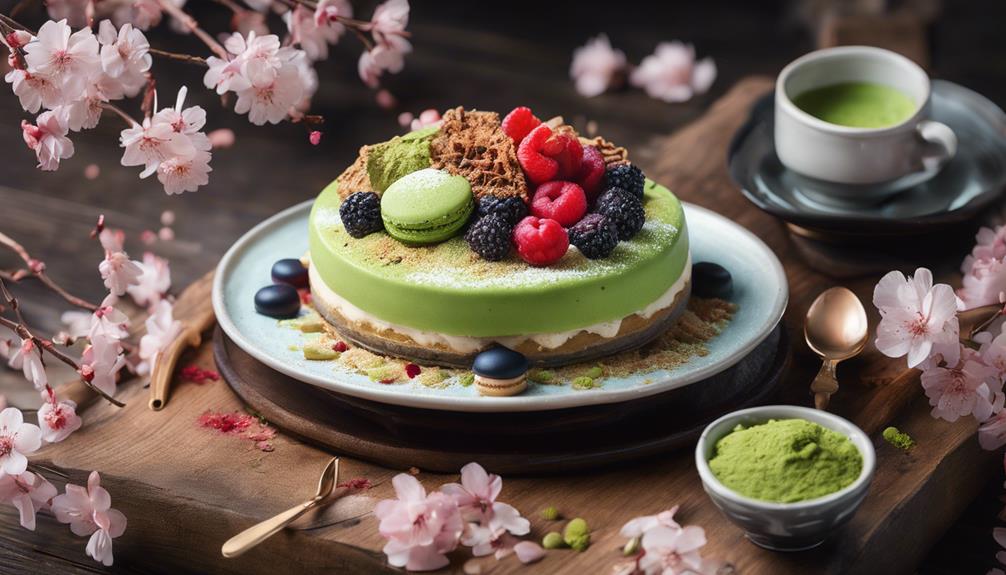
A Special Diets Guide To Amazing Vegetarian Cooking

Diets Guide To Amazing Vegetarian Cooking; Imagine yourself in a bustling kitchen, the aroma of spices wafting through the air as vegetables sizzle in a pan. As you take a bite of a perfectly seasoned dish, you can’t help but wonder how vegetarian cooking can be so flavorful and satisfying. If you’ve ever been curious about the world of vegetarian cuisine, this guide is here to provide you with all the knowledge and inspiration you need to embark on a delicious journey. From essential pantry ingredients to quick and easy meal ideas, we’ll explore the diverse and vibrant world of vegetarian cooking. So, grab your apron and prepare to elevate your culinary skills to new heights.
Benefits of Vegetarian Cooking
There are numerous benefits to incorporating vegetarian cooking into your culinary repertoire. Not only is it a healthy choice for your body, but it also has a positive impact on the environment. When it comes to vegetarian health benefits, research has shown that a plant-based diet can reduce the risk of chronic diseases such as heart disease, type 2 diabetes, and certain types of cancer. Vegetarian diets are typically lower in saturated fats and cholesterol, and higher in fiber, vitamins, minerals, and antioxidants. By focusing on whole grains, legumes, fruits, vegetables, and plant-based proteins, you can improve your overall health and well-being.
In addition to the health benefits, vegetarian cooking also has a significant environmental impact. The production of meat and dairy products requires large amounts of land, water, and energy. Livestock farming is responsible for a significant amount of greenhouse gas emissions, deforestation, water pollution, and habitat destruction. By choosing to consume more plant-based meals, you can help reduce your carbon footprint and contribute to a more sustainable future.
Incorporating vegetarian cooking into your daily routine doesn’t have to be complicated or daunting. Start by gradually replacing meat with plant-based alternatives such as tofu, tempeh, legumes, and mushrooms. Experiment with different flavors, spices, and cooking techniques to create delicious and nutritious meals. There are plenty of resources available, including cookbooks, websites, and cooking classes, that can provide you with inspiration and guidance.
Essential Ingredients for Vegetarian Pantry
To build a well-stocked vegetarian pantry, you’ll need a variety of essential ingredients that can enhance the flavors and nutritional value of your plant-based meals. Proper vegetarian pantry organization is key to ensuring that you have everything you need on hand when it’s time to cook. By having these vegetarian pantry staples readily available, you’ll be able to create delicious and nutritious dishes with ease.
First and foremost, grains are a must-have in a vegetarian pantry. Brown rice, quinoa, and whole wheat pasta are versatile options that can be used as the base for many meals. They provide a good source of carbohydrates and fiber, keeping you feeling full and satisfied.
Next, legumes such as lentils, chickpeas, and black beans should always have a place in your vegetarian pantry. They are an excellent source of protein, and can be used in a variety of dishes, from soups and stews to salads and curries.
In addition to grains and legumes, keeping a variety of nuts and seeds in your pantry is essential. Almonds, walnuts, chia seeds, and flaxseeds are packed with healthy fats, protein, and important nutrients like omega-3 fatty acids.
Don’t forget about spices and herbs! These can truly elevate the flavors of your vegetarian dishes. Stock up on essentials like garlic powder, onion powder, cumin, turmeric, and paprika to add depth and complexity to your meals.
Lastly, having a selection of canned goods is always handy. Keep canned tomatoes, coconut milk, and vegetable broth in your pantry for quick and easy meal preparation.
Quick and Easy Vegetarian Meals
Looking for quick and easy vegetarian meals? Look no further! We’ve got you covered with time-saving recipes and simple meatless meal ideas that are sure to satisfy your taste buds. Whether you’re a busy professional or just looking for a hassle-free dinner option, these quick and easy vegetarian meals are perfect for anyone looking to incorporate more plant-based dishes into their diet.
Time-Saving Vegetarian Recipes
For those seeking quick and easy vegetarian meals, this time-saving vegetarian cooking guide offers a range of delicious recipes. Whether you’re a busy professional or a parent on the go, these meat-free meal prep ideas will help you save time in the kitchen without sacrificing flavor. Here are four time-saving vegetarian cooking techniques to make your life easier:
- One-Pot Meals: Prepare hearty dishes like vegetable stir-fry or pasta primavera in a single pot or pan. This not only saves time on cooking but also reduces the number of dishes to clean.
- Sheet Pan Dinners: Toss your favorite veggies and protein alternatives onto a sheet pan, drizzle with olive oil, and roast in the oven. This method requires minimal prep and provides a delicious and nutritious meal.
- Instant Pot Recipes: Take advantage of the convenience of an Instant Pot to cook grains, legumes, and vegetables quickly. It’s a versatile tool that can help you prepare flavorful meals in a fraction of the time.
- Freezer-Friendly Meals: Double or triple your favorite vegetarian recipes and freeze individual portions for later use. This way, you’ll always have a homemade meal ready to go, even on your busiest days.
Simple Meatless Meal Ideas
If you’re looking for quick and easy vegetarian meals, these simple meatless meal ideas will help you whip up delicious dishes in no time. Vegetarian cooking techniques offer a variety of options for meatless breakfasts that are both nutritious and satisfying. One idea is to make a tofu scramble, where you crumble tofu and sauté it with onions, peppers, and spices for a flavorful and protein-packed breakfast.
Another option is to make a vegetable omelette using eggs or a chickpea flour batter for a vegan alternative. For a lighter breakfast, you can try a fruit smoothie bowl topped with granola and nuts. These meatless breakfast options are not only quick to prepare but also provide a great start to your day.
Exploring Different Vegetarian Cuisines
To expand your culinary horizons and savor the diverse flavors of vegetarian cuisine, delve into the world of various plant-based culinary traditions. Exploring different vegetarian cuisines not only introduces you to new ingredients and flavors but also helps you discover exciting cooking techniques that can enhance your vegetarian cooking repertoire. Here are four ways to start your journey into the world of vegetarian cuisine:
- Indian Cuisine: Indian cuisine offers a rich variety of vegetarian dishes that are bursting with flavors. From fragrant curries to crispy dosas and flavorful biryanis, Indian cuisine showcases the versatility of vegetarian cooking. Don’t forget to try vegan desserts like the creamy and cardamom-scented rice pudding, kheer.
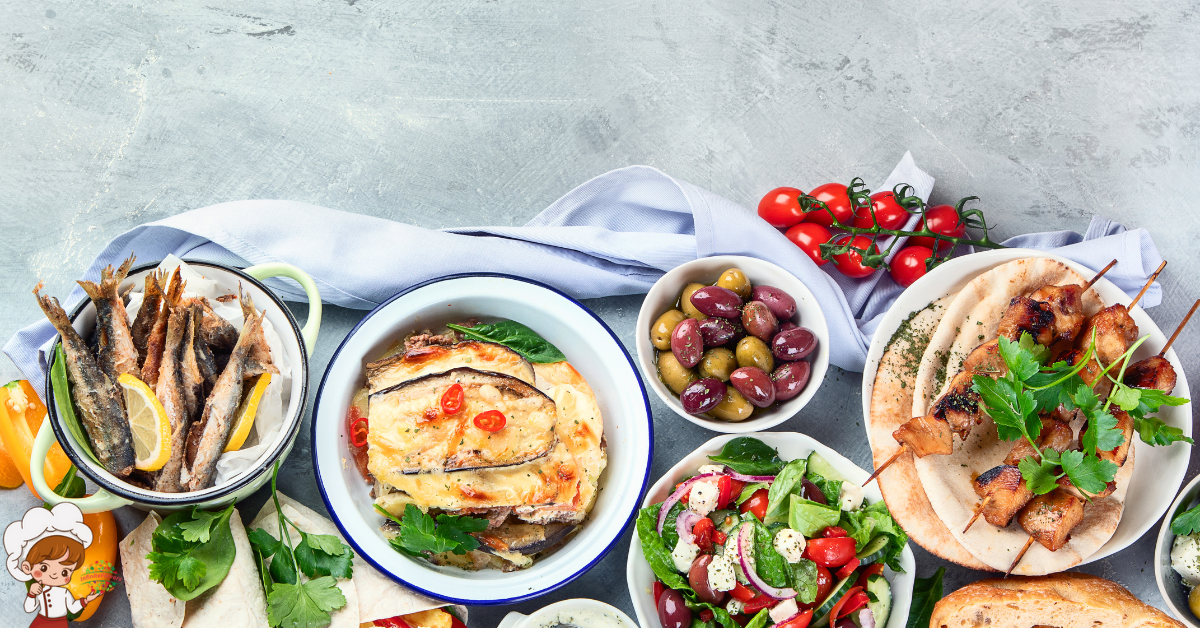
- Mediterranean Cuisine: Mediterranean cuisine is known for its fresh ingredients and simple yet delicious flavors. Explore Greek, Italian, and Lebanese cuisines, and experiment with dishes like spanakopita, caprese salad, and falafel. These cuisines also offer a wide range of vegetarian cooking techniques, such as grilling vegetables and using herbs and spices to enhance the taste of your dishes.
- Mexican Cuisine: Mexican cuisine is not just about tacos and burritos. It has a vibrant vegetarian side that includes dishes like enchiladas, chiles rellenos, and guacamole. With its bold flavors and colorful ingredients, Mexican cuisine is a great way to add a spicy kick to your vegetarian meals.
- East Asian Cuisine: East Asian cuisines like Chinese, Thai, and Japanese offer a plethora of vegetarian options. From vegetable stir-fries to tofu-based dishes, these cuisines showcase the art of balancing flavors and textures. Don’t miss out on trying vegan desserts like mango sticky rice or green tea ice cream.
Vegetarian Protein Sources and Substitutes
Looking for plant-based protein options and meat substitutes? You’re in the right place. In this section, we’ll explore a variety of sources that can provide you with the protein you need for a balanced vegetarian diet. From legumes and tofu to tempeh and seitan, there are plenty of delicious and nutritious options to choose from.
Plant-Based Protein Options
Incorporating plant-based protein options into your vegetarian diet is essential for meeting your nutritional needs and ensuring a balanced and healthy lifestyle. Here are four meat-free protein sources that can help you achieve that:
- Legumes: Lentils, chickpeas, and beans are excellent sources of protein. They are also rich in fiber, vitamins, and minerals, making them a nutritious addition to your meals.
- Nuts and seeds: Almonds, walnuts, chia seeds, and hemp seeds are packed with protein and healthy fats. They can be enjoyed as a snack or added to dishes like salads or smoothies.
- Quinoa: This versatile grain is a complete protein, meaning it contains all nine essential amino acids. Incorporate quinoa into your meals as a side dish or use it as a base for salads and stir-fries.
- Vegetarian protein powders: If you struggle to meet your protein needs through food alone, consider incorporating vegetarian protein powders into your diet. Options like pea protein, hemp protein, and rice protein are widely available and can be easily added to smoothies or baked goods.
Meat Substitutes
When it comes to finding meat substitutes for your vegetarian diet, there are plenty of protein-rich options to choose from. Meat alternatives have become increasingly popular, providing vegans and vegetarians with a wide variety of vegan meat options. One popular option is tofu, a versatile and protein-packed ingredient made from soybeans. Tofu can be grilled, stir-fried, or used in soups and stews.
Another option is tempeh, which is made from fermented soybeans and has a nutty flavor. It can be sliced, marinated, and grilled for a delicious meat-like texture. Seitan, made from wheat gluten, is another excellent choice, known for its chewy texture. It can be used in stir-fries, sandwiches, and stews. These meat alternatives provide the necessary protein for a well-balanced vegetarian diet without sacrificing taste or texture.
Tips for Successful Meal Planning as a Vegetarian
To successfully plan meals as a vegetarian, it is important to consider a variety of nutritious and delicious options. Meal planning can help you save time, money, and ensure that you meet your nutritional needs. Here are four tips to help you plan your vegetarian meals effectively:
- Include a variety of plant-based proteins: As a vegetarian, it is important to make sure you are getting enough protein in your diet. Include a variety of plant-based proteins such as legumes (beans, lentils), tofu, tempeh, and seitan. These foods are not only rich in protein but also provide essential nutrients like iron and zinc.
- Focus on whole grains: Whole grains are an excellent source of fiber, vitamins, and minerals. Incorporate whole grains like brown rice, quinoa, whole wheat pasta, and oats into your meals. They are not only filling but also provide sustained energy throughout the day.
- Load up on fruits and vegetables: Fruits and vegetables are packed with vitamins, minerals, and antioxidants. Aim to include a variety of colorful fruits and vegetables in your meals. You can experiment with different cooking methods like roasting, steaming, or sautéing to enhance their flavors.
- Plan your meals in advance: Take some time each week to plan your meals. This will help you stay organized and ensure that you have all the necessary ingredients on hand. Consider batch cooking and meal prepping to save time during the week. Prepare larger portions of dishes that can be easily reheated or repurposed for leftovers.
Frequently Asked Questions: Diets Guide To Amazing Vegetarian Cooking
Can a Vegetarian Diet Provide All the Necessary Nutrients and Vitamins?
Yes, a vegetarian diet can provide all the necessary nutrients and vitamins. However, it is important to be mindful of nutritional supplements for vegetarians and the health benefits of a vegetarian diet.
Are There Any Vegetarian Cooking Techniques That Can Enhance the Flavors of Vegetables?
Roasting vegetables and using marinating techniques can definitely enhance the flavors of your vegetarian dishes. These methods help to bring out the natural sweetness and add depth to the vegetables, making them even more delicious and satisfying.
What Are Some Common Misconceptions About Vegetarian Cooking?
Common myths about vegetarian cooking include the belief that it lacks flavor and protein. However, by incorporating popular meat substitutes like tofu and tempeh, you can create delicious and nutritious meals that satisfy your taste buds.
How Can I Ensure That My Vegetarian Meals Are Balanced and Nutritious?
To ensure your vegetarian meals are balanced and nutritious, focus on meal prepping and incorporating protein sources like beans, lentils, tofu, and quinoa. These plant-based foods provide essential nutrients and can be incorporated into a variety of delicious dishes.
Are There Any Vegetarian-Friendly Restaurants or Food Delivery Services in My Area?
There are many vegetarian-friendly restaurants in your area that offer a variety of delicious plant-based meals. Additionally, there are some great food delivery services that specialize in delivering the best vegetarian meals right to your doorstep.

Conclusion
In conclusion, vegetarian cooking offers numerous benefits, including improved health and reduced environmental impact. By stocking your pantry with essential ingredients and exploring different cuisines, you can create quick and easy vegetarian meals that are both delicious and nutritious. Don’t forget to incorporate vegetarian protein sources and substitutes to ensure you’re getting all the nutrients you need. With proper meal planning, vegetarian cooking can be a successful and enjoyable way to nourish your body and support a sustainable lifestyle.
If you enjoyed exploring this topic and want to dive even deeper, be sure to check out some of our other articles here on Infinite Flavors. From rich culinary histories to creative twists on classic recipes, there’s always something new to discover. Whether you’re curious about the origins of a dish, looking for fresh inspiration in the kitchen, or simply love learning about food culture, our collection of posts is the perfect next step on your flavor journey.
An Amazing How-To Guide On Creating Delicious Vegetarian Soups
Amazing Effortless Guide To Large-Scale Vegetarian Cooking
Discovering The Great Key Ingredients For Vegetarian Cooking