Six Easy Essential Guidelines For Workout Meal Prep
Essential Guidelines For Workout Meal Prep; Hey there, fitness enthusiast! If you’ve ever found yourself struggling to fuel your workouts properly, fret not, because we’ve got you covered. In today’s fast-paced world, it’s crucial to have a well-thought-out game plan when it comes to workout meal prep. But fear not! We’ve compiled six essential guidelines that will help you achieve your fitness goals and maximize your performance. So, get ready to take your workout routine to the next level with these expert tips. You won’t want to miss out on this!
We’ve Got Everything You Need to Make Your Masterpiece.
Set Your Goals
To effectively set your goals for workout meal prep, take a moment to reflect on what you want to achieve and how it aligns with your fitness journey. Setting clear and specific goals is essential for staying motivated and making progress. By defining your objectives, you can create a plan that caters to your specific needs and helps you track your progress effectively.
When setting your goals, it’s important to be realistic and attainable. It can be tempting to aim for quick results, but setting unrealistic expectations can lead to frustration and disappointment. Instead, focus on small, achievable goals that can be reached in a reasonable timeframe. For example, instead of aiming to lose 10 pounds in a week, set a goal of losing 1-2 pounds per week. This approach is not only more realistic but also sustainable in the long run.
In addition to being realistic, your goals should also be measurable. This means that you need to have a way to track your progress. Whether it’s through keeping a food diary, taking body measurements, or using a fitness app, find a method that works for you. Tracking your progress allows you to see how far you’ve come and provides valuable feedback on what adjustments you may need to make.
Plan Your Meals
Start by creating a meal plan that aligns with your fitness goals and provides the necessary nutrients to fuel your workouts. Meal planning is a crucial step in your workout meal prep routine. It helps you stay on track with your nutrition goals and ensures that you have the right foods on hand to support your workouts. When planning your meals, consider the macronutrient breakdown that suits your needs. If you are trying to build muscle, aim for a higher protein and carbohydrate intake. On the other hand, if your goal is to lose weight, focus on portion control and include more vegetables and lean proteins.
Once you have your meal plan in place, it’s time to hit the grocery store. Make a list of all the ingredients you need for your meals and stick to it. This will help you avoid impulse purchases and ensure that you have everything you need for your week ahead. When grocery shopping, prioritize fresh produce, lean proteins, whole grains, and healthy fats. Avoid processed foods, sugary snacks, and drinks that can hinder your progress.
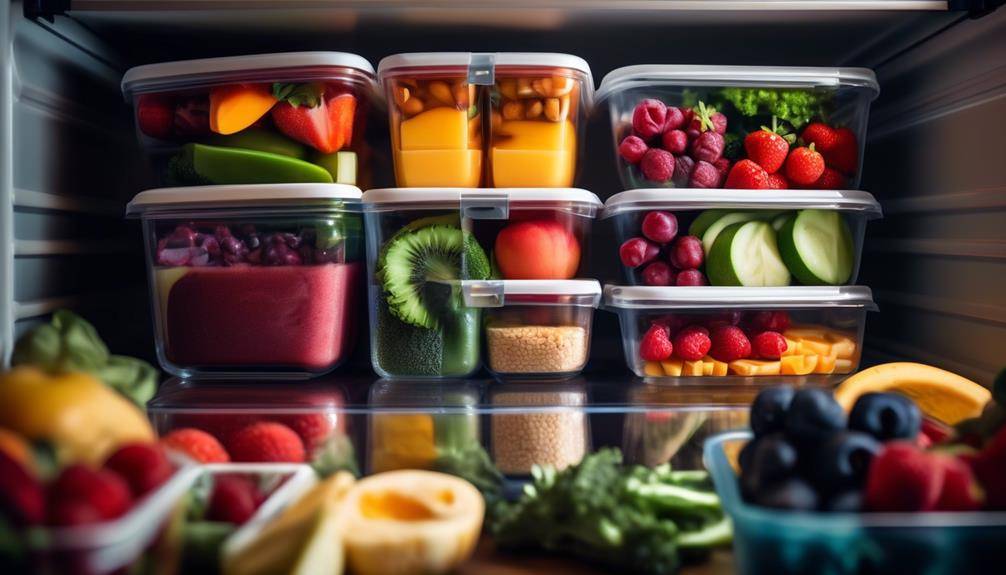
To make your meal prep easier and more efficient, consider batch cooking. This involves cooking larger quantities of food and portioning it out for the week ahead. Invest in quality food storage containers that are both microwave and dishwasher safe. This way, you can simply grab your pre-portioned meals and heat them up when you’re ready to eat.
We’ve Got Everything You Need to Make Your Masterpiece.
Choose Nutrient-Dense Foods
To choose nutrient-dense foods for your workout meal prep, aim for a balanced macronutrient ratio that includes carbohydrates, proteins, and fats. Carbohydrates provide energy for your workout, while proteins help with muscle repair and growth. Include a variety of lean proteins, such as chicken, fish, tofu, or beans, to meet your protein needs without excess saturated fat.
Balanced Macronutrient Ratios
Achieving balanced macronutrient ratios is crucial for providing your body with the necessary nutrients it needs to fuel your workouts effectively. Macronutrients include carbohydrates, proteins, and fats, and each plays a unique role in supporting your exercise performance and recovery. To optimize macronutrient distribution, aim to consume a combination of all three macronutrients in each meal. Carbohydrates are your body’s primary source of energy and should make up the majority of your pre-workout meal.
Including lean proteins, such as chicken or tofu, will help support muscle growth and repair. Healthy fats, like avocados or nuts, are important for hormone production and nutrient absorption. Additionally, meal timing optimization is essential. Consuming a balanced meal containing all three macronutrients within 1-3 hours before your workout can help provide sustained energy and improve exercise performance.
Variety of Lean Proteins
Including a variety of nutrient-dense lean proteins in your workout meal prep is essential for supporting muscle growth and repair. Lean protein choices provide the amino acids necessary for building and maintaining muscle mass. Here are three meal ideas to incorporate a variety of lean proteins into your workout meal prep:
- Grilled chicken breast: Chicken breast is a lean protein option that is low in fat and high in protein. It can be seasoned and grilled to add flavor without adding extra calories.
- Greek yogurt: Greek yogurt is not only rich in protein but also contains probiotics that support gut health. Add some berries and nuts for added flavor and texture.
- Salmon: Salmon is an excellent source of omega-3 fatty acids and high-quality protein. Bake or grill salmon fillets and pair them with roasted vegetables for a nutritious and satisfying meal.
Portion Control
Mastering portion control is essential for maintaining a balanced and healthy diet. When it comes to meal planning, understanding portion sizes is crucial in order to ensure you are consuming the right amount of nutrients without overeating. By following these guidelines, you can effectively control your portions and support your workout goals.
One helpful approach to portion control is using your hand as a guide. For example, a serving of protein should be about the size of your palm. This can help you gauge how much protein you should include in your meals. Additionally, a serving of carbohydrates, such as rice or pasta, should be about the size of your clenched fist. This allows you to include an appropriate amount of energy-providing carbs in your diet without going overboard.
Another strategy is to use smaller plates and bowls. Research has shown that using smaller dishware can lead to reduced portion sizes and subsequent calorie intake. By simply switching to a smaller plate, you can trick your brain into thinking you are consuming a larger portion, which can help you feel satisfied with less food.
It’s also important to listen to your body’s hunger and fullness cues. Pay attention to your body’s signals and stop eating when you feel comfortably full. This can prevent overeating and help you maintain a healthy weight.
We’ve Got Everything You Need to Make Your Masterpiece.
Pre-cook and Pack Your Meals
To effectively manage your portion sizes and support your workout goals, it is important to pre-cook and pack your meals. By preparing your meals in advance, you can save time and ensure that you have healthy options readily available. Here are three preparation tips to help you with time management:
- Plan your meals: Take some time at the beginning of each week to plan out your meals. This will help you stay organized and ensure that you have all the necessary ingredients on hand. Consider choosing recipes that can be easily pre-cooked and packed, such as grilled chicken with roasted vegetables or quinoa salad with mixed greens.
- Batch cook: Spend a few hours on one day to pre-cook a large batch of protein, grains, and vegetables. This will save you time during the week as you can simply portion out the pre-cooked food into individual containers. You can also freeze some meals for later use, making it even more convenient.
- Invest in good quality containers: To keep your pre-cooked meals fresh and properly portioned, invest in a set of good quality containers. Look for ones that are BPA-free, microwave-safe, and leak-proof. Having the right containers will make it easier to pack and transport your meals, ensuring that you stay on track with your nutrition goals.
Incorporate Variety and Balance
To incorporate variety and balance into your workout meal prep, focus on nutrient-rich meal options and balanced macronutrient ratios. Choose a variety of fruits, vegetables, whole grains, and lean proteins to ensure you’re getting a wide range of vitamins, minerals, and antioxidants. Additionally, aim to include a balance of carbohydrates, proteins, and healthy fats in each meal to support optimal energy levels and muscle recovery. By incorporating variety and balance into your meals, you can maximize the nutritional benefits of your workout meal prep.
Nutrient-Rich Meal Options
Looking for nutrient-rich meal options to incorporate variety and balance into your workout meal prep? Here are three options that can provide you with the necessary nutrients to fuel your workouts and support your overall health:
- Lean Proteins: Include sources like chicken breast, fish, tofu, or legumes to provide essential amino acids for muscle repair and growth.
- Complex Carbohydrates: Opt for whole grains like quinoa, brown rice, or whole wheat pasta, which release energy slowly and keep you feeling full for longer periods.
- Colorful Vegetables: Add a rainbow of vegetables to your meals to ensure a wide range of vitamins, minerals, and antioxidants. Examples include spinach, bell peppers, broccoli, and carrots.
Balanced Macronutrient Ratios
When aiming to incorporate variety and balance into your workout meal prep, it’s important to consider the balanced macronutrient ratios that will provide you with the necessary fuel and support for your fitness goals. Macronutrients, which include carbohydrates, proteins, and fats, play a crucial role in providing energy and aiding in muscle recovery. To achieve a balanced macronutrient ratio, aim to include a mix of all three in each meal.
Carbohydrates provide quick energy, while proteins support muscle growth and repair. Fats help with hormone production and nutrient absorption. Additionally, meal timing is also important. Consuming a balanced meal with the right macronutrient ratio before and after your workouts can enhance performance and aid in recovery. Experiment with different ratios and meal timing to find what works best for you and your fitness goals.
Stay Hydrated
Staying properly hydrated is essential for optimal performance during your workouts. When you exercise, your body loses water through sweat and increased respiration, which can lead to dehydration if not replenished. Here are three important guidelines to help you stay hydrated and perform at your best:
- Drink plenty of water before, during, and after your workouts: It is recommended to drink at least 8-16 ounces of water 2 hours before your workout. During your workout, aim to consume 7-10 ounces of water every 10-20 minutes to replace the fluids lost through sweating. After your workout, continue to hydrate by drinking another 8-16 ounces of water within 30 minutes post-exercise. Remember, these are general guidelines and may vary depending on factors such as intensity, duration, and individual sweat rates.
- Consider electrolyte replenishment: When you sweat, you not only lose water but also important electrolytes such as sodium, potassium, and magnesium. These electrolytes play a crucial role in maintaining fluid balance and muscle function. To replace electrolytes, you can opt for sports drinks, coconut water, or even homemade electrolyte solutions. Just be mindful of added sugars and opt for low-sugar or sugar-free options whenever possible.
- Monitor your urine color: Your urine color can be a good indicator of your hydration status. Aim for a pale yellow or straw-colored urine, which indicates that you are adequately hydrated. Dark yellow or amber-colored urine may indicate dehydration, and you should increase your fluid intake accordingly.
Timing Is Key
To optimize your workout performance and recovery, it’s important to consider the timing of your meals. Pre-workout nutrition should focus on providing you with energy and nutrients to fuel your session, while post-workout nutrition should prioritize replenishing glycogen stores and promoting muscle repair. Aim to consume a balanced meal or snack containing carbohydrates and protein about 1-3 hours before your workout and within 30 minutes to an hour after your workout for optimal results.
Optimal Meal Timing
For optimal meal timing, it is crucial to consider the timing of your workouts and plan your meals accordingly. Timing your meals around your workouts can help maximize your performance and enhance post-workout recovery. Here are three important factors to consider:
- Meal Frequency: It’s important to eat a balanced meal or snack before your workout to provide your body with the necessary fuel. Aim to have a meal or snack containing carbohydrates and protein about 1-3 hours before your workout. This will provide your muscles with the energy they need to perform at their best.
- Post-Workout Recovery: After your workout, it’s essential to refuel your body with the right nutrients to aid in recovery. Consuming a meal or snack containing carbohydrates and protein within 30 minutes to an hour after your workout can help replenish glycogen stores and promote muscle repair and growth.
- Personal Preference: Ultimately, finding the optimal meal timing for your workouts may require some trial and error. Pay attention to how your body feels during and after exercise, and adjust your meal timing accordingly to find what works best for you.
Pre and Post-Workout Nutrition
Timing your pre and post-workout nutrition is crucial to optimize your performance and support your body’s recovery process. When it comes to pre-workout supplementation, consuming a balanced meal or snack 1-2 hours before exercise can provide your body with the necessary nutrients for fuel and performance. Aim for a combination of carbohydrates and protein to provide energy and support muscle growth and repair. Examples include a banana with peanut butter or Greek yogurt with berries.
On the other hand, post-workout recovery is equally important. Consuming a meal or snack within 30-60 minutes after exercise can help replenish glycogen stores, repair muscle tissue, and promote optimal recovery. A protein shake, chicken breast with sweet potato, or a smoothie with spinach and protein powder are all great options. Remember, timing is key to maximize the benefits of your workouts and support your body’s needs.
We’ve Got Everything You Need to Make Your Masterpiece.
Don’t Forget About Snacks
When it comes to your workout meal prep, it is important to remember the significance of incorporating nutritious and convenient snacks into your routine. Snacks play a crucial role in providing your body with the fuel it needs to perform at its best during exercise and aid in recovery afterward. Here are three essential points to consider when choosing snack options for your workout meal prep:
- Balance of macronutrients: Opt for snacks that contain a balance of carbohydrates, protein, and healthy fats. Carbohydrates provide energy, protein aids in muscle repair and growth, and healthy fats help with satiety and provide sustained energy. Examples of balanced snacks include Greek yogurt with berries, a handful of nuts with a piece of fruit, or a protein smoothie with added nut butter.
- Timing: Plan your snacks strategically to ensure you have the energy you need before and after your workouts. Consuming a snack containing carbohydrates and protein about 1-2 hours before exercise can help fuel your workout. For post-workout snacks, aim to consume a combination of carbohydrates and protein within 30-60 minutes to aid in muscle recovery and replenish glycogen stores.
- Convenience: Choose snacks that are convenient and easy to prepare ahead of time. Preparing snack options in advance, such as cutting up fruits and vegetables or portioning out nuts and seeds, can save you time and ensure you have healthy options readily available. Additionally, consider portable snacks like protein bars, trail mix, or hard-boiled eggs that can be easily taken on the go.
Stay Consistent and Track Your Progress
To ensure optimal results from your workout meal prep, it is crucial to stay consistent with your routine and track your progress along the way. Consistency is key when it comes to any fitness journey. By staying consistent with your workout meal prep, you are setting yourself up for success. This means sticking to your meal plan, prepping your meals in advance, and making sure you have healthy options readily available. When you are consistent with your meal prep, it becomes easier to stay on track with your fitness goals.
Tracking your progress is equally important. By keeping track of your workouts, you can see how far you have come and make adjustments as necessary. One way to track your progress is by keeping a workout journal. Write down the exercises you do, the weights you use, and the number of sets and reps you complete. This will allow you to see your progress over time and make any necessary changes to your routine. Another way to track your progress is by taking measurements and photos. This will help you see changes in your body composition that may not be reflected on the scale.
Consistency and tracking your progress go hand in hand. When you stay consistent with your workout meal prep and track your progress, you can make adjustments as needed and stay motivated to reach your fitness goals. Remember, progress takes time, so be patient with yourself and celebrate each milestone along the way.
We’ve Got Everything You Need to Make Your Masterpiece.
Frequently Asked Questions: Essential Guidelines For Workout Meal Prep
Can I Eat Junk Food as a Post-Workout Snack?
You shouldn’t eat junk food as a post-workout snack. Instead, opt for healthy alternatives like protein shakes, Greek yogurt, or a handful of nuts. These options provide the nutrients your body needs to recover and build muscle.
How Many Meals Should I Eat Before and After a Workout?
To optimize your workout performance and recovery, it’s important to fuel up with a pre-workout meal and replenish your body with a post-workout meal. Timing your meals correctly can provide numerous benefits for your fitness goals.
What Are Some Nutrient-Dense Foods That Can Be Included in My Workout Meal Prep?
Include nutrient-dense foods like plant-based proteins and healthy fats in your workout meal prep. They provide essential nutrients for muscle recovery and energy. Examples include tofu, quinoa, avocado, and nuts.
Is It Necessary to Track My Progress When It Comes to Workout Meal Prep?
Tracking your progress in workout meal prep is important for measuring results and making adjustments. It helps identify what works for you, whether it’s meal timing or nutrient intake. Stay consistent and monitor your progress to optimize your fitness journey.
How Can I Ensure That I Am Staying Hydrated During My Workouts?
To ensure you stay hydrated during workouts, it’s important to understand the importance of hydration during exercise. Here are some practical tips for staying hydrated: drink water before, during, and after your workout, monitor your urine color, and consider sports drinks for longer or intense sessions.

Conclusion
In conclusion, following these six essential guidelines for workout meal prep can help you achieve your fitness goals. Setting clear goals, planning your meals, choosing nutrient-dense foods, controlling portion sizes, pre-cooking and packing your meals, staying hydrated, and timing your meals are all important factors to consider. Don’t forget to include healthy snacks and track your progress consistently. By implementing these practices, you can optimize your workout performance and fuel your body for success.