Exciting Molecular Gastronomy Trends in Asia
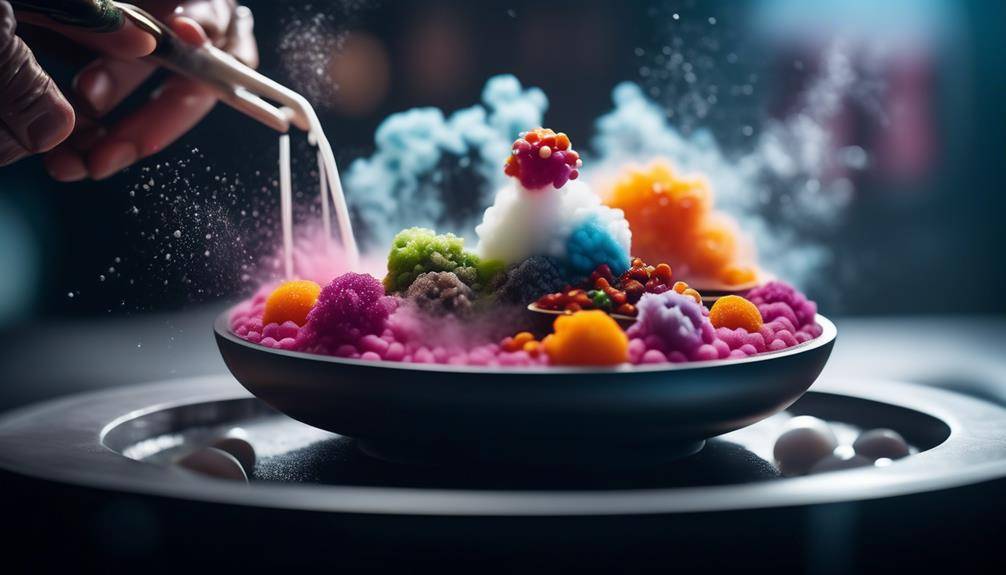
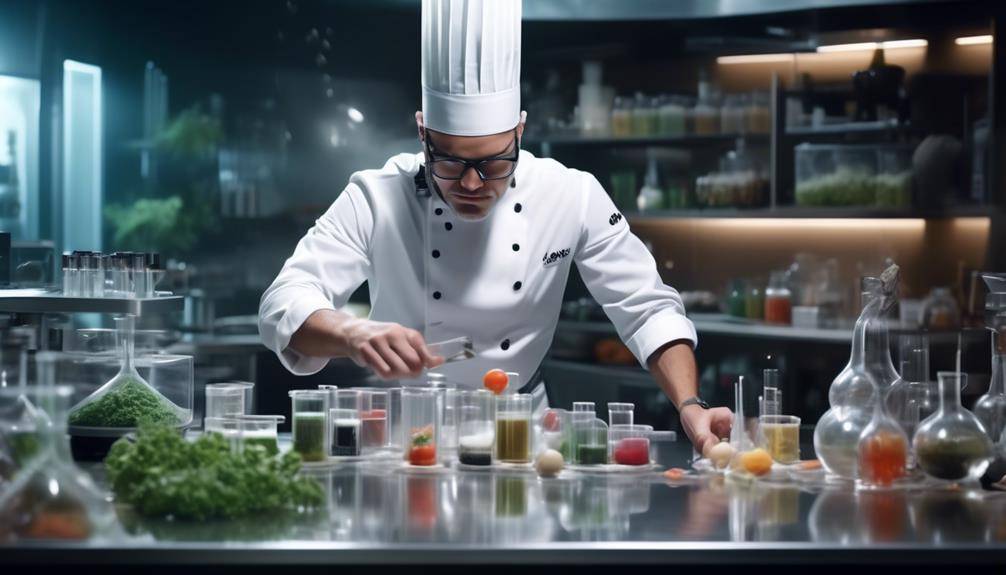
Exciting Molecular Gastronomy Trends in Asia; Did you know that the popularity of molecular gastronomy in Asia has been steadily increasing over the past decade? With its unique blend of science and culinary artistry, molecular gastronomy has captured the attention of both food enthusiasts and top chefs across the continent. From the innovative techniques in Tokyo to the fusion of flavors in Hong Kong, and the cutting-edge desserts in Bangkok, molecular gastronomy has made its mark in various culinary landscapes. But what exactly are the latest trends in Asia when it comes to molecular gastronomy? Let’s explore the fascinating world where science meets cuisine and discover the future of this culinary movement in Asia.
Molecular Gastronomy in Singapore
If you’re a food enthusiast looking to experience cutting-edge culinary techniques in Singapore, then the world of molecular gastronomy awaits you. With its innovative approach to cooking, molecular gastronomy has made its way into the heart of Singapore’s food scene. From high-end restaurants to street food stalls, this gastronomic trend has taken the city-state by storm.
In Singapore, molecular gastronomy is not limited to fancy dining establishments. You can find it even in the humble street food stalls scattered across the city. These stalls, known as hawker centers, offer a wide variety of dishes that have been transformed using molecular gastronomy techniques. Imagine biting into a deconstructed version of a traditional Singaporean dish like chicken rice or laksa. The flavors burst in your mouth as the ingredients have been carefully manipulated to create unique textures and taste combinations.
One popular example of molecular gastronomy in Singaporean street food is the nitrogen-infused ice cream. At certain hawker centers, you can watch as the ice cream vendor pours liquid nitrogen into a bowl of cream and sugar, creating a thick fog that envelops the entire stall. In just a few minutes, the mixture turns into a creamy and smooth ice cream right before your eyes. The nitrogen not only freezes the mixture rapidly but also creates a unique texture that is lighter and silkier than traditional ice cream.
Molecular gastronomy in Singapore has not only elevated the culinary scene but has also sparked a sense of curiosity and excitement among food lovers. The incorporation of scientific principles and techniques into traditional dishes has resulted in a truly unique dining experience. Whether you’re a local or a tourist, exploring the world of molecular gastronomy in Singapore is an adventure that will leave your taste buds craving for more.
Innovative Techniques in Tokyo
When it comes to culinary innovations, Tokyo leads the way with its cutting-edge techniques and experimental cuisine. The city is a hub of creativity, constantly pushing the boundaries of gastronomy. From molecular cocktails to edible art, Tokyo’s chefs are known for their bold and imaginative approach to food.
Tokyo’s Culinary Innovations
Tokyo’s culinary scene showcases a plethora of innovative techniques that push the boundaries of traditional gastronomy. From molecular gastronomy in traditional Japanese cuisine to Tokyo’s culinary competitions, the city’s culinary innovations are truly remarkable. Here are some of the exciting techniques that are redefining Tokyo’s food culture:
- Spherification: Chefs in Tokyo are using this technique to create flavorful liquid-filled spheres that burst in your mouth, adding a delightful surprise to dishes.
- Sous Vide: This precise cooking method involves vacuum-sealing ingredients and slow-cooking them at a low temperature, resulting in tender, succulent dishes that retain their natural flavors.
- Smoke Infusion: Tokyo’s chefs are creatively infusing dishes with smoky flavors using techniques like smoking with wood chips or using smoke guns, adding depth and complexity to their creations.
- Fermentation: Chefs in Tokyo are exploring the art of fermentation, harnessing the power of microorganisms to create unique flavors and textures, resulting in dishes that are both delicious and healthy.
These innovative techniques not only enhance the taste and presentation of dishes but also offer a glimpse into the future of culinary exploration in Tokyo.
Cutting-Edge Techniques in Tokyo
With its cutting-edge culinary techniques and relentless pursuit of innovation, Tokyo is at the forefront of gastronomic experimentation in Asia. The city is known for its dedication to pushing the boundaries of traditional cooking methods and embracing molecular gastronomy. Tokyo has become a hub for chefs who are constantly seeking new ways to create unique and exciting dishes.
From using liquid nitrogen to create instant ice creams to employing spherification techniques to transform liquids into edible spheres, the cutting-edge techniques in Tokyo are truly awe-inspiring. These techniques not only enhance the flavors and textures of the dishes but also provide a visually stunning dining experience. While molecular gastronomy has gained popularity in other Asian cities like Singapore, Tokyo remains unmatched in its commitment to pushing the limits of culinary innovation.
Tokyo’s Experimental Cuisine
At the forefront of culinary experimentation, Tokyo’s innovative techniques in experimental cuisine push the boundaries of traditional cooking methods. Tokyo’s chefs are constantly exploring new ways to create unique flavors and redefine the dining experience. Here are some of the experimental techniques being used in Tokyo’s experimental cuisine:
- Molecular Gastronomy: Chefs in Tokyo are using scientific principles to transform ingredients into unexpected textures and presentations. Through techniques like spherification and foams, they create visually stunning and taste-bud tingling dishes.
- Fermentation: Tokyo’s chefs are embracing the ancient art of fermentation to bring out complex flavors and enhance the taste of their dishes. They are experimenting with fermenting ingredients like soy sauce, miso, and pickles to create rich and umami-filled dishes.
- Smoke and Vapor: Chefs in Tokyo are using smoke and vapor to infuse dishes with unique aromas and flavors. By smoking ingredients or using techniques like dry ice, they create dishes that not only taste delicious but also provide a multisensory experience.
- Ingredient Pairings: Tokyo’s chefs are known for their bold and unexpected ingredient pairings. They combine flavors that traditionally wouldn’t go together to create harmonious and surprising taste combinations. From savory ice creams to seafood desserts, the possibilities are endless.
Tokyo’s experimental cuisine is a testament to the city’s culinary creativity and innovation. Chefs here are constantly pushing the boundaries of what is possible in the kitchen, resulting in a dining experience like no other.
Fusion of Flavors in Hong Kong
Hong Kong’s culinary scene is renowned for its bold and innovative fusion of flavors, captivating both locals and visitors alike. The city’s unique blend of Chinese, Western, and Southeast Asian influences has given rise to a culinary landscape that is both diverse and exciting. Fusion cuisine in Hong Kong is not just about combining different ingredients and cooking techniques; it is a reflection of the city’s vibrant and cosmopolitan culture.
Culinary experimentation is at the heart of Hong Kong’s fusion cuisine. Chefs in the city are constantly pushing the boundaries of traditional recipes, incorporating new flavors and techniques to create dishes that are both familiar and innovative. This spirit of innovation is evident in the many fusion restaurants that have popped up across the city. From Japanese-Italian fusion to Mexican-Indian fusion, there is no shortage of creative and unexpected combinations to tantalize your taste buds.
One of the reasons why Hong Kong has become a hotbed for fusion cuisine is its history as a trading port. The city has long been a melting pot of different cultures and cuisines, and this diversity is reflected in its food. From traditional Cantonese dishes with a modern twist to international dishes with an Asian twist, Hong Kong offers a culinary experience like no other.
Whether you’re a fan of traditional Chinese cuisine or a lover of international flavors, Hong Kong’s fusion cuisine has something for everyone. The city’s culinary scene is constantly evolving, with new and exciting flavors being introduced all the time. So the next time you find yourself in Hong Kong, be sure to explore the city’s vibrant food scene and indulge in the bold and innovative flavors that make it so unique.
Molecular Cocktails in Seoul
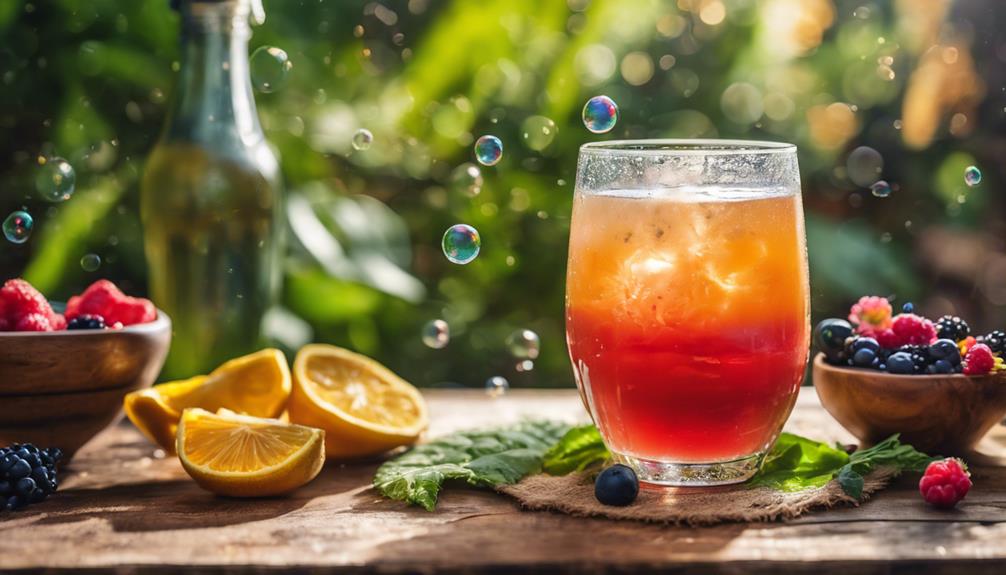
Seoul’s cocktail scene is taking mixology to a whole new level with the introduction of molecular cocktails. These innovative and experimental concoctions combine science and artistry to create a truly unique drinking experience. By employing molecular mixology techniques, bartenders in Seoul are pushing the boundaries of traditional cocktails, offering patrons a taste of the future in a glass.
Here are four reasons why molecular cocktails in Seoul are worth trying:
- Visual Spectacle: When it comes to molecular cocktails, presentation is everything. Watch in awe as your drink is transformed before your eyes, with smoke, bubbles, and even edible garnishes. The theatrics of these cocktails add an element of excitement to the drinking experience.
- Unexpected Textures: Molecular mixology techniques allow bartenders to manipulate ingredients in ways that were previously unimaginable. From gels and foams to spheres and powders, these cocktails offer a range of textures that will surprise and delight your palate.
- Innovative Flavor Combinations: Molecular cocktails in Seoul are not just about the techniques; they also focus on creating unique flavor profiles. Prepare to be amazed by unexpected combinations like wasabi-infused vodka with lychee foam or a gin and tonic with cucumber caviar. Each sip is a journey of taste exploration.
- Interactive Drinking Experience: One of the most exciting aspects of molecular cocktails is the interactive nature of the drink itself. From using pipettes to add drops of flavor to your glass to crushing edible garnishes with a mallet, these cocktails invite you to play an active role in the creation of your drink.
Seoul’s molecular cocktail scene is a testament to the creativity and innovation of its bartenders. So, if you’re looking for a truly unique and immersive drinking experience, head to one of the city’s molecular cocktail bars and prepare to be amazed.
Cutting-Edge Desserts in Bangkok
Get ready to indulge your taste buds in Bangkok’s cutting-edge dessert scene, where unique flavor combinations, innovative presentation techniques, and experimental ingredients come together to create mouthwatering masterpieces. From savory-sweet desserts that blend unexpected ingredients like bacon and chocolate, to visually stunning creations that resemble works of art, Bangkok’s pastry chefs are pushing the boundaries of traditional desserts. Prepare to be amazed as you embark on a culinary adventure like no other, where every bite is a delightful surprise.
Unique Flavor Combinations
With an explosion of imaginative flavors and innovative culinary techniques, Bangkok’s cutting-edge dessert scene is pushing the boundaries of taste and delighting food enthusiasts from around the world. From unusual flavor pairings to unconventional ingredient combinations, these desserts are a testament to the creativity and ingenuity of Bangkok’s pastry chefs. Here are some unique flavor combinations that will make your taste buds dance:
- Sweet and savory: Imagine a dessert that combines the richness of chocolate with the tanginess of balsamic vinegar. It may sound strange, but the combination of sweet and savory flavors creates a harmonious balance that is both surprising and delicious.
- Spicy and sweet: Bangkok’s desserts are known for their bold flavors, and the combination of spicy and sweet is no exception. Picture a chili-infused chocolate mousse that packs a fiery punch, followed by a cool and creamy mango sorbet. It’s a flavor combination that will leave you craving for more.
- Floral and citrus: Bangkok’s pastry chefs are not afraid to experiment with unconventional ingredients, and the combination of floral and citrus flavors is a prime example. Think of a delicate rosewater-infused panna cotta topped with a tangy yuzu sorbet. The floral notes complement the citrus flavors, creating a dessert that is both elegant and refreshing.
- Exotic and familiar: Bangkok’s dessert scene is a melting pot of flavors, and the combination of exotic and familiar ingredients is a testament to this. Imagine a pandan-infused sponge cake layered with tropical fruits like mango and passionfruit. It’s a dessert that transports you to the streets of Bangkok, while also offering familiar flavors that are comforting and satisfying.
Innovative Presentation Techniques
Bangkok’s cutting-edge dessert scene showcases an array of cutting-edge desserts that are not only delicious but also visually stunning. The innovative presentation techniques used in these desserts demonstrate the creativity of molecular cuisine in the city. From edible art sculptures to interactive desserts that change form or color, the chefs in Bangkok are pushing the boundaries of food presentation techniques.
They use molecular gastronomy to create unique textures, shapes, and flavors that captivate both the taste buds and the eyes. The desserts are meticulously crafted with precision and attention to detail, making them a feast for all the senses. Bangkok has become a hub for culinary innovation, where chefs experiment with molecular cuisine creativity to create desserts that are not only tasty but also mesmerizing to behold.
Experimental Dessert Ingredients
The experimental dessert ingredients found in Bangkok’s cutting-edge dessert scene push the boundaries of traditional flavors and incorporate innovative culinary techniques. When it comes to creating unique and unforgettable desserts, Bangkok’s pastry chefs are not afraid to think outside the box. They constantly seek new ways to surprise and delight their customers by using unconventional ingredients and modern culinary techniques. Here are four examples of the experimental dessert ingredients that are currently making waves in Bangkok’s dessert scene:
- Durian foam: This creamy and fragrant foam made from the notorious but beloved durian fruit adds a surprising twist to traditional desserts.
- Pandan caviar: These tiny green spheres made from pandan leaf extract burst with a burst of sweet and aromatic flavor, adding a pop of excitement to any dessert.
- Salted egg yolk custard: This rich and savory custard made from salted duck egg yolks brings a unique umami flavor to sweet treats, creating a delightful contrast.
- Butterfly pea flower-infused cream: The vibrant blue color of this cream, derived from the butterfly pea flower, adds a visually stunning element to desserts, making them truly Instagram-worthy.
These unconventional ingredients, combined with modern culinary techniques, create extraordinary desserts that not only taste delicious but also provide a visually captivating dining experience. The use of molecular gastronomy and other innovative approaches in Bangkok’s dessert scene has truly elevated the art of dessert-making to new heights.
Molecular Gastronomy Pop-ups in Taipei
Taipei is experiencing a culinary revolution with the emergence of molecular gastronomy pop-ups. This innovative approach to cooking has gained popularity in recent years, and Taipei has quickly become a hotspot for molecular gastronomy enthusiasts. With a growing number of chefs and food enthusiasts embracing this culinary trend, the city is now home to a variety of molecular gastronomy events that showcase the creativity and technical skills of these talented individuals.
One of the highlights of the molecular gastronomy scene in Taipei is the series of pop-up events that bring together some of the most talented chefs in the city. These events offer a unique dining experience where diners can indulge in a range of dishes that have been transformed through the use of scientific techniques and innovative ingredients. From foams and gels to liquid nitrogen and spherification, these pop-ups offer a glimpse into the future of gastronomy.
What sets these molecular gastronomy pop-ups apart is not just the avant-garde techniques used, but also the emphasis on creating a multisensory dining experience. Chefs carefully consider the presentation, textures, and flavors of each dish, creating an immersive experience that engages all the senses. This attention to detail and the constant quest for innovation is what makes these pop-ups so exciting and captivating.
For food enthusiasts in Taipei, these molecular gastronomy events provide an opportunity to explore new culinary horizons and expand their palate. Whether you’re a curious foodie or a seasoned gastronomy aficionado, these pop-ups offer a chance to experience cutting-edge cuisine and witness the creativity and talent of Taipei’s culinary scene. So if you find yourself in Taipei, be sure to keep an eye out for these molecular gastronomy pop-ups and prepare to be amazed by the culinary wonders that await you.
Science Meets Traditional Cuisine in Mumbai
Get ready to embark on a culinary adventure like no other as you explore Mumbai’s molecular gastronomy scene. This vibrant city brings together the art of traditional cuisine and the science of molecular gastronomy, creating a fusion that will tantalize your taste buds. From innovative techniques to unexpected flavor combinations, Mumbai’s culinary scene is pushing the boundaries of tradition, offering a unique dining experience that is both intriguing and delicious.
Mumbai’s Molecular Culinary Scene
Mumbai’s vibrant culinary scene seamlessly blends the art of molecular gastronomy with the rich traditions of Indian cuisine, resulting in a captivating fusion of science and flavor. The city’s culinary experiments have truly pushed the boundaries of what is possible in the kitchen, creating a unique and exciting dining experience for locals and tourists alike. Here are some highlights of Mumbai’s molecular culinary scene:
- Innovative Techniques: Chefs in Mumbai are constantly experimenting with molecular gastronomy techniques such as spherification, foams, and gels to transform traditional Indian dishes into visually stunning creations.
- Local Ingredients: Mumbai’s molecular cuisine scene also embraces the use of local ingredients, giving a distinct regional twist to the dishes. From spices like cardamom and turmeric to fresh seafood and tropical fruits, the flavors of Mumbai shine through in every bite.
- Unexpected Flavor Combinations: The blending of traditional Indian flavors with modern techniques results in unexpected and delightful flavor combinations. Imagine a tangy tamarind foam paired with a spicy lamb curry or a rose-infused dessert with hints of saffron and pistachios.
- Interactive Dining Experience: Mumbai’s molecular culinary scene goes beyond just the food. Chefs often incorporate interactive elements into their dishes, such as tableside preparation or edible art installations, creating a multisensory experience that engages all the senses.
Mumbai’s molecular culinary scene is a testament to the city’s culinary prowess and its willingness to embrace innovation while staying true to its roots. It’s a must-try for any food lover looking to explore the cutting-edge of gastronomy.
Fusion of Science and Tradition
Have you ever wondered how Mumbai’s vibrant culinary scene seamlessly combines the principles of molecular gastronomy with the time-honored traditions of Indian cuisine? The fusion of science and heritage has brought about a revolution in Mumbai’s culinary landscape. Traditional Indian dishes are being reinvented using modern techniques, creating a unique and exciting dining experience.
Chefs in Mumbai are experimenting with molecular gastronomy to elevate classic Indian flavors and presentation. They use techniques such as spherification, foams, and sous vide to transform familiar dishes into culinary works of art. By embracing science, Mumbai’s chefs are able to push the boundaries of traditional Indian cuisine, creating dishes that are visually stunning and bursting with flavor. This fusion of science and tradition is what sets Mumbai’s culinary scene apart, making it a true gastronomic destination.
Molecular Gastronomy in Fine Dining Restaurants
Molecular gastronomy has revolutionized the dining experience in fine dining restaurants across Asia, creating a fusion of science and culinary artistry that is both captivating and innovative. Chefs in these establishments have embraced the principles of molecular gastronomy to push the boundaries of traditional cooking techniques and create truly extraordinary dishes. Here are some ways molecular gastronomy is making waves in the world of fine dining:
- Foams and Emulsions: Foams and emulsions are a hallmark of molecular gastronomy, adding a touch of whimsy and sophistication to dishes. Imagine indulging in a delicate lobster foam or a velvety truffle emulsion, each bite a burst of flavor and texture.
- Spherification: Spherification is the process of transforming liquids into small, delicate spheres that burst with flavor when consumed. These tiny edible pearls add an element of surprise, as you never know what flavors await inside. Picture popping a sphere of tangy mango puree or a burst of savory tomato juice.
- Smoke and Vapor: Molecular gastronomy techniques allow chefs to infuse dishes with smoke or create vapor-filled domes that release aromas upon opening. This creates a multisensory experience, where the scent of smoky char or the fragrance of exotic spices enhances the taste of the dish, transporting you to a different world with every bite.
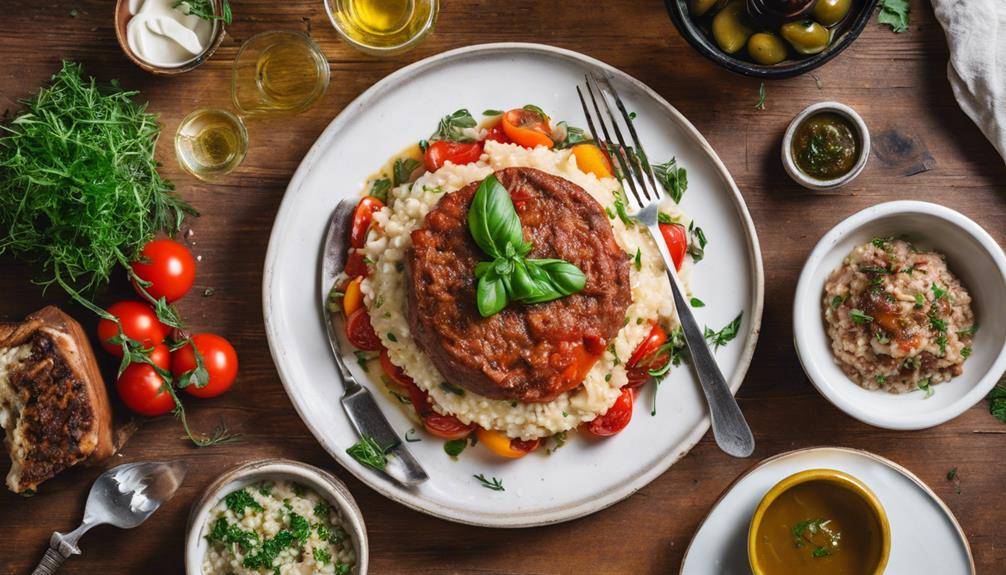
- Deconstructing Classics: Molecular gastronomy allows chefs to deconstruct classic dishes and present them in entirely new and exciting ways. Imagine a deconstructed lasagna with delicate layers of pasta, sauce, and cheese arranged artistically on a plate, each bite a nostalgic yet innovative twist on a beloved comfort food.
In fine dining restaurants, molecular gastronomy takes center stage, captivating diners with its cutting-edge techniques and avant-garde presentations. It elevates the dining experience, turning a meal into a culinary journey filled with surprises and delights. So, next time you find yourself in a fine dining establishment, be prepared to embark on a gastronomic adventure like no other.
Molecular Gastronomy in Street Food
With their vibrant colors, bold flavors, and innovative techniques, street food vendors in Asia are embracing the principles of molecular gastronomy to create a culinary experience that is both exciting and unforgettable. This trend of incorporating molecular gastronomy in street food has gained popularity in recent years, as vendors seek to elevate their dishes and offer a unique twist to traditional favorites.
One way street food vendors are incorporating molecular gastronomy is by applying it to fast food items. For example, they might use scientific techniques to create foams, gels, or spheres that add a burst of flavor and texture to popular street food dishes like noodles or dumplings. By using these techniques, vendors are able to create an elevated version of fast food that not only looks visually appealing but also surprises the taste buds of their customers.
In addition to fast food, street food vendors are also finding ways to incorporate molecular gastronomy into traditional dishes. They might use techniques like spherification to transform traditional condiments or sauces into small, flavorful spheres that can be easily incorporated into dishes. This not only adds a visually stunning element to the food but also enhances the overall taste and texture.
The use of molecular gastronomy in street food allows vendors to push the boundaries of traditional flavors and presentation. By incorporating scientific techniques, they are able to create dishes that are not only delicious but also visually stunning. These innovative approaches to street food are revolutionizing the culinary scene in Asia and attracting food enthusiasts from all over the world. So, the next time you find yourself wandering the streets of Asia, be sure to try these exciting and unforgettable culinary creations.
The Future of Molecular Gastronomy in Asia
As the culinary landscape continues to evolve in Asia, the future of molecular gastronomy holds immense potential for further innovation and creativity in the region’s food scene. This exciting field has already made significant advancements in Asian cuisine, and its future promises to bring even more extraordinary experiences to the table.
Here are four reasons why the future of molecular gastronomy in Asia is something to look forward to:
- Infusing traditional flavors with modern techniques: Molecular gastronomy allows chefs to push the boundaries of taste and texture, creating dishes that are both familiar and delightfully unexpected. By using innovative techniques like spherification and foams, chefs can enhance the flavors of traditional Asian ingredients, elevating them to new heights.
- Exploring sustainable food options: As sustainability becomes increasingly important in the culinary world, molecular gastronomy offers a unique opportunity to explore alternative food sources. Through techniques like plant-based meat substitutes and edible packaging, this field can contribute to the development of more sustainable and environmentally friendly dining options in Asia.
- Enhancing the dining experience: Molecular gastronomy not only tantalizes the taste buds but also engages all the senses. From visually stunning presentations to interactive dining experiences, this culinary approach adds a touch of excitement and theatricality to the meal.
- Fostering culinary collaborations: The future of molecular gastronomy in Asia is also about bringing together chefs from different backgrounds and cultures. By collaborating and exchanging ideas, these culinary experts can create innovative dishes that merge traditional Asian flavors with contemporary techniques, leading to a richer and more diverse food scene.
With its potential for pushing boundaries, embracing sustainability, enhancing the dining experience, and fostering collaborations, the future of molecular gastronomy in Asia is undoubtedly bright. As this field continues to evolve, we can expect even more exciting advancements in Asian cuisine, offering food lovers a truly extraordinary gastronomic journey.
Frequently Asked Questions: Exciting Molecular Gastronomy Trends in Asia
What Are the Key Ingredients Used in Molecular Gastronomy Dishes?
In molecular gastronomy dishes, key ingredients play a crucial role in creating unique flavors and textures. Techniques such as spherification, emulsification, and foams are used to transform these ingredients into innovative culinary creations.
How Does Molecular Gastronomy Enhance the Dining Experience?
Molecular gastronomy techniques enhance the dining experience by creating visually stunning dishes that push the boundaries of traditional cooking. The use of scientific methods and innovative ingredients elevates both fine dining and home cooking to new levels of excitement and creativity.
Are There Any Health Concerns Associated With Consuming Molecular Gastronomy Dishes?
There might be health risks associated with consuming molecular gastronomy dishes. It’s important to consider food safety when indulging in these innovative creations, as they often involve complex and unconventional techniques.
How Has Molecular Gastronomy Influenced Traditional Asian Cuisine?
Innovation and fusion brought about by molecular gastronomy have had a significant impact on traditional Asian cuisine. The blending of scientific techniques with traditional flavors and ingredients has led to exciting and unique culinary creations.
What Training or Qualifications Do Chefs Need to Specialize in Molecular Gastronomy?
To specialize in molecular gastronomy, chefs need specialized training and qualifications. They must possess a deep understanding of scientific principles and techniques, as well as have a creative and experimental mindset.

Conclusion
In conclusion, the rise of molecular gastronomy in Asia has brought about exciting and innovative trends in the culinary world. From Singapore to Mumbai, chefs are pushing the boundaries of traditional cuisine by incorporating scientific techniques and creating unique flavor combinations. Whether it’s fine dining restaurants or street food stalls, the future of molecular gastronomy in Asia looks promising, with endless possibilities for creating cutting-edge dishes that will continue to amaze and delight food enthusiasts.
If you enjoyed exploring this topic and want to dive even deeper, be sure to check out some of our other articles here on Infinite Flavors. From rich culinary histories to creative twists on classic recipes, there’s always something new to discover. Whether you’re curious about the origins of a dish, looking for fresh inspiration in the kitchen, or simply love learning about food culture, our collection of posts is the perfect next step on your flavor journey.
Exciting Future Of Molecular Gastronomy Trends
The Great Impact Of Molecular Gastronomy On Nutrition
Amazing Science Behind Molecular Gastronomy Cooking