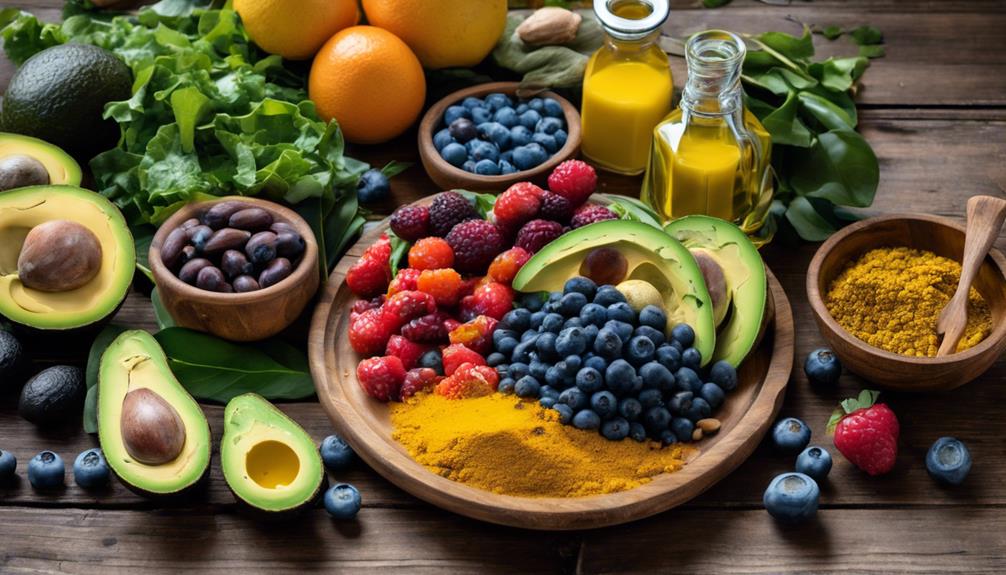
Easy Gluten-Free Sustainable Meal Prep Options
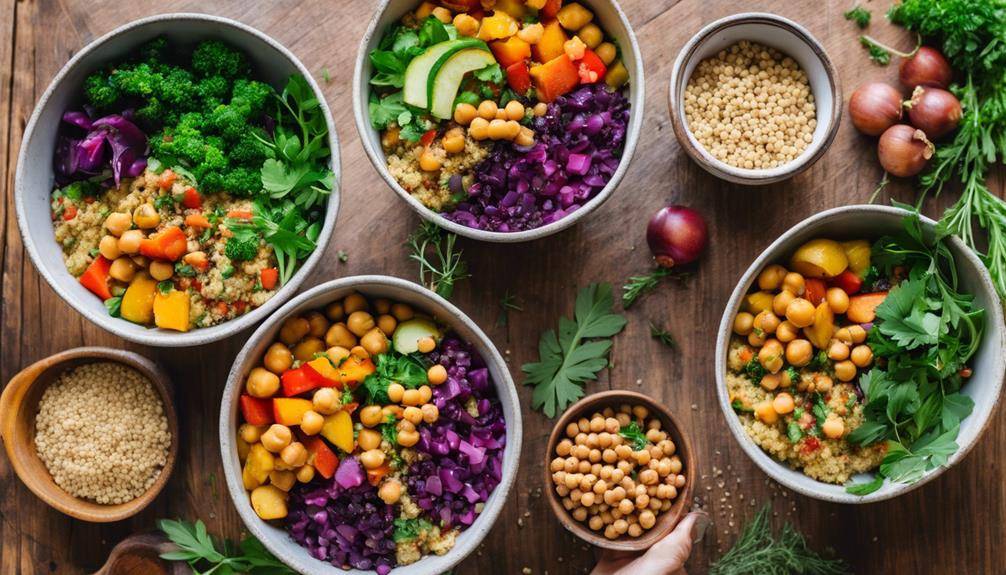
For Gluten-Free Sustainable Meal Prep Options, you can focus on using alternative grains like quinoa and buckwheat, along with gluten-free flours such as almond or coconut flour. Incorporate plenty of plant-based foods, emphasizing seasonal produce from local farms to guarantee freshness and minimize your carbon footprint. Batch cooking is a great way to save time, so whip up soups and stews that freeze well. Don’t forget eco-friendly storage solutions, like biodegradable containers, to reduce waste. If you’re interested in more creative recipes and tips to elevate your meal prep game, there’s plenty more to discover!
Understanding Gluten-Free Ingredients
When it comes to gluten-free cooking, you’ll find that understanding the ingredients is fundamental for crafting delicious meals. One of the most significant components of gluten-free cooking is knowing which gluten-free flours to use. Traditional wheat flour isn’t an option, but there’s a variety of alternatives that can elevate your dishes. For example, almond flour, coconut flour, and rice flour are popular choices. Each flour has unique properties, so experimenting with mixtures can lead to the perfect texture and flavor for your baked goods.
In addition to gluten-free flours, incorporating alternative grains is essential for adding nutritional value and variety to your meals. Quinoa, millet, and buckwheat are excellent options. Quinoa, in particular, is a complete protein, making it a fantastic base for salads or bowls. Millet offers a mild flavor and fluffy texture, while buckwheat brings a nutty taste that works well in pancakes or porridge.
When you’re selecting gluten-free ingredients, always check for cross-contamination, as some products may contain traces of gluten. Reading labels is important to guarantee your meals remain gluten-free. By combining various gluten-free flours and alternative grains, you’ll not only enhance the taste and texture of your dishes but also create a satisfying and nutritious dining experience. Embrace the diversity of gluten-free ingredients, and you’ll find that cooking without gluten can be both fun and flavorful!
Benefits of Plant-Based Foods
When you choose plant-based foods, you access a range of nutritional advantages that can boost your health. Plus, these foods often have a smaller environmental impact compared to animal products, making them a sustainable choice. You’ll also find that plant-based ingredients offer incredible culinary versatility, allowing you to whip up delicious meals with ease.
Nutritional Advantages Overview
Plant-based foods offer a plethora of nutritional advantages, making them a smart choice for anyone looking to enhance their diet. One of the key benefits is their nutrient density. These foods are packed with essential vitamins, minerals, and antioxidants that support overall health. When you incorporate fruits, vegetables, legumes, and whole grains into your meals, you’re fueling your body with high-quality nutrients while keeping calorie intake in check.
Moreover, plant-based foods can greatly improve your digestive health. They’re rich in dietary fiber, which promotes regular bowel movements and supports a healthy gut microbiome. Fiber not only helps prevent constipation but also aids in maintaining a balanced weight by keeping you feeling fuller for longer.
Switching to a plant-based diet can also reduce your risk of chronic diseases, such as heart disease and diabetes, thanks to their heart-healthy fats and low levels of saturated fats. By focusing on these foods, you’re not just making a choice for better health; you’re investing in a diet that prioritizes nutrient density and digestive well-being. So, consider adding more plant-based options to your meal prep for ideal nutrition.
Environmental Impact Insights
Adopting a plant-based diet not only benefits your health but also has a significant positive impact on the environment. By choosing plant-based foods, you’re contributing to sustainable sourcing practices that minimize resource depletion and promote biodiversity. Unlike animal agriculture, which requires vast amounts of land, water, and energy, plant-based diets utilize fewer resources, making them a more environmentally friendly option.
You’ll notice several environmental benefits when incorporating more plant-based meals into your routine. For instance, producing plant foods typically results in lower greenhouse gas emissions compared to meat and dairy production. This shift can help combat climate change by reducing your carbon footprint.
Moreover, plant-based diets encourage sustainable farming methods, which can restore soil health and reduce pollution. When you prioritize ingredients sourced from sustainable farms, you’re supporting practices that protect ecosystems and promote animal welfare.
Making the switch to plant-based foods isn’t just a personal choice; it’s a way to contribute positively to the planet. As you embrace this lifestyle, you’ll find that your meals not only nourish you but also play a vital role in protecting the environment for future generations.
Culinary Versatility Benefits
One of the most exciting aspects of embracing plant-based foods is their incredible culinary versatility. You’ll find that these ingredients allow you to release your culinary creativity like never before. With a wide array of fruits, vegetables, grains, and legumes at your disposal, each meal can become a new adventure. You can easily experiment with flavors and textures, making your meals not just nutritious but also deliciously diverse.
Ingredient experimentation is key to keeping your meals exciting. Try swapping traditional rice for quinoa or cauliflower rice; you’ll discover new tastes and health benefits. Incorporating beans or lentils can add protein and heartiness to your dishes, transforming simple recipes into satisfying meals.
You can also explore various cooking techniques, from roasting and grilling to steaming and sautéing. Each method can highlight different aspects of your chosen ingredients. By diversifying your meal prep, you’ll create a vibrant menu that not only pleases your palate but also keeps your diet aligned with gluten-free and sustainable principles. Embrace the endless possibilities of plant-based cooking, and you’ll find that every meal becomes a delightful exploration of flavors.
Seasonal Produce Choices
When you choose seasonal produce, you not only support local farms but also enjoy ingredients at their peak flavor and freshness. Think about incorporating seasonal fruits and vegetables into your gluten-free meal prep for vibrant, nutrient-packed dishes. You can easily create exciting recipes that highlight these ingredients while keeping your meals healthy and delicious.
Local Farm Availability
Local farms offer a vibrant array of seasonal produce that can elevate your gluten-free meal prep to new heights. By forming local farm partnerships, you can access fresh ingredients that are at their peak flavor and nutrition. These farms often practice seasonal crop rotations, which not only enhances soil health but also guarantees you’re getting produce that’s in sync with nature’s cycles.
When you choose to support local agriculture, you’re not just enhancing your meals; you’re also reducing your carbon footprint. Seasonal produce means you’ll find fruits and vegetables that thrive in your area’s climate, so you’ll enjoy the freshest options available. Think of juicy tomatoes in summer or hearty squash in autumn.
Incorporating these ingredients into your meal prep can make your dishes not only gluten-free but also packed with local flavor. Plus, you’ll be inspired by the variety that seasonal availability offers. Take advantage of farmers’ markets or community-supported agriculture (CSA) programs to discover what’s currently harvest-ready. This approach not only supports your health but also strengthens your community, making it a win-win for everyone involved.
Seasonal Recipe Ideas
Seasonal produce opens up a world of delicious possibilities for your gluten-free meal prep. By embracing seasonal flavors, you not only enjoy fresher ingredients but also support local farmers and sustainable practices. Each season brings unique fruits and vegetables, perfect for creating vibrant, nutritious meals.
In the fall, think about incorporating roasted butternut squash and kale into hearty salads or soups. You can also whip up a pumpkin risotto that celebrates the harvest festivals of autumn. Winter’s bounty offers root vegetables like carrots and parsnips, ideal for warming stews and casseroles.
As spring arrives, fresh asparagus and peas can brighten up any dish. Consider tossing them into a quinoa salad or lightly sautéing them with garlic for a simple side. Summer is the time for juicy tomatoes, zucchini, and bell peppers; these ingredients shine in ratatouille or grilled veggie skewers.
Mindful Sourcing Practices
Mindful sourcing practices are vital for anyone committed to gluten-free meal prep. By prioritizing ethical sourcing, you can guarantee that the ingredients you choose not only meet your dietary needs but also support sustainable practices. Look for options that emphasize ingredient transparency, allowing you to know exactly where your food comes from.
Engaging in local sourcing is a great way to reduce your carbon footprint while enjoying seasonal availability. This means you’ll be able to access the freshest produce and support your local farmers. Consider joining a community supported agriculture (CSA) program, where you can receive a weekly share of seasonal, organic fruits and vegetables.
When selecting grains or other gluten-free ingredients, opt for those with organic certification and fair trade practices. This not only guarantees that your food is free from harmful chemicals but also ensures that the farmers are compensated fairly for their hard work.
For seafood lovers, responsible fishing methods are essential. Choose fish and seafood that are sustainably harvested to protect marine ecosystems. You might also want to explore regenerative agriculture practices, which go beyond sustainability by actively improving the health of the soil and environment.
Batch Cooking Techniques
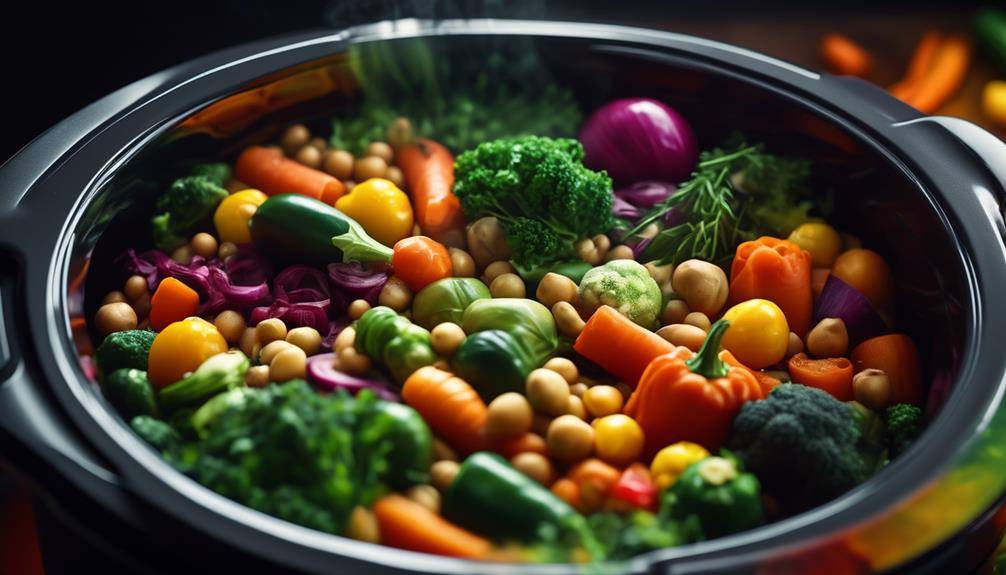
Mastering batch cooking techniques can transform your gluten-free meal prep, making it efficient and enjoyable. By preparing larger quantities of food at once, you save time and reduce stress during the week. Start by selecting recipes that freeze well, such as soups, stews, or casseroles. Using freezing techniques not only preserves your meals but also locks in nutrients and flavors.
When you batch cook, focus on flavor enhancement. Consider marinating proteins or seasoning vegetables beforehand to deepen the taste. Cook a variety of grains—like quinoa, rice, or gluten-free pasta—at once, as they serve as versatile bases for multiple dishes. You can mix and match these components throughout the week, keeping your meals exciting.
Don’t forget to organize your storage. Use clear, labeled containers to make it easy to identify meals in your freezer. Portion out servings based on your appetite, so you can grab exactly what you need. Remember to cool your meals completely before freezing; this prevents ice crystals from forming and helps maintain texture.
Plan your batch cooking days around your schedule. Set aside a few hours on the weekend or your day off to prepare and cook. You’ll enjoy the satisfaction of having healthy, gluten-free meals ready to go. With these techniques, you’ll not only save time but also enjoy the variety and convenience of well-prepared meals throughout the week.
Essential Kitchen Tools
When prepping gluten-free meals, having the right kitchen tools can make all the difference. You’ll want to stock up on must-have utensils that simplify your cooking process and eco-friendly containers to store your meals. Let’s explore what you really need to make your prep efficient and sustainable.
Must-Have Utensils
Equipping your kitchen with the right utensils can transform your gluten-free meal prep into a seamless experience. Start with high-quality cutting boards; having both plastic and wooden options can make a big difference. Plastic boards are great for meats and easy to sanitize, while wooden boards are perfect for veggies and fruits. You’ll appreciate the versatility they offer as you chop, slice, and dice your ingredients.
Next, invest in a reliable set of measuring cups. Accurate measurements are essential in gluten-free cooking, as substituting ingredients can lead to varying results. Look for a set that includes both dry and liquid measuring cups to cover all your bases.
Don’t overlook the importance of sharp knives. A good chef’s knife will make your prep work quicker and more efficient. Finally, consider having a few mixing bowls on hand, as they’re essential for combining ingredients and marinating proteins.
With these must-have utensils, you’ll streamline your gluten-free meal prep process, making it easier to whip up delicious and healthy dishes. Remember, having the right tools isn’t just about convenience; it’s about enjoying the experience of cooking!
Eco-Friendly Containers
Switching to eco-friendly containers can make a big impact on your gluten-free meal prep. By choosing biodegradable materials and compostable containers, you’ll not only keep your meals fresh but also help reduce waste. Look for reusable options that align with zero waste practices. These containers allow for efficient food storage while minimizing your reliance on single-use plastics.
When shopping, prioritize eco-friendly brands that emphasize sustainable sourcing and possess environmental certifications. This guarantees you’re supporting companies committed to reducing their ecological footprint. Opt for plastic alternatives made from glass or stainless steel, which are both durable and environmentally friendly.
Proper kitchen organization becomes easier with these containers, as they often come in various sizes and shapes to suit your needs. You can efficiently stack and store them, maximizing your space. Plus, they’ll keep your gluten-free meals safe from contamination.
Flavorful Gluten-Free Grains
Explore the world of gluten-free grains that can elevate your meals with vibrant flavors and satisfying textures. These nutrient-packed options not only cater to your dietary needs but also offer endless culinary possibilities.
Start by whipping up a revitalizing quinoa salad, tossed with your favorite veggies and a zesty dressing. If you’re in the mood for something hearty, try farro bowls topped with roasted vegetables and a drizzle of tahini. For a cozy breakfast, you can’t go wrong with millet porridge, sweetened with honey and sprinkled with fresh fruit.
Feeling adventurous? Make amaranth pancakes that are fluffy and delicious, perfect for brunch. Buckwheat noodles are another fantastic choice, ideal for stir-frys or cold salads. For a sweet treat, bake teff cookies that are both chewy and packed with flavor.
If you’re looking for something vibrant, whip up arroz verde, which combines rice with fresh herbs for a delightful green hue. Barley risotto brings creaminess to your table, showcasing the grain’s unique texture. Freekeh salad is a great way to introduce a smoky flavor to your meals, mixing it with chickpeas and veggies for a filling dish. Finally, don’t forget spelt pilaf, a simple yet flavorful side that pairs well with any protein.
Incorporating these gluten-free grains into your meal prep will surely keep your palate excited while supporting your dietary choices.
Creative Vegetable Recipes
Vegetables are a fantastic way to complement those flavorful gluten-free grains you’ve been experimenting with in your meal prep. By using creative combinations, you can transform simple veggies into exciting dishes that not only taste great but also look appealing. Think about adding roasted carrots tossed with a hint of maple syrup and thyme to your quinoa. This dish balances sweetness and earthiness, creating a delightful side that stands out.
Another innovative presentation is spiralizing zucchini into noodles. You can sauté them with cherry tomatoes and garlic for a rejuvenating, gluten-free pasta alternative. Drizzle with olive oil and sprinkle fresh basil on top for an extra burst of flavor. This dish is not only visually striking but also packed with nutrients.
Don’t underestimate the power of a colorful vegetable medley. Combine bell peppers, broccoli, and red onions, toss them with a splash of balsamic vinegar, and roast them until slightly charred. The result is a vibrant side dish that enhances any gluten-free grain bowl.
For a unique twist, try making stuffed bell peppers filled with a mixture of brown rice, black beans, and spices. Top them with avocado and fresh cilantro for a zesty finish.
Protein-Packed Meal Ideas
When it comes to gluten-free meal prep, incorporating protein is essential for creating balanced, satisfying dishes. You can start your week off right with hearty quinoa salads, packed with colorful veggies and a drizzle of your favorite dressing. Chickpea bowls are another fantastic option; simply combine chickpeas with fresh greens, avocado, and a zesty sauce for a filling meal.
For those chilly nights, whip up some lentil stews. Lentils are not only gluten-free but also a powerhouse of protein and fiber, making them perfect for cozy dinners. If you’re in the mood for something a bit more fun, try making tempeh tacos. Just sauté tempeh with spices and top with your favorite taco fixings for a delicious twist.
Don’t forget about black bean burgers! They’re easy to prepare and freeze well, so you can enjoy them anytime. For a quick breakfast or snack, consider making protein muffins loaded with nuts and seeds. They’re great for keeping your energy levels up throughout the day.
Hemp smoothies can also be a fantastic addition to your meal prep routine. Blend in some spinach, banana, and hemp seeds for a nutrient-dense drink. Edamame dishes are another great choice; simply steam the pods and toss them with your favorite seasonings for a protein-rich snack. Finally, tofu stir fries can be customized with whatever veggies you have on hand, making them versatile and satisfying.
Eco-Friendly Storage Solutions
Finding eco-friendly storage solutions for your gluten-free meal prep can make a significant difference in reducing waste and keeping your food fresh. Start by investing in reusable bags that are perfect for storing snacks or prepped ingredients. These bags not only cut down on single-use plastic but also keep your food secure. For wrapping sandwiches or fresh produce, consider biodegradable wraps that break down naturally, making them a better choice for the environment.
Compostable containers are another excellent option. They’re sturdy enough for your meals and decompose when disposed of correctly. For items that need a longer lifespan, glass jars are ideal. They’re reusable, easy to clean, and can hold everything from grains to salads. Pair them with silicone lids to create airtight seals that keep your food fresher for longer.
If you’re looking to pack meals on the go, stainless steel containers offer durability and are perfect for preventing leaks. Don’t forget about eco-friendly utensils! Bamboo cutlery is lightweight, sustainable, and adds a touch of elegance to your meals. Incorporate these practices into your meal prep routine to embrace sustainable packaging and reduce waste effectively.
Reducing Food Waste
Reducing food waste is essential for both your wallet and the environment. By adopting smart strategies, you can enjoy gluten-free meal prep while minimizing the amount of food that goes uneaten. Start with meal planning; this allows you to create a shopping list based on what you need, ensuring you only buy ingredients that you’ll use. When you plan your meals, consider portion control. By cooking the right amount for your meals, you’ll avoid leftovers that might otherwise spoil.
Food preservation techniques can also help you extend the life of your ingredients. For example, freezing fresh produce or cooked meals can keep them fresh for longer periods. If you find yourself with extra fruits or vegetables, try pickling or fermenting them, which can add flavor and variety to your meals while reducing waste.
Don’t forget about composting techniques. If you have scraps from your meal prep, composting is a fantastic way to give back to the earth. Instead of tossing vegetable peels or wilted greens in the trash, you can turn them into nutrient-rich soil for your garden. This not only reduces the amount of waste headed to the landfill but also supports sustainable gardening practices.
Meal Prep for Busy Lifestyles
In today’s fast-paced world, meal prep can be a game changer for busy lifestyles, especially if you’re following a gluten-free diet. By implementing time-saving techniques, you can guarantee that healthy, delicious meals are always at your fingertips—even on your busiest days.
Start by dedicating one day a week to meal prep. Choose recipes that are not only gluten-free but also quick meal ideas. Think stir-fries, salads, and grain bowls, which can be easily customized with your favorite proteins and veggies. Cook larger portions of gluten-free grains like quinoa or brown rice, and use them throughout the week.
Utilize your freezer wisely. Prepare freezer-friendly meals, like soups or casseroles, in bulk. When you’re short on time, simply pull a meal out the night before to thaw. Don’t forget about snacks! Pre-portion gluten-free snacks like nuts, fruits, or yogurt, so you can grab them on the go.
Invest in quality containers that stack easily in your fridge or freezer. This not only saves space but makes it easy to see what you have ready to eat. Label each container with the date and contents to streamline your choices.
Frequently Asked Questions: Gluten-Free Sustainable Meal Prep Options
Can I Eat Gluten-Free Grains if I Have a Gluten Sensitivity?
If you have gluten sensitivity, you can eat gluten-free grains like quinoa and rice. Just watch for any gluten sensitivity symptoms, as some cross-contamination might occur. Always check labels to confirm they’re truly gluten-free.
What Are the Best Gluten-Free Snacks for Meal Prep?
When you’re looking for the best gluten-free snacks for meal prep, consider nutrient dense options like nuts, seeds, and dried fruits. These portable snacks are easy to pack and perfect for on-the-go munching.
How Can I Ensure My Meal Prep Is Truly Gluten-Free?
To guarantee your meal prep’s truly gluten-free, focus on cross contamination prevention. Always check gluten-free labeling on products, use separate utensils, and clean surfaces thoroughly. This’ll help you maintain a safe cooking environment.
Are There Gluten-Free Options for Baking Treats?
Yes, there are plenty of gluten-free options for baking treats! You can use gluten-free flours like almond or coconut flour, and make baking substitutions with ingredients like applesauce or mashed bananas for moisture and sweetness.
How Do I Store Gluten-Free Meals for Maximum Freshness?
To store your meals for maximum freshness, use airtight containers. For longer storage, employ freezing techniques. Make sure to label meals with dates, so you know what to eat first and maintain quality.
Conclusion
By embracing gluten-free sustainable meal prep, you’re not just nourishing your body; you’re also making a positive impact on the planet. Choosing plant-based foods, seasonal produce, and mindful sourcing practices empowers you to create delicious, eco-friendly meals. With effective batch cooking techniques and smart storage solutions, you can reduce food waste and simplify your busy lifestyle. Immerse yourself in these options, and you’ll discover how easy it is to enjoy healthy, sustainable eating every day!
If you enjoyed exploring this topic and want to dive even deeper, be sure to check out some of our other articles here on Infinite Flavors. From rich culinary histories to creative twists on classic recipes, there’s always something new to discover. Whether you’re curious about the origins of a dish, looking for fresh inspiration in the kitchen, or simply love learning about food culture, our collection of posts is the perfect next step on your flavor journey.
Easy Plant-Based Sustainable Meal Prep Ideas
Amazing Eco-Friendly Meal Prep For The Week
The Best Sustainable Meal Prep Containers