Great Meal Prep Strategies For Weight Gain
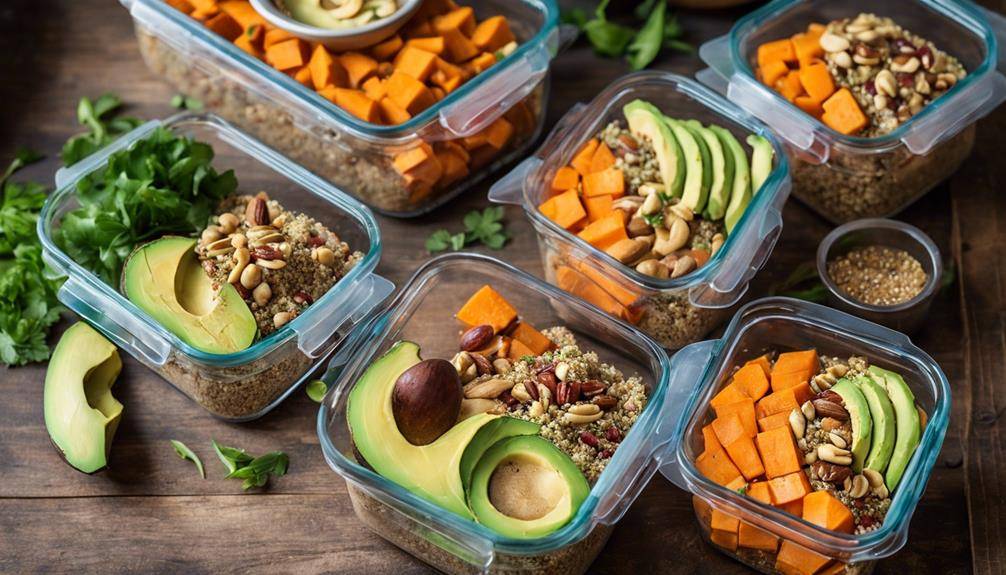
Great Meal Prep Strategies For Weight Gain; To effectively gain weight through meal prep, start by calculating your caloric needs and creating a surplus of 300-500 calories. Choose nutrient-dense foods like avocados, nuts, and lean proteins, and plan balanced meals that include all macronutrients. Batch cooking is key; prepare meals in advance and store them in labeled containers for easy access. Gradually adjust portions as your appetite increases and maintain consistency with your meal timing. Don’t forget to track your progress to fine-tune your approach. With these strategies, you can enjoy a well-structured plan that keeps you moving toward your weight gain goals.
Understand Your Caloric Needs
To effectively pack on pounds, you need to nail down your caloric needs. Understanding how many calories your body requires is vital for achieving a caloric surplus, which is essential for weight gain. Start by calculating your Basal Metabolic Rate (BMR), which estimates the number of calories your body burns at rest. You can use online calculators for this, but remember to take into account factors like age, weight, height, and activity level.
Once you know your BMR, factor in your daily activity to determine your Total Daily Energy Expenditure (TDEE). This number tells you how many calories you burn in a day, including exercise. To gain weight, you should aim for a caloric intake that exceeds your TDEE. A good rule of thumb is to add an extra 300 to 500 calories daily to your diet. This will help create a caloric surplus and promote steady weight gain.
Additionally, reflect on how your metabolism can play a role in this process. A metabolism boost can help you utilize those extra calories efficiently. Engaging in strength training can enhance your metabolic rate, allowing your body to burn calories differently and perhaps more effectively. So, focus not just on your caloric intake but also on how you can optimize your metabolism through exercise. This way, you’ll be well on your way to gaining weight in a healthy and sustainable manner.
Choose Nutrient-Dense Foods
When you’re aiming to gain weight, it’s essential to focus on nutrient-dense foods. Incorporating high-calorie ingredients with balanced macronutrient ratios will help you maximize your meals. By choosing the right foods, you can guarantee you’re fueling your body effectively for your weight gain goals.
High-Calorie Ingredients
Choosing high-calorie ingredients is essential for effective meal prep aimed at weight gain. Start by incorporating nutrient-dense foods that pack a caloric punch. Avocado benefits include healthy fats that not only enhance flavor but also increase your calorie intake. Nut butter is another great option; it’s versatile and can be added to smoothies, oatmeal, or enjoyed with whole grain toast.
Protein smoothies are a fantastic way to blend in high-calorie ingredients like hemp seeds and coconut oil, providing both nutrition and energy. Don’t overlook calorie dense snacks like dried fruit and dark chocolate; they’re easy to carry and perfect for quick energy boosts between meals.
You can also create hearty quinoa bowls, adding roasted vegetables, beans, and a drizzle of olive oil to boost calories. Whole grains are essential too; they provide both energy and fiber, keeping you satisfied longer. By focusing on these high-calorie ingredients, you’ll not only enjoy delicious meals but also support your weight gain goals effectively. Embrace these options, and you’ll see the difference in your meal prep strategy.
Balanced Macronutrient Ratios
While aiming for weight gain, it’s crucial to maintain balanced macronutrient ratios by choosing nutrient-dense foods that fuel your body effectively. Focus on incorporating high-quality protein sources like chicken, fish, beans, and Greek yogurt into your meals. These foods not only provide the necessary protein to support muscle growth but also help repair tissues after workouts.
Carbohydrates are equally important, especially for energy replenishment. Pay attention to carb timing by consuming complex carbs, such as brown rice, quinoa, and sweet potatoes, around your workouts. This strategy guarantees you have the energy you need for intense training sessions and promotes recovery afterward.
Don’t forget about healthy fats! Include sources such as avocados, nuts, and olive oil to round out your meals. These fats are calorie-dense and can help you achieve your weight gain goals while providing essential nutrients.
Plan Balanced Meals
To effectively gain weight, you must focus on planning balanced meals that incorporate a variety of nutrients. Balance is key, as it guarantees you’re not just consuming empty calories but rather nourishing your body. Start by including a mix of macronutrients: proteins, fats, and carbohydrates. Think about meal variety—each meal should have different sources of these nutrients to keep things interesting and to provide your body with what it needs.
For proteins, consider options like chicken, fish, beans, and tofu. These not only aid in muscle repair but also support healthy weight gain. Healthy fats, such as avocados, nuts, and olive oil, are essential for adding calorie density without overwhelming your digestive system. Don’t forget about carbohydrates; whole grains, fruits, and vegetables should fill your plate to provide energy and fiber.
While it’s important to increase your intake, practice portion control to avoid feeling overly full or uncomfortable. You can gradually increase your portion sizes to accommodate your body’s needs. For instance, add an extra scoop of rice or toss in an additional serving of nuts in your salads. Adjusting your portions helps you stay consistent without forcing yourself to eat more than you can handle at once.
Invest in Meal Prep Containers
Maximizing your meal prep efficiency starts with investing in high-quality meal prep containers. Choosing the right meal container types is essential for not only portion control but also for keeping your food fresh and organized. Look for options like glass containers, which are durable and microwave-safe, or BPA-free plastic containers, which are lightweight and easy to transport.
Consider the size and shape of the containers you need. For example, if you’re prepping multiple meals, opt for stackable storage solutions that save space in your fridge or freezer. Divided containers are excellent for separating different food items while guaranteeing you get a balanced meal every time. You might also want to invest in smaller containers for snacks or side dishes, making it easier to grab something healthy on the go.
Don’t overlook the importance of airtight seals. Containers that seal tightly will prevent air from entering, keeping your meals fresh for longer periods. This is especially important for weight gain, as you want to make certain your meals maintain their nutritional value.
Batch Cooking Techniques
With the right meal prep containers in hand, you’re ready to embrace batch cooking techniques that can streamline your weight gain journey. Batch cooking not only saves you time during the week but also guarantees you have nutrient-dense meals readily available. Start by selecting recipes that are high in calories and protein, like casseroles, stews, or grain bowls.
Once you’ve chosen your recipes, dedicate a day to cook in bulk. Prepare large quantities of grains, proteins, and vegetables simultaneously. This way, you maximize cooking efficiency. While one dish is simmering, you can roast veggies in the oven or grill proteins on the stovetop.
After cooking, focus on freezer organization. Portion your meals into individual containers, making sure to label them with the date and contents. This helps you keep track of what you have and prevents food waste. Opt for containers that are freezer-safe to maintain food quality, and stack them neatly to save space.
When you’re ready to eat, simply grab a container from the freezer, heat it up, and you’ll have a wholesome meal in no time. Remember, meal prep is all about making your life easier while helping you reach your weight gain goals, so don’t hesitate to experiment with different recipes and techniques. By mastering batch cooking, you’ll be one step closer to achieving your desired weight gain while enjoying delicious, homemade meals.
Incorporate Healthy Snacks
Healthy snacks play an important role in your weight gain journey, and you should incorporate them regularly throughout your day. By planning your snack prep, you can make certain that you have a variety of options ready to go, making it easier to meet your goals. Think about incorporating high protein bites, which can serve as excellent energy boosters when you need a quick pick-me-up.
Consider creating snack pairings that combine both sweet and savory options. For example, pair Greek yogurt with honey and nuts for a delightful sweet treat or enjoy whole grain crackers with hummus for a savory option. These flavor combinations not only satisfy your taste buds but also provide the nutrients your body craves.
Don’t forget about portable snacks, especially if you’re always on the move. Pack energy bars, trail mix, or protein balls to munch on during busy days. These snacks can help with nutrient timing—having the right fuel before or after workouts can greatly impact your progress.
Portion control is vital when snacking. Preparing snacks in advance can help you avoid overeating. Allocate specific portions to make sure you’re hitting your calorie goals without going overboard. By thoughtfully incorporating healthy snacks into your routine, you’ll find it easier to gain weight in a healthy and balanced way. Remember, the key is variety and preparation, so mix up your snack options to keep things exciting while nourishing your body.
Utilize a Meal Prep Schedule
To effectively gain weight, you need a solid meal prep schedule. Start by planning your meals for the week and consider batch cooking to save time and guarantee you have nutrient-dense options ready to go. This approach not only streamlines your cooking process but also helps you stay consistent with your nutrition goals.
Weekly Planning Essentials
Creating a meal prep schedule can be your secret weapon for consistent weight gain. By planning your meals weekly, you guarantee you’re hitting your calorie targets while enjoying diverse flavors. Start by setting aside time each week to outline your meals, focusing on recipe inspiration that excites you.
Think about incorporating seasonal ingredients, as they’re often fresher and more nutrient-dense. This not only enhances the taste of your meals but also keeps your budget in check. When selecting recipes, aim for calorie-dense options that include healthy fats, complex carbs, and protein.
Once you’ve chosen your meals, create a grocery list that reflects your weekly plan. This helps you stay organized and prevents those last-minute unhealthy choices. Allocate specific days for cooking and prepping, whether it’s a Sunday or any day that fits your schedule.
Don’t forget to store your meals in clearly labeled containers, making it easy to grab and go. With a well-structured meal prep schedule, you’ll find it easier to stay on track with your weight gain goals while enjoying the process!
Batch Cooking Techniques
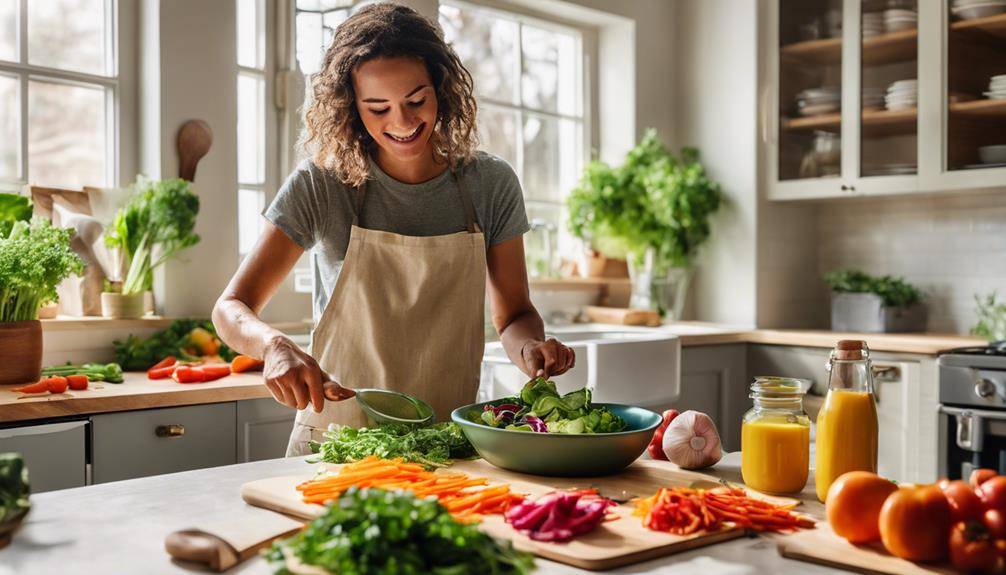
Batch cooking techniques can transform your meal prep routine into a streamlined process that maximizes efficiency and flavor. By dedicating a day to batch cooking, you can prepare large quantities of meals and store them for later use. Start with ingredient prep—chop vegetables, marinate proteins, and measure grains to cut down on cooking time.
Utilize cooking techniques like roasting, steaming, or slow cooking to enhance flavor while maintaining food safety. Once meals are cooked, practice batch cooling by letting them cool quickly before transferring to freezer storage. This helps preserve quality and prevents bacterial growth.
Incorporating time management into your routine means scheduling specific days for cooking and rotating meals to keep your diet exciting. Having a variety of meals ready to go not only aids in weight gain but also helps you avoid unhealthy choices when hunger strikes.
Remember to label your containers with dates, so you can keep track of freshness. With effective meal rotation, you’ll always have nutritious options on hand, making it easier to stick to your weight gain goals while enjoying delicious, homemade meals.
Keep It Interesting With Variety
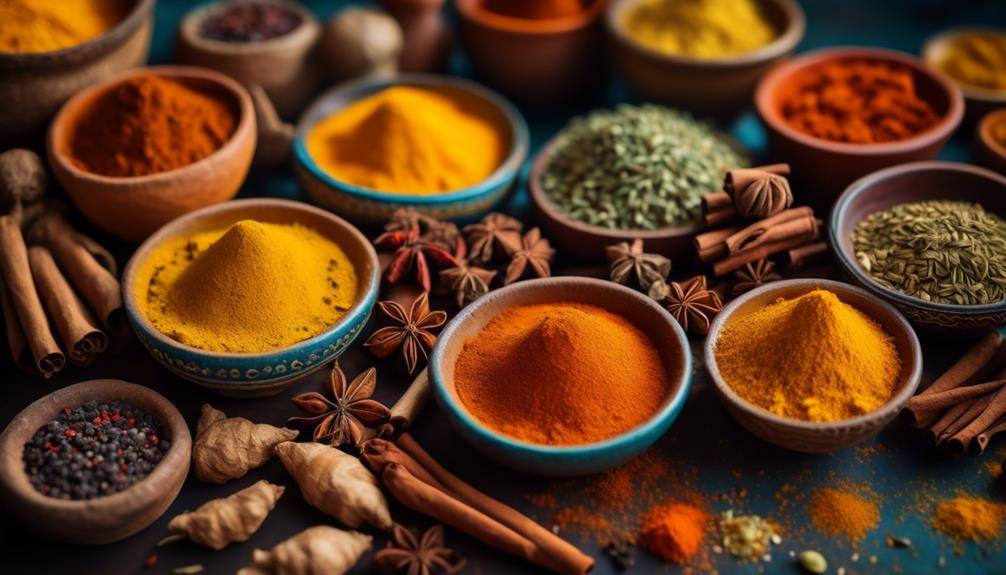
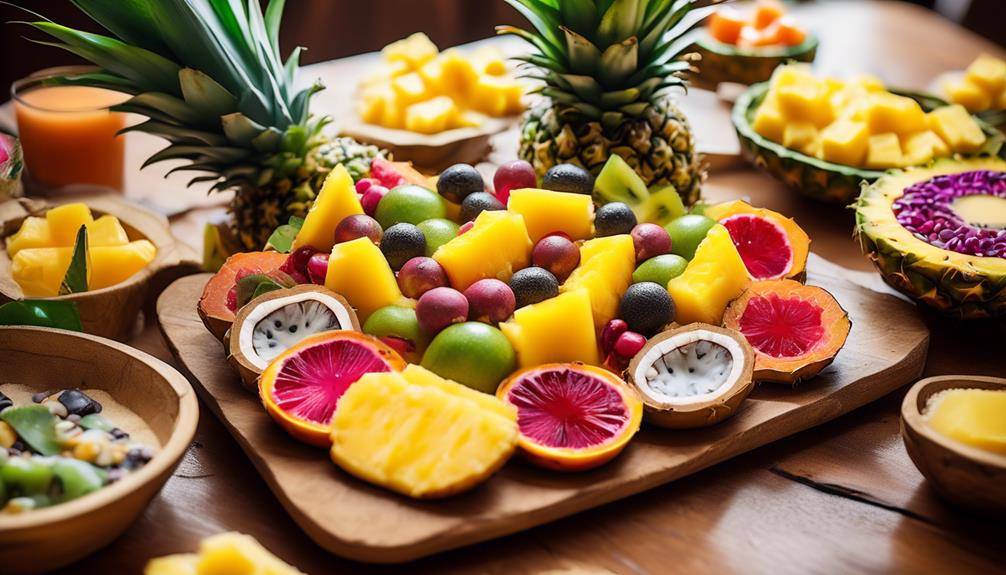
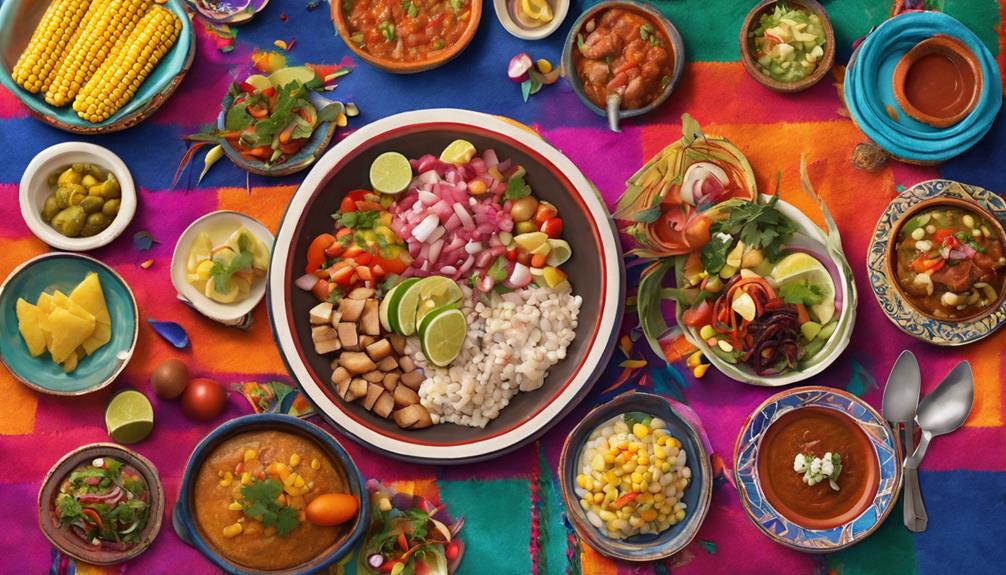
A diverse meal prep strategy can make a significant difference when you’re trying to gain weight. By incorporating variety into your meals, you’ll not only guarantee you’re getting enough calories, but you’ll also keep your taste buds excited. Start with cuisine exploration; immerse yourself in different cultural dishes to expand your palate. Flavor experimentation is key—try new spices and herbs to elevate your meals.
Consider ingredient swapping to keep things fresh. If you usually use chicken, switch it up with beef or plant-based proteins like tempeh. Rotate your recipes regularly; this recipe rotation will help prevent boredom and encourage creativity in the kitchen. Seasonal variety can also play a major role—utilize fruits and vegetables that are in season for the best flavor and nutrition.
Experiment with different cooking methods, such as grilling, roasting, or sautéing, to create texture contrasts that make meals more enjoyable. Don’t forget about color presentation; a visually appealing plate can make even simple meals feel gourmet.
To make your meal prep even more engaging, create themed meals each week. Perhaps one week focuses on Mediterranean dishes while another explores Asian flavors. This approach not only adds excitement but also encourages you to try unfamiliar ingredients and cooking techniques. By keeping your meal prep interesting with variety, you’ll find it easier to meet your weight gain goals without feeling like it’s a chore.
Prepare for On-the-Go Eating
When you’re on the move, having convenient and nutritious options at your fingertips is vital for weight gain. Portable snacks are your best friends during busy days, so stock up on items like nuts, trail mix, or protein bars. These energy boosters are not only easy to grab but also packed with calories to help you meet your goals.
Incorporating quick recipes into your meal prep routine can save time and guarantee you have travel-friendly meals ready to go. Prepare items like quinoa salads or whole grain wraps, which hold up well in food storage containers. Consider making nutritious shakes that you can blend and pour into a thermos, providing a calorie-dense option that’s easy to consume on the road.
Time management plays a significant role in on-the-go eating. Plan your meal timing around your schedule, ensuring you eat regularly, even when you’re busy. If you find yourself dining out, look for calorie-rich options on the menu, and don’t hesitate to ask for modifications to suit your needs.
Always prioritize food safety when packing meals. Keep perishable items chilled in insulated bags and consume them within a safe timeframe to avoid any health issues. With these strategies, you can confidently navigate your day while fueling your body for weight gain. Remember, a little preparation goes a long way in making on-the-go eating both nutritious and enjoyable!
Track Your Progress
Tracking your progress is important for guaranteeing you’re on the right path to achieving your weight gain goals. By incorporating meal tracking into your routine, you can gain valuable insights into your dietary habits and how they affect your body composition. Start with calorie logging to monitor your daily intake and confirm you’re consuming enough calories to support your weight gain.
Engage in food journaling to document not just what you eat, but how it makes you feel. This can help you identify patterns and adjust your meals accordingly. Regular progress evaluation is significant; set specific milestones to assess your weight and body composition over time. Use measurement reviews to track changes in your body size and shape, making sure that your efforts lead to the desired outcomes.
Strength evaluation plays an important role in your journey, too. As you gain weight, it’s important to assess your performance in the gym. Are you lifting heavier? Are you doing more reps? These indicators will help you understand how your body responds to your meal prep strategies.
Don’t forget about weight monitoring—check in weekly to see if you’re on track. If you’re not seeing the results you want, it might be time to re-evaluate your goal setting. Be flexible and open to adjusting your meal prep practices to meet your evolving needs. By keeping a close eye on your progress, you can stay motivated and make informed decisions that support your weight gain journey.
Adjust Portions Gradually
To effectively gain weight, you need to understand your caloric needs and how to adjust your portion sizes. Start by increasing your portions incrementally, focusing on foods that provide the most nutrition. As you make these changes, monitor your progress regularly to guarantee you’re on track.
Understand Caloric Needs
Understanding your caloric needs is essential for effective weight gain, and adjusting your portion sizes gradually can make a significant difference. To achieve a caloric surplus, you need to consume more calories than your body burns. This surplus is imperative for weight gain, but it’s equally important to take into account your metabolism factors, which can vary based on age, activity level, and body composition.
Start by evaluating your current eating habits and dietary preferences. Identify your preferred protein sources, as protein plays a fundamental role in muscle gain. To maximize your caloric intake, focus on increasing meal frequency—aim for five to six smaller meals throughout the day rather than three large ones.
Pay attention to portion sizes; small increases over time can help your body adjust without overwhelming your digestive system. Additionally, reflect on food timing; eating strategically around workouts can enhance your results. Finally, don’t underestimate hydration importance; staying well-hydrated can improve your metabolism and support overall health. By understanding these aspects of your caloric needs, you can more effectively tailor your meal prep for sustainable weight gain.
Incremental Portion Increases
How can you effectively increase your portion sizes without overwhelming your body? The key lies in making incremental portion increases. Instead of dramatically raising your food intake overnight, start by adding a small amount to your meals—maybe an extra quarter cup of rice or a tablespoon of nut butter. This gradual approach allows your body to adapt without causing discomfort.
Practice mindful eating during this process. Pay attention to your hunger cues and how your body responds to the added food. This not only helps you get a feel for your new portion sizes but also reinforces portion control. As you grow accustomed to the changes, you can slowly increase your portions further, ensuring that you’re not just mindlessly eating but actually nourishing your body.
Monitor Progress Regularly
Regularly monitoring your progress is essential for effective weight gain through meal prep. By keeping track of your meals, you’ll better understand how your body responds to different portion sizes and food choices. Start with meal tracking to record what you eat, focusing on calories and macronutrients. This will give you valuable insights into your intake and help you adjust as needed.
During your progress evaluation, assess whether you’re gaining weight at your desired pace. If you notice minimal progress, consider gradually increasing your portion sizes. On the other hand, if you’re gaining too quickly, it might be time to scale back a bit.
Set specific check-in points—weekly or bi-weekly—to evaluate your weight and adjust your meal plans accordingly. Don’t forget to factor in your energy levels and overall well-being; these are just as important as the numbers on the scale.
Stay Consistent and Flexible
Staying consistent with your meal prep while being flexible in your approach can greatly boost your weight gain journey. It’s essential to establish a routine for meal timing and eating frequency, ensuring you’re fueling your body regularly. However, don’t be afraid to adjust your schedule based on your daily activities or hunger levels.
Portion control is key, but it doesn’t have to be rigid. Aim to consume larger portions when you can, and don’t shy away from adding more healthy fats and proteins to your meals. Embrace food variety to keep things interesting—experiment with different cooking techniques and flavor enhancements. This not only makes meals more enjoyable but also helps you discover what works best for your body regarding nutrient timing.
Grocery shopping plays a huge role in your meal prep strategy. Make a list that includes a range of ingredients to support your weight gain goals. With recipe experimentation, try new dishes or modify existing ones to fit your preferences and nutritional needs. Remember, the goal is to find a balance that allows for meal enjoyment without sacrificing consistency.
Seek Professional Guidance
When it comes to gaining weight effectively, seeking professional guidance can make a significant difference. A nutrition consultation with a registered dietitian can provide you with expert insights tailored to your specific needs. They’ll offer dietitian advice that takes into account your food preferences, ensuring you enjoy your meals while meeting your caloric goals.
With personalized plans, you’ll receive a roadmap that suits your lifestyle integration. This means your meal prep can seamlessly fit into your daily routine, making it easier to stick with your weight gain journey. A dietitian will also help you navigate meal timing, ensuring you’re eating at ideal intervals to maximize your results.
Accountability support is another crucial aspect of working with a professional. Regular check-ins can help you stay motivated and adjust your plan as necessary. If you have food allergies or dietary restrictions, a dietitian will tailor your meals accordingly, ensuring you stay safe while still achieving your goals.
Additionally, consider participating in cooking classes to enhance your culinary skills. This can empower you to create delicious, nutrient-dense meals that align with your weight gain objectives. Finally, budget considerations are essential, and a dietitian can help you find affordable options without sacrificing quality nutrition.
Frequently Asked Questions: Great Meal Prep Strategies For Weight Gain
How Can I Increase My Appetite for Weight Gain?
To increase your appetite, try incorporating appetite boosters like healthy snacks and frequent meals. Pay attention to your hunger signals, and don’t ignore them; they’re your body’s way of asking for more nourishment.
Are There Specific Supplements to Help With Weight Gain?
When considering weight gain supplements, look into protein powder options like whey or casein. They’re convenient for boosting your daily intake, and combining them with calorie-dense foods can help you achieve your weight gain goals.
What Are Some Budget-Friendly Meal Prep Tips for Gaining Weight?
When planning your meals, focus on affordable protein sources like beans and eggs. Incorporate calorie-dense snacks such as nut butter or trail mix to boost your intake without breaking the bank. Stay consistent, and you’ll see results.
How Do I Handle Social Situations While Meal Prepping for Weight Gain?
Handling social situations while meal prepping involves practicing portion control. You can enjoy social eating by planning ahead, choosing healthier options, and balancing your meals to fit your goals without feeling deprived or awkward.
Can Meal Prepping Help With Gaining Muscle as Well?
Yes, meal prepping can help you gain muscle. By focusing on nutrient timing, you guarantee your body gets the right nutrients for muscle recovery when it needs them most, optimizing your gains and performance.

Conclusion
Incorporating these meal prep strategies can make your weight gain journey more effective and enjoyable. By understanding your caloric needs and focusing on nutrient-dense foods, you can create balanced meals that fuel your body. Don’t forget to invest in good meal prep containers and try batch cooking to save time. As you track your progress and adjust portions, stay consistent but flexible. If you need extra help, seeking professional guidance can lead you to success.