The Best Weekly Meal Prep For Muscle Gain

The Best Weekly Meal Prep For Muscle Gain; Weekly meal prep is key to achieving muscle gain efficiently. It saves you time and reduces daily meal stress, allowing you to focus on workouts. Prioritize protein-rich foods like chicken, eggs, and legumes, along with complex carbs for sustained energy. Incorporate healthy fats from sources like avocados and nuts to support recovery. Planning meals around your week’s schedule guarantees you meet your nutritional needs consistently. Utilize simple recipes and strategic storage techniques to maintain freshness. If you want to optimize your meal prep journey and discover effective strategies, there’s even more to explore!
Benefits of Meal Prepping
Meal prepping offers several advantages that can greatly enhance your muscle gain journey. First and foremost, it considerably boosts your time management skills. When you set aside a few hours each week to prepare your meals, you eliminate the daily stress of deciding what to eat. You’ll have your meals ready to go, which means you can focus more on your workouts and recovery rather than scrambling to cook between sessions. This structured approach allows you to stay consistent with your nutrition, a key component in muscle building.
Additionally, meal prepping promotes cost efficiency. When you buy ingredients in bulk and prepare multiple meals at once, you can save money compared to purchasing single servings or eating out. You’ll notice that home-cooked meals often provide more nutritional value for your dollar, especially when you’re aiming for high-quality protein sources, complex carbohydrates, and healthy fats. You can also avoid impulse buys and unhealthy food choices, which often lead to wasted money and unproductive eating habits.
As you plan your meals, you can tailor them specifically for your muscle gain goals. Whether it’s optimizing your macronutrient ratios or ensuring you have enough calories, meal prepping gives you control over what goes into your body. By integrating these practices into your routine, you’ll not only streamline your daily life but also set a strong foundation for your muscle-building efforts. So, grab those containers, and start prepping for success!
Essential Nutrients for Muscle Growth
To build muscle effectively, you need to focus on the right nutrients. Protein sources provide the building blocks your muscles crave, while carbohydrates fuel your workouts and recovery. Understanding how these nutrients work together is key to optimizing your meal prep for muscle gain.
Protein Sources Explained
Understanding protein sources is essential for anyone looking to enhance muscle growth. You’ll want to focus on a variety of options to guarantee you’re getting complete proteins. Lean meats, such as chicken and turkey, are excellent sources that provide high protein quality and essential amino acids. If you prefer plant sources, vegan protein options like lentils, chickpeas, and quinoa can be great additions to your diet.
Incorporating protein supplements into your meal prep can also help you meet your daily goals, especially post-workout. Timing is key when it comes to protein intake; consuming protein soon after your workout can maximize muscle recovery and growth.
Don’t forget about protein diversity; mix different sources to guarantee you’re getting a wide range of nutrients. While animal proteins typically offer complete profiles, combining various plant sources can also provide the necessary amino acids. Aim for a balance between lean meats and vegan protein to cater to your dietary preferences while still supporting muscle gains. By prioritizing protein quality and timing, you’ll set yourself up for success in your muscle-building journey.
Role of Carbohydrates
While protein plays an essential role in muscle growth, carbohydrates shouldn’t be overlooked. Carbs are your body’s primary energy source, fueling your workouts and replenishing glycogen stores post-exercise. To maximize your muscle gain, you need to understand different carbohydrate types—simple and complex. Simple carbs, like fruits and honey, provide quick energy, while complex carbs, such as whole grains and legumes, offer sustained energy for longer workouts.
Carbohydrate timing is equally important. Consuming carbs before your workout can enhance performance, while eating them afterward helps with recovery. Aim to consume a meal rich in complex carbohydrates about 2-3 hours before training. This guarantees your energy levels are high when you hit the gym. Post-workout, prioritize simple carbs to quickly restore glycogen levels; think a banana or a sports drink within 30 minutes of finishing your training session.
Planning Your Weekly Menu
When it comes to building muscle, having a well-structured weekly menu makes all the difference. A balanced menu not only fuels your workouts but also keeps you motivated by offering variety. Start by planning your meals around your protein, carbohydrates, and healthy fats. Aim for menu variety by incorporating different protein sources like chicken, fish, beans, and tofu throughout the week. This way, you won’t get bored, and your body will benefit from a range of nutrients.
Next, consider budgeting tips to keep your meal prep affordable. Plan your meals around what’s on sale at your local grocery store. Buy in bulk when possible, especially for staples like rice, quinoa, and frozen vegetables. Stocking up on versatile ingredients can help you create several meals without breaking the bank.
Once you’ve selected your proteins, think about accompanying sides. Incorporate seasonal vegetables and fruits to keep costs down and guarantee freshness. Create a weekly calendar to outline what you’ll eat each day. This will help you stay organized and reduce the temptation to eat out.
Lastly, don’t forget to include snacks to fuel your workouts and recovery. Simple options like Greek yogurt, nuts, or protein bars can be great additions. By planning your weekly menu thoughtfully, you’ll not only support your muscle gain goals but also enjoy your meals and stick to your budget.
Simple Meal Prep Recipes
With your weekly menu planned, it’s time to whip up some simple meal prep recipes that pack a punch for muscle gain. You don’t need to spend hours in the kitchen; instead, focus on quick and efficient meals that give you the nutrients you need.
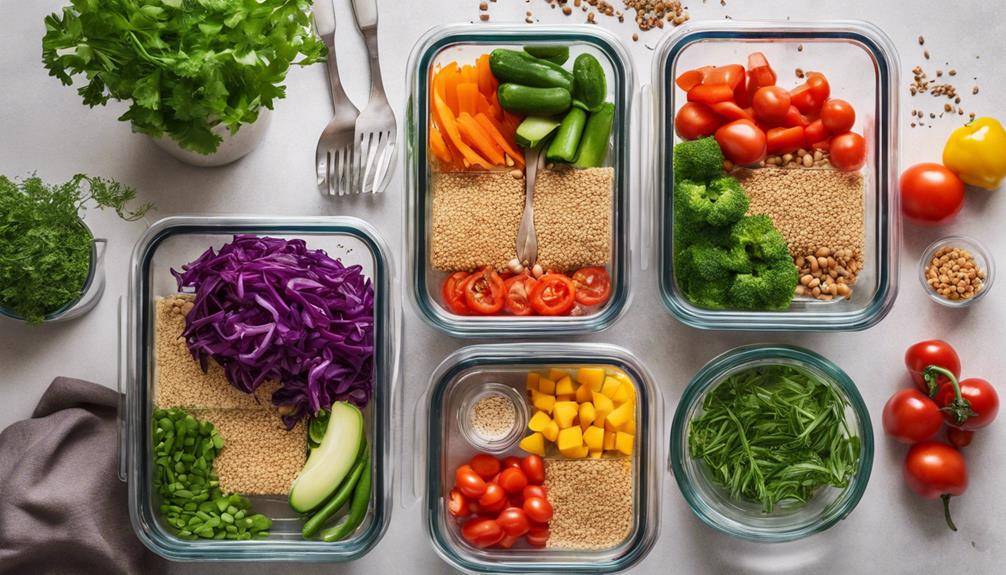
Start with a hearty quinoa salad. Cook a batch of quinoa, then toss in diced bell peppers, cucumbers, cherry tomatoes, and a splash of olive oil and lemon juice. This dish is not only invigorating but also a great source of carbohydrates and fiber, making it a perfect base for your meals.
For protein-rich options, prepare baked chicken breasts or turkey burgers. Season them with your favorite spices, bake a large batch, and store them in airtight containers. This will provide you with easy-to-reheat meals throughout the week.
Don’t forget about quick snacks! Try making energy bites with oats, peanut butter, honey, and your choice of add-ins like dark chocolate chips or dried fruit. They’re budget-friendly options that provide a good energy boost before or after workouts.
Lastly, consider overnight oats for breakfast. Mix rolled oats with milk or yogurt, add chia seeds, and top with fruits or nuts. Let them sit overnight, and you’ll have a nutritious meal ready to go in the morning.
Protein Sources for Muscle Gain
Building muscle effectively hinges on incorporating a variety of protein sources into your diet. Start with lean meats like chicken, turkey, and lean cuts of beef. These options provide high-quality protein essential for muscle repair and growth. Don’t overlook plant proteins, either; beans, lentils, and quinoa are excellent choices that can diversify your protein intake while providing additional nutrients.
Dairy options, such as Greek yogurt and cottage cheese, offer a good balance of protein and calcium, which is vital for bone health. If you’re looking for convenience, protein powders can quickly boost your intake; simply mix them into smoothies or oatmeal. For seafood lovers, fish like salmon and tuna not only supply protein but are also rich in omega-3 fatty acids, which support recovery.
Egg varieties, including whole eggs and egg whites, are another great source of protein, providing all nine essential amino acids needed for muscle synthesis. Don’t forget about protein snacks like beef jerky, nuts, or protein bars to keep your energy levels up throughout the day.
Timing your protein intake is key, too. Aim to consume protein-rich meals and snacks around your workouts to maximize muscle gain. If you’re struggling to meet your protein needs through food alone, consider incorporating protein supplements or fortified foods into your plan. By diversifying your protein sources, you’ll set yourself up for success in your muscle gain journey.
Carbohydrates and Energy Levels
Carbohydrates play an essential role in fueling your workouts and supporting muscle gain. When you engage in intense training, your body relies on glycogen—stored carbohydrates—as its primary energy source. Without sufficient carbs, you may feel sluggish and struggle to perform at your best.
To optimize your energy levels, it’s vital to maintain an effective energy balance. This means consuming enough calories to support your activity level and muscle growth. Incorporating complex carbohydrates like whole grains, fruits, and vegetables helps provide the sustained energy you need throughout the day.
Another effective strategy is carb cycling. This approach involves alternating between high-carb and low-carb days, depending on your workout intensity. On high-intensity training days, increasing your carb intake can replenish glycogen stores, enhancing your performance and recovery. Conversely, on rest days or low-intensity days, reducing your carb consumption can help manage overall calorie intake while still allowing your body to recover.
Healthy Fats for Recovery
Healthy fats are essential for your recovery after intense workouts, as they help repair muscles and reduce inflammation. Incorporating sources like avocados, nuts, and olive oil into your meals can make a significant difference in your progress. Timing your intake of these fats can further enhance your recovery, ensuring you’re ready for your next training session.
Importance of Healthy Fats
Incorporating healthy fats into your meal prep is fundamental for muscle recovery and overall performance. These fats play an important role in reducing inflammation, promoting hormone production, and aiding in fat absorption, which is significant for maximizing your nutrient intake. When you consume healthy fat sources, like avocados, nuts, seeds, and olive oil, you’re not just adding flavor; you’re also enhancing your body’s ability to recover after intense workouts.
Healthy fats help you feel satiated, which can prevent overeating and support your muscle-building goals. They also assist in the absorption of fat-soluble vitamins, including A, D, E, and K. This means your body can better utilize the nutrients from the whole foods in your meal prep, leading to improved recovery times and enhanced performance.
Additionally, incorporating these fats into your meals provides an energy source that’s important when you’re pushing your limits in training. So, don’t shy away from healthy fats; instead, make them a staple in your meal prep. By prioritizing these nutrient-dense foods, you’ll set yourself up for success in your muscle gain journey.
Best Sources Available
When it comes to fueling your recovery, choosing the right sources of healthy fats is vital. Incorporate nutrient-dense options like avocados, nuts, seeds, and olive oil into your meals. These fats not only support muscle repair but also enhance flavor, making your meals more enjoyable.
To maintain meal variety, try different cooking methods such as roasting, sautéing, or grilling. This can help you explore seasonal ingredients while adhering to your dietary preferences. Portion control is important, so consider using measuring tools or visual cues to verify you’re getting the right amount without overspending.
When shopping, focus on budget considerations by buying in bulk or choosing store brands. Utilize shopping strategies like creating a list and checking for sales on healthy fats. Always prioritize food safety by checking expiration dates and storing oils in a cool, dark place.
Timing for Optimal Recovery
How can you guarantee your body gets the most out of healthy fats for recovery? The answer lies in understanding nutrient timing, especially around your workouts. Focus on pre workout nutrition by including healthy fats like avocados or nuts in your meals to provide sustained energy. When planning post workout meals, aim to incorporate both protein and fats to support muscle repair and replenish energy balance.
Don’t underestimate the importance of recovery windows. Ideally, you should consume your post workout meals within 30 to 60 minutes after training. This timing is essential for optimizing recovery and enhancing muscle repair. Additionally, consider your meal frequency; eating smaller, balanced meals throughout the day can help maintain steady energy levels and support your training schedule.
Hydration strategies also play an important role. Make sure you’re drinking enough water, especially before and after workouts, as proper hydration aids in nutrient absorption and overall recovery. Finally, if you’re using supplements, pay attention to supplement timing to maximize their effects. By aligning your healthy fat intake with these strategies, you’ll guarantee your body is primed for recovery and growth.
Storage Tips for Meal Prep
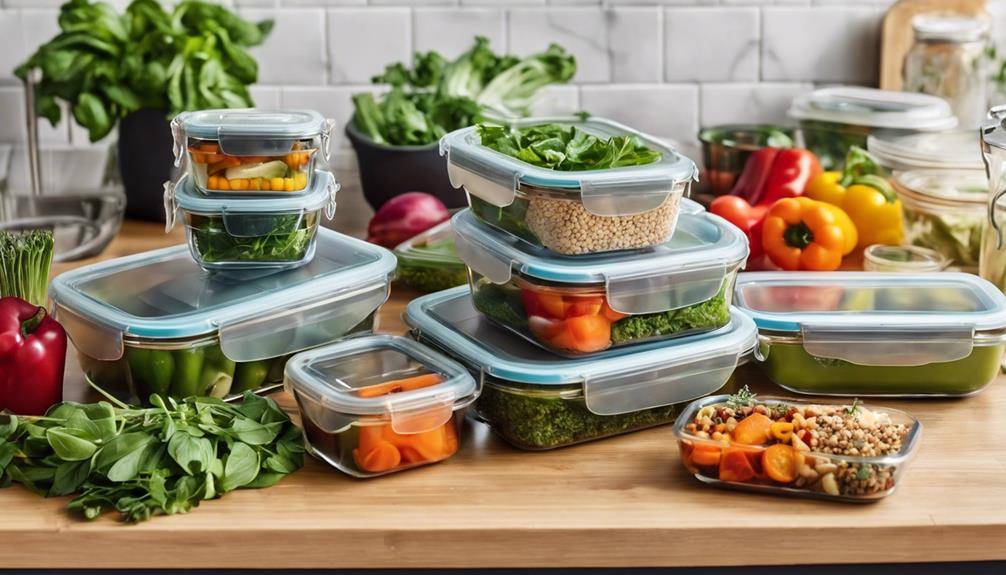
Effective storage is key to successful meal prep for muscle gain. To start, use appropriate container materials like glass or BPA-free plastic that can withstand freezing and microwaving. This guarantees your meals maintain their ingredient freshness while being safe to heat. Portion control is essential; divide meals into single servings to help with meal rotation throughout the week. This way, you’ll avoid food waste and keep your diet on track.
When it comes to freezing techniques, make certain to cool your meals completely before freezing. This helps preserve taste and texture. Labeling methods are also important—write the date and contents on each container to monitor storage duration and avoid eating expired meals.
In your refrigerator, practice good organization. Store meals that need to be consumed first at the front, so you won’t forget them. Keeping an eye on ingredient freshness is significant, too; check your fridge regularly and use older ingredients first.
Time-Saving Cooking Techniques
Often, people find that implementing time-saving cooking techniques can make meal prep for muscle gain much more efficient. By adopting batch cooking, you can prepare larger quantities of food at once, ensuring you have nutritious meals ready throughout the week. Consider dedicating specific prep days to streamline this process, allowing you to focus your time effectively.
Freezer meals are a game changer. Prepare dishes in bulk and store them for those busy days when cooking isn’t an option. Slow cooking is another great option; simply set it up in the morning, and you’ll come home to a delicious meal without any hassle. One pot dishes and sheet pan meals save you time on both cooking and cleanup, letting you enjoy your meals without the stress of multiple pans.
Don’t overlook meal kits, which provide pre-measured ingredients and recipes that save you time on planning and shopping. Incorporate multitasking techniques by chopping veggies while your protein cooks or simmering grains alongside your main dish. This way, you maximize time efficiency and keep your kitchen flowing smoothly.
Lastly, prep quick snacks in advance, such as protein bars or energy bites, so you’re never caught off guard when hunger strikes. By using these time-saving cooking techniques, you’ll not only make meal prep easier but also stay committed to your muscle gain goals without sacrificing precious time in your busy schedule.
Meal Prep Tools and Containers
When it comes to meal prep for muscle gain, having the right tools and containers can make all the difference in your efficiency and organization. You’ll want to invest in high-quality meal prep containers that are durable, microwave-safe, and stackable. Look for options that come with secure lids to prevent spills and keep your meals fresh throughout the week. Glass containers are a great choice since they can withstand heat and won’t absorb odors like plastic can.
In addition to containers, having the right kitchen tools is vital. A sharp knife is a must-have for quick chopping and dicing, while a cutting board provides a safe and stable surface for your prep work. Don’t forget about measuring cups and spoons—accurate portioning is essential for muscle gain. A good set of mixing bowls will help you combine ingredients seamlessly, and a reliable blender or food processor can make smoothies or sauces in no time.
To streamline your process, consider getting storage bags for smaller items like snacks or pre-portioned proteins. Labeling your containers can also save you time during the week, ensuring you grab the right meal when you’re in a hurry. With the right meal prep containers and kitchen tools, you’ll find that planning and preparing your meals becomes a breeze, allowing you to focus more on your workouts and gaining that muscle.
Staying Motivated With Meal Prep
Staying motivated with meal prep can greatly enhance your muscle gain journey. It’s all about creating a routine that keeps you excited and committed. Start by setting clear, achievable goals. Whether it’s prepping healthy meals for the week or trying new recipes, having specific targets gives you a purpose behind your meal prep motivation.
Incorporate variety into your meals to keep things interesting. Rotate different proteins, grains, and vegetables to guarantee you’re not stuck eating the same thing day in and day out. This not only satisfies your taste buds but also helps you stay on track with your nutrition.
Having a meal prep partner can also boost your meal prep accountability. Share your goals with a friend or family member who understands your fitness aspirations. You can prep together, share recipes, and keep each other motivated. When you know someone else is counting on you, it’s easier to stick to your plan.
Lastly, celebrate your successes, no matter how small. Completing a week of successful meal prep deserves recognition. Reward yourself with something you enjoy—maybe new workout gear or a cheat meal. This positive reinforcement reinforces your commitment to the process.
Frequently Asked Questions: The Best Weekly Meal Prep For Muscle Gain
How Long Can I Store Meal Preps in the Fridge?
You can store meal preps in the fridge for about three to four days. To guarantee meal safety, use airtight storage containers to keep your food fresh and prevent contamination. Always check for spoilage before eating.
Can I Freeze My Meal Preps for Later Use?
Yes, you can freeze your meal preps for later use. Just use airtight meal prep containers and follow proper freezing techniques to maintain quality. Label them with dates so you know when to use them.
What Are Common Meal Prep Mistakes to Avoid?
When meal prepping, avoid common mistakes like lacking meal variety and not considering ingredient swaps. Keep your meals exciting and nutritious by mixing flavors and textures, ensuring you stay motivated and satisfied throughout the week.
How Do I Adjust Portion Sizes for Different Goals?
To adjust portion sizes for your goals, focus on portion control. For a caloric surplus, increase portions while maintaining macronutrient balance. This helps optimize body composition and guarantees you’re fueling your progress effectively.
Should I Meal Prep on Rest Days as Well?
Yes, you should meal prep on rest days. It maximizes rest day benefits, ensuring you have nutritious meals ready. Use meal prep strategies to stay consistent, making it easier to stick to your goals all week.

Conclusion
Meal prepping is a game-changer for muscle gain. By planning your meals, you guarantee you’re getting the essential nutrients your body needs to grow stronger. With simple recipes and time-saving techniques, you’ll find it easier to stick to your goals. Remember to keep your storage organized and stay motivated by tracking your progress. Embrace the process, and you’ll see the results in no time. Now, get started on your meal prep journey and fuel your gains!