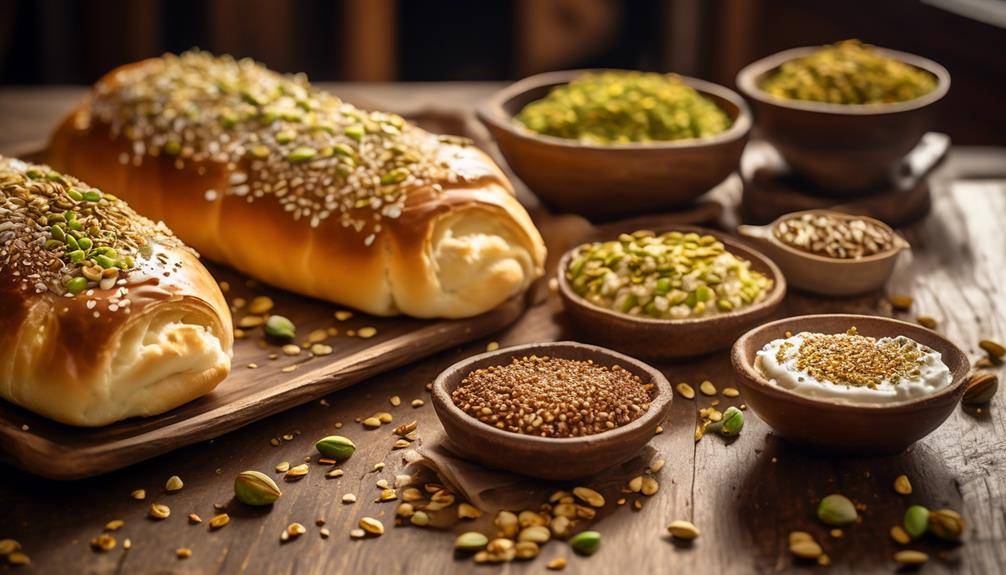
Great Middle Eastern Breakfast Dishes To Try

Great Middle Eastern Breakfast Dishes To Try; If you’re looking to spice up your mornings, you’ve got to try Middle Eastern breakfast dishes. Start with shakshuka, a delightful mix of poached eggs and spicy tomato sauce. Ful medames, a fava bean dish, is creamy and full of flavor. Labneh with olive oil brings a rich, tangy yogurt experience. Don’t miss manakish, a flatbread topped with za’atar, or the hearty layers of fatteh. For something sweet, opt for semolina cake or pastries filled with cheese and za’atar. Each dish tells a story, inviting you to explore even more culinary delights!
Shakshuka
Shakshuka is often enjoyed as a hearty breakfast in many Middle Eastern households. Its origins trace back to North Africa, where it’s believed to have been influenced by various cultures over centuries. You’ll find that Shakshuka variations abound, each region adding its unique twist. While the classic version features poached eggs in a spicy tomato sauce, you can experiment with different vegetables or even meats to suit your taste.
When it comes to Shakshuka cooking techniques, the key is to achieve the perfect balance of flavors and textures. Start by sautéing onions and garlic, then add your spices—cumin, paprika, and chili are popular choices. These Shakshuka spice blends create a rich base for your dish. Once your sauce simmers to perfection, crack in the eggs and cover the pan until they’re cooked just right.
As for Shakshuka toppings, you can elevate your dish with fresh herbs like cilantro or parsley, a sprinkle of feta cheese, or even a dollop of yogurt. These additions not only enhance the flavor but also provide a beautiful presentation.
Shakshuka serving styles vary, but it’s often served directly from the pan, encouraging family-style sharing. Pair it with warm bread or pita to soak up the delicious sauce. So, whether you’re enjoying a traditional version or trying out new variations, Shakshuka is sure to start your day off right!
Ful Medames
Another beloved breakfast dish in the Middle East is Ful Medames, a hearty and nutritious option that highlights the region’s love for legumes. This dish primarily consists of fava beans, which are simmered until tender and then seasoned with garlic, lemon juice, and olive oil. It’s not just a meal; it carries cultural significance, often served in homes and cafes across the Middle East.
Ful Medames has its roots in Egyptian cuisine, where it’s traditionally enjoyed with fresh vegetables, pita bread, and a drizzle of tahini. However, you’ll find regional variations that make this dish uniquely delightful. In Lebanon, for instance, you might encounter it topped with a spicy chili sauce or a sprinkle of za’atar, while in Sudan, it can be served with a rich tomato sauce.
When you sit down to enjoy Ful Medames, you’re not just tasting a dish; you’re experiencing a culinary tradition that has been passed down through generations. It’s often eaten as a communal meal, bringing friends and family together over a shared love for this wholesome food.
Labneh With Olive Oil
For many in the Middle East, breakfast isn’t complete without a generous serving of labneh drizzled with olive oil. This creamy, tangy yogurt cheese pairs perfectly with the rich flavor of high-quality olive oil, creating a delightful experience for your taste buds. You can enjoy labneh in various ways, and there are many labneh variations to explore. Some people mix it with herbs like za’atar or mint, while others sprinkle it with spices for an extra kick.
Labneh is not only delicious but also packed with health benefits. It’s high in protein and lower in fat compared to traditional cheeses, making it a great choice for those looking to maintain a healthy diet. Its probiotics promote gut health, aiding digestion and boosting your immune system. Plus, it’s a fantastic source of calcium, essential for strong bones.
To serve, simply scoop out some labneh, drizzle it generously with olive oil, and add your favorite toppings. You can pair it with warm pita bread, fresh vegetables, or olives for a complete breakfast. The combination of creamy labneh and peppery olive oil will elevate your morning routine and satisfy your cravings.
Manakish
Manakish is a beloved Middle Eastern flatbread that’s often enjoyed at breakfast or as a savory snack. This delicious dish has a rich history, dating back centuries in the Levant region. Traditionally, it’s made from simple ingredients like flour, water, salt, and yeast. The dough is rolled out and baked in a hot oven, creating a warm, fluffy base that’s perfect for various toppings.
You can personalize your manakish with a variety of toppings, making it a versatile choice for any palate. One of the most popular options is za’atar, a flavorful blend of thyme, sesame seeds, and sumac. Just imagine biting into a warm piece, topped with that aromatic mixture! Another favorite is cheese, often a mix of Akkawi or Halloumi, melted to perfection. You might also encounter manakish topped with ground meat or even fresh vegetables.
In many Middle Eastern households, enjoying manakish is a cherished morning ritual. You’d likely find families gathering around the table, savoring this flatbread fresh out of the oven, perhaps paired with a side of labneh or olives. Each bite connects you to the culture and tradition of the region, making your breakfast not just a meal, but an experience. So next time you get a chance, don’t hesitate to try manakish. It’s a delightful way to start your day, packed with flavor and history!
Fatteh
After enjoying a warm piece of manakish, you might find yourself curious about another popular Middle Eastern breakfast dish: fatteh. This layered dish typically features crispy pieces of bread topped with a mix of ingredients like chickpeas, yogurt, and spices, creating a delightful combination of textures and flavors. The beauty of fatteh lies in its fatteh variations, which can differ considerably from region to region, reflecting local tastes and ingredients.
In Lebanon, you might encounter a rich version that includes pine nuts and grilled meat, while in Palestine, the dish often emphasizes tangy yogurt and garlic sauce. Each variation showcases the cultural significance of fatteh, as it’s often served during special occasions or family gatherings, bringing people together around the table.
Making fatteh at home can be a fulfilling experience, allowing you to customize the toppings and flavors to your liking. You can experiment with different types of bread, from pita to lavash, and choose your favorite protein to accompany the dish. The vibrant mix of herbs and spices, like sumac or parsley, adds an aromatic touch that elevates the meal.
Whether you enjoy it for breakfast or as a hearty snack, fatteh is a dish that embodies the warmth and hospitality of Middle Eastern cuisine. As you explore this savory delight, you’ll discover how it connects you to the region’s rich culinary heritage and the stories that each bite tells.
Hummus and Pita
When you think of a Middle Eastern breakfast, hummus and pita are likely at the top of your list. Not only is hummus packed with nutritional benefits, but it also pairs perfectly with warm, fluffy pita. Let’s explore how these two staples work together to create a delicious and healthy start to your day.
Nutritional Benefits of Hummus
Have you ever wondered why hummus has become a staple in so many diets around the world? The answer lies in its impressive nutritional benefits. Hummus is a fantastic protein source, making it an excellent choice for those following a vegan option. Packed with nutrient density, it provides essential vitamins and minerals, promoting overall health. Plus, it’s cholesterol-free, so you can enjoy it without the worry of raising your cholesterol levels.
One of hummus’s standout features is its high dietary fiber content. This can aid digestion and keep you feeling full longer, making it a smart addition to your meal prep. Incorporating hummus into your meals aligns well with the Mediterranean diet, which emphasizes whole, healthy foods.
Hummus also boasts antioxidant properties, helping to combat harmful free radicals in your body. Its versatility as an ingredient allows you to pair it with various dishes, enhancing flavors and textures. Whether you’re dipping veggies or spreading it on bread, hummus brings a wealth of health benefits to the table. So, immerse yourself and enjoy this delicious, nutritious treat!
Perfect Pita Pairings
Pairing hummus with pita is a match made in culinary heaven. This delightful duo offers an array of flavors and textures that elevate your breakfast experience. When you’re pita dipping, you’ll relish the creamy, rich texture of hummus as it complements the soft, warm pita.
To enhance your meal, consider various pita toppings like olive oil, za’atar, or even fresh herbs. Feel free to experiment with pita fillings too; add veggies or lean proteins for a heartier option. If you want to explore pita variations, try whole wheat or gluten-free pita for a healthier twist.
Understanding pita origins adds depth to your enjoyment; this bread traces back to ancient Middle Eastern cultures. It’s not only delicious but also offers pita nutrition benefits, including fiber and essential nutrients.
For the best pita storage, keep them in an airtight container to maintain freshness. If you’re looking for inspiration, check out some pita recipes that incorporate hummus in unique ways. You’ll discover endless possibilities for breakfast or snacks that satisfy both your taste buds and your nutritional needs. Enjoy every bite!
Moutabal
When you think of moutabal, you’re really looking at a deliciously smoky eggplant dip that’s packed with rich flavors. You’ll want to explore its key ingredients, like tahini and garlic, and how they come together in the preparation. Plus, let’s not forget some creative serving suggestions that can elevate your breakfast experience!
Key Ingredients Overview
Moutabal, a rich and smoky eggplant dip, relies on a few key ingredients that bring its flavor to life. The primary ingredient is roasted eggplant, which you’ll want to char to enhance its smoky flavor profile. Tahini adds a creamy texture and nutty taste, while garlic introduces a pungent kick. Fresh lemon juice brightens the dish and balances the richness.
When it comes to spice blends, you might consider using cumin or smoked paprika to deepen the flavor. Different regions have their own variations, so you may find unique ingredients based on local breakfast customs. For instance, some might add yogurt for creaminess, while others prefer a sprinkle of pomegranate seeds for a pop of color and taste.
Ingredient sourcing is vital; fresh, quality ingredients can greatly enhance the dip’s health benefits, packed with vitamins and healthy fats. Using proper preparation tools, like a food processor or mortar and pestle, can streamline the process. Understanding dining etiquette is essential, as serving Moutabal with bread or vegetables is customary in many cultures, reflecting its cultural significance and communal nature. Enjoying this dip can turn any meal into a flavorful experience!
Preparation Methods Explained
To create a delicious Moutabal, you’ll want to start by roasting the eggplant. Preheat your oven to 450°F (230°C) or use a grill for a smoky flavor. Pierce the eggplants with a fork to prevent them from bursting, then place them directly on the oven rack or grill. Roast for about 30-40 minutes, turning occasionally until the skin is charred and the flesh is soft.
Once the eggplants are cool enough to handle, scoop out the flesh into a mixing bowl. This is where your ingredient sourcing comes in—opt for fresh tahini, garlic, lemon juice, and salt. Combine these ingredients with the roasted eggplant and blend using a fork or food processor until you reach your desired consistency.
You can enhance the flavor by adding a drizzle of olive oil and a pinch of smoked paprika. Remember, the cooking techniques you choose can greatly affect the taste of your Moutabal, so don’t skimp on the roasting! This simple preparation method allows the eggplant’s natural sweetness to shine through, giving you a creamy and delicious dip that’s perfect for breakfast.
Serving Suggestions Ideas
After you’ve prepared your Moutabal, consider how to serve it for a delightful breakfast experience. Start with thoughtful plating techniques; a shallow bowl or a beautiful plate works wonders. Spread the Moutabal evenly, creating a slight well in the center for olive oil. For garnish ideas, sprinkle a touch of paprika or sumac, and add fresh parsley or pomegranate seeds for a pop of color.
When it comes to meal pairings, serve your Moutabal with warm pita bread, fresh vegetables, or even labneh for a satisfying morning spread. Maintaining the ideal serving temperature is essential—serve it slightly chilled or at room temperature for the best flavor.
Portion sizes matter, too; aim for a generous tablespoon per person, allowing everyone to savor the dish without going overboard. Embrace eating customs by encouraging guests to scoop the Moutabal with their pita, making it a communal experience. Finally, pay attention to your presentation styles—use vibrant dishes that reflect the cultural significance of Middle Eastern cuisine. This thoughtful approach will elevate your breakfast and create a memorable dining experience.
Savory Semolina Porridge
Have you ever tasted the comforting warmth of savory semolina porridge? This dish is a staple in many Middle Eastern households, providing both nourishment and satisfaction. Made from various semolina varieties, this porridge offers a delightful texture that can be both creamy and hearty. Depending on the type of semolina you choose—coarse or fine—you can create a different experience that caters to your palate.
Preparing savory semolina porridge is straightforward. You start by toasting the semolina in a pan, which enhances its nutty flavor. Gradually, you add water or broth, stirring continuously until it thickens into a luscious consistency. The beauty of this dish lies in its versatility. You can easily customize it by choosing your favorite porridge toppings, such as sautéed vegetables, aromatic herbs, or a drizzle of olive oil. Some people even sprinkle nuts or seeds for added crunch.
If you’re looking for a protein boost, consider topping your porridge with a poached egg or crumbled feta cheese. These additions not only enhance the flavor but also make your breakfast more filling. You might also enjoy a side of yogurt or a fresh salad to balance the meal.
Savory semolina porridge is perfect for those chilly mornings when you need something that warms you up from the inside. So why not give it a try? You’ll discover a comforting dish that’s rich in flavor and steeped in tradition.
Burak
Burak frequently graces breakfast tables across the Middle East, delighting diners with its crispy, flaky layers and savory fillings. This delectable pastry is a favorite for many, and you’ll find that its versatility makes it suitable for various palates. Whether you’re enjoying it at home or in a bustling café, burak is sure to impress.
One of the best aspects of burak is the multitude of burak variations available. You can choose from a range of fillings that elevate this dish to new heights. Traditional options often include spiced minced meat, like lamb or beef, mixed with aromatic herbs and spices. If you prefer a vegetarian option, you might opt for a filling of sautéed spinach and feta cheese, which offers a deliciously tangy contrast to the crispy pastry.
As you explore different burak fillings, don’t hesitate to experiment. Some regions offer unique twists, like potato and onion or even sweet variations with nuts and sugar for those who enjoy a touch of sweetness in the morning. You can serve burak alongside yogurt or a fresh salad for a balanced meal that’s both satisfying and nutritious.
Whether you’re a seasoned fan or a newcomer to this delightful dish, burak is a must-try breakfast item that showcases the rich culinary traditions of the Middle East. So, the next time you sit down for breakfast, consider indulging in a warm, flaky piece of burak and savor the wonderful flavors it brings to the table.
Zaatar and Cheese Pastries
Zaatar and cheese pastries are another beloved breakfast option in the Middle East, offering a delightful blend of flavors that complement the crispy texture of the dough. You’ll find these pastries filled with a mix of zaatar, a fragrant herb blend with origins that trace back to ancient Mediterranean cultures, and various cheese varieties. The zaatar typically includes thyme, sumac, and sesame seeds, creating a savory and aromatic experience that’s hard to resist.
When you bite into these pastries, the tangy zaatar perfectly balances the richness of the cheese, which can range from traditional options like Akkawi or Nabulsi to more familiar choices like feta. Each cheese variety adds its unique character, enhancing the overall taste profile.
You might enjoy these pastries in the morning with a side of fresh vegetables or olives, along with a cup of Arabic coffee or tea. The contrast of flaky pastry with the creamy filling makes every bite satisfying and indulgent.
Making zaatar and cheese pastries at home is simpler than you might think. You can use store-bought dough or prepare your own from scratch. Once you fill and shape the pastries, a quick bake in the oven transforms them into golden, crispy delights.
Whether you’re at a café in Beirut or trying your hand in your kitchen, zaatar and cheese pastries offer a delicious way to start your day. So, give them a try and enjoy this Middle Eastern culinary gem!
Sweet Semolina Cake
When you think of sweet treats for breakfast, sweet semolina cake is a must-try. This delightful dish combines simple ingredients and straightforward preparation steps, making it accessible for everyone. Plus, you can explore various flavor variations and traditional serving methods to make it your own.
Ingredients and Preparation Steps
To create a delicious Sweet Semolina Cake, you’ll need a handful of essential ingredients and straightforward preparation steps. Start with 1 cup of semolina, 1 cup of sugar, 1 cup of yogurt, and 1/2 cup of melted butter. You’ll also need 1/2 teaspoon of baking powder and a pinch of salt. For the syrup, gather 1 cup of sugar, 1/2 cup of water, and a splash of lemon juice.
Begin by preheating your oven to 350°F (175°C). In a mixing bowl, combine the semolina, sugar, yogurt, melted butter, baking powder, and salt. Stir until the mixture is well-blended. Pour it into a greased baking dish and smooth the surface. Bake for about 30-35 minutes or until golden brown.
While the cake is baking, prepare the syrup by simmering the sugar, water, and lemon juice until it thickens slightly. Once the cake is done, pour the warm syrup over it, allowing it to soak in. This Sweet Semolina Cake not only tastes divine but also offers nutritional value, with its semolina providing fiber and protein. Plus, you can enjoy regional variations by adding nuts or spices to personalize your creation!
Traditional Serving Methods
Traditionally, Sweet Semolina Cake is served warm, often accompanied by a fragrant cup of Arabic coffee or tea. When you present this delightful dish, consider your table settings. Using decorative platters or cake stands elevates the experience, making it visually appealing for your guests.
In many Middle Eastern cultures, communal dining is a cherished practice, and Sweet Semolina Cake fits perfectly into this tradition. You might place the cake in the center of the table, inviting everyone to share. This encourages conversation and laughter, creating a warm, inviting atmosphere.
When serving, cut the cake into small squares or diamond shapes, making it easy for guests to take a piece. Drizzle some syrup or sprinkle powdered sugar on top before serving, as this adds an extra touch to the presentation.
Don’t forget to provide small plates and utensils for each guest. It’s also nice to have a selection of nuts or dried fruits on the side, offering a variety of textures and flavors that complement the cake. Enjoy the experience of sharing this delicious treat with family and friends, as it’s meant to be savored together.
Flavor Variations and Twists
Sweet Semolina Cake offers plenty of opportunities for flavor variations that can cater to different tastes and preferences. You can experiment with various spice combinations, like cardamom or cinnamon, to enhance its flavor profile. Regional influences play a significant role; for instance, adding rose water or orange blossom can give your cake a distinct Middle Eastern flair.
Consider ingredient substitutions, such as using almond flour or coconut milk, to create unique twists. Different cooking techniques, like baking versus steaming, can also yield varied textures, making your cake either moist or slightly dense. Seasonal ingredients, like ripe citrus or fresh nuts, can elevate the dish and add freshness.
When it comes to serving styles, you can present your cake in charming slices alongside a drizzle of honey or a sprinkling of pistachios for added crunch. Don’t forget the cultural significance—this cake often symbolizes celebrations, making it perfect for gatherings. Finally, think about presentation ideas; a dusting of powdered sugar or edible flowers can turn your Sweet Semolina Cake into a beautiful centerpiece, impressing your guests while ensuring it reflects the essence of Middle Eastern hospitality
Frequently Asked Questions: Great Middle Eastern Breakfast Dishes To Try
What Beverages Pair Well With Middle Eastern Breakfast Dishes?
When enjoying breakfast, consider pairing it with various tea varieties. Each has cultural significance, enhancing your meal experience. Try mint tea for freshness or Arabic tea for a warm, spiced flavor that complements many dishes beautifully.
Are Middle Eastern Breakfasts Typically Served as a Buffet?
Middle Eastern breakfasts often aren’t served as buffets. Instead, traditional customs focus on sharing various breakfast variations at the table, allowing everyone to enjoy a communal experience, savoring diverse flavors and dishes together.
How Can I Make These Dishes Vegetarian-Friendly?
To make these dishes vegetarian-friendly, focus on vegetarian substitutions like chickpeas or lentils. Incorporate plant-based options such as tofu or avocado. Experiment with spices to enhance flavors and create satisfying, delicious meals without meat.
What Are Common Side Dishes for a Middle Eastern Breakfast?
For a Middle Eastern breakfast, you’ll often enjoy sides like falafel variations and labneh recipes. These dishes add flavor and texture, making your meal more satisfying. Don’t forget to pair them with fresh vegetables or pita!
Can I Find These Dishes in Restaurants Outside the Middle East?
Yes, you can find these dishes in restaurants outside the Middle East. Cultural influences and regional variations guarantee that many establishments offer authentic options, making it easier for you to enjoy diverse flavors anywhere you go.

Conclusion
So there you have it—seven delicious Middle Eastern breakfast dishes to brighten your mornings. Whether you’re craving the spicy warmth of shakshuka or the creamy richness of labneh, each dish offers a unique taste of the region’s culinary heritage. Don’t hesitate to try making these at home or seek them out at a local restaurant. Your breakfast routine is about to get a whole lot more exciting! Enjoy every bite and explore the flavors of the Middle East!