5 Great Nutrition-Focused Meal Prep Strategies
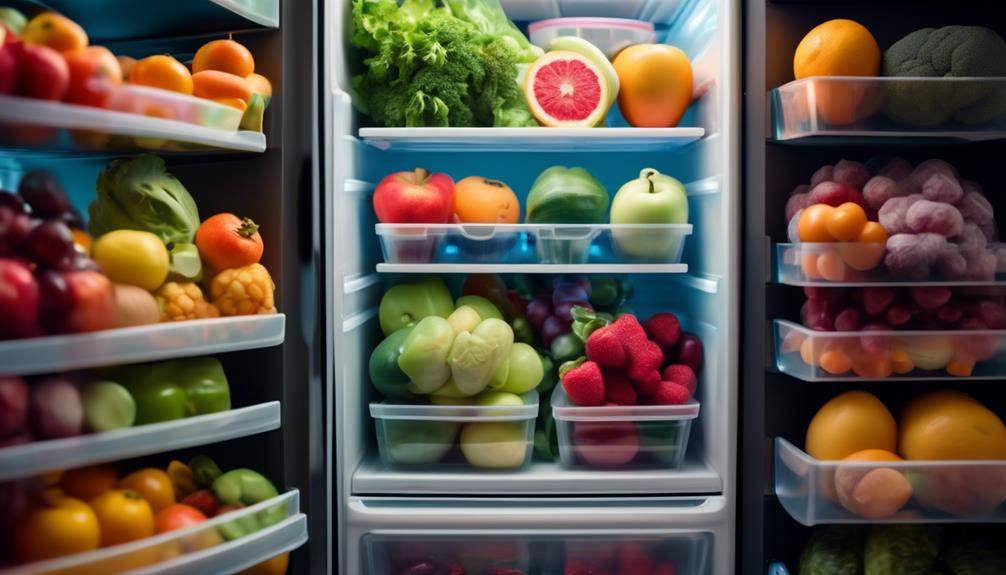
Great Nutrition-Focused Meal Prep Strategies; Did you know that according to a recent survey, only 1 in 10 Americans consume the recommended daily servings of fruits and vegetables? With our busy lives and hectic schedules, it can be challenging to prioritize nutrition. However, meal prepping can be a game-changer when it comes to maintaining a healthy diet. In this article, we will explore five of the best nutrition-focused meal prep strategies that can help you save time, stay on track with your health goals, and ensure that you are nourishing your body with wholesome meals. So, if you’re looking for practical tips and ideas to make your meal prep journey easier and more effective, keep reading.
We’ve Got Everything You Need to Make Your Masterpiece.
Plan Your Meals in Advance
To optimize your nutrition-focused meal prep, start by planning your meals in advance. This step is crucial for effective grocery shopping and time management. When you plan your meals ahead of time, you can create a detailed grocery list that ensures you have all the necessary ingredients on hand. This not only saves you from last-minute trips to the store but also helps you make healthier food choices by avoiding impulse purchases. By knowing exactly what you need, you can streamline your grocery shopping experience and stay focused on buying nutritious foods.
Additionally, meal planning allows you to manage your time more efficiently. With a well-thought-out plan, you can batch cook or prepare ingredients in advance, saving valuable time during busy weekdays. Imagine coming home after a long day and having a healthy, home-cooked meal ready to eat in minutes. By prepping your meals in advance, you reduce the need for extensive cooking each day and minimize the temptation to opt for less healthy takeout or fast food.
When it comes to planning your meals, consider your schedule and lifestyle. Think about the number of meals you’ll need to prepare, whether it’s just for yourself or for your whole family. Take into account any dietary restrictions or preferences and aim for a variety of nutrient-dense foods. Planning your meals in advance not only helps you eat healthier but also saves you time and money. So grab a pen, paper, and start mapping out your meals for the week ahead. Your body and your schedule will thank you.
Focus on Whole Foods
Eating a diet focused on whole foods is essential for optimizing your nutrition and overall health. Whole foods are unprocessed and unrefined, providing you with a wide range of essential nutrients that are necessary for your body to function at its best. By incorporating whole foods into your meal prep, you can reap the many benefits they offer.
Whole food benefits are abundant. They are rich in vitamins, minerals, and antioxidants, which support your immune system, protect against chronic diseases, and promote overall well-being. Whole foods are also high in fiber, which aids digestion, helps maintain a healthy weight, and reduces the risk of heart disease and diabetes. Additionally, whole foods are generally lower in added sugars, unhealthy fats, and sodium compared to processed foods, making them a healthier choice for your meals.
When it comes to meal prep, there are numerous whole food recipes you can try. Start by stocking up on fresh fruits and vegetables, whole grains, lean proteins, and healthy fats. Incorporate these ingredients into your meals in creative ways. For example, you can make a colorful salad with a variety of veggies, add quinoa or brown rice to your stir-fries, or use avocado as a spread instead of butter or mayo. Experimenting with different flavors and textures will keep your meals exciting and enjoyable.
We’ve Got Everything You Need to Make Your Masterpiece.
Prioritize Portion Control
One effective strategy to optimize your nutrition and maintain a healthy weight is by prioritizing portion control. Controlling your portion sizes can help you manage your calorie intake and prevent overeating. Here are four practical tips to help you master portion control and practice mindful eating:
- Use smaller plates and bowls: Research shows that people tend to eat less when they use smaller plates and bowls. By reducing the size of your dishware, you can trick your brain into thinking that you are eating a larger portion, leading to greater satisfaction with less food.
- Measure your portions: It can be challenging to estimate portion sizes accurately, especially when you are not accustomed to visual cues. Use measuring cups, spoons, or a food scale to measure your food before eating. This will provide you with a clear understanding of appropriate serving sizes and help you avoid overeating.
- Fill half your plate with vegetables: Vegetables are low in calories and high in nutrients, making them an excellent choice for filling up your plate. By dedicating half of your plate to vegetables, you can naturally reduce the portion size of higher-calorie foods while still feeling satisfied.
- Slow down and savor your food: Mindful eating involves paying attention to the taste, texture, and satisfaction of each bite. Take the time to chew your food thoroughly, put your utensils down between bites, and savor the flavors. Eating slowly can help you recognize when you are full and prevent you from overeating.
Incorporate Meal Prepping Tools
Incorporating meal prepping tools can greatly simplify your nutrition-focused meal prep routine. Meal prep organization is key to saving time and ensuring that you have nutritious meals readily available throughout the week. Here are some time-saving tips and tools that can make your meal prep process more efficient.
Investing in a good set of storage containers is essential for meal prep organization. Look for containers that are stackable, leak-proof, and microwave-safe. This will allow you to portion out your meals and store them conveniently in the fridge or freezer. It’s also helpful to have containers in different sizes to accommodate various meal portions.
A food scale is another valuable tool for meal prepping. It allows you to accurately measure ingredients and portion out your meals according to your nutritional needs. This is especially important if you’re following a specific diet plan or tracking your calorie intake.
To save time on chopping and slicing, consider investing in a good quality food processor or a mandoline slicer. These tools can quickly and efficiently chop vegetables, fruits, and other ingredients, reducing the time and effort required for meal preparation.
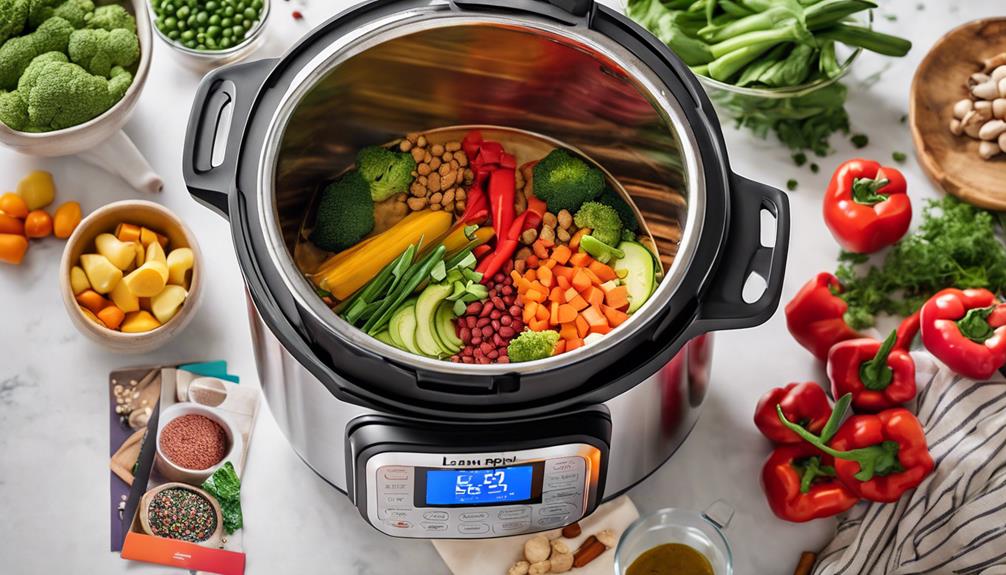
Using a slow cooker or an Instant Pot can also be a game-changer for meal prepping. These appliances allow you to cook large batches of food with minimal effort. Simply add your ingredients, set the timer, and let the appliance do the work. This can save you a significant amount of time, especially on busy days.
Incorporating meal prepping tools into your routine can help streamline the process and make it more efficient. With proper organization and the right tools, you can save time and have nutritious meals ready to go throughout the week. So, invest in these tools and make your meal prep routine a breeze.
We’ve Got Everything You Need to Make Your Masterpiece.
Customize Your Meal Prep Approach
To optimize your nutrition-focused meal prep routine, it’s important to tailor and personalize your approach based on your specific dietary needs and preferences. By customizing your meal prep, you can ensure that you’re incorporating a variety of ingredients and saving time in the process. Here are four tips to help you customize your meal prep approach:
- Identify your dietary needs: Before you start meal prepping, take some time to evaluate your dietary needs. Whether you follow a specific diet like vegetarian, vegan, or gluten-free, or have any food allergies, understanding your dietary restrictions will help you make informed choices when selecting ingredients.
- Plan for variety: Incorporating a variety of ingredients is key to ensuring a well-balanced and enjoyable meal prep routine. Aim to include different types of protein, such as lean meats, fish, tofu, or legumes, as well as a mix of colorful fruits and vegetables. Don’t be afraid to experiment with different flavors and cuisines to keep your meals exciting.
- Use time-saving tips: Meal prep can be a time-consuming process, but with a few time-saving tips, you can make it more efficient. Consider batch cooking staple ingredients like grains, proteins, and sauces to use throughout the week. Additionally, utilizing kitchen tools like a slow cooker or instant pot can help you save time and effort in the cooking process.
- Prep in advance: Take advantage of your free time to prep ingredients in advance. Wash and chop vegetables, marinate proteins, and portion out snacks and meals. Having these tasks done ahead of time will make it easier to assemble meals quickly during busy weekdays.
Frequently Asked Questions: Great Nutrition-Focused Meal Prep Strategies
Are There Any Specific Meal Planning Apps or Websites That Can Help With Organizing and Tracking Nutrition-Focused Meal Preps?
You can find meal planning apps and websites that help with organizing and tracking nutrition-focused meal preps. These tools make it easier to stay on top of your nutrition goals and ensure you are eating healthy meals.
How Can I Ensure That I Am Getting a Balanced Variety of Nutrients in My Meal Preps?
To ensure a balanced variety of nutrients in your meal preps, it’s important to plan your meals ahead. Include a variety of nutrient-rich ingredients like fruits, vegetables, lean proteins, and whole grains.
Can You Provide Any Tips for Avoiding Food Waste While Meal Prepping?
To reduce food waste during meal prepping, try these tips: plan your meals ahead, buy only what you need, store ingredients properly, and get creative with leftovers. Repurpose them in new dishes for added variety and nutrition.
Are There Any Recommended Portion Control Tools or Methods That Can Be Used During Meal Prepping?
To ensure portion control during meal prepping, there are recommended tools and methods. Measuring cups, food scales, and portion control plates can help you accurately portion your meals. These strategies promote balanced and nutritious eating.
Is It Possible to Meal Prep for Specific Dietary Restrictions or Preferences, Such as Vegetarian, Gluten-Free, or Dairy-Free Diets?
You can definitely meal prep for specific dietary restrictions or preferences like vegetarian, gluten-free, or dairy-free diets. Look for meal prep recipes and tips that cater to your needs and make adjustments accordingly.

Conclusion
In conclusion, adopting nutrition-focused meal prep strategies can greatly benefit your health and well-being. By planning meals in advance, focusing on whole foods, practicing portion control, and utilizing meal prepping tools, you can ensure that you are fueling your body with nutritious meals throughout the week. Customizing your approach to meal prep allows for flexibility and personalization. Incorporating these strategies into your routine can lead to better nutrition, improved energy levels, and overall healthier habits.