What Are The Great Traditional Spices In Ethiopian Cuisine
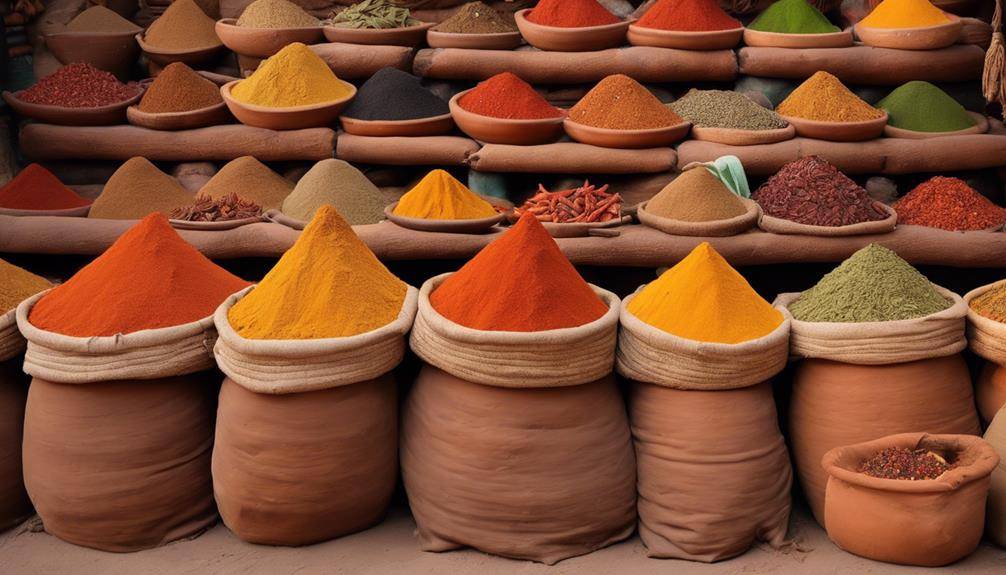
Great Traditional Spices In Ethiopian Cuisine; Ethiopian cuisine shines with traditional spices that create unforgettable flavors. You’ll find berbere, a signature blend of chili peppers, garlic, and fenugreek, essential in stews and grilled meats. Mitmita adds fiery heat, perfect for enhancing grilled dishes. Korarima, or Ethiopian cardamom, infuses stews and coffee with depth. Turmeric brings warmth and golden color, while garlic and ginger add aromatic zest. Don’t forget black pepper and salt, which enrich every meal. These spices not only elevate dishes but also reflect the rich cultural heritage. If you’re curious about how they come together, keep exploring!
Overview of Ethiopian Spices
Ethiopian cuisine is renowned for its vibrant and diverse spices, which play an essential role in defining its unique flavors. When you immerse yourself in Ethiopian cooking, you’ll quickly discover how pivotal these spices are in creating mouthwatering dishes. The foundation of this cuisine lies in its Ethiopian spice blends, which are carefully crafted to enhance the taste of various meals. Each blend incorporates a mix of spices that can include cumin, coriander, and fenugreek, among others, giving each dish its distinct character.
You’ll also notice that traditional spice storage is a key aspect of maintaining the flavors of these blends. In many Ethiopian households, spices are often kept in small, airtight containers made from clay or wood, preserving their freshness and potency. This practice not only keeps the spices flavorful but also adds to the overall aesthetic of the kitchen.
As you explore these spices, you’ll appreciate how they reflect the rich agricultural heritage of Ethiopia. Many of the spices are sourced locally, which means you’re often getting the freshest ingredients possible. The careful selection and blending of these spices reveal a deep understanding of flavor profiles, making Ethiopian cuisine truly unique. So, whether you’re cooking at home or dining out, you’ll find that the spices define not just the taste but also the cultural experience of Ethiopian food. Embrace these flavors, and you’ll be taken on a culinary journey like no other.
Berbere: The Signature Spice
Berbere is the heart of Ethiopian cuisine, packed with flavor and complexity. You’ll find a mix of spices like chili peppers, garlic, and ginger that give it a unique kick. Whether you’re using it in stews or as a seasoning for grilled meats, understanding its key ingredients and culinary uses will elevate your cooking.
Key Ingredients in Berbere
While exploring the vibrant world of Ethiopian cuisine, you’ll quickly discover that Berbere is a cornerstone spice blend renowned for its unique flavor and heat. Its berbere origins trace back centuries, deeply rooted in Ethiopian history and culture. This versatile blend typically features a mix of chili peppers, garlic, ginger, and various spices, creating a complex profile that elevates dishes to new heights.
The key ingredients in Berbere often include korarima (Ethiopian cardamom), fenugreek, and allspice, which contribute to its aromatic richness. You’ll also find ingredients like cinnamon, cloves, and nutmeg, enhancing the warmth and depth. While traditional recipes maintain a classic flavor, there are numerous berbere variations that cater to personal taste and regional preferences. Some blends may emphasize different spices or adjust the heat level, making each version unique.
Whether you’re using it to spice up lentils, meats, or vegetable dishes, understanding the key ingredients in Berbere will help you appreciate its significance in Ethiopian cuisine. With each bite, you’ll experience the depth of flavor that this iconic spice blend brings to the table.
Culinary Uses and Recipes
If you’re looking to elevate your dishes, Berbere is your go-to spice blend. This iconic Ethiopian mix combines chili peppers, garlic, ginger, and a medley of other spices, creating a complex flavor profile that can transform ordinary meals into extraordinary culinary experiences.
You can use Berbere in a variety of ways. Try it in stews—just add a tablespoon or two to your simmering pot of lentils or meat for an authentic taste. If you love grilling, a Berbere marinade will infuse your proteins with rich, spicy notes. For a quick and easy dish, toss roasted vegetables in Berbere before baking to create a flavorful side.
Don’t forget about spice blending techniques! You can customize Berbere by adjusting the heat levels or adding your favorite spices. For instance, mix in some smoked paprika for a smoky twist.
Whether you’re making traditional Ethiopian dishes like Doro Wat or experimenting with international recipes, Berbere’s versatility shines through. Its unique flavor profiles can enhance everything from soups to salads, making it an essential spice in your kitchen. Enjoy creating dishes that reflect the warmth and richness of Ethiopian cuisine!
Mitmita: A Spicy Blend
Mitmita is a fiery spice blend that packs a punch in Ethiopian cuisine. This vibrant mix typically includes ground bird’s eye chili peppers, cardamom, black pepper, and salt, though variations can exist based on personal preferences. Its origins trace back to the culinary traditions of Ethiopia, where it’s been used for centuries to add depth and heat to dishes.
When you think of mitmita usage, imagine it as a versatile seasoning that enhances the flavor of various meals. You might sprinkle it on grilled meats, particularly when enjoying doro wat or kitfo, a raw meat dish. The spiciness of mitmita elevates these dishes, making them even more tantalizing.
You can also mix mitmita with olive oil or melted butter to create a flavorful dipping sauce for injera, the traditional Ethiopian flatbread. If you’re feeling adventurous, try adding a pinch to soups or stews for an extra kick. Just be cautious with the amount, as mitmita is known for its intense heat, and a little goes a long way.
In Ethiopian culture, mitmita isn’t just about adding spice; it’s also about bringing people together. During communal meals, sharing dishes seasoned with mitmita creates a lively atmosphere, encouraging conversation and connection. So next time you want to experience the bold flavors of Ethiopian cuisine, don’t forget to embrace the fiery allure of mitmita!
Korarima: Ethiopian Cardamom
Korarima, often referred to as Ethiopian cardamom, frequently finds its way into the heart of traditional Ethiopian cooking. This aromatic spice is cherished for its unique korarima flavor, which adds depth and complexity to numerous dishes. You’ll find it in stews, coffee blends, and even in some desserts, where its warm, slightly sweet notes shine through.
Korarima cultivation is primarily concentrated in the southeastern regions of Ethiopia, where the climate and soil conditions are ideal for growing this special spice. Farmers meticulously tend to the plants, ensuring they receive proper care to yield the best quality seeds. The harvesting process involves hand-picking the ripe pods, which are then dried to enhance their distinct flavor profile.
When you use korarima in your cooking, you’ll immediately notice how it transforms ordinary ingredients into something extraordinary. Its flavor pairs wonderfully with meats and vegetables, making it a versatile spice in your kitchen. You might even consider adding a pinch to your morning coffee for a delightful twist that’s reminiscent of Ethiopian coffee ceremonies.
Incorporating korarima into your meals not only enhances taste but also connects you to Ethiopian culture and traditions. As you explore this spice, you’ll discover a world of flavors and aromas that showcase the rich culinary heritage of Ethiopia. So, don’t hesitate to experiment with korarima and let its enchanting flavor elevate your dishes to new heights.
Turmeric: The Golden Spice
Turmeric, often called the golden spice, isn’t just a vibrant addition to Ethiopian dishes; it also packs a punch with numerous health benefits. You’ll find it enhances the flavor of stews and is a key ingredient in many traditional recipes. Plus, turmeric holds a special place in Ethiopian culture, symbolizing warmth and hospitality.
Health Benefits of Turmeric
In the domain of spices, turmeric stands out not just for its vibrant color but also for its impressive health benefits. You might’ve heard about the myriad turmeric benefits, which stem mainly from its active compound, curcumin. This powerful antioxidant is known for its anti-inflammatory properties, making it a great addition to your diet if you want to support your overall health.
Turmeric’s history dates back thousands of years, primarily in Asia, where it was revered not only for its flavor but also for its medicinal properties. By incorporating turmeric into your daily routine, you could potentially improve brain function, reduce the risk of heart disease, and even aid in digestion. Studies suggest that curcumin may enhance mood and provide relief from joint pain, making it a valuable spice for those dealing with arthritis.
When you think about adding turmeric to your meals, remember that its benefits go far beyond its culinary uses. With consistent consumption, you could enjoy a range of health improvements, all while savoring the rich traditions and flavors rooted in turmeric’s fascinating history. So, why not start reaping the benefits today?
Culinary Uses in Dishes
Known for its vibrant yellow hue and earthy flavor, turmeric adds a distinctive touch to a variety of dishes. This golden spice is a key ingredient in Ethiopian cuisine, enhancing the flavor profiles of stews and lentil dishes. When you cook with turmeric, you’ll find that it pairs beautifully with other spices, like cumin, coriander, and paprika, creating a rich tapestry of taste.
In traditional Ethiopian dishes such as doro wat and misir wat, turmeric not only contributes color but also depth. As you sprinkle it into your cooking, you’ll notice how it harmonizes with garlic and ginger, elevating the overall dish. The warm, slightly bitter notes of turmeric complement the sweetness of tomatoes and the acidity of lemon, making for a balanced flavor experience.
Don’t forget that the way you use turmeric can vary based on your desired outcome. Whether you’re using it in a spice blend or as a standalone seasoning, its versatility shines through. So, next time you’re in the kitchen, experiment with turmeric and see how it transforms your favorite recipes into vibrant, aromatic meals.
Cultural Significance in Ethiopia
Embodying both culinary and cultural significance, turmeric holds a revered place in Ethiopian traditions. You might not realize it, but this vibrant spice is woven into the fabric of Ethiopian life. Turmeric isn’t just a seasoning; it’s integral to various spice rituals that celebrate community and family togetherness.
When you partake in an Ethiopian feast, you’re not just enjoying flavorful dishes; you’re participating in a rich cultural heritage that honors the past. Turmeric’s bright yellow hue symbolizes warmth and joy, often representing prosperity and health in celebrations and gatherings.
In many households, you’ll find turmeric featured prominently during special occasions, where it plays a role in traditional dishes like doro wat. This dish isn’t just about flavor; it’s a way for families to connect and share their stories, making turmeric a crucial part of those shared experiences.
As you explore Ethiopian cuisine, appreciate how turmeric reflects the country’s values and customs, serving as a bridge between generations. It’s more than just a spice; it’s a reflection of Ethiopia’s vibrant cultural identity.
Fenugreek: A Unique Flavor
Fenugreek adds a distinctive flavor to Ethiopian cuisine that you won’t easily forget. This unique spice, with its slightly bitter yet sweet taste, plays a crucial role in many traditional dishes. You’ll often find it in spice blends like berbere, where it enhances the overall depth and complexity of flavors. When you taste a rich lentil stew or doro wat, the subtle notes of fenugreek linger on your palate, creating a memorable experience.
Beyond its culinary appeal, fenugreek is also celebrated for its potential health benefits. You might be intrigued to learn that fenugreek health properties include anti-inflammatory effects and possible blood sugar regulation. Many people incorporate fenugreek into their diets not only for its flavor but also for these wellness advantages. So, when enjoying Ethiopian food, you’re indulging in a dish that’s as good for your taste buds as it is for your body.
Fenugreek cultivation is a fascinating aspect of this spice. In Ethiopia, it’s often grown in home gardens and small farms, making it a staple in many households. The plant thrives in various climates and is relatively easy to cultivate, which is why you’ll find it integrated into local agriculture. As you explore the vibrant world of Ethiopian cuisine, remember that fenugreek not only elevates the flavors but also connects you to the rich agricultural traditions of the region. Embrace this unique spice, and you’ll discover a whole new layer of Ethiopian culinary artistry.
Basil: Freshness in Dishes
Basil brings a burst of vitality to Ethiopian dishes that elevates their vibrant flavors. When you incorporate basil, whether it’s the common sweet basil or the more aromatic Thai basil, you enhance the overall taste profile. These basil varieties not only add lively notes but also complement the rich and spicy ingredients typical in Ethiopian cuisine.
Using fresh basil leaves in your cooking can create a delightful contrast to heavier dishes like stews and lentils. You might find that simply tearing the leaves and adding them at the end of cooking preserves their bright flavor and aroma, making your meal even more enticing. If you can’t find fresh basil, don’t worry! There are effective basil substitutes that can still provide a hint of that invigorating taste. For instance, you can use dried basil, though it’s less potent than fresh, or try other herbs like oregano or parsley, which can also add a unique twist to your dishes.
In Ethiopian cuisine, basil’s versatility shines. It can be used in sauces, salads, or as a garnish, enhancing the overall presentation and taste. Whether you’re creating a traditional dish or experimenting with a modern twist, basil’s vitality will always be a welcome addition. So next time you’re cooking, reach for that basil and experience how it transforms your Ethiopian dishes into a true culinary delight.
Black Pepper: A Common Staple
Black pepper is an essential spice in Ethiopian cuisine, adding depth and warmth to a variety of dishes. When you think of Ethiopian food, you might picture vibrant stews and spicy lentils, and black pepper plays a vital role in enhancing their flavor profile. It’s often used in combination with other spices, creating a well-rounded taste that keeps you coming back for more.
You’ll find black pepper not just in individual dishes but also in traditional spice blends like berbere. This blend combines black pepper with ingredients like chili peppers, garlic, and ginger, resulting in a complex flavor that elevates the entire meal. The heat from black pepper complements the richness of meat and the earthiness of vegetables, making it a versatile addition to your cooking.
When you’re preparing an Ethiopian feast, consider how you can incorporate black pepper. Whether you’re seasoning a pot of doro wat or tossing it into your salad, it adds a subtle kick that ties everything together. You might not even realize how much you appreciate it until you taste a dish without it!
Garlic: Essential Aromatic
Garlic is a cornerstone of Ethiopian cuisine, infusing dishes with its unmistakable aroma and rich flavor. If you’ve ever tasted a traditional Ethiopian dish, you know how garlic elevates the overall experience. It’s not just a flavor enhancer; it also offers numerous garlic benefits. This powerful bulb is renowned for its potential health properties, including boosting your immune system and reducing inflammation, making it an essential ingredient in many Ethiopian meals.
You’ll find various garlic varieties used in Ethiopian cooking, each with its unique flavor profile. The most common type you might encounter is the hardneck variety, known for its robust taste. Softneck garlic is also popular, often found in grocery stores due to its longer shelf life. Each variety brings something special to the table, enhancing the authenticity of your dishes.
In many traditional recipes, garlic is combined with other spices, creating a harmonious blend that defines Ethiopian cuisine. You’ll often see it featured in stews, lentil dishes, and even as part of the spice mix berbere. When you cook with garlic, you’re not just adding taste; you’re also embracing a healthful ingredient that has stood the test of time.
Ginger: Warm and Zesty
In Ethiopian cooking, ginger adds a warm and zesty kick that perfectly complements the bold flavors of the cuisine. This spice isn’t just about taste; it brings a wealth of ginger benefits to the table. Known for its anti-inflammatory and digestive properties, ginger can help soothe an upset stomach and boost your immune system. You’ll often find it in various dishes, from stews to marinades, enhancing both flavor and health.
When exploring ginger varieties, you’ll notice differences in flavor and intensity. Fresh ginger is commonly used in Ethiopian recipes for its vibrant taste, while dried or powdered ginger can add a more concentrated flavor. Each variety plays a role in balancing the richness of dishes like doro wat or kitfo, making them even more enjoyable.
As you cook with ginger, don’t hesitate to experiment. You might find that adding ginger to your sauces or even to your tea can elevate your meal. Plus, combining ginger with other spices like garlic or coriander creates a delightful harmony that’s characteristic of Ethiopian cuisine.
Next time you’re preparing an Ethiopian dish, remember to include ginger, not just for its flavor but for its myriad health benefits. By incorporating this versatile spice, you’re not only enhancing your meal but also embracing a tradition that values both taste and well-being. Enjoy the warmth and zest ginger brings to your culinary adventures!
Salt: Enhancing Flavors
Salt plays an indispensable role in Ethiopian cuisine by enhancing flavors and bringing dishes to life. It’s not just a simple seasoning; it’s a crucial ingredient that elevates the taste of every meal. When you add salt to your dishes, you’re not only amplifying the existing flavors but also creating a balance that makes the meal more enjoyable.
In Ethiopian cooking, salt preservation techniques are often employed to extend the shelf life of ingredients, especially in regions where fresh produce may not always be available. By salting meats or vegetables, you’re guaranteeing they last longer, allowing you to savor the ingredients in various dishes throughout the year. This practice highlights how indispensable salt is in maintaining the quality and flavor of your food.
When it comes to seasoning techniques, you’ll notice that salt is typically added at various stages during cooking. You might sprinkle it on vegetables before sautéing or incorporate it into sauces to build depth. This layering of salt guarantees the flavors meld together beautifully, creating a harmonious dish.
Additionally, you can experiment with different types of salt, such as sea salt or kosher salt, each contributing its unique texture and flavor profile. Whether you’re preparing a spicy berbere dish or a simple lentil stew, salt is the unsung hero that ties everything together. So next time you cook Ethiopian food, remember the power of salt and how it enhances every bite.
The Role of Spices in Culture
Spices aren’t just essential for flavor; they also play a pivotal role in the cultural identity of Ethiopia. When you explore Ethiopian cuisine, you’ll uncover rich layers of spice symbolism that reflect the nation’s history and values. Each spice is more than just an ingredient; it carries meaning and significance that connects people to their heritage.
In Ethiopia, spices are integral to cultural rituals and celebrations. For example, during special occasions like weddings or religious festivals, you might find traditional dishes infused with vibrant spices. These spices represent unity and community, as families gather to share meals prepared with care. The act of cooking with spices becomes a communal event, reinforcing bonds among family and friends.
You’ll also notice that specific spices are tied to various cultural beliefs. For instance, the use of berbere—a fiery blend of spices—symbolizes warmth and hospitality in Ethiopian culture. When you serve a dish seasoned with berbere, you’re not just offering food; you’re extending a heartfelt welcome.
Moreover, spices often have medicinal properties that are deeply embedded in Ethiopian traditions. They’re used in rituals for healing and protection, showcasing the deep connection between food, health, and spiritual well-being.
Frequently Asked Questions: Great Traditional Spices In Ethiopian Cuisine
Are There Any Health Benefits Associated With Ethiopian Spices?
Yes, Ethiopian spices offer various health benefits. Their spice properties, like anti-inflammatory and antioxidant effects, can boost your immune system, enhance digestion, and even improve heart health, making them a flavorful addition to your diet.
How Do Ethiopian Spices Compare to Those in Other Cuisines?
Ethiopian flavor profiles stand out through unique spice blending techniques. When you explore them alongside other cuisines, you’ll notice their boldness and complexity, offering a vibrant contrast that enhances your culinary experiences.
Where Can I Purchase Authentic Ethiopian Spices?
You can purchase authentic Ethiopian spices at local Ethiopian spice markets or explore online spice retailers. Many offer a variety of options, ensuring you can find the unique flavors to enhance your cooking experience.
Can I Substitute Ethiopian Spices in Recipes?
You can substitute Ethiopian spice blends using various spice substitution techniques. Experiment with similar spices like cumin and paprika, but remember, the unique flavor of Ethiopian spices might not be perfectly replicated. Enjoy your cooking!
What Are Common Dishes That Use These Spices?
You’ll find injera variations served with flavorful stews like doro wat and misir wat, showcasing spice blends that create a unique taste. These dishes highlight the rich, aromatic spices that define Ethiopian cuisine.

Conclusion
Ethiopian cuisine is a vibrant tapestry of flavors, thanks to its unique spices. From the fiery kick of berbere to the warmth of ginger, each spice plays an essential role in creating those unforgettable dishes. These ingredients not only enhance taste but also reflect the rich culture and traditions of Ethiopia. So, whether you’re cooking at home or dining out, embracing these spices will transport you right to the heart of Ethiopian culinary heritage.
If you enjoyed exploring this topic and want to dive even deeper, be sure to check out some of our other articles here on Infinite Flavors. From rich culinary histories to creative twists on classic recipes, there’s always something new to discover. Whether you’re curious about the origins of a dish, looking for fresh inspiration in the kitchen, or simply love learning about food culture, our collection of posts is the perfect next step on your flavor journey.
7 Amazing African Cuisines Shaped By Ethiopian Food
The 3 Best Nutritional Benefits Of Ethiopian Cuisine
The 9 Best Ethiopian Food Celebrations And Cuisines