Great Vegetarian Options In Turkish Cuisine: A Comprehensive Guide
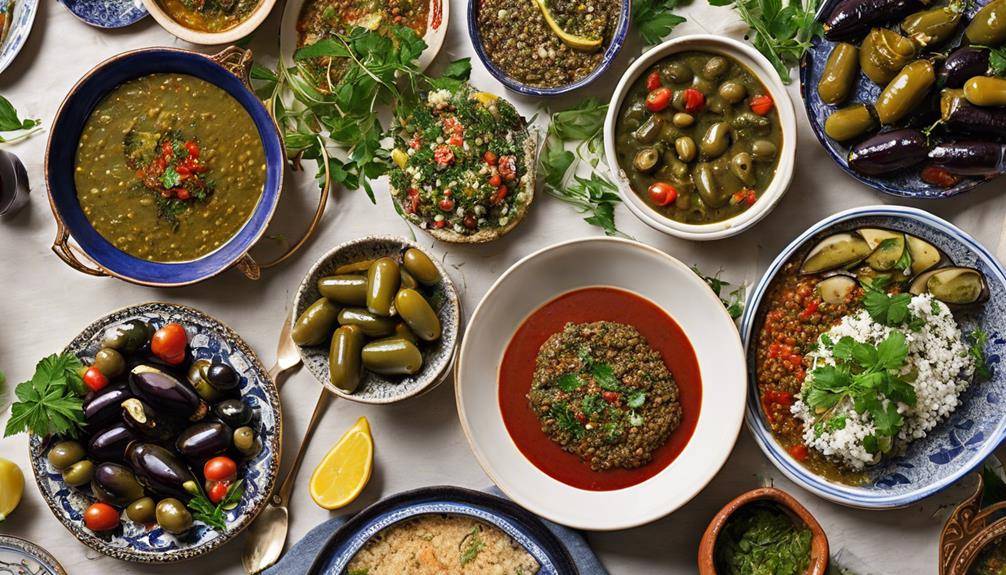
Great Vegetarian Options In Turkish Cuisine; Turkish cuisine brims with vegetarian options that delight your taste buds and nourish your body. You’ll find vibrant mezes like hummus, baba ghanoush, and ezme, perfect for sharing. Iconic dishes such as imam bayıldı (stuffed eggplant) and zeytinyağlı enginar (artichokes in olive oil) highlight the use of fresh, seasonal ingredients. Legumes shine in meals like mercimek köftesi (lentil fritters) and flavorful soups. Don’t miss out on stuffed vegetables and revitalizing salads that bring color to your plate. With so many delectable choices, you’re bound to discover more savory delights beyond this introduction.
We’ve Got Everything You Need to Make Your Masterpiece.
Overview of Turkish Vegetarian Cuisine
Turkish vegetarian cuisine offers a rich tapestry of flavors, textures, and colors that can delight anyone’s palate. You’ll find that the variety is astounding, with dishes that emphasize fresh ingredients and vibrant spice profiles. The use of spices like cumin, paprika, and sumac not only enhances the taste but also adds depth to the meals. Every bite tells a story, inviting you to explore the cultural heritage behind each dish.
When it comes to cooking methods, Turkish vegetarian cuisine employs a range of techniques that elevate simple ingredients. From grilling and roasting to sautéing and simmering, each method brings out the natural flavors of vegetables, legumes, and grains. For instance, you might enjoy a dish of stuffed peppers, where the peppers are grilled to perfection, allowing their sweetness to shine through while soaking up the savory filling.
Mujadara, a popular dish made of lentils and rice, showcases how cooking methods can transform basic components into something extraordinary. The lentils become tender and flavorful, while the rice provides a comforting base.
You shouldn’t overlook the use of olive oil, which is a staple in Turkish cooking. It adds richness and a distinct flavor to many vegetarian dishes, making them even more satisfying. Overall, Turkish vegetarian cuisine is not just about sustenance; it’s an experience that invites you to savor the incredible variety of tastes and textures, all while celebrating the art of cooking.
Popular Vegetarian Mezes
Mezes, or small plates, play a central role in Turkish dining, offering a delightful array of vegetarian options that are perfect for sharing or enjoying solo. These flavorful bites have a rich meze history, originating from the ancient customs of Mediterranean dining, where small portions of various dishes encouraged social interaction. You’ll find that popular ingredients in Turkish mezes include fresh vegetables, legumes, and grains, all bursting with flavor.
One of the most beloved vegetarian mezes is hummus, a creamy blend of chickpeas, tahini, garlic, and lemon juice. Its smooth texture pairs wonderfully with warm pita bread. Another crowd-pleaser is baba ghanoush, made from roasted eggplant, which offers a smoky flavor that complements many dishes.
Don’t miss out on ezme, a spicy tomato and pepper salad, with a hint of parsley and pomegranate. It’s invigorating and adds a vibrant kick to your meal. You might also enjoy stuffed grape leaves, known as dolma, filled with a mixture of rice, pine nuts, and herbs—these little parcels are a true delight.
For something unique, try haydari, a yogurt-based dip infused with herbs and garlic that balances perfectly with the richness of other mezes. Each meze offers a unique taste experience, showcasing the diversity of Turkish vegetarian cuisine. So, gather your friends, order a selection of these mezes, and savor the flavors of Turkey together!
We’ve Got Everything You Need to Make Your Masterpiece.
Iconic Vegetable Dishes
After enjoying a variety of mezes, you might want to explore some iconic vegetable dishes that showcase the heart of Turkish cuisine. One standout is Imam Bayıldı, a delicious stuffed eggplant dish filled with a mix of onions, garlic, and tomatoes. The story behind this dish holds cultural significance, as it’s said that an imam (a religious leader) fainted upon tasting it for the first time, overwhelmed by its flavors.
Another classic is Zeytinyağlı Enginar, artichokes cooked in olive oil and seasoned with lemon and herbs. This dish emphasizes the use of seasonal ingredients, as the best artichokes are harvested in spring. The fresh flavors and health benefits make it a favorite among locals and tourists alike.
You can’t miss Biber Dolması, which are bell peppers stuffed with rice, pine nuts, and spices. This dish embodies the communal aspect of Turkish dining, often shared amongst family and friends. Each region has its own variation, highlighting the diversity within Turkey’s culinary landscape.
Lastly, try Karnıyarık, another stuffed eggplant dish, but this time with ground vegetables and spices, topped with a rich tomato sauce. Its preparation reflects both tradition and the contemporary embrace of vegetarianism, ensuring you experience the depth of Turkish flavors.
These iconic dishes not only satisfy your palate but also connect you to the rich cultural heritage and seasonal bounty of Turkey.
Legume-Based Delicacies
Explore the world of legume-based delicacies, where you’ll discover a treasure trove of flavors and textures that are staples in Turkish cuisine. Legumes like lentils, chickpeas, and beans aren’t just delicious—they’re packed with legume nutrition that offers a wealth of protein, fiber, and essential vitamins.
One of the most popular dishes is mercimek köftesi, made from red lentils blended with fine bulgur, onions, and spices. You’ll love how these ingredients come together to create a hearty and satisfying meal, often served cold as a meze. Another classic is hummus, a creamy chickpea dip that’s perfect for spreading on bread or pairing with fresh vegetables.
When it comes to cooking methods, Turkish cuisine showcases various techniques that enhance the natural flavors of legumes. You can simmer lentils in a rich broth to create a comforting soup or roast chickpeas with spices for a crunchy snack. Don’t forget about the iconic beyaz fasulye, or white bean stew, which combines beans, tomatoes, and aromatic herbs in a slow-cooked dish that soaks up every bit of flavor.
As you explore these legume-based delicacies, you’ll appreciate how Turkish cooking elevates simple ingredients into wholesome meals. They not only nourish the body but also bring people together around the table, celebrating the rich tapestry of Turkish culinary traditions. Enjoy discovering the vibrant world of legumes!
Flavorful Stuffed Vegetables
Stuffed vegetables are a standout feature of Turkish cuisine, with countless variations that showcase the rich flavors and vibrant colors of fresh produce. You’ll find that stuffed peppers and zucchini boats are among the most popular choices, each offering a unique taste experience.
When it comes to stuffed peppers, you can’t go wrong with a delightful filling of rice, herbs, and spices. You may include ingredients like pine nuts, currants, or even diced tomatoes to elevate the flavor profile. The peppers absorb the savory juices during cooking, resulting in a mouthwatering dish that’s perfect for any occasion.
Zucchini boats are another fantastic option that you’ll love. To prepare them, simply halve the zucchini and scoop out some of the flesh. Then, mix the flesh with ingredients such as quinoa, feta cheese, and Mediterranean spices before stuffing it back into the boats. Bake them until tender, and you’ll have a colorful and nutritious dish that’s sure to impress.
Both stuffed peppers and zucchini boats are not only delicious but also visually stunning, making them perfect for entertaining guests or enjoying a comforting meal at home. The versatility of these dishes means you can easily adjust the fillings to suit your taste preferences. So, whether you’re a fan of bold spices or prefer a milder flavor, you can create your own flavorful stuffed vegetables that reflect your personal culinary style. Immerse yourself in these Turkish delights, and enjoy the explosion of flavors in every bite!
Savory Grain Dishes
When you explore savory grain dishes in Turkish cuisine, you’ll find bulgur wheat delicacies that are both hearty and flavorful. Rice pilaf variations add a unique twist to your meal, while lentil-based creations provide a nutritious and satisfying option. Each of these dishes showcases the versatility of grains in vegetarian cooking.
Bulgur Wheat Delicacies
Bulgur wheat dishes are a staple in Turkish cuisine, offering a rich array of flavors and textures that delight vegetarians and meat-lovers alike. This nutritious grain is not only versatile but also packed with bulgur wheat nutrition, making it an excellent choice for healthy meals. It’s high in fiber, protein, and essential vitamins, contributing to a balanced diet.
You’ll find bulgur wheat in many popular recipes, such as kisir, a revitalizing salad made with tomatoes, parsley, and a tangy dressing, perfect for a light lunch. Another favorite is stuffed vegetables, where bulgur is mixed with spices and herbs before being used to fill peppers or zucchini. If you’re looking for a comforting dish, try making bulgur pilaf, where the grain is sautéed with onions and garlic, then simmered in vegetable broth for added depth of flavor.
Experimenting with bulgur wheat recipes opens up a world of culinary possibilities. Whether you’re preparing a side dish or a main event, this grain delivers satisfying results. So, immerse yourself in the delicious world of bulgur wheat and discover the incredible vegetarian options it brings to your table!
Rice Pilaf Variations
While bulgur wheat offers a fantastic array of dishes, rice pilaf variations are equally celebrated in Turkish cuisine, providing satisfying and flavorful options for vegetarians. One of the most beloved dishes is “pilav,” which features tender, fluffy grains cooked to perfection. You’ll find numerous spiced rice recipes that include aromatic ingredients like saffron, cumin, and cinnamon, elevating the dish’s flavor profile.
Experimenting with herb variations can also yield delightful results. Fresh dill, parsley, or mint can be added to your pilaf, bringing a burst of freshness that complements the spices beautifully. Some versions include vegetables such as bell peppers, carrots, or peas, adding both color and nutrition.
If you’re feeling adventurous, try “şehriyeli pilav,” which incorporates orzo pasta for a unique texture. You can also explore regional variations, such as the “kuru fasulye pilav,” served with beans for extra protein. No matter which variation you choose, rice pilaf is sure to be a comforting and delicious main or side dish, perfect for any vegetarian meal. Enjoy discovering these scrumptious rice pilaf adaptations in Turkish cuisine!
We’ve Got Everything You Need to Make Your Masterpiece.
Lentil-Based Creations
Lentils are a cornerstone of Turkish vegetarian cuisine, offering a hearty and nutritious base for a variety of dishes. You’ll find lentil soups, rich in flavor and spices, served as a comforting starter or a light meal. These soups often blend red or green lentils with ingredients like carrots, onions, and spices, creating a warm bowl that’s both satisfying and nourishing.
Another popular option is lentil fritters, known as “mercimek köftesi.” These savory bites combine cooked lentils, bulgur, and finely chopped vegetables, all seasoned with fresh herbs and spices. You can enjoy them as a snack or serve them as a main dish, often accompanied by lettuce leaves for a revitalizing wrap.
The versatility of lentils in Turkish cuisine means you can experiment with various spices and ingredients, tailoring each dish to your taste. Whether you prefer the warmth of a lentil soup or the crunch of fritters, these lentil-based creations are sure to delight your palate while keeping your meals vegetarian. So, immerse yourself in the world of lentils and savor the rich flavors they bring to your table!
Traditional Bread Varieties
Bread serves as the cornerstone of Turkish cuisine, reflecting the country’s rich culinary heritage. You’ll find an array of traditional bread varieties that cater to different tastes and occasions. Each type of bread comes with its own unique baking techniques, showcasing the diverse bread traditions across regions.
One of the most famous breads is “pide,” a flatbread traditionally baked in a stone oven. This soft, chewy bread often accompanies meals, and you can even find it topped with various ingredients, perfect for a vegetarian feast. Then there’s “simit,” a sesame-encrusted bread ring, popular as a street food snack. Its crunchy exterior and soft inside make it a delightful addition to your diet.
Another staple is “lavaş,” a thin, unleavened bread that’s commonly used to wrap delicious vegetarian fillings, like grilled vegetables or falafel. You may also encounter “bazlama,” a fluffy, leavened flatbread that’s often served warm and pairs well with dips or spreads, enhancing your vegetarian experience.
Each bread variety tells a story through its ingredients and preparation methods, reflecting the local culture and history. By exploring these traditional bread varieties, you immerse yourself in the rich tapestry of Turkish cuisine. So, whether you’re enjoying a simple slice or a flavorful pide, you’re not just savoring bread; you’re connecting with the heart of Turkey’s culinary traditions.
Refreshing Salads and Appetizers
When you think of Turkish cuisine, invigorating salads and vibrant meze platters immediately come to mind. You’ll find classic salads like shepherd’s salad bursting with fresh vegetables, alongside an array of flavorful meze that perfectly complement any meal. These dishes not only highlight the richness of vegetarian options but also bring a delightful variety to your dining experience.
Classic Turkish Salads
Although Turkish cuisine is renowned for its rich flavors and hearty dishes, its classic salads offer a revitalizing and vibrant alternative for vegetarians. You’ll find a delightful variety, each bringing its unique taste and texture to the table.
Start with the invigorating Tomato Salad, featuring ripe tomatoes tossed with onion and parsley. The Cucumber Salad follows with its crispness, often enhanced by a drizzle of olive oil and lemon. Fattoush Salad, a flavorful mix of greens and crispy bread, brings a tangy punch.
Shepherd’s Salad is another favorite, combining diced vegetables like tomatoes, cucumbers, and peppers, all dressed in a simple vinaigrette. The Roasted Vegetable Salad showcases seasonal veggies, while the Herb Salad bursts with fresh herbs like dill and mint.
Don’t miss the Pomegranate Salad, which adds a sweet-tart twist, or the hearty Bulgur Salad filled with grains and vegetables. For protein, the Chickpea Salad is a nutritious option, and the Yogurt Salad cools the palate with its creamy texture. These classic salads are not just side dishes; they’re a celebration of fresh, vibrant flavors you’ll love.
Flavorful Meze Platters
Meze platters are a delightful extension of the invigorating salads you’ve just discovered, offering a diverse array of appetizers that enhance any meal. These platters are perfect for sharing and can transform a simple gathering into a feast. Picture a colorful spread featuring vibrant, fresh ingredients that awaken your taste buds.
You’ll find an assortment of spicy dips, like muhammara, made from roasted red peppers and walnuts, providing a kick that complements the milder flavors of your salads. Don’t forget about the herb-infused spreads, such as zeytinyağlı enginar, a marinated artichoke dish that’s drizzled with olive oil and packed with fresh herbs.
Alongside these spreads, you’ll also encounter classics like hummus and baba ghanoush, both smooth and creamy, begging to be paired with crusty bread or crisp vegetables. The combination of flavors and textures in your meze platter invites exploration, encouraging you to mix and match.
As you immerse yourself in these delectable options, you’ll appreciate how each bite celebrates the rich culinary traditions of Turkish cuisine while keeping your vegetarian preferences in mind. Enjoy the journey through these flavorful meze platters!
Regional Vegetarian Specialties
Turkish cuisine is rich with regional vegetarian specialties that showcase the diverse flavors and ingredients found across the country. As you explore various regions, you’ll discover unique dishes that reflect local traditions and produce.
In Anatolia, you can savor specialties like “kumpir,” a baked potato stuffed with a variety of vegetables and spices. Moving west, the Aegean region offers vibrant flavors, with dishes like “zeytinyağlı enginar” (artichokes cooked in olive oil) that highlight the region’s abundant olive oil and fresh vegetables.
The Mediterranean influences are evident in the use of tomatoes, peppers, and eggplant, perfect for creating delicious “imam bayildi,” a stuffed eggplant dish that’s a must-try. Meanwhile, Eastern traditions bring forth hearty lentil soups and “dolma” (stuffed vegetables), showcasing the region’s love for legumes and grains.
Central Anatolian dishes like “manti” (Turkish dumplings) can be easily customized to be vegetarian, filled with spiced potatoes or cheese. In the Black Sea region, you’ll find recipes that incorporate local herbs and vegetables, such as “karadeniz pide,” a flatbread topped with a medley of seasonal greens.
Don’t overlook the Southeastern herbs, which add a fragrant twist to dishes, and the Thracian ingredients that bring depth to local cuisines. With every region, there’s a delightful vegetarian option waiting for you to discover, making Turkish cuisine a treasure trove for plant-based food lovers.
We’ve Got Everything You Need to Make Your Masterpiece.
Desserts for Plant-Based Diets
What sweet delights await those following a plant-based diet in Turkish cuisine? You’re in for a treat with an array of desserts that feature rich, traditional flavors. For a start, consider the nut desserts, which are often packed with walnuts and pistachios. These treats, like baklava, can be made dairy-free by substituting butter with plant-based alternatives, allowing you to enjoy the flaky layers without compromising your diet.
Fruit-based desserts are another fantastic option. Dishes like fresh figs drizzled with tahini or a seasonal fruit compote bring a vibrant and invigorating end to your meal. These desserts often highlight seasonal ingredients, ensuring you get the best flavors throughout the year.
If you’re in the mood for something indulgent, syrup-soaked pastries are a must-try. While many of these desserts use honey, you can easily find or make versions with plant-based syrups, retaining the sweet, sticky goodness that defines these classics.
Don’t forget about Turkish delights! These chewy, sweet treats can be made without gelatin, using cornstarch or agar-agar to achieve that signature texture. Infused with flavors like rosewater or citrus, they’re a delightful way to experience Turkey’s sweet heritage.
With so many dairy-free options and a focus on natural ingredients, Turkish desserts truly cater to your plant-based desires. So, go ahead and indulge in these sweet treats that celebrate both tradition and your dietary choices!
Cooking Techniques in Turkish Cuisine
When diving into the world of Turkish cuisine, you’ll discover a variety of cooking techniques that bring out rich flavors and textures. One of the most common methods is simmering techniques, which are often used in stews and soups. By gently cooking ingredients in liquid over low heat, you allow the flavors to meld beautifully, creating hearty vegetarian dishes like lentil soup or vegetable stew.
Grilling methods also play a significant role in Turkish cooking. Whether you’re using a traditional kebab grill or a modern barbecue, grilling enhances the natural flavors of vegetables and plant-based proteins. Think of dishes like stuffed peppers or eggplant, which can be perfectly charred to add depth.
Sautéing styles are essential for quickly cooking vegetables while retaining their crunch. Using a hot pan with a splash of olive oil, you can whip up a delightful vegetable medley or a savory onion and pepper base for various dishes.
Baking traditions are equally important, especially for creating breads and pastries. From the iconic pide to savory börek, these baked goods are often filled with spinach, cheese, or potatoes, making them perfect vegetarian options.
Lastly, preserving techniques, such as pickling and canning, are common in Turkish kitchens. These methods not only extend the shelf life of seasonal produce but also infuse your dishes with vibrant flavors. By understanding these cooking techniques, you can fully appreciate the richness of vegetarian Turkish cuisine.
Tips for Enjoying Vegetarian Turkish Food
To truly enjoy vegetarian Turkish food, start by discovering traditional dishes like gözleme and stuffed peppers that highlight the country’s rich flavors. Don’t forget to explore regional variations, as each area offers unique twists on familiar recipes. By embracing these elements, you’ll enhance your dining experience and appreciate the diversity of Turkish cuisine.
Discover Traditional Dishes
Exploring vegetarian options in Turkish cuisine can be a delightful adventure for your taste buds. You’ll find a rich array of traditional dishes that highlight fresh vegetables, grains, and aromatic Turkish culinary herbs. Start with meze, a selection of small plates like hummus, baba ghanoush, or muhammara, all perfect for sharing.
Don’t miss out on gözleme, a savory pastry filled with spinach, feta cheese, or potatoes—ideal for a quick snack. When you’re in the mood for street food, look for simit, a sesame-encrusted bread that’s crispy on the outside and soft on the inside.
Another must-try is dolma, where grape leaves are stuffed with a delicious mixture of rice, herbs, and spices. For something heartier, opt for a vegetable kebab, often grilled with seasonal veggies, bursting with flavor from those signature Turkish culinary herbs.
Finish off your meal with a sweet treat like baklava, layers of flaky pastry filled with nuts and drizzled in syrup. With so many vegetarian-friendly options, you’re sure to enjoy the vibrant and diverse flavors of Turkish cuisine!
Explore Regional Variations
Throughout Turkey, regional variations in vegetarian dishes reflect the diverse landscapes and cultures. When you explore Turkish cuisine, you’ll notice how local ingredients shape each dish. In the Mediterranean region, for instance, you’ll find an abundance of fresh vegetables like eggplant and peppers, often grilled or stuffed. You might enjoy a rich İskender kebab made from grilled vegetables instead of meat.
Traveling to the Aegean, you’ll encounter dishes infused with herbs and olive oil, like zeytinyağlı enginar (artichokes in olive oil). The Black Sea region offers hearty meals featuring corn and beans, showcasing its agricultural bounty. Don’t miss out on the unique flavors influenced by neighboring cultures, such as the Kurdish manti, which you can find with a vegetarian twist.
As you sample these regional delicacies, pay attention to the cultural influences that blend into the cuisine. Each bite tells a story of the land and its people. So, embrace the variety and don’t hesitate to ask locals for their favorite vegetarian dishes. You’ll discover a world of flavors that celebrate Turkey’s rich culinary heritage.
We’ve Got Everything You Need to Make Your Masterpiece.
Frequently Asked Questions: Great Vegetarian Options In Turkish Cuisine
Are There Any Vegetarian Options at Turkish Fast-Food Restaurants?
Yes, you’ll find vegetarian options at Turkish fast-food restaurants, including delicious vegetarian kebabs and an array of traditional mezes. These choices offer flavorful, satisfying meals that cater to your dietary preferences without sacrificing taste.
How Do I Ensure Dishes Are Vegetarian in Turkish Cuisine?
To guarantee dishes are vegetarian, always ask about vegetarian ingredients. Many traditional recipes use eggplant, lentils, and vegetables. Don’t hesitate to specify your dietary needs when ordering at restaurants or during family gatherings.
What Are Common Allergens in Turkish Vegetarian Dishes?
In Turkish vegetarian dishes, common allergens include gluten and dairy. If you have gluten sensitivity, watch for bulgur and wheat. For dairy intolerance, avoid dishes with yogurt or cheese, and ask about ingredient substitutions.
Can I Find Vegan Options in Turkish Cuisine?
Yes, you can definitely find vegan options in Turkish cuisine! Look for plant-based meze like hummus and baba ganoush, and don’t forget to explore delicious vegan desserts like fruit salads or rice pudding without dairy.
How Is Turkish Vegetarian Food Influenced by Other Cultures?
Turkish vegetarian food’s influenced by cultural exchange and regional variations. You’ll notice flavors from the Middle East, Mediterranean, and Central Asia, blending spices and techniques that create unique, delicious vegetarian dishes throughout Turkey.

Conclusion
In summary, exploring vegetarian options in Turkish cuisine opens up a world of vibrant flavors and textures. From savory mezes to hearty legume dishes and delightful desserts, there’s something to please every palate. Don’t hesitate to try regional specialties and get creative with traditional cooking techniques. With these tips, you can fully enjoy the richness of Turkish vegetarian food. So immerse yourself, savor each bite, and let the culinary journey inspire your next meal!
If you enjoyed exploring this topic and want to dive even deeper, be sure to check out some of our other articles here on Infinite Flavors. From rich culinary histories to creative twists on classic recipes, there’s always something new to discover. Whether you’re curious about the origins of a dish, looking for fresh inspiration in the kitchen, or simply love learning about food culture, our collection of posts is the perfect next step on your flavor journey.
Amazing Turkish Pastries And Breads: A Complete How-To Guide
Why Is Turkish Cuisine Breakfast So Popular
The 7 Best Meze Platters From Turkish Cuisine
Why Is Turkish Cuisine Known For Its Great Tea And Coffee Culture
What Are Some Great Traditional Turkish Eggplant Recipes