The History and Origin of Easy Southern Cornbread
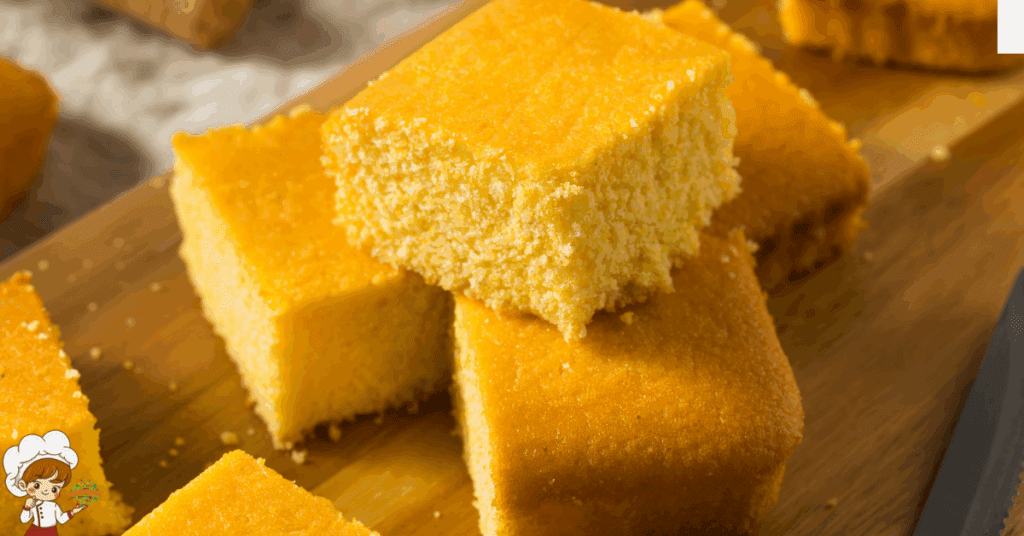
History and Origin of Easy Southern Cornbread; Few foods embody the heart of Southern cooking quite like cornbread. With its golden crust, fluffy crumb, and unmistakable corn flavor, Easy Southern Cornbread has been a staple of kitchens across the American South for centuries. More than just a side dish, it represents a story of survival, adaptation, and regional pride.
Cornbread’s history dates back long before European settlers arrived in North America. Indigenous peoples cultivated maize—known today as corn—for thousands of years and developed countless methods of grinding and cooking it. When settlers arrived, they adopted these techniques, leading to the creation of one of America’s earliest comfort foods: cornbread.
Today, Southern cornbread remains a beloved dish, enjoyed alongside everything from fried chicken and collard greens to chili and barbecue. It’s a culinary symbol that bridges the past and present, reflecting both Native American ingenuity and Southern tradition.
The Ancient Roots of Cornbread: Native American Influence
Before it became a Southern classic, cornbread began as a humble creation among the Native American tribes of the southeastern United States. Long before wheat flour was introduced to the continent, Indigenous peoples such as the Cherokee, Creek, and Choctaw were already mastering the art of corn cultivation.
They grew flint corn and ground it into a coarse meal using stone mortars and pestles. This cornmeal was used to make simple bread, often mixed with water and cooked over an open flame or on hot stones. These early forms of cornbread—sometimes referred to as ash cakes or johnnycakes—were hearty, filling, and easy to prepare with minimal resources.
When European settlers arrived in the 1600s, they discovered these corn-based dishes and quickly incorporated them into their diets. Lacking wheat and other grains they were used to, settlers relied on cornmeal as a main ingredient in breads and porridges, shaping the foundation for what would eventually become Southern cornbread.
Cornbread in Early America: From Hearth to Homestead
In early colonial America, cornbread became an essential part of daily life. Wheat was expensive and difficult to cultivate in much of the South, so corn became the grain of choice for baking. Every household had a bag of cornmeal, and cornbread was served at nearly every meal.
The earliest versions were simple: cornmeal mixed with water or milk, a bit of salt, and cooked in a cast-iron skillet over the fire. These rustic breads were sturdy, nourishing, and versatile. As the agricultural economy developed, new ingredients like buttermilk, eggs, and lard found their way into the mix, making the bread lighter and richer.
By the 1800s, Southern cornbread had evolved into a regional delicacy. Whether baked, fried, or cooked on the stovetop, cornbread became as iconic to the Southern table as sweet tea or biscuits.
The Role of Cornbread in Southern Cuisine
No Southern meal feels complete without a slice of cornbread. It’s more than a side dish—it’s a cultural touchstone that carries generations of history, hospitality, and comfort.
Cornbread pairs beautifully with savory dishes like collard greens, black-eyed peas, fried catfish, and barbecue. It soaks up gravy, balances spicy flavors, and provides texture to otherwise soft meals. Some Southerners enjoy it sweetened with a touch of sugar, while others insist that true Southern cornbread should be purely savory.
The debate between sweet and savory versions runs deep, but both styles have their rightful place in regional cooking. Sweet cornbread is more common in the North, where recipes often include sugar or honey, while Southern cornbread tends to rely on buttermilk and bacon drippings for flavor.
The Evolution of Easy Southern Cornbread
Over time, Easy Southern Cornbread has evolved alongside changes in home cooking. In earlier generations, cooks ground their own cornmeal and baked cornbread in heavy cast-iron skillets heated by wood-burning stoves. Today, pre-milled cornmeal, baking powder, and electric ovens make it simpler than ever to prepare a perfect loaf or skillet of cornbread.
The “easy” aspect refers not only to its preparation but to its forgiving nature. Cornbread doesn’t require precise measurements or expensive ingredients—just cornmeal, a leavening agent, a liquid, and a fat source. Even novice cooks can achieve delicious results, which is one reason it’s still a go-to dish for family dinners, potlucks, and holidays.
In recent years, health-conscious versions using whole-grain cornmeal or plant-based ingredients have emerged, proving that Southern cornbread continues to adapt while staying true to its roots.
Cornbread Across the South: Regional Variations
While Easy Southern Cornbread may sound like a single dish, the South’s diverse culinary traditions have produced countless variations.
In Mississippi and Alabama, cooks often favor a drier, more crumbly cornbread made with white cornmeal and cooked in bacon fat. In contrast, parts of Georgia and Tennessee prefer a moister, more cake-like texture achieved by adding buttermilk and eggs.
Then there’s Texas cornbread, often spiced up with jalapeños or studded with kernels of fresh corn. Some recipes include cheese, onions, or even bits of sausage—an evolution that reflects the fusion of flavors in Southwestern cooking.
Despite these variations, one constant remains: the cast-iron skillet. A well-seasoned skillet is considered the hallmark of authentic Southern cornbread, giving it the crispy edges and tender interior that define the dish.
The Cultural Symbolism of Southern Cornbread
Cornbread represents more than sustenance—it tells a story of resilience and identity. For many Southerners, it symbolizes family gatherings, community, and the comfort of home.
In the post-Civil War South, cornbread continued to be a dietary staple, particularly among working-class families and rural communities. It was inexpensive, filling, and made from ingredients that were readily available.
Over time, Easy Southern Cornbread came to embody the essence of Southern hospitality—simple, hearty, and made with love. It’s a dish that bridges cultural and economic divides, appearing on both humble farmhouse tables and elegant holiday spreads.
The Rise of Cornbread in American Pop Culture
As Southern cuisine gained national attention in the 20th century, cornbread followed suit. Cookbooks, restaurants, and television shows introduced it to wider audiences, showcasing its versatility and nostalgic charm.
Cornbread began appearing alongside chili at cook-offs, served at barbecue joints, and featured in classic soul food dishes. In many ways, it became an ambassador for Southern cooking, embodying the flavors and warmth of the region.
Even in today’s world of gourmet dining, Easy Southern Cornbread retains its timeless appeal. It’s comfort food at its finest—simple, rustic, and unforgettable.
Easy Southern Cornbread in Modern Kitchens
Modern cooks have embraced new ways to make and enjoy cornbread while preserving its traditional flavor. Slow cookers, air fryers, and even waffle irons have become tools for creating innovative versions.
Cornbread mixes make preparation even easier, while creative additions—like roasted corn, jalapeños, or herbs—allow for endless personalization. Gluten-free and vegan adaptations have also gained popularity, expanding its reach beyond traditional Southern households.
Whether baked in a cast-iron skillet or muffin tin, Easy Southern Cornbread continues to hold a place of honor at the table, proving that simple ingredients can produce extraordinary flavor.
Why Easy Southern Cornbread Remains a Timeless Classic
What makes Southern cornbread endure after all these centuries? The answer lies in its simplicity, versatility, and emotional connection. Cornbread evokes memories of family dinners, Sunday suppers, and holidays. It’s both nostalgic and adaptable, deeply rooted in history yet open to modern interpretation.
It requires no complicated tools or techniques, and that accessibility keeps it alive across generations. From pioneer cabins to contemporary kitchens, Easy Southern Cornbread has never lost its magic.
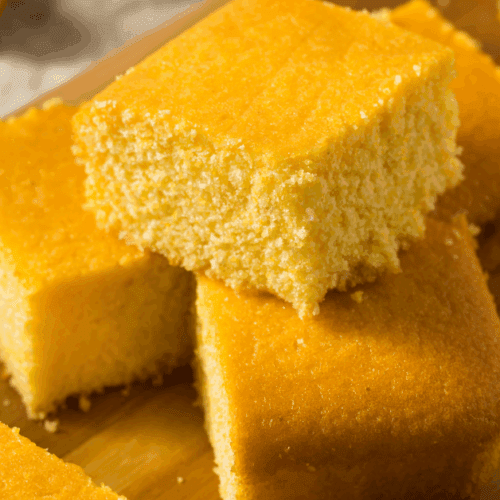
Easy Southern Cornbread
Ingredients
- 1 cup cornmeal
- – 1 cup flour
- – ½ cup sugar
- – 1 tbsp baking powder
- – 1 cup milk
- – 1 egg
Instructions
- Preheat oven to 400°F (200°C).
- Mix dry ingredients, then add milk and egg.
- Pour into a greased pan and bake for 20-25 minutes.
FAQ: History and Origin of Easy Southern Cornbread
1. What is the difference between Northern and Southern cornbread?
Southern cornbread is traditionally unsweetened and made with white cornmeal and buttermilk, while Northern cornbread tends to be sweeter and more cake-like, often using yellow cornmeal and sugar.
2. Why is cast-iron used for baking Southern cornbread?
Cast iron retains heat evenly and creates a crispy, golden crust that defines authentic Southern cornbread.
3. When did cornbread become popular in the South?
Cornbread became a staple in the South during the colonial era when wheat was scarce and corn was plentiful.
4. Can cornbread be made without eggs or dairy?
Yes. Plant-based alternatives like flax eggs, almond milk, or vegan butter can be used to create dairy-free or vegan versions.
5. Why do some people crumble cornbread into milk or buttermilk?
This practice, known as “cornbread and milk,” was a traditional Southern snack or simple supper, especially in rural areas.
6. How did cornbread influence other Southern dishes?
Cornbread led to the creation of classic dishes like cornbread dressing, hoecakes, and hush puppies, showcasing its adaptability in Southern cuisine.
7. What makes cornbread a comfort food?
Cornbread’s warmth, texture, and association with family meals evoke feelings of nostalgia and comfort for many people.

The Legacy of Easy Southern Cornbread
Easy Southern Cornbread is more than a simple bread—it’s a story of resourcefulness, community, and cultural identity. Born from Indigenous food traditions and shaped by generations of Southern cooks, it reflects the evolution of American cuisine itself.
Its enduring appeal lies in its balance of simplicity and flavor. Whether served with chili, greens, or a holiday feast, cornbread connects the past and present in every crumb.
In a world of ever-changing food trends, Southern cornbread stands as a reminder that the best dishes often come from humble beginnings. Its rich history and timeless taste ensure that it will remain a beloved classic for generations to come.
If you enjoyed exploring this topic and want to dive even deeper, be sure to check out some of our other articles here on Infinite Flavors. From rich culinary histories to creative twists on classic recipes, there’s always something new to discover. Whether you’re curious about the origins of a dish, looking for fresh inspiration in the kitchen, or simply love learning about food culture, our collection of posts is the perfect next step on your flavor journey.
What Amazing Spices Can Transform Your Baking
The Great History And Origin Of Classic Stuffing
The History And Origin Of Simple Egg And Yeast Bread