Amazing Home Recipes for Molecular Gastronomy
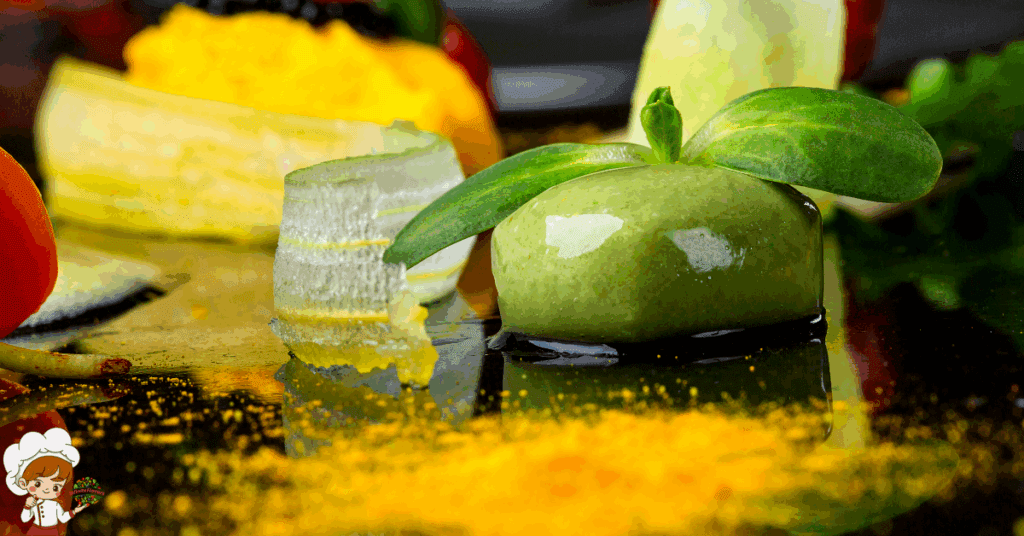
Home Recipes for Molecular Gastronomy; Have you ever wondered if you can recreate the mind-boggling creations of molecular gastronomy right in the comfort of your own kitchen? Well, the truth is, with a bit of knowledge and practice, you can! By experimenting with basic techniques like spherification, foam creation, gelification, and sous vide cooking, you can elevate your culinary skills to a whole new level. But that’s not all – in this discussion, we will also explore the fascinating world of deconstructed dishes, innovative molecular cocktails, and mouthwatering molecular desserts. So get ready to embark on a culinary adventure that will tantalize your taste buds and amaze your guests.
We’ve Got Everything You Need to Make Your Masterpiece.
Introduction to Molecular Gastronomy
Welcome to the exciting world of Molecular Gastronomy, where science and culinary artistry collide to create innovative and precise gastronomic experiences. In this introduction to Molecular Gastronomy, we will provide an overview of the scientific principles that underpin this culinary discipline and explore its fascinating history and evolution.
At its core, Molecular Gastronomy is a scientific approach to cooking that combines chemistry, physics, and biology to transform food into unique and unexpected creations. By understanding the chemical and physical properties of ingredients, chefs can manipulate them in ways that were previously unimaginable. This scientific understanding allows for the creation of dishes that challenge traditional notions of taste, texture, and presentation.
The history of Molecular Gastronomy can be traced back to the late 20th century, when a group of scientists and chefs began to explore the science behind cooking. French chemist Hervé This and Hungarian physicist Nicholas Kurti are often credited as the pioneers of this field. They sought to understand the chemical reactions that occur during cooking and how they could be harnessed to create new culinary experiences.
Over the years, Molecular Gastronomy has evolved and expanded, giving rise to new techniques such as spherification, foams, and gels. These techniques involve the use of ingredients like sodium alginate and calcium chloride to create spheres, airy textures, and jellies. By combining these scientific techniques with artistic presentation, Molecular Gastronomy has revolutionized the way we perceive and consume food.
Basic Techniques for Molecular Gastronomy
To master the art of Molecular Gastronomy, one must first become familiar with its basic techniques, which combine scientific principles with culinary creativity to create extraordinary culinary experiences. These techniques may seem complex, but with practice and understanding, you can easily incorporate them into your own home recipes. Here are three basic techniques to get you started:
- Spherification: This technique involves turning liquid ingredients into gel-like spheres that burst with flavor when eaten. To achieve this, you will need sodium alginate and calcium chloride. By mixing the liquid with sodium alginate and then dropping it into a bath of calcium chloride, you can create beautiful spheres that can be added to soups, cocktails, or desserts.
- Emulsification: Emulsification is the process of combining two or more ingredients that would not normally mix, like oil and water. By using an emulsifying agent such as soy lecithin or xanthan gum, you can create stable and creamy emulsions. This technique is perfect for making foams, sauces, or dressings with a unique texture and mouthfeel.
- Gelification: Gelification is the transformation of a liquid into a gel-like substance. This technique is commonly used to create firm jellies or gels that can be sliced or molded. By using gelling agents such as agar-agar or gelatin, you can turn your favorite liquids into delightful and visually appealing creations.
Spherification: Creating Edible Balls
Now that you have a solid understanding of the basic techniques for molecular gastronomy, let’s explore the fascinating world of spherification and learn how to create edible balls that will elevate your culinary creations to new heights. Spherification is a technique that involves transforming liquids into small spheres, allowing you to create unique textures and surprise your guests with visually stunning dishes.
To achieve spherification, you will need to understand the two main types: basic spherification and reverse spherification. Basic spherification involves mixing a liquid with sodium alginate and then dropping it into a calcium chloride bath. This process creates a thin gel membrane around the liquid, resulting in a burst of flavor when consumed. On the other hand, reverse spherification involves mixing the liquid with calcium lactate and then dropping it into a sodium alginate bath. This technique is ideal for liquids that are high in calcium, such as dairy products, as it helps to maintain their creamy texture.
To create the perfect edible balls, it is crucial to consider the viscosity of the liquid. The thicker the liquid, the slower the spherification process will be. Additionally, you can experiment with different flavors, colors, and textures by incorporating various ingredients into the liquid mixture. For example, you can infuse herbs, spices, or fruit juices to add a burst of freshness to your creations.
We’ve Got Everything You Need to Make Your Masterpiece.
Foam: Adding Airy Textures to Dishes
Foam, a technique used in molecular gastronomy, introduces airy textures to dishes, enhancing the overall culinary experience. By incorporating foam techniques into your cooking repertoire, you can elevate your dishes to a whole new level. Here are three sub-lists to delve deeper into the world of airy foam:
- Foam Types:
- Airy Foam: This type of foam is created by incorporating air bubbles into a liquid base using a whipping agent. It adds a light and fluffy texture to dishes, such as mousse or soufflés.
- Stable Foam: Stable foam is achieved by using stabilizers like gelatin or lecithin, which help maintain the foam’s structure over time. This type of foam is commonly used in foam toppings for drinks or desserts.
- Hot Foam: Hot foam is created by using a siphon to infuse hot liquids with gas, resulting in a velvety texture. It is ideal for warm dishes like soups or sauces.
- Foam Techniques:
- Siphon Method: This technique involves using a siphon to pressurize a liquid, which is then dispensed as foam through a nozzle. It allows for precise control over the foam’s texture and consistency.
- Whipping Method: The whipping method requires vigorously whisking the liquid base with a whipping agent, such as egg whites or cream, to incorporate air and create foam. It is a simple yet effective technique.
- Molecular Additives: Adding molecular additives like soy lecithin or agar-agar to a liquid base can help stabilize and enhance the foam. These additives create a molecular network that traps air bubbles, resulting in a stable foam.
- Creative Applications:
- Foamed Cocktails: Create visually stunning cocktails by topping them with foams that complement the flavors and add a unique texture. For example, a citrus foam on a margarita or a coffee foam on an espresso martini.
- Foamed Desserts: Add a touch of elegance to your desserts by incorporating airy foam. Top your favorite cakes or puddings with a flavored foam for an extra burst of flavor and texture.
- Foamed Savory Dishes: Experiment with savory dishes by adding foams to elevate their presentation and taste. Imagine a creamy foam topping on a savory soup or a foamed hollandaise sauce to accompany your eggs Benedict.
Incorporating airy foam into your culinary creations can transform your dishes into works of art. Experiment with different foam types, techniques, and applications to add a touch of innovation and elegance to your home-cooked meals.
Gelification: Transforming Liquids Into Gels
By exploring the technique of gelification, you can further enhance the culinary experience by transforming liquids into gels, expanding your repertoire of molecular gastronomy techniques. Gelification techniques play a crucial role in molecular gastronomy, allowing you to create intriguing textures and presentations that elevate your dishes to a new level. Traditionally, gelatin has been the go-to ingredient for gelification. However, there are now gelatin alternatives available that cater to various dietary restrictions and preferences.
One popular gelatin alternative is agar-agar, a seaweed-derived ingredient that has a higher gelification power than traditional gelatin. Agar-agar is tasteless and odorless, making it ideal for a wide range of applications. To use agar-agar, you need to dissolve it in a liquid, bring it to a boil, and then let it cool and set. The amount of agar-agar needed depends on the desired texture and consistency. It is important to follow the instructions carefully to achieve the desired results.
Another gelatin alternative is carrageenan, a natural ingredient derived from red seaweed. Carrageenan is commonly used in the food industry for its gelling, thickening, and stabilizing properties. It is available in different forms, such as kappa, iota, and lambda carrageenan, each with its own gelification properties. Kappa carrageenan forms a brittle gel, iota carrageenan forms a soft gel, and lambda carrageenan forms a fluid gel. Understanding the characteristics of each type will allow you to choose the most suitable one for your desired outcome.
Reverse Spherification: Encasing Liquids in Gel Shells
To encase liquids in gel shells using the technique of reverse spherification, you will need to follow a precise and innovative process. This method of liquid encapsulation offers an alternative to traditional spherification techniques, allowing for more creative and visually appealing presentations. By mastering reverse spherification, you can bring a touch of molecular gastronomy to your own kitchen.
To achieve successful reverse spherification, you will need the following:
- Calcium lactate: This compound is essential for creating a gel shell around the liquid. It reacts with sodium alginate, forming a gel when it comes into contact with the liquid.
- Sodium alginate: This natural, food-grade thickener is responsible for creating the gel shell. It interacts with the calcium lactate, resulting in the formation of a thin and delicate membrane.
- Liquid of your choice: Reverse spherification allows you to encase any liquid you desire, whether it’s a fruity puree, a savory broth, or even a cocktail. The possibilities are endless.
The process of reverse spherification involves creating a calcium lactate bath and adding sodium alginate to the liquid you wish to encapsulate. The liquid is then dripped into the bath, where it forms gel spheres through a chemical reaction. These spheres can be carefully removed from the bath and rinsed with water to remove any excess calcium lactate or sodium alginate. Finally, the gel spheres can be served on their own or incorporated into a dish, adding a burst of flavor and a unique textural experience.
Reverse spherification opens up a world of possibilities for culinary creativity. With its precise and innovative approach to liquid encapsulation, this alternative spherification technique allows you to elevate your dishes to a whole new level. So why not give it a try and impress your guests with your molecular gastronomy skills?
Emulsification: Creating Stable Mixtures
Now let’s explore the fascinating world of emulsification and the art of creating stable mixtures. In molecular gastronomy, techniques for emulsification play a crucial role in achieving the desired texture and consistency in various dishes. Understanding the importance of stable mixtures allows you to elevate your culinary creations to new heights. By utilizing common emulsifying ingredients, you can achieve harmonious blends that enhance both the taste and visual appeal of your dishes.
Techniques for Emulsification
When creating stable mixtures through emulsification, a scientific and innovative approach is essential to achieve precise and consistent results. To ensure successful emulsification, it is crucial to control the temperature during the process. Maintaining the correct temperature helps in achieving the desired texture and stability of the emulsion. In baking, emulsification techniques are often used to create fluffy and moist desserts.
One popular technique is the creaming method, where fat and sugar are vigorously mixed together to create a light and airy texture. Another technique is the use of lecithin, a natural emulsifier found in egg yolks, which helps in stabilizing the emulsion and creating a smooth, creamy texture. Lastly, the incorporation of small amounts of acid, such as lemon juice or vinegar, can enhance the emulsification process and add a tangy flavor profile to the final product.
Importance of Stable Mixtures
Achieving stable mixtures through emulsification is of utmost importance in molecular gastronomy, as it allows for precise control over texture, consistency, and flavor profiles. Stability factors and ingredient compatibility play a crucial role in creating and maintaining stable emulsions. Stability factors include the size and distribution of the dispersed phase, the presence of emulsifiers, and the proper balance of hydrophilic and lipophilic components.
Ingredient compatibility refers to the affinity between the emulsifying agents and the substances being emulsified. For example, oil and water are immiscible, but emulsifiers like lecithin can help bind them together to create a stable mixture. Understanding the stability factors and ingredient compatibility is essential to achieve the desired outcome in molecular gastronomy, allowing chefs to experiment with novel textures and flavors while maintaining the integrity of the dish.
Common Emulsifying Ingredients
To create stable mixtures in molecular gastronomy through emulsification, it is crucial to understand the common emulsifying ingredients and their role in achieving precise control over texture, consistency, and flavor profiles. Emulsifying agents play a vital role in creating and stabilizing emulsions, which are mixtures of two immiscible substances, such as oil and water. These agents help to overcome the natural tendency of these substances to separate by reducing surface tension and forming a stable interface between them. Some common emulsifying agents include:
- Egg yolks: The proteins and lecithin in egg yolks act as excellent emulsifiers, providing stability and smoothness to emulsions.
- Mustard: Mustard contains enzymes that help in the formation and stabilization of emulsions.
- Soy lecithin: Derived from soybeans, soy lecithin is a versatile emulsifier that enhances emulsion stability and improves texture.
Understanding these emulsifying ingredients and their effects on emulsion stability will empower you to create innovative and precise culinary creations in molecular gastronomy.
We’ve Got Everything You Need to Make Your Masterpiece.
Sous Vide Cooking: Precision Temperature Control
For precise temperature control in sous vide cooking, you can utilize advanced techniques and equipment to achieve optimal results. Sous vide cooking involves vacuum-sealing food in a bag and cooking it in a water bath at a specific temperature for an extended period. This method ensures that the food is cooked evenly, retaining its natural flavors and textures.
The precision temperature control in sous vide cooking offers several benefits. Firstly, it allows you to cook food to perfection, ensuring that it is neither undercooked nor overcooked. You can set the temperature precisely, ensuring that the food reaches the desired level of doneness and stays there until it is ready to be served.
Secondly, sous vide cooking allows for consistent results every time. The precise temperature control ensures that the food is cooked uniformly throughout, eliminating the risk of uneven cooking. This is particularly beneficial when cooking delicate proteins such as fish or poultry, where even a slight temperature variation can result in overcooking or drying out the meat.
Furthermore, the low and controlled cooking temperatures in sous vide cooking help to retain the natural juices and flavors of the food. By cooking at lower temperatures, the food retains its moisture, resulting in tender and succulent textures. The flavors are also locked in, enhancing the taste and overall dining experience.
To achieve precise temperature control in sous vide cooking, you can use equipment such as immersion circulators or sous vide machines. These devices regulate the water temperature with accuracy, allowing you to set and maintain the desired cooking temperature throughout the cooking process.
Deconstruction: Reimagining Classic Dishes
Get ready to revolutionize your culinary experience as you embark on the journey of deconstruction in molecular gastronomy. Classic dishes will no longer be bound by tradition, as you reimagine their components and flavors in innovative ways. With deconstruction, you have the power to unleash your culinary artistry and create new and exciting combinations that will tantalize your taste buds.
Classic Dish Reinvention
In the realm of molecular gastronomy, the reinvention of classic dishes through deconstruction allows for innovative and precise culinary exploration. Through creative reinterpretation, chefs can break down traditional recipes into their fundamental elements and reconstruct them in unexpected ways. This process not only challenges the norms of traditional cooking but also opens up new avenues for experimentation and creativity.
To fully appreciate the concept of classic dish reinvention, consider the following examples:
- Deconstructed Pizza: By separating the components of a pizza, such as the crust, sauce, and toppings, chefs can create bite-sized morsels that showcase each element individually. This allows for a heightened sensory experience and enables diners to appreciate the flavors in a new and exciting way.
- Reverse Sushi: Instead of the usual arrangement of rice wrapped around fish, reverse sushi flips the traditional sushi roll inside out. The rice becomes the outer layer, while the filling is placed in the center. This inversion of ingredients offers a fresh perspective on the beloved Japanese dish.
- Molecular Tiramisu: By using innovative techniques like spherification and gelification, chefs can transform the classic Italian dessert into a visually stunning and texturally unique creation. The traditional layers of ladyfingers, mascarpone cream, and coffee are deconstructed and reimagined in surprising ways, resulting in a modern twist on a timeless favorite.
These examples illustrate how classic dish reinvention allows for culinary boundaries to be pushed, leading to exciting and unexpected flavor combinations, textures, and presentations. Through the creative reinterpretation of traditional recipes, molecular gastronomy offers a whole new world of possibilities for adventurous chefs and food enthusiasts alike.
New Flavor Combinations
Through the process of deconstruction and reimagining classic dishes, molecular gastronomy opens up a world of new flavor combinations that push the boundaries of traditional cooking. With the aim of creating experimental flavor profiles, molecular gastronomy introduces exciting new ingredient pairings that challenge our taste buds. By breaking down ingredients into their fundamental components and reassembling them in innovative ways, chefs can create entirely novel taste experiences.
For instance, the combination of chocolate and caviar may seem unconventional, but when carefully crafted using molecular gastronomy techniques, it can result in a delightful balance of sweet and savory notes. Similarly, the fusion of unexpected ingredients like beetroot and white chocolate can produce surprising flavor profiles that tantalize the palate. These new flavor combinations represent the cutting edge of culinary exploration, offering endless possibilities for culinary creativity.
Culinary Artistry Unleashed
Culinary artistry is unleashed through the process of deconstruction and reimagining classic dishes, allowing chefs to push the boundaries of traditional cooking and create innovative culinary experiences. In the realm of culinary creativity, experimental cooking takes center stage, where chefs employ scientific principles and innovative techniques to transform familiar dishes into something entirely new. Here are three ways in which deconstruction and reimagining are revolutionizing the culinary world:
- Ingredient deconstruction: Chefs are breaking down classic dishes into their basic components, studying their individual characteristics, and reassembling them in unexpected ways. This approach allows for the exploration of different textures, flavors, and presentations, resulting in unique and visually stunning creations.
- Flavor manipulation: By extracting essential flavors from traditional ingredients and recombining them, chefs can intensify or transform the taste profile of a dish. Through techniques like flavor pairing and aroma extraction, unexpected flavor combinations are discovered, stimulating the palate and creating extraordinary flavor experiences.
- Presentation innovation: Deconstruction and reimagining extends beyond taste to include the visual aspect of a dish. Chefs are utilizing techniques like spherification, foams, and edible films to create visually striking presentations that challenge diners’ preconceived notions of how a dish should look. These artistic and imaginative presentations contribute to the overall sensory experience, elevating the enjoyment of the meal.
Through culinary creativity and experimental cooking, chefs are revolutionizing the culinary landscape by deconstructing and reimagining classic dishes. By pushing the boundaries of traditional cooking, they are unlocking new dimensions of flavor, texture, and presentation, offering diners innovative and unforgettable culinary experiences.
Molecular Cocktails: Mixology With a Twist
For an unparalleled drinking experience that pushes the boundaries of mixology, discover the world of Molecular Cocktails: Mixology With a Twist. This innovative concept takes mixology to a whole new level, combining scientific techniques with artistic flair to create cocktails that are as visually stunning as they are delicious.
Molecular mixology is a branch of mixology that uses scientific principles and techniques to transform classic cocktails into avant-garde creations. By manipulating the physical and chemical properties of ingredients, mixologists are able to create unique textures, flavors, and presentations that are simply mind-blowing.
One example of an innovative cocktail in the realm of molecular mixology is the foam-topped martini. Instead of a traditional liquid, this cocktail is served as a light and airy foam. By using a combination of gelatin, alcohol, and a whipping agent such as soy lecithin, mixologists are able to create a velvety foam that adds a whole new dimension to the classic martini.
Another popular molecular cocktail is the encapsulated cocktail. In this technique, liquid ingredients are encapsulated in a thin layer of gelatin or agar-agar, creating tiny, edible spheres that burst with flavor when consumed. Imagine sipping on a mojito and being surprised by the explosion of mint and lime as the encapsulated liquid bursts in your mouth.
Molecular cocktails offer an exciting and unique experience for cocktail enthusiasts. By combining science and artistry, mixologists are able to create cocktails that not only taste incredible, but also provide a visual spectacle. So, why not take your mixology skills to the next level and experiment with molecular cocktails? The possibilities are endless, and the results are sure to impress. Cheers to the future of mixology!
We’ve Got Everything You Need to Make Your Masterpiece.
Molecular Desserts: Sweet Innovations in Gastronomy
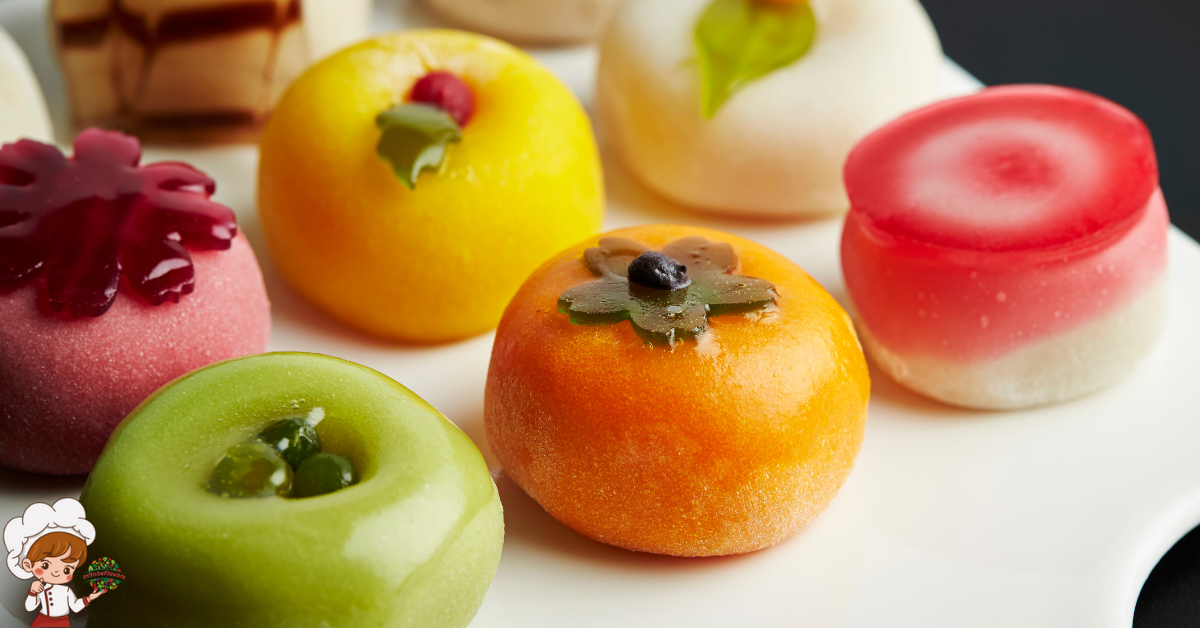
To explore the exciting realm of Molecular Desserts, delve into the world of sweet innovations in gastronomy. These desserts are not your ordinary treats; they are the result of sweet experiments and the application of molecular pastry techniques. With these techniques, pastry chefs have been able to create desserts that not only delight the taste buds but also stimulate the senses in new and unexpected ways.
Here are three sub-lists that will take you on a journey through the fascinating world of Molecular Desserts:
- Textures: One of the key elements of molecular desserts is the creation of unique textures. Chefs use techniques like spherification to transform liquids into gelatinous spheres that burst with flavor in your mouth. They also use foams and airs to add a light and airy texture to their creations. Imagine biting into a cloud-like mousse or a delicate foam that melts on your tongue.
- Flavor Pairings: Molecular desserts push the boundaries of flavor combinations. Chefs experiment with unconventional pairings, such as pairing sweet and savory ingredients or incorporating unexpected flavors like herbs and spices. The result is a harmonious blend of flavors that surprise and delight your taste buds.
- Presentation: Molecular desserts are not just delicious; they are also visually stunning. Chefs use techniques like edible art to create intricate designs and sculptures on plates. They also play with colors, shapes, and textures to create visually appealing desserts that are a feast for the eyes.
With their sweet experiments and mastery of molecular pastry techniques, pastry chefs have revolutionized the world of desserts. They have created a new frontier where flavors, textures, and presentations are pushed to their limits, resulting in truly innovative and unforgettable sweet creations. So, get ready to indulge in the world of Molecular Desserts and experience the future of gastronomy.
We’ve Got Everything You Need to Make Your Masterpiece.
Frequently Asked Questions: Home Recipes for Molecular Gastronomy
What Are Some Common Ingredients Used in Molecular Gastronomy Recipes?
To create innovative and precise molecular gastronomy dishes, common ingredients used include agar agar and calcium chloride. These substances are essential in achieving unique textures and chemical reactions that elevate the culinary experience.
How Do I Adjust the Cooking Times and Temperatures for Sous Vide Cooking?
To adjust cooking times and temperatures for sous vide, follow these tips and tricks for perfect results. Understanding the science behind sous vide cooking allows for precise adjustments, ensuring your dishes are cooked to perfection.
Are There Any Safety Concerns or Precautions to Take When Working With Molecular Gastronomy Techniques?
When working with molecular gastronomy techniques, it is important to be aware of safety concerns and take necessary precautions. This includes handling chemicals properly, using protective gear, and following instructions carefully to ensure a safe and successful experience.
Can I Use Regular Kitchen Tools and Equipment for Molecular Gastronomy Recipes, or Do I Need Special Equipment?
You can use regular kitchen tools for molecular gastronomy, but some recipes may require special equipment. Experimenting at home? Start with basic techniques and gradually explore more advanced ones.
Are There Any Vegetarian or Vegan Options Available for Molecular Gastronomy Recipes?
Vegetarian molecular gastronomy techniques involve using plant-based ingredients to create innovative and precise dishes. Vegan molecular gastronomy recipes take it a step further, eliminating all animal products while still exploring the science of cooking.
Conclusion
In conclusion, molecular gastronomy offers a world of possibilities for home cooks and chefs alike. By employing basic techniques such as spherification, foam creation, gelification, sous vide cooking, and deconstruction, one can transform ordinary ingredients into extraordinary culinary creations. Additionally, the realm of molecular mixology and desserts presents endless opportunities for innovation and experimentation. With precision and a touch of scientific knowledge, anyone can embark on a journey of culinary exploration and create truly unique gastronomic experiences.
If you enjoyed exploring this topic and want to dive even deeper, be sure to check out some of our other articles here on Infinite Flavors. From rich culinary histories to creative twists on classic recipes, there’s always something new to discover. Whether you’re curious about the origins of a dish, looking for fresh inspiration in the kitchen, or simply love learning about food culture, our collection of posts is the perfect next step on your flavor journey.
Popular Molecular Gastronomy Dishes 2025
Exciting Effects Of Molecular Gastronomy On Food Industry
Amazing Molecular Gastronomy In Vegan Cuisine