How To Pan Fry Sausages
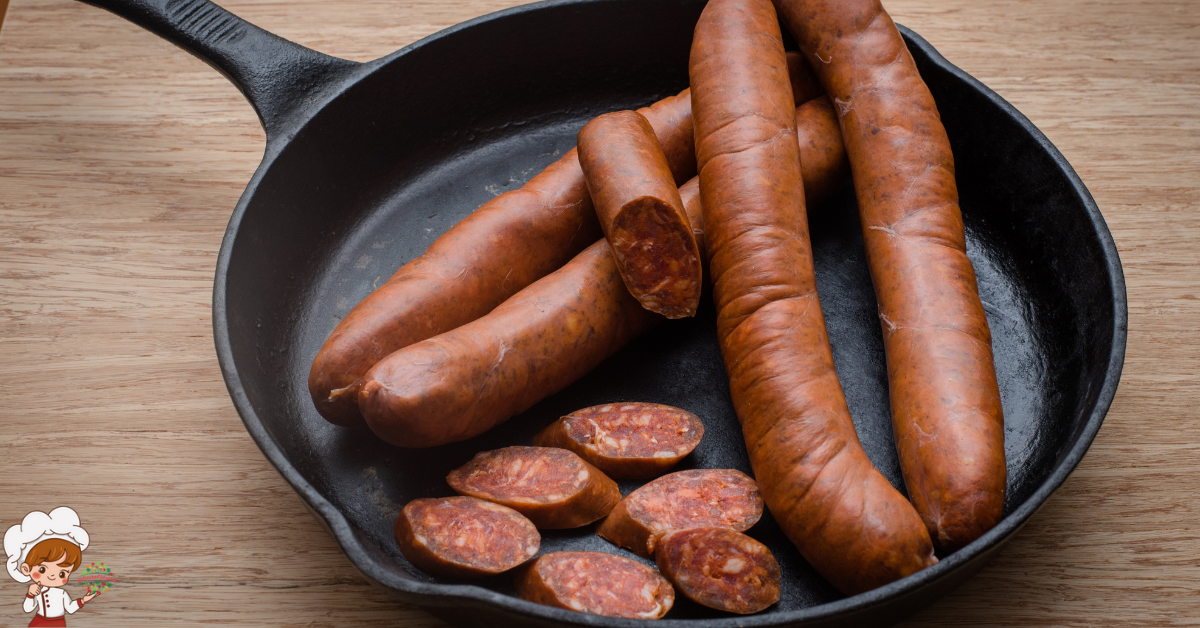
How To Pan Fry Sausages; To pan fry sausages, start by choosing quality varieties like pork or chicken. Remove them from the packaging and prick thicker ones with a fork. Preheat your skillet over medium heat with a bit of oil until it sizzles. Add the sausages, making sure not to overcrowd the pan, and cook until they develop a golden-brown crust, flipping them occasionally. Check for doneness by ensuring they reach an internal temperature of 160°F. Let them rest briefly after cooking for juicy bites. If you want tips on serving and pairing, there’s more to discover!
These cast iron skillets make meal prep a breeze! Perfect for home cooks.
Choosing the Right Sausages
When it comes to choosing the right sausages for pan frying, you’ll want to contemplate both the type and quality. The variety you select can greatly impact your dish’s outcome, so it’s crucial to make an informed choice. You have a wide range of sausage varieties to choose from, including pork, chicken, turkey, and even plant-based options. Each type brings its unique flavor profiles, so think about what you’re in the mood for.
If you enjoy a robust taste, you might lean toward spicy Italian sausages or bratwursts. These typically feature a blend of herbs and spices that can elevate your meal. On the other hand, if you prefer something milder, chicken or turkey sausages may suit your palate better. They tend to have a lighter flavor, making them versatile for various dishes.
Quality matters just as much as type. Look for sausages made with high-quality meat and minimal fillers. Artisan or locally sourced options often provide a fresher taste and can be a delightful surprise. Check the ingredient list—higher meat content usually means a more satisfying bite.
Preparing the Sausages
After choosing the right sausages, the next step is to prepare them for cooking. Start by taking the sausages out of their packaging and placing them on a clean cutting board. If you’ve selected thicker sausage types, you might want to contemplate pricking them gently with a fork. This helps release some of the fat during cooking, preventing them from bursting. However, if you’re using thinner sausages, such as breakfast links, you can skip this step.
Next, take a moment to assess their flavor profiles. If you’ve chosen spicy Italian sausages, you might want to keep the preparation simple to let their natural flavors shine. On the other hand, if you’re working with milder sausages, you can enhance their taste with a light seasoning of salt, pepper, or garlic powder. Use your judgment based on the flavor intensity you desire.
Once seasoned, let the sausages sit for about 10-15 minutes to allow the spices to infuse. This brief resting period can elevate the overall taste. If you prefer, you can also slice the sausages into bite-sized pieces or leave them whole, depending on how you plan to serve them.
Selecting the Perfect Skillet
Choosing the right skillet is essential for achieving perfectly pan-fried sausages. The materials and sizes of skillets can greatly impact the cooking process and the final result. When selecting the skillet, consider the materials first. Cast iron skillets are popular for their heat retention and even cooking. They provide a fantastic sear on sausages, helping to lock in flavors. If you prefer something lighter, non-stick skillets are also a great option, making it easier to flip the sausages without sticking. Stainless steel skillets are versatile too, offering a good balance between durability and heat conduction, but they might require a bit more oil to prevent sticking.
Next, think about skillet sizes. If you’re cooking for a crowd or want to fry multiple sausages at once, a larger skillet will save you time and effort. A 12-inch skillet is often ideal for this purpose. However, if you’re preparing a small meal, a smaller skillet, around 8 to 10 inches, may be more appropriate. Just remember that overcrowding the skillet can lead to uneven cooking, so always choose a size that allows the sausages enough space to brown nicely.
Preheating the Skillet
Preheating the skillet is an essential step that sets the stage for perfectly cooked sausages. When you heat your skillet to the right temperature, you create an ideal environment for browning the sausages evenly. Start by selecting a skillet that distributes heat well, such as cast iron or stainless steel. Place it over medium heat and let it warm up for a few minutes.
While the skillet is heating, choose an appropriate oil type. Olive oil, vegetable oil, or even a bit of butter can work well, depending on your preference. Each oil has its own smoke point, so consider that when selecting one. For example, olive oil has a lower smoke point compared to vegetable oil, which means it might burn if the skillet temperature gets too high.
You’ll know the skillet is ready when a few drops of water sizzle and evaporate quickly upon contact with the surface. This indicates that the skillet temperature is just right for frying. If you notice the oil shimmering or moving around easily, that’s a good sign, too.
Once you’ve reached the ideal temperature, add your sausages to the skillet. Make sure not to overcrowd the pan, as this can lower the skillet temperature and lead to uneven cooking. By preheating the skillet properly, you’re ensuring that your sausages will develop a delicious golden-brown crust while staying juicy on the inside. Happy cooking!
Cooking Techniques for Sausages
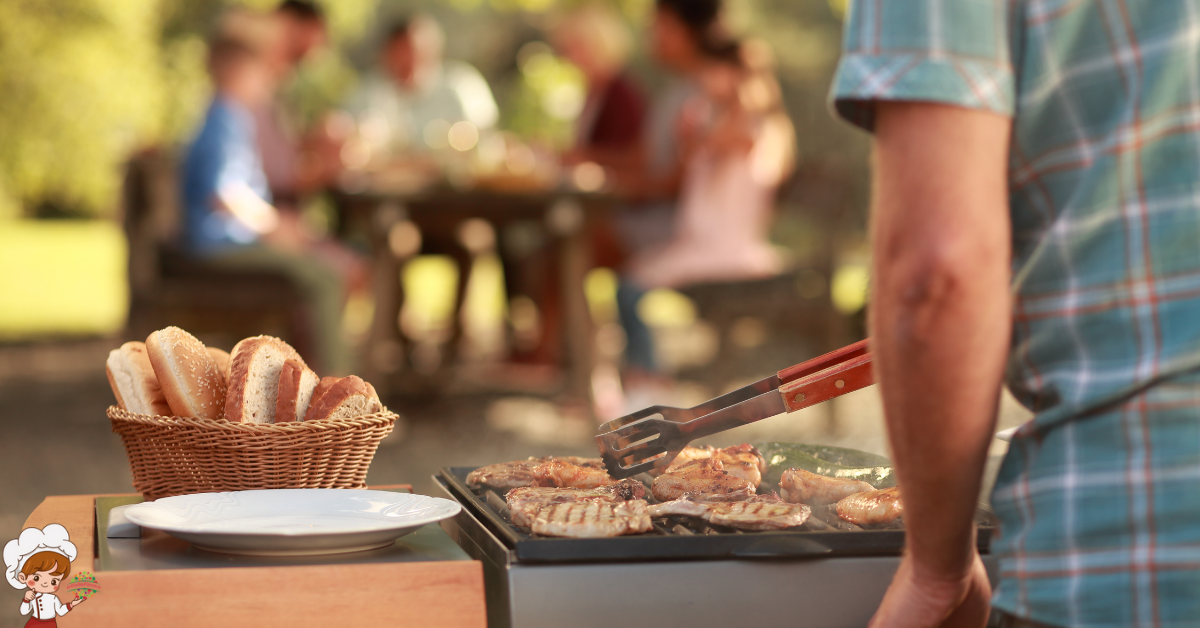
While cooking sausages, it’s vital to use the right techniques to guarantee they’re flavorful and fully cooked. Different sausage types, like pork, chicken, or turkey, require specific approaches. For instance, if you’re working with thicker sausages, you may want to employ grilling techniques that involve indirect heat. This way, they cook through without burning on the outside.
When it comes to seasoning options, don’t be shy! Sausages often come pre-seasoned, but adding your herbs and spices can elevate their flavor profiles. Consider mustard, garlic, or fresh herbs to enhance the taste. Cooking times can vary, so use a meat thermometer—most sausages should reach an internal temperature of 160°F for safety.
Health considerations are significant too. If you’re trying to cut down on fat, opt for leaner sausage types or consider grilling over pan-frying. Always check for proper storage methods; uncooked sausages can be stored in the fridge for one to two days or frozen for up to three months.
These cast iron skillets make meal prep a breeze! Perfect for home cooks.
Achieving the Ideal Crust
The perfect crust on pan-fried sausages brings both texture and flavor to your dish. To achieve that ideal crust texture, start by selecting high-quality sausages. Look for those that contain a good fat-to-meat ratio; this will help in creating that crispy outer layer. Before you heat your pan, let the sausages sit at room temperature for about 15 minutes. This step guarantees even cooking and prevents the casing from bursting.
When you’re ready to cook, preheat your skillet over medium heat. Using a bit of oil, like olive or vegetable, can aid in achieving a golden-brown crust. Once the oil shimmers, carefully place the sausages in the pan, giving them enough space to avoid steaming. As they cook, resist the urge to flip them too soon. You need to allow the sausages to sear properly on one side before turning them. This patience is key to developing that crunchy outer layer.
After a few minutes, you can gently turn the sausages to expose different sides to the heat. This method not only improves the crust texture but also provides a wonderful flavor enhancement. You’ll notice that as the sausages cook, they’ll start to release flavorful oils, which contribute to the overall taste. Keep an eye on them and adjust the heat as needed to prevent burning. With these tips, you’ll soon master the art of achieving a perfect crust on your pan-fried sausages.
Checking for Doneness
Guaranteeing your sausages are cooked through is essential for both safety and flavor. To check for doneness, you’ll want to monitor the internal temperature, which should reach at least 160°F (71°C) for most sausages. You can use a meat thermometer to get an accurate reading. Don’t skip this step, as undercooked sausages can pose health risks.
As you cook, pay attention to color changes. The sausages should turn from pink to a golden brown, indicating that they’re likely nearing doneness. Additionally, observe texture cues: properly cooked sausages will feel firm to the touch but still have a slight give. If they’re overly soft or mushy, they may need more time on the heat.
Cooking times can vary based on the size and type of sausage you’re using, so keep a close eye on them as they cook. If you’re unsure, it’s better to err on the side of caution and give them a little extra time rather than risk serving them undercooked.
Once they’ve reached the right internal temperature, let your sausages rest for a few minutes. This resting time allows juices to redistribute, enhancing flavor development. It’s tempting to dig in right away, but that brief wait makes a big difference in taste and texture. By following these tips, you’ll guarantee your sausages are not only safe to eat but also bursting with flavor, ready to impress anyone at your table.
Serving Suggestions and Pairings
Once you’ve cooked your sausages to perfection, it’s time to think about how to serve them for maximum enjoyment. Start with your sauce options; a tangy mustard or a rich BBQ sauce can elevate the flavors beautifully. If you’re in the mood for something classic, consider ketchup or a spicy aioli to bring a kick.
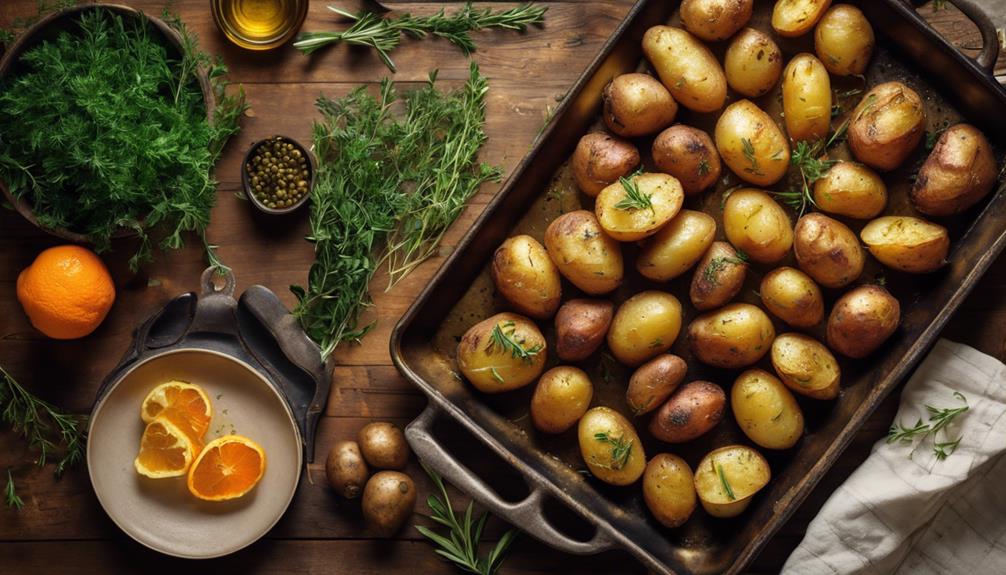
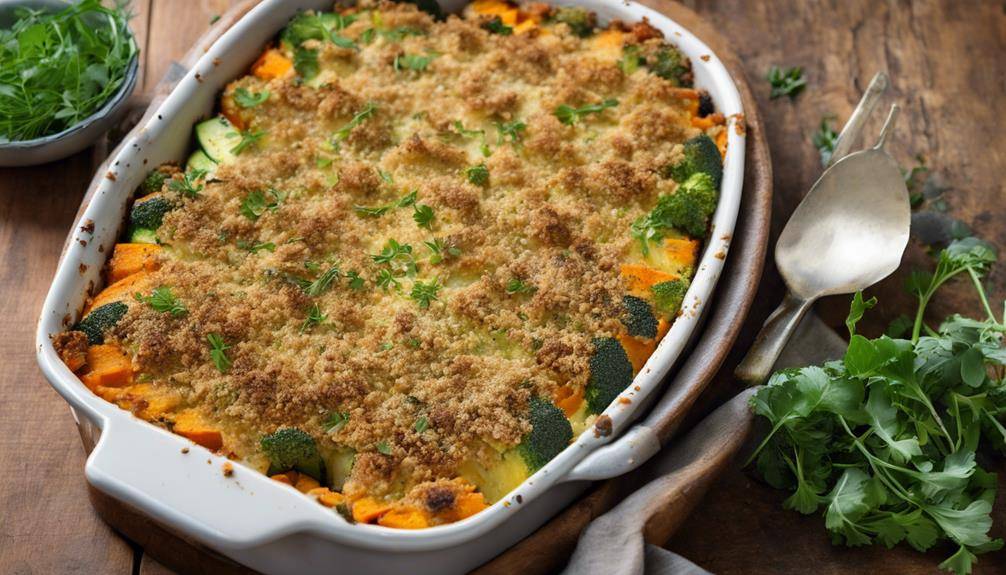
Pair your sausages with a variety of side dishes. Crispy roasted potatoes, sautéed greens, or a fresh salad can create a balanced plate. For breakfast pairings, think scrambled eggs and crispy bacon, or serve the sausages alongside pancakes and syrup for a hearty morning feast.
Don’t forget your condiment choices! Pickles, sauerkraut, or relish can add a delightful crunch and tang. For vegetable accompaniments, grilled peppers or caramelized onions work exceptionally well, complementing the savory flavors.
For a satisfying meal, consider your bread options. A crusty roll, a warm baguette, or even a soft brioche bun can cradle your sausages perfectly. Cheese pairings like sharp cheddar or creamy goat cheese can add an extra layer of richness that you won’t want to miss.
Lastly, think about drink suggestions. A cold beer pairs wonderfully with sausages, while a cool lemonade or a robust red wine can also enhance your dining experience. With these serving suggestions and pairings, you’ll create a delicious spread that showcases your perfectly pan-fried sausages!
These cast iron skillets make meal prep a breeze! Perfect for home cooks.
Frequently Asked Questions: How To Pan Fry Sausages
Can I Pan Fry Frozen Sausages Directly?
Yes, you can pan fry frozen sausages directly. Just remember to follow frozen cooking tips and adhere to sausage safety guidelines, ensuring they reach the proper internal temperature for safe consumption. Enjoy your meal!
How Do I Store Leftover Cooked Sausages?
To store leftover cooked sausages, refrigerate them in an airtight container within two hours. Use refrigeration methods like wrapping in foil or plastic. You can also incorporate them into various sausage recipes for added flavor.
What Side Dishes Pair Well With Sausages?
To enhance your sausages, consider pairing them with vibrant vegetable sides like roasted Brussels sprouts or sautéed greens. For sauce pairings, a tangy mustard or a rich onion gravy can elevate the dish beautifully.
Are There Vegetarian or Vegan Sausage Options for Frying?
Absolutely, you’ve got plenty of options! Try various vegetarian sausage varieties like lentil or mushroom. If you’re into cooking, explore vegan sausage recipes made with tofu or tempeh for a delicious, satisfying meal.
How Can I Avoid Grease Splatter While Cooking?
To avoid grease splatter while cooking, use grease shields and adjust your cooking techniques. Cover the pan partially, lower the heat, and use a splatter guard to keep your kitchen clean and safe.

Conclusion
Now that you know how to pan fry sausages perfectly, you can enjoy a delicious meal any time. Remember to choose quality sausages, preheat your skillet, and use the right cooking techniques for that ideal crust. Always check for doneness to confirm your sausages are safe and tasty. Serve them with your favorite sides or in a bun for a satisfying dish. Get cooking, and savor every bite of your homemade sausages!