Learn How To Cook Crab Legs
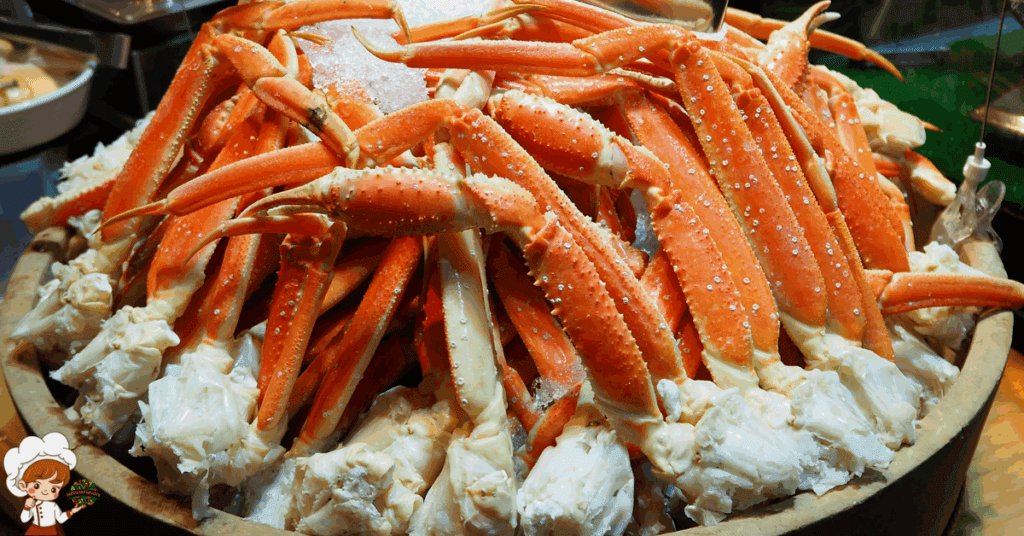
Learn How To Cook Crab Legs; Did you know that crab legs are not only delicious but also a great source of protein? With an average of 20 grams of protein per serving, they are a healthy and satisfying addition to any meal. If you’ve always wanted to learn how to cook crab legs but weren’t sure where to start, look no further. In this comprehensive guide, we will walk you through the entire process, from buying fresh crab legs to serving and eating them like a pro. So, whether you’re a seafood lover or simply looking to expand your culinary skills, get ready to dive into the wonderful world of cooking crab legs.
Types of Crab Legs
When it comes to cooking crab legs, it is important to understand the various types available to ensure the best results. There are three main types of crab legs that you can choose from: king crab legs, snow crab legs, and Dungeness crab legs. Each type has its own unique flavor and texture, so it’s worth exploring all of them to find your favorite.
King crab legs are known for their large size and sweet, succulent meat. They are often considered the most luxurious and expensive option. King crab legs can be steamed, boiled, baked, or grilled and are often served with melted butter or a tangy sauce.
Snow crab legs, on the other hand, are smaller and have a slightly more delicate flavor. They are often sold pre-cooked and are typically steamed or boiled to heat them through. Snow crab legs are perfect for adding to soups, salads, or pasta dishes for a burst of seafood flavor.
Dungeness crab legs are a popular choice on the West Coast of the United States. They have a slightly sweeter flavor and a more tender texture compared to other types of crab legs. Dungeness crab legs are often steamed or boiled and served with melted butter or a zesty dipping sauce.
When it comes to buying crab legs, the best places to look are seafood markets, grocery stores with a seafood section, or online seafood retailers. Look for crab legs that are fresh, firm, and have a bright color. It’s also a good idea to ask the seller for recommendations on the best cooking methods for the specific type of crab legs you are buying.
Buying Fresh Crab Legs
To ensure the highest quality and freshest crab legs, it is essential to know what to look for when buying them. Here are a few tips to help you make the right choice:
- Look for reputable seafood markets: When buying fresh crab legs, it’s important to find a trustworthy seafood market that sources their seafood from reliable suppliers. Look for markets that have a good reputation for selling high-quality seafood and have a wide selection of crab legs to choose from.
- Check for frozen crab legs: While fresh crab legs are ideal, frozen crab legs can also be a good option. They are often flash-frozen right after being caught, which helps retain their freshness and flavor. When buying frozen crab legs, make sure they are properly sealed and have no signs of freezer burn. Check the packaging for any expiration dates to ensure they are still within their prime.
- Inspect the appearance: Whether you’re buying fresh or frozen crab legs, take a close look at their appearance. Fresh crab legs should have a vibrant color, ranging from a deep red to a bright orange. They should also have a shiny and moist appearance. Avoid crab legs that look dull or dry, as this may indicate that they are not fresh.
Finding the best seafood markets and knowing what to look for when buying crab legs can greatly enhance your cooking experience. Whether you opt for fresh or frozen crab legs, selecting the highest quality ones will ensure a delicious and satisfying meal. So, take your time and choose wisely to indulge in the freshest and tastiest crab legs available.
Storing Crab Legs
Now that you have chosen the freshest and highest quality crab legs, it is important to know how to properly store them to maintain their freshness and flavor. Storing crab legs correctly will ensure that they remain safe to eat and retain their delicious taste. To start, it is essential to keep the crab legs cold to prevent any bacterial growth. Place the crab legs in an airtight container or wrap them tightly in plastic wrap before placing them in the refrigerator. This will help to maintain their moisture and prevent any odors from permeating the meat.
When storing crab legs, it is crucial to consider shell disposal. After enjoying your crab legs, make sure to properly dispose of the shells to avoid any potential health hazards. Discard the shells in a sealed plastic bag and dispose of them in the trash. This will prevent any unwanted odors and ensure a clean and hygienic kitchen.
Aside from being a delicious seafood delicacy, crab legs also offer numerous health benefits. They are an excellent source of lean protein, low in fat, and packed with essential minerals and vitamins. Crab legs are particularly rich in omega-3 fatty acids, which are known for their heart-healthy properties. Omega-3 fatty acids can help reduce inflammation, lower blood pressure, and improve overall cardiovascular health.
Thawing Frozen Crab Legs
Thawing frozen crab legs is a simple process that ensures the meat retains its quality and taste. Properly defrosting the crab legs is crucial to maintain their texture and flavor. Here are three effective thawing methods along with the best cooking methods for your crab legs:
- Refrigerator Thawing: Place the frozen crab legs in a covered container and let them thaw in the refrigerator overnight. This slow thawing method allows the crab legs to defrost gradually, preserving their moisture and taste. Once thawed, you can proceed with cooking them using your preferred method.
- Cold Water Thawing: If you’re short on time, you can use the cold water thawing method. Place the frozen crab legs in a sealed plastic bag and submerge them in cold water. Change the water every 30 minutes to maintain its cold temperature. It usually takes about 30-60 minutes for the crab legs to thaw using this method. Once thawed, you can cook them immediately.
- Microwave Thawing: If you need to thaw the crab legs quickly, you can use the microwave. However, be cautious as this method can partially cook the crab legs. Start by placing the frozen crab legs in a microwave-safe dish and defrost them using the defrost setting or low power. Make sure to rotate the crab legs every few minutes to ensure even thawing. Once they are partially thawed, you can finish the thawing process using the refrigerator or cold water method.
Preparing the Cooking Pot
To prepare the cooking pot for your crab legs, gather a large pot that can comfortably fit the crab legs and fill it with enough water to fully submerge them. Before you start cooking, it is essential to ensure that your cooking pot is well-maintained. Thoroughly clean the pot with warm soapy water, removing any dirt or residue that may be present. Rinse it thoroughly to remove any soap residue. This step is crucial in order to maintain the hygiene and cleanliness of your cooking pot.
Once your pot is clean, you can proceed to fill it with water. The amount of water you need will depend on the size and quantity of crab legs you are cooking. It is important to have enough water to fully submerge the crab legs, as this will help to ensure even cooking. Adding a couple of tablespoons of salt to the water will enhance the flavor of the crab legs.
While boiling is the most common cooking method for crab legs, there are alternative methods that you can consider. Steaming is a great option that allows you to retain more of the natural flavors and moisture of the crab legs. To steam the crab legs, place a steamer basket or rack in the pot and bring the water to a boil. Once the water is boiling, place the crab legs on the steamer basket or rack and cover the pot. Steam the crab legs for about 5-7 minutes per pound, or until they are heated through.
Seasoning Options for Crab Legs
Consideration should be given to the various seasoning options available for enhancing the flavor of your crab legs. Seasoning plays a crucial role in bringing out the best taste in your crab leg recipes. Here are three alternative seasoning options to consider:
- Old Bay Seasoning: A classic choice for crab legs, Old Bay Seasoning adds a savory blend of herbs and spices to your dish. Its combination of celery salt, paprika, black pepper, and other seasonings creates a unique flavor that complements the sweetness of the crab meat perfectly.
- Garlic Butter: If you’re a fan of rich and indulgent flavors, garlic butter is the way to go. Melt some butter and sauté minced garlic until fragrant. Drizzle the garlic butter over your crab legs for a mouthwatering experience. The buttery goodness combined with the mild garlic aroma will elevate your crab legs to new heights.
- Cajun Spice: For those who crave a bit of heat, Cajun spice is an excellent choice. This blend typically includes paprika, cayenne pepper, garlic powder, onion powder, and other spices. The bold and smoky flavors of Cajun spice add a fiery kick to your crab legs, creating a tantalizing taste sensation.
When selecting your seasoning, it’s important to consider the flavor profile you desire. Whether you prefer a traditional taste, a buttery delight, or a spicy kick, these alternative seasoning options offer something for everyone. Experiment with different combinations and quantities to find the perfect balance that suits your palate. By choosing the right seasoning, you can take your crab leg recipes to the next level and create a memorable dining experience.
Steaming Crab Legs
To steam crab legs, you will need a large pot with a steamer basket or a dedicated crab steamer. Begin by preparing the crab legs by rinsing them under cold water and patting them dry. Place the crab legs in the steamer basket and steam them for about 5-7 minutes until they are heated through and the meat is tender.
Equipment Needed for Steaming
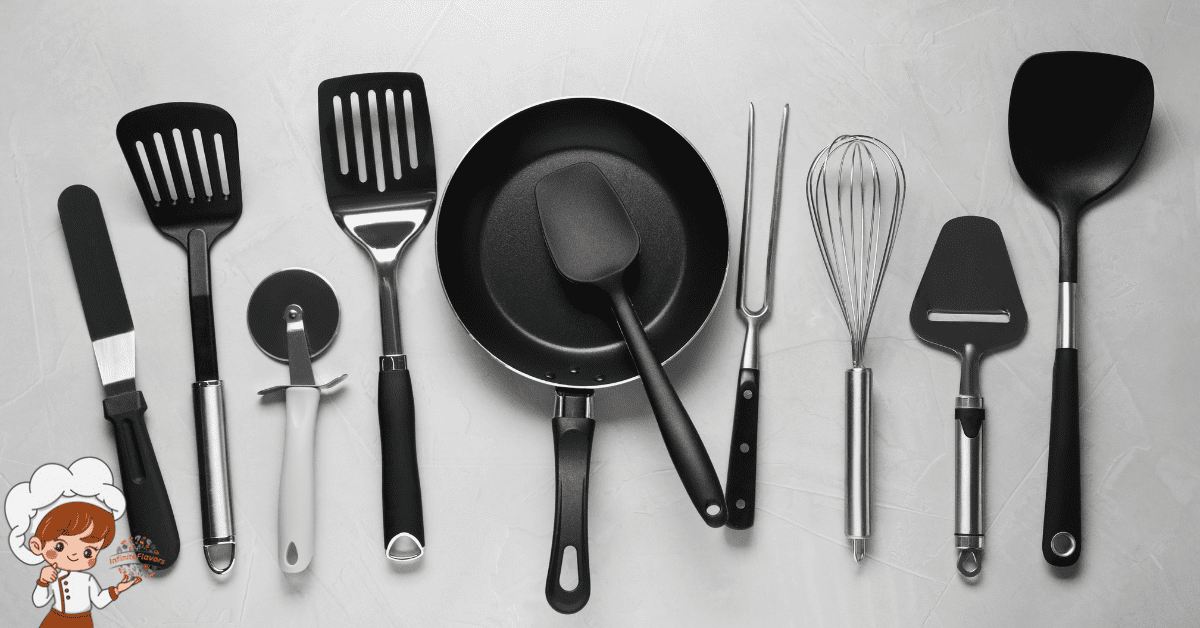
You will need a steamer, a large pot with a tight-fitting lid, and a pair of tongs to steam crab legs to perfection. These essential tools are necessary to ensure that your crab legs are cooked evenly and retain their delicious flavors. Here are the equipment you will need:
- Steamer: A steamer is a must-have for steaming crab legs. It allows the steam to circulate around the crab legs, cooking them gently and preserving their natural taste and tenderness.
- Large Pot with Tight-Fitting Lid: The pot will serve as the base for your steamer. Make sure it is large enough to hold the crab legs comfortably. The tight-fitting lid will help trap the steam inside, ensuring efficient cooking.
- Tongs: A pair of tongs will come in handy when handling the hot crab legs. It allows you to easily lift and transfer the cooked crab legs without risking burns.
With these equipment, you are ready to explore different steaming techniques and enjoy the succulent flavors of crab legs. Steaming is a healthier alternative cooking method, as it retains more of the nutrients and natural flavors compared to other cooking methods like boiling.
Preparing the Crab Legs
To prepare the crab legs for steaming, start by ensuring they are thawed if frozen and rinsed thoroughly under cold water to remove any excess salt or ice. Once they are thawed and cleaned, you will need to gather the necessary equipment for boiling. The most basic equipment needed is a large pot with a lid, a steaming rack or basket, and a pair of tongs for handling the hot crab legs. If you want to enhance the flavor, you can also add various ingredients to the boiling water, such as herbs, spices, or even beer.
There are different boiling techniques you can use, such as traditional boiling or using a combination of boiling and steaming. These techniques will affect the cooking time and the final texture of the crab legs, so choose the one that suits your preference.
Steaming Process Explained
When steaming crab legs, it is crucial to ensure that you have the proper equipment and follow the correct process to achieve the desired texture and flavor. Steaming crab legs is one of the most popular methods of cooking them, and it offers several benefits over alternative cooking methods. Here are three key points to keep in mind when steaming crab legs:
- Equipment: To steam crab legs, you will need a large pot with a steamer basket or a dedicated crab steamer. The steamer basket allows the crab legs to cook evenly and helps to retain their natural juices and flavors.
- Process: Fill the pot with water, making sure it doesn’t touch the steamer basket. Bring the water to a boil and place the crab legs in the steamer. Cover the pot and steam the crab legs for about 5-7 minutes, or until they are heated through.
- Benefits of Steaming: Steaming crab legs preserves their delicate texture and flavor, unlike boiling, which can make them waterlogged. It also helps to retain the nutritional value of the crab legs, making it a healthier cooking option.
Boiling Crab Legs
When boiling crab legs, it is crucial to determine the perfect cooking time to achieve tender and succulent meat. Additionally, consider the various flavorful seasoning options that can elevate the taste of the crab legs, such as Old Bay seasoning, garlic butter, or lemon pepper. By carefully timing the cooking process and adding the right seasonings, you can create a delicious and satisfying meal with boiled crab legs.
Perfect Cooking Time
For the perfect cooking time when boiling crab legs, it is crucial to consider their size and thickness to ensure a tender and flavorful outcome. The cooking temperature plays a significant role in achieving the desired results. Here are three important factors to consider:
- Size matters: Larger crab legs will require a longer cooking time to ensure they are fully cooked. Smaller legs, on the other hand, will cook more quickly.
- Thickness: Thicker crab legs will also take longer to cook. It is essential to adjust the cooking time accordingly to avoid overcooking or undercooking.
- Seasoning variations: The type and amount of seasoning used can affect the cooking time as well. Seasonings like Old Bay or Cajun spices may enhance the flavor but can also affect the cooking time.
Flavorful Seasoning Options
Looking to add some flavor to your boiled crab legs? Why not try grilling them for a smoky and delicious twist? Grilled crab legs are a fantastic way to enhance the natural sweetness of the meat while adding a hint of charred goodness. To achieve this, simply brush the legs with a generous coating of garlic butter seasoning. The garlic butter will melt and infuse the crab legs with its rich and savory flavors, creating a mouthwatering combination.
As the legs cook on the grill, the seasoning will caramelize and create a beautiful crust, adding a delightful texture to each bite. This method of seasoning is perfect for those who enjoy the taste of garlic and want to elevate the flavors of their boiled crab legs.
Grilling Crab Legs
To achieve a smoky and flavorful char on your crab legs, grilling them is an excellent choice. Grilling not only imparts a delicious smokiness to the crab meat but also adds a delightful charred texture. Here are some grilling techniques to ensure you get the most out of your grilled crab legs:
- Preparation: Start by thawing the crab legs if they are frozen. Once thawed, rinse them under cold water and pat them dry with paper towels. This will ensure that the legs cook evenly and allow the flavors to penetrate the meat.
- Seasoning: Before grilling, brush the crab legs with melted butter or olive oil. This will help prevent them from sticking to the grill and enhance the overall flavor. You can also season them with your favorite herbs and spices, such as garlic powder, paprika, or Old Bay seasoning, to add an extra layer of taste.
- Grilling: Preheat your grill to medium-high heat. Place the crab legs directly on the grill grates and close the lid. Grill for about 4-6 minutes per side, or until the shells turn a vibrant orange-red color and the meat is heated through. Be careful not to overcook them as it can make the meat tough and rubbery.
Grilling crab legs is a simple yet effective way to elevate their flavor. The smoky char and succulent meat make for a delightful seafood feast. So fire up the grill and enjoy the deliciousness of grilled crab legs!
Baking Crab Legs
Baking crab legs is a simple and flavorful method that allows the delicate meat to cook gently, preserving its natural sweetness and tenderness. While grilling crab legs can be a popular choice, baking them provides a different cooking technique that results in equally delicious and succulent crab meat.
To start, preheat your oven to 375°F (190°C). Place the crab legs on a baking sheet or in a baking dish, making sure they are in a single layer. This allows for even cooking and ensures that each piece of crab gets the attention it deserves.
Next, brush the crab legs with melted butter or olive oil. This step adds richness and helps prevent the meat from drying out during the baking process. Sprinkle some salt and pepper over the legs to enhance the flavors.
Cover the baking sheet or dish with aluminum foil, creating a tent-like structure that will trap the steam and keep the crab legs moist. This also helps to infuse the meat with any additional seasonings or herbs you choose to add.
Bake the crab legs for about 15-20 minutes, or until they are heated through. The exact cooking time may vary depending on the size of the crab legs, so keep an eye on them to avoid overcooking.
Once they are done, carefully remove the crab legs from the oven and let them rest for a few minutes before serving. This allows the juices to redistribute, ensuring that each bite is tender and flavorful.
Making the Perfect Dipping Sauce
Now it’s time to enhance your crab legs experience with the perfect dipping sauces. Three options stand out: Tangy Lemon Butter, Spicy Cajun Mayo, and Classic Cocktail Sauce. Each sauce offers a unique flavor profile that complements the delicate taste of crab meat. Whether you prefer a zesty citrus kick, a fiery kick of spice, or a traditional tang, these dipping sauces are sure to elevate your crab legs to a whole new level of deliciousness.
Tangy Lemon Butter
For a tangy and flavorful dipping sauce to accompany your perfectly cooked crab legs, whip up a batch of zesty lemon butter. This classic sauce is easy to make and enhances the natural sweetness of crab meat. Here are a few variations of lemon butter that you can try:
- Garlic Lemon Butter: Add minced garlic to the melted butter for an extra kick of flavor.
- Herb-infused Lemon Butter: Mix in chopped herbs like parsley, dill, or chives to give your sauce a fresh and aromatic twist.
- Spicy Lemon Butter: For those who enjoy a bit of heat, add a pinch of cayenne pepper or a dash of hot sauce to the butter for a spicy kick.
If you’re looking for alternative dipping sauces, consider trying melted garlic butter, tangy cocktail sauce, or creamy aioli. These sauces offer different flavor profiles and can be a delicious complement to your crab legs. Experiment with different variations and find your favorite!
Spicy Cajun Mayo
To create the perfect dipping sauce for your crab legs, spice up your mayo with Cajun flavors. Spicy Cajun mayo adds a kick to your seafood experience and enhances the natural flavors of the crab. Making this delicious sauce is easy and versatile, allowing you to experiment with different variations. Start by combining mayonnaise with Cajun seasoning, hot sauce, minced garlic, and a squeeze of fresh lemon juice.
Adjust the spice level to your preference by adding more or less Cajun seasoning and hot sauce. For a creamier texture, you can also mix in a small amount of sour cream or Greek yogurt. If you’re looking for alternative dipping sauces, consider options like garlic butter, tangy lemon butter, or a zesty cocktail sauce. These options provide a range of flavors that complement the sweetness of the crab meat.
Classic Cocktail Sauce
Enhance your crab legs dining experience with the classic cocktail sauce. This homemade sauce is the perfect accompaniment, adding a tangy and zesty flavor to complement the sweet and succulent meat of the crab legs. Here are three reasons why the classic cocktail sauce is a must-have:
- Traditional Flavor: The classic cocktail sauce is a timeless favorite that has been enjoyed for generations. Its combination of ketchup, horseradish, Worcestershire sauce, and lemon juice creates a harmonious blend of flavors that perfectly enhances the taste of crab legs.
- Versatile Dipping Sauce: Not only does the classic cocktail sauce pair well with crab legs, but it also complements other seafood dishes like shrimp and oysters. Its bold flavors add a delightful kick to any seafood you choose to dip into it.
- Alternative Dipping Sauces: While the classic cocktail sauce is a classic choice, don’t be afraid to explore alternative dipping sauces. Try experimenting with tartar sauce, garlic butter, or even a spicy remoulade to add variety and excitement to your crab legs dining experience.
With the classic cocktail sauce or other alternative dipping sauces, you can elevate the flavors of your crab legs and create a truly memorable dining experience.
Serving and Eating Crab Legs
When serving and eating crab legs, it is essential to know the proper techniques to fully enjoy this delectable seafood delicacy. Serving etiquette plays an important role in presenting crab legs to your guests. Whether you are hosting a formal dinner or a casual gathering, it is important to display the crab legs in an attractive manner. Use a large platter or a seafood tower to showcase the crab legs, and provide plenty of napkins, bibs, and crab crackers for your guests.
Before diving into the deliciousness of crab legs, it is helpful to know the different types of crab species. There are various types of crabs that are commonly used for culinary purposes, such as Alaskan king crab, Dungeness crab, and snow crab. Each species has its own unique flavor and texture, so it is worth exploring different types to find your favorite.
To eat the crab legs, start by breaking off one section at a time. Hold the leg firmly and use a crab cracker or a seafood fork to crack the shell. Gently pull the shell apart to reveal the succulent meat inside. Dip the meat in melted butter or your favorite seafood sauce for added flavor.
When eating crab legs, it is important to savor the taste and texture of the meat. Take your time and enjoy each bite, making sure to remove any cartilage or shell fragments as you go. Remember to use the provided tools and techniques to fully extract the meat from the legs.
Leftover Crab Legs: Storage and Reheating Tips
Now that you have enjoyed the deliciousness of crab legs, it is important to know how to properly store and reheat any leftovers to ensure they maintain their flavor and texture. Here are some tips for storing and reheating your leftover crab legs:
- Storage: To keep your crab legs fresh, place them in an airtight container or wrap them tightly in plastic wrap. Store them in the refrigerator for up to three days. It is crucial to keep the crab legs cold to prevent bacterial growth and maintain their quality.
- Reheating Methods: There are several ways to reheat crab legs, depending on your preference. One common method is steaming. Fill a pot with water and bring it to a boil. Place a steamer basket on top and arrange the crab legs inside. Cover the pot and steam for about five minutes. Another option is oven reheating. Preheat your oven to 350°F (175°C). Place the crab legs on a baking sheet and cover them with aluminum foil. Bake for approximately 10-15 minutes until heated through. Lastly, you can also reheat crab legs in the microwave. Wrap them in a damp paper towel and microwave on high for about 2-3 minutes.
- Creative Leftover Recipes: If you want to get creative with your leftover crab legs, there are numerous recipes you can try. One idea is to make crab bisque by blending the crab meat with a creamy base, such as heavy cream or coconut milk, and adding flavorful ingredients like onions, garlic, and herbs. Another option is to create a crab salad by combining the shredded crab meat with mayonnaise, lemon juice, and your choice of seasonings. You can also use the crab meat to make crab cakes or add it to pasta dishes for a seafood twist.
Frequently Asked Questions: Learn How To Cook Crab Legs
How Long Do Crab Legs Typically Take to Cook?
When cooking crab legs, they typically take around 5-7 minutes to cook. The cooking techniques vary, but boiling or steaming is common. Seasoning options are diverse, ranging from simple butter and garlic to complex herb blends.
Can I Use Frozen Crab Legs for All Cooking Methods?
Yes, you can use frozen crab legs for all cooking methods. However, there may be a slight difference in taste compared to fresh crab legs. Freezing can affect the texture and flavor, but they are still delicious when cooked properly.
Are There Any Health Risks Associated With Eating Crab Legs?
There can be potential health risks associated with eating crab legs, such as allergies and bacterial contamination. However, they also provide nutritional benefits like being high in protein and containing essential vitamins and minerals.
Can I Use Pre-Cooked Crab Legs for Recipes That Require Raw Crab Legs?
Yes, you can use pre-cooked crab legs for recipes that require raw crab legs. However, keep in mind that the texture may be different. Consider alternative cooking methods to ensure the best results for your dish.
Are There Any Alternative Cooking Methods for Crab Legs Besides the Ones Mentioned in the Article?
There are several alternative cooking methods for crab legs besides the ones mentioned in the article. Grilling, steaming, and baking are popular options. To enhance the flavor, try adding spices, lemon juice, or garlic butter.

Conclusion
In conclusion, learning to cook crab legs is a comprehensive process that involves understanding the different types of crab legs, buying them fresh, storing them properly, and preparing them for cooking. Knowing how to thaw frozen crab legs and prepare the cooking pot correctly is crucial for achieving the perfect texture and flavor. Additionally, making a delicious dipping sauce and serving the crab legs properly enhances the overall dining experience. With these tips and techniques, you can confidently enjoy a delectable meal of crab legs at home.