The History and Origin of Easy Macaroni and Cheese

Origin of Easy Macaroni and Cheese; Few dishes have achieved the universal comfort food status of macaroni and cheese. From its humble European beginnings to becoming a beloved staple in American kitchens, macaroni and cheese represents the very essence of simple satisfaction. The story of Easy Macaroni and Cheese is one of adaptation, innovation, and enduring appeal. What started as a refined European dish has transformed into a symbol of home-cooked warmth, cherished by families for generations.
This comprehensive deep dive explores how macaroni and cheese traveled through history—from ancient pasta-like dishes to boxed convenience—and how it became the “easy” version we love today.
The European Beginnings of Macaroni and Cheese
The origins of macaroni and cheese trace back centuries to Europe, long before it became a household favorite in the United States. The earliest versions appeared in Italy, where pasta and cheese were naturally abundant. In the 13th century, Italian cookbooks documented recipes that combined pasta sheets and grated cheese, similar to lasagna.
By the 14th century, a dish called makerouns appeared in English medieval cookbooks. This version, recorded in The Forme of Cury, consisted of hand-cut pasta cooked with butter and cheese—essentially an early form of macaroni and cheese. It was a luxury dish, reserved for those who could afford imported cheese and wheat flour.
In Renaissance Europe, pasta and cheese combinations became increasingly refined. The introduction of Parmesan from Italy and sharp cheddar from England added depth and richness, turning macaroni and cheese into a dish that reflected culinary sophistication.
The Arrival of Macaroni and Cheese in America
The dish crossed the Atlantic with European immigrants and quickly found a home in the New World. However, macaroni and cheese didn’t gain widespread popularity in America until the late 18th century.
Thomas Jefferson, the third President of the United States, is often credited with popularizing macaroni and cheese in America. During his travels to France and Italy, Jefferson developed a taste for pasta dishes and brought back both pasta and Parmesan cheese to Monticello. He even commissioned a special pasta-making machine.
In 1802, Jefferson famously served “a pie called macaroni” at a state dinner, introducing the creamy baked dish to American high society. While he may not have invented it, his enthusiasm for the dish sparked a trend. His cousin, Mary Randolph, included a recipe for macaroni and cheese in her 1824 cookbook, The Virginia Housewife. This was one of the earliest American recipes that combined macaroni with cheese sauce, butter, and cream—closer to the modern version we recognize today.
The 19th Century: From Luxury to Comfort
Throughout the 19th century, macaroni and cheese evolved from a special-occasion meal to a comforting family dish. The rise of industrial cheese production made cheddar and other varieties more affordable, and imported pasta became accessible to the growing middle class.
Southern cooks embraced macaroni and cheese as a soul food classic. With their rich culinary traditions and innovative approaches to comfort food, African American cooks transformed the dish into something deeply flavorful and culturally significant. They adapted Jefferson’s version, often baking it in cast iron skillets with extra butter and cheese to create a golden crust.
By the end of the 19th century, macaroni and cheese was appearing in community cookbooks across America, often listed alongside casseroles and other hearty dishes. Its popularity was cemented by its simplicity—flour, milk, cheese, and pasta—and its ability to stretch ingredients to feed families affordably.
The 20th Century Revolution: Kraft and the Rise of “Easy” Macaroni and Cheese
The concept of “Easy Macaroni and Cheese” as we know it today was born in 1937 when the Kraft Company introduced Kraft Macaroni & Cheese Dinner. This boxed meal revolutionized convenience cooking during the Great Depression.
With economic hardship spreading across America, Kraft offered an affordable, filling meal that could feed a family for just a few cents per serving. The box included dried pasta and a packet of powdered cheese sauce mix, eliminating the need for fresh ingredients or long cooking times.
Its timing couldn’t have been better—families needed quick, inexpensive meals that were satisfying and reliable. Kraft’s version became an instant hit, and it remained popular through World War II, when rationing limited access to fresh dairy and meat. The ability to create a creamy cheese dish from a shelf-stable box made it a pantry essential.
This innovation laid the groundwork for what would later be called “Easy Macaroni and Cheese”—a dish that embodies comfort, convenience, and nostalgia all at once.
The Cultural Impact of Easy Macaroni and Cheese
Few foods hold such a strong emotional connection across generations. Easy macaroni and cheese isn’t just a meal—it’s a memory. From childhood dinners to college dorm nights, the dish has remained a constant companion.
In the 1950s and 1960s, as processed foods gained popularity, boxed macaroni and cheese continued to symbolize modern convenience. Television ads emphasized its simplicity: “Dinner in 10 minutes!” It became a symbol of mid-century family life—mothers could quickly prepare a warm, cheesy meal that everyone loved.
By the 1980s and 1990s, Easy Macaroni and Cheese had cemented itself in American pop culture. Variations appeared in commercials, cartoons, and movies. Later, microwaveable “Easy Mac” cups revolutionized single-serve convenience for kids, students, and busy professionals.
Even as culinary trends shifted toward fresh, homemade meals, macaroni and cheese retained its nostalgic power. Today, it’s both a comfort food and a canvas for creativity. Gourmet restaurants now serve elevated versions with lobster, truffles, or artisanal cheeses—but at its core, the essence of macaroni and cheese remains simple and satisfying.
The Modern Renaissance of Macaroni and Cheese
In the 21st century, Easy Macaroni and Cheese has evolved again. While boxed versions remain household staples, homemade variations have surged in popularity thanks to food bloggers, chefs, and home cooks who celebrate the dish’s versatility.
Easy macaroni and cheese recipes now range from stovetop to baked versions, with creative twists like smoked gouda, spicy jalapeños, or crispy breadcrumbs. Yet, even these gourmet takes maintain the simplicity that defines “easy” mac and cheese—comfort without complication.
The rise of plant-based eating has also influenced the dish’s evolution. Vegan and dairy-free alternatives use cashew or nutritional yeast sauces, ensuring that everyone can enjoy this timeless favorite.
This adaptability speaks to the dish’s enduring power. From Jefferson’s elegant dinners to quick weeknight meals, macaroni and cheese continues to bridge cultures, generations, and tastes.
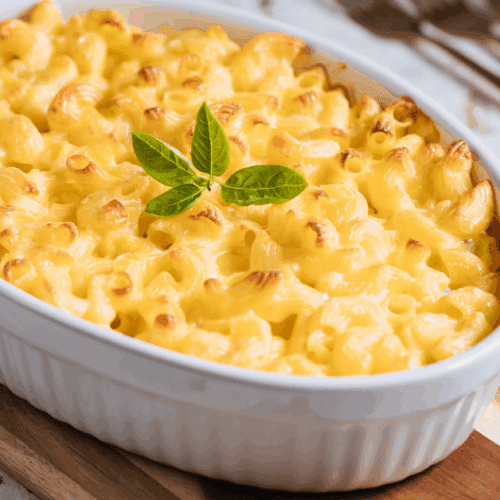
Easy Macaroni and Cheese
Ingredients
- – 2 cups cooked macaroni
- – 2 cups shredded cheese
- – 1 cup milk
- – 2 tbsp butter
- – Salt and pepper
Instructions
- In a pot, melt butter, add milk, and cheese until melted.
- Combine with macaroni, season, and serve.
Easy Macaroni and Cheese as an American Comfort Classic
What makes Easy Macaroni and Cheese so enduring? It’s more than flavor—it’s emotion. The creamy, cheesy goodness evokes childhood comfort and nostalgic warmth. It’s a meal that feels familiar, even if the recipe changes.
Every forkful represents a connection to history—an unbroken line from Italian kitchens to modern American homes. It’s a dish that has stood the test of time by adapting without losing its heart.
Whether it’s served at family dinners, potlucks, or holiday tables, macaroni and cheese symbolizes comfort, togetherness, and simplicity. The “easy” version makes it accessible to everyone, reinforcing its place as a universal favorite.
FAQ: Origin of Easy Macaroni and Cheese
1. Who invented macaroni and cheese?
While no single person can claim to have invented macaroni and cheese, early versions appeared in Italian and English cookbooks centuries ago. Thomas Jefferson helped popularize the dish in America in the early 1800s.
2. When was boxed macaroni and cheese invented?
Kraft introduced boxed macaroni and cheese in 1937, making it one of the earliest examples of a convenient, shelf-stable meal.
3. Why is it called “easy” macaroni and cheese?
The “easy” label refers to simplified preparation methods—usually using fewer ingredients, less cooking time, or boxed versions that only require boiling water and mixing.
4. What cheese is traditionally used in macaroni and cheese?
Cheddar is the most common cheese used for its sharp flavor and creamy texture, but variations may include mozzarella, gouda, or Parmesan.
5. How did macaroni and cheese become soul food?
African American cooks in the South embraced the dish and infused it with rich, homemade flavors, turning it into a soul food staple that carries deep cultural significance.
6. Why is macaroni and cheese considered comfort food?
Its creamy texture, mild flavor, and nostalgic associations make it emotionally comforting, reminding people of warmth, family, and home-cooked meals.
7. How has macaroni and cheese changed over time?
It has evolved from a luxurious European dish to an American comfort classic, transitioning from homemade to boxed and now back to gourmet and plant-based interpretations.
8. Is macaroni and cheese popular worldwide?
Yes. While it’s most iconic in the United States, similar pasta and cheese dishes are loved globally, from Italian pasta al formaggio to British cheese macaroni.

The Enduring Legacy of Easy Macaroni and Cheese
From ancient pasta dishes to modern comfort food, Easy Macaroni and Cheese tells the story of culinary evolution at its finest. It’s a dish that has transcended time, geography, and class—beginning as a luxury meal in Europe and becoming a symbol of homey comfort in America.
Its journey from Jefferson’s Monticello to Kraft’s iconic blue box showcases humanity’s ingenuity in creating food that nourishes both body and soul. Today, whether made from scratch or enjoyed from a box, macaroni and cheese continues to bring people together, offering a taste of history in every bite.
Easy macaroni and cheese remains the perfect embodiment of what great food should be—simple, satisfying, and timeless.
If you enjoyed exploring this topic and want to dive even deeper, be sure to check out some of our other articles here on Infinite Flavors. From rich culinary histories to creative twists on classic recipes, there’s always something new to discover. Whether you’re curious about the origins of a dish, looking for fresh inspiration in the kitchen, or simply love learning about food culture, our collection of posts is the perfect next step on your flavor journey.
The Great Tangy Story Of Homemade Cranberry Sauce
The Great Creamy History Mashed Potatoes
The Great Origin Of Turkey And Vegetable Skillet