What Is The Poaching Cooking Method
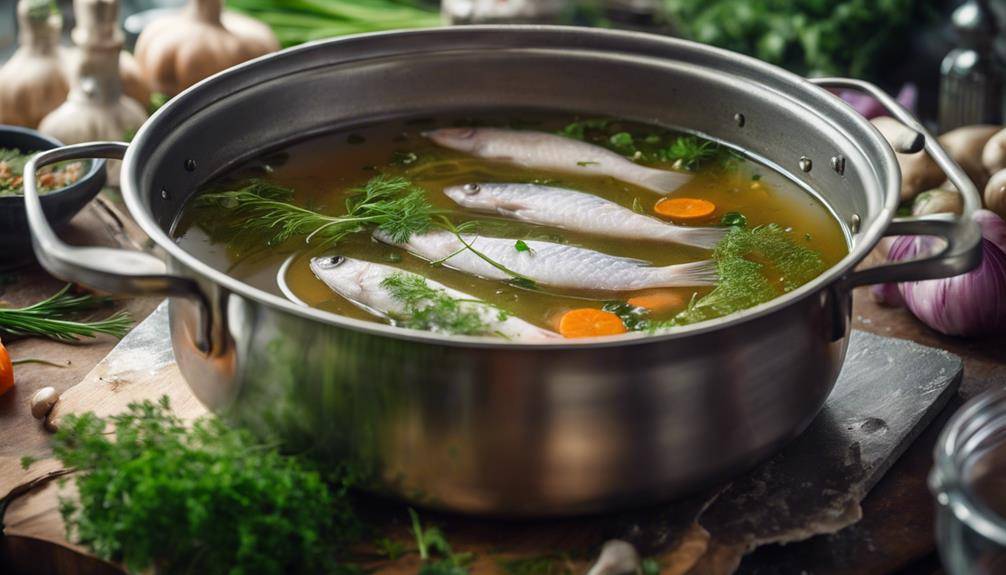
What Is The Poaching Cooking Method: Poaching is a gentle cooking method where you submerge delicate foods in simmering liquid. It's perfect for fish, eggs, and even some vegetables, allowing them to cook without toughening. By using seasoned liquids like broth or wine, you enhance flavors while preserving the natural taste of the ingredients. This method also promotes healthier cooking since it requires no added fats and keeps nutrients intact. Just maintain a steady temperature between 160°F to 180°F for best results. Experimenting with different poaching liquids can elevate your dishes even further, and there's much more to discover about this versatile technique.
Click Here and Turn Every Masterpiece into a Showstopper!
Definition of Poaching
Poaching is a gentle cooking method where food is submerged in a simmering liquid, usually water, broth, or wine. This technique allows you to cook delicate ingredients, like fish and eggs, without the risk of toughening them or losing moisture. You'll find that poaching techniques can vary, but the key is to maintain a low temperature, ensuring the liquid barely bubbles.
Many people have misconceptions about poaching, often believing it's only suitable for a limited range of ingredients. In reality, you can poach a wide variety of foods, including fruits, meats, and vegetables. Some might think poaching lacks flavor, but that's just one of the poaching myths you should leave behind. By using seasoned liquids, you infuse your food with rich flavors while preserving its natural taste.
When you master poaching, you'll appreciate how it retains nutrients and texture. It's particularly effective for lean proteins, as the cooking method helps keep them tender and moist. You might also discover that poaching is an ideal option for meal prep, allowing you to cook in bulk while avoiding excess fats.
History of Poaching
You might be surprised to learn that poaching has roots that trace back centuries, originating as a practical method for cooking delicate ingredients. Over time, this technique has evolved, showing up in various culinary traditions around the world. Understanding its history can give you a deeper appreciation for how poaching has shaped modern cooking.
Origins of Poaching Technique
Dating back to ancient civilizations, the technique of poaching has evolved considerably over centuries. Originally, poaching was a practical cooking method, allowing people to prepare food gently without the need for complex tools or equipment. You might find it interesting that various cultures have embraced poaching, each adding their own regional variations. For instance, in Asian cuisine, poaching often involves flavorful broths infused with herbs and spices, while in European traditions, delicate sauces might accompany poached dishes.
The cultural significance of poaching lies in its ability to highlight the natural flavors of ingredients, making it a favorite among chefs who value simplicity and purity in their cooking. As you explore different cuisines, you'll notice that poaching is often used for eggs, fish, and poultry, showcasing how this method adapts to local ingredients and tastes. Each region's approach to poaching not only reflects its culinary practices but also its history and traditions. So, the next time you enjoy a perfectly poached dish, remember that you're partaking in a rich history that spans cultures and centuries, celebrating the art of cooking with water.
Evolution Through Culinary History
As culinary techniques developed over time, poaching adapted to meet the changing tastes and technologies of different eras. In the Middle Ages, poaching emerged as a practical way to prepare food, especially fish and poultry, reflecting the culinary traditions of the time. The method allowed for gentle cooking, preserving delicate flavors while also making meals accessible to various social classes.
During the Renaissance, poaching gained prominence in aristocratic kitchens, influenced by historical trends that emphasized refinement in cooking. Chefs began to utilize flavored liquids, enhancing the method's appeal. As globalization unfolded, poaching incorporated spices and ingredients from distant lands, showcasing a fusion of culinary traditions.
In the 19th century, with the advent of industrialization, home cooks embraced poaching for its simplicity and health benefits. This method aligned with the growing interest in lighter, more nutritious meals.
Today, poaching remains a beloved technique, influenced by both historical traditions and modern culinary innovations. You'll find poached dishes on menus worldwide, reflecting a rich tapestry of flavors and practices that have evolved over centuries. Embracing poaching allows you to connect with this culinary history while creating delicious, health-conscious meals.
Types of Poaching Liquids
When it comes to poaching, the choice of liquid plays an essential role in flavor and texture. Each type of poaching liquid can transform your dish in unique ways. For instance, wine poaching not only cooks your ingredients gently but also infuses them with a rich, aromatic depth. You might choose white wine for fish or red wine for meats, creating a luxurious experience.
On the sweeter side, fruit poaching is a delightful method for desserts. You can poach fruits like pears or apples in a syrup made from sugar, water, and spices. This technique enhances the natural sweetness while keeping the fruits tender and juicy.
Broth poaching is ideal for savory dishes. Using a well-seasoned broth allows you to maintain the integrity of your proteins while adding layers of flavor. It's perfect for chicken or fish, making them succulent and full of taste.
If you're feeling adventurous, tea poaching can add an unexpected twist. Utilizing flavored teas, such as green tea or chai, offers a unique aromatic quality to your dish, enhancing both flavor and presentation.
Vinegar poaching can bring a tangy brightness to your meal. By using diluted vinegar or flavored vinegar, you can create a zesty finish that balances richness, particularly in richer proteins.
Lastly, milk poaching is a gentle way to cook delicate items like eggs or fish, infusing them with a creamy texture and subtle flavor. Each poaching liquid opens up a world of culinary possibilities—so experiment and find what works best for you!
Suitable Foods for Poaching
Choosing the right foods for poaching is just as important as selecting the poaching liquid. When you think about poaching, seafood often comes to mind. Delicate fish like salmon, cod, or trout are ideal candidates. Their tender texture absorbs the flavors of the poaching liquid beautifully, resulting in a dish that's both moist and flavorful. You can also consider shellfish, such as shrimp or scallops; they cook quickly and become succulent when poached gently.
Another classic food you can poach is eggs. Poaching eggs is a simple yet impressive technique that results in perfectly runny yolks and tender whites. You'll want to use fresh eggs for the best results, as they hold their shape better during cooking. The process of poaching eggs can elevate your breakfast or brunch dishes, making them feel special.
Vegetables like asparagus, carrots, and potatoes can also be poached. This method helps maintain their vibrant colors and nutrients while infusing them with the flavors of the poaching liquid. For instance, poaching asparagus in vegetable broth can enhance its natural taste, making it a delightful side dish.
Benefits of Poaching
When you choose poaching, you're opting for a healthier cooking method that preserves nutrients without added fats. This technique also enhances the natural flavors of your ingredients, making your dishes taste even better. So, let's explore how poaching can elevate your cooking experience!
Healthier Cooking Option
Poaching offers a delightful way to prepare food while retaining essential nutrients and flavors. This method is particularly advantageous for those looking to embrace a healthier cooking option. By cooking food in simmering water or broth, you not only reduce the need for added oils or fats but also guarantee a low-fat cooking experience. As a result, you can enjoy your meals without the guilt that often accompanies richer cooking techniques.
The nutritional benefits of poaching are significant. When you poach proteins like fish or chicken, you preserve their natural flavors and healthful properties. This method minimizes nutrient loss, allowing your food to maintain its vitamins and minerals. Additionally, poaching can enhance the overall texture of ingredients, making them tender and easy to digest.
If you're aiming for a balanced diet, incorporating poached dishes can be an excellent strategy. You'll find that poached vegetables, eggs, and proteins can add variety and nourishment to your meals. So, next time you're in the kitchen, consider poaching as your go-to method for a healthier, flavorful dining experience.
Enhanced Flavor Retention
One of the standout advantages of poaching is its ability to enhance flavor retention in your dishes. When you poach ingredients, they gently absorb the surrounding flavors, leading to greater flavor concentration. This method allows the natural tastes of the main ingredient to shine, while also incorporating subtle notes from the poaching liquid.
You'll notice that when you use aromatics like herbs and spices in your poaching liquid, ingredient synergy comes into play. The interplay between the ingredients creates a more complex flavor profile, elevating your dish without overwhelming the primary component. This balance is key; poaching emphasizes the essence of each ingredient, allowing their unique characteristics to come through.
Another benefit is that you can easily adjust the poaching liquid to suit your taste preferences. Whether you're using broth, wine, or a vinegar solution, you can experiment with different combinations to see what works best for you. The gentle cooking process also helps to maintain the moisture of the ingredients, preventing them from drying out and losing their delicious flavors. Ultimately, poaching offers a straightforward way to create dishes that are both flavorful and satisfying.
Basic Poaching Techniques
To master basic poaching techniques, you'll want to start with the right ingredients and equipment. Choose fresh, high-quality items, whether you're poaching eggs, fish, or poultry. The poaching liquid can be water, broth, or even wine, depending on the flavor profile you're aiming for. Guarantee you have a deep skillet or a saucepan with a lid to maintain even heat and prevent evaporation.
Temperature control is key when poaching. You'll want to keep the poaching liquid at a gentle simmer rather than a rolling boil. This means your liquid should be between 160°F and 180°F (71°C to 82°C). Keeping a close eye on the temperature prevents the food from becoming tough or overcooked. A thermometer can help, but you can also rely on the appearance of small bubbles forming at the surface.
Food safety is another significant aspect. Make sure to check that the food reaches a safe internal temperature. For instance, poultry should hit at least 165°F (74°C) to be safe for consumption. When poaching, it's also essential to avoid cross-contamination, so use separate cutting boards and utensils for raw and cooked foods.
Temperature Guidelines
When it comes to poaching, maintaining the right temperature is crucial for achieving perfectly cooked food. Poaching temperatures typically range from 160°F to 180°F (71°C to 82°C). This gentle heat allows food to cook evenly while keeping it moist and tender. Cooking at these temperatures helps prevent the food from becoming tough or rubbery, which can happen if you use too much heat.
To get started, you'll want to heat your poaching liquid gradually. Begin by warming it over medium heat, allowing it to reach the ideal heat before adding your ingredients. You can tell your liquid is ready when you see small bubbles forming on the bottom of the pot, but it should never come to a rolling boil. If you notice the bubbles becoming more vigorous, lower the heat immediately to maintain a gentle simmer.
Different foods may require slightly different poaching temperatures. For delicate items like fish or eggs, stick to the lower end of the temperature range. For heartier proteins like chicken, you might aim a bit higher but still remain within the recommended range.
Using a thermometer can help confirm you're on target. Remember, patience is key when poaching. Rushing the process can lead to uneven cooking or a less-than-ideal texture. So, keep an eye on those poaching temperatures, and you'll enjoy beautifully cooked dishes every time!
Click Here and Turn Every Masterpiece into a Showstopper!
Flavoring Your Poaching Liquid
When you're poaching, the flavor of your liquid can make all the difference. Adding herbs and spices, along with a touch of acidic ingredients, can elevate your dish to a whole new level. Let's explore how to enhance your poaching liquid for maximum flavor impact.
Herbs and Spices
Herbs and spices often play an essential role in elevating the flavor of your poaching liquid. By carefully selecting herb combinations, you can create a base that complements the ingredients you're poaching. Popular choices include thyme, dill, parsley, and bay leaves, which infuse the liquid with aromatic notes that enhance the dish's overall taste.
To achieve a balanced flavor profile, consider how the herbs interact with each other. For instance, mixing fresh basil with oregano can add depth to a tomato-based poaching liquid, while a combination of rosemary and lemon zest can brighten up fish dishes.
Don't forget about the importance of spice infusion. Adding whole spices like peppercorns, cloves, or star anise can introduce warmth and complexity to your poaching liquid. Just remember to strain them out before serving, as their intensity can overpower delicate flavors if left in the dish.
Experimenting with different herbs and spices allows you to personalize your poaching technique. With the right flavoring, you can transform a simple poaching liquid into an unforgettable part of your culinary creation.
Acidic Ingredients Usage
Adding acidic ingredients to your poaching liquid can greatly enhance the flavors of the dish. These ingredients, such as citrus juices, vinegars, or wine, can brighten the overall taste and create a more complex flavor profile. When you incorporate acidic marinades, you're not just seasoning; you're elevating the dish to a whole new level.
Acidity plays an essential role in achieving a flavor balance. It cuts through richness, making proteins like fish or chicken taste lighter and more invigorating. For example, poaching salmon in a mix of white wine and lemon juice can introduce a delightful tang that complements the fish's natural flavors.
You can also experiment with different types of acids to see what works best with your ingredients. A splash of balsamic vinegar can add depth to poached pears, while apple cider vinegar can enhance the sweetness of poached apples.
Poaching Equipment Needed
To get started with poaching, you'll need a few essential pieces of equipment that make the process smooth and efficient. First and foremost, a good poaching container is key. This can be a wide, shallow saucepan or a specialized poaching pan. The shape allows the liquid to circulate evenly around your ingredients, ensuring consistent cooking.
Next, you'll want a reliable thermometer. Maintaining the right temperature is vital in poaching, typically between 160°F to 180°F. A digital thermometer helps you monitor this accurately, preventing overcooking. Additionally, a slotted spoon or fish spatula is a must-have poaching tool. It lets you easily lift delicate foods like eggs or fish out of the liquid without damaging them.
If you're looking to infuse flavors, consider a fine mesh strainer. This tool is handy for filtering out herbs or spices after poaching, leaving you with a clear broth or sauce. You might also want to have a large bowl filled with ice water nearby. This is especially useful when poaching eggs; it allows you to stop the cooking process quickly.
Lastly, don't forget about the liquid itself! Stockpots can be great for larger volumes if you're poaching multiple servings. Having these poaching tools and containers on hand will set you up for success. With the right equipment, poaching becomes a simple and enjoyable cooking method that yields delicious results.
Common Mistakes to Avoid
Many cooks overlook essential details when poaching, which can lead to less-than-ideal results. One of the most common poaching errors is using water that's too hot. If the liquid's boiling, you won't achieve that gentle cooking process poaching requires. Instead, aim for a simmer with small bubbles gently rising to the surface.
Another mistake is not seasoning the poaching liquid. Many people assume the flavors will magically transfer to the food. In reality, under-seasoned poaching liquid can result in bland results. Use herbs, spices, and aromatics to enhance the flavor of the poaching liquid before you start.
Don't forget about the size of the food you're poaching, either. Poaching large cuts of meat or oversized vegetables can lead to uneven cooking. Cut your ingredients into uniform sizes to guarantee they cook at the same rate.
A common poaching misconception is that you can use any liquid for poaching. While water is popular, consider using broth, wine, or even coconut milk for added depth of flavor. Finally, avoid overcrowding the pot. If you cram too much in, the temperature will drop, leading to uneven cooking.
Poaching Vs. Other Cooking Methods
Understanding the differences between poaching and other cooking methods can help you decide when to use this gentle technique. Poaching involves cooking food in simmering liquid, typically water, broth, or wine, at a low temperature. This method contrasts sharply with techniques like boiling, frying, or roasting, which expose food to higher heat. When you poach, you preserve moisture and enhance flavors without the risk of overcooking, making it ideal for delicate proteins like fish, eggs, and poultry.
One of the key poaching benefits is that it allows you to create tender, juicy dishes while retaining essential nutrients. In contrast, frying can lead to loss of nutrients and additional fats. However, some people hold poaching misconceptions, believing it lacks flavor or texture. In reality, poaching can be a flavorful cooking method, especially when you infuse the poaching liquid with herbs, spices, or aromatics.
Compared to grilling, which can dry out proteins, poaching maintains moisture levels, ensuring a succulent result. Likewise, while braising involves cooking food slowly in a small amount of liquid, poaching typically requires less time and allows for more gentle heat.
Ultimately, understanding these distinctions can empower you to choose the right cooking method for your ingredients and desired outcome. If you aim for healthy, flavorful meals without the fuss, poaching is definitely worth considering.
Recipe Ideas for Poaching
Poaching opens up a world of culinary possibilities, allowing you to create delicious and healthy dishes with minimal effort. You can experiment with various poaching techniques and variations to enhance your meals. Start with classic poached eggs, which make a perfect topping for avocado toast or salads. Simply simmer water with a splash of vinegar, then gently crack your eggs into the water for a perfectly runny yolk.
If you're in the mood for something heartier, try poaching chicken breasts in a flavorful broth. Add herbs, garlic, and vegetables to the water for an aromatic touch. Once cooked, shred the chicken for salads, wraps, or tacos. For seafood lovers, poached salmon can be a game changer. Use white wine, lemon, and dill in the poaching liquid for a light, invigorating dish.
Don't forget about fruits! Poached pears or apples can serve as a delightful dessert. Simmer them in a mixture of water, sugar, and spices like cinnamon or vanilla. Serve them warm or chilled, drizzled with yogurt or cream for an elegant finish.
For a unique twist, explore poaching variations like using coconut milk for a tropical flair. This works wonderfully with fish or shrimp, creating a rich and creamy dish. With these recipe ideas, you'll find that poaching isn't just a cooking method; it's a way to elevate your everyday meals with flavor and nutrition. Immerse yourself in the art of poaching and discover new favorites!
Tips for Perfect Poaching
Achieving perfect poached dishes requires a few key techniques to guarantee your ingredients cook evenly and retain their delicate flavors. Start by using fresh, high-quality ingredients; this makes a noticeable difference in taste. When it comes to poaching liquid, don't just rely on water. Consider using broth, wine, or even a mix of water with herbs and spices to enhance the flavors of your dish.
Temperature control is essential in poaching. Aim for a gentle simmer, usually around 160-180°F (70-82°C). If the water's boiling, you're likely to end up with tough, rubbery results. Use a thermometer to help you maintain the right temperature. Also, avoid overcrowding the pot; cook in batches if necessary to guarantee even cooking.
Many poaching myths suggest that you should add vinegar or salt to the poaching liquid. While a touch of vinegar can help with egg poaching, it's not necessary for all ingredients. Salt can actually draw moisture out, leading to drier results, so use it sparingly.
Lastly, timing is everything. Keep an eye on your ingredients, as different foods require different cooking times. For instance, fish might only need a few minutes, while chicken could take longer. Test for doneness with a fork or thermometer to guarantee perfect results. By applying these poaching techniques, you'll dispel the myths surrounding this gentle cooking method and elevate your culinary skills.
Click Here and Turn Every Masterpiece into a Showstopper!
Frequently Asked Questions: What Is The Poaching Cooking Method
Can Poaching Be Used for Desserts?
Absolutely, you can use poaching for desserts! Fruit poaching creates tender, flavorful treats. Think poached pears or poached apples, which can elevate your dishes and impress your guests with their delicious, delicate textures.
What Is the Best Poaching Time for Eggs?
For the best poaching time for eggs, aim for about 3 to 4 minutes at an ideal poaching temperature of 180°F. Mastering egg poaching techniques helps achieve that perfect runny yolk every time!
Is Poaching Healthier Than Frying?
When comparing poaching and frying, you'll find poaching often offers more health benefits. This cooking technique preserves nutrients without added fats, making it a healthier choice for meals, especially when trying to maintain a balanced diet.
Can I Reuse Poaching Liquid?
Yes, you can reuse poaching liquid! It retains flavors and nutrients, enhancing future dishes. Just strain and store it properly. Embrace the poaching benefits and refine your poaching techniques for more delicious meals!
What Equipment Is Essential for Poaching?
For successful poaching, you'll need a deep saucepan or skillet, a thermometer for precise temperature control, and a slotted spoon for easy removal. Utilize poaching techniques and poaching tips to enhance your culinary skills.

Conclusion
To sum up, poaching is a gentle cooking method that brings out the best flavors in your ingredients. Whether you're working with fish, poultry, or fruits, using the right liquid and temperature can elevate your dishes. By avoiding common mistakes and experimenting with different recipes, you can master this technique and enjoy its many benefits. So, grab your favorite ingredients, try poaching, and savor the delicious results that come from this simple yet effective cooking method!