Poaching Versus Boiling For Health
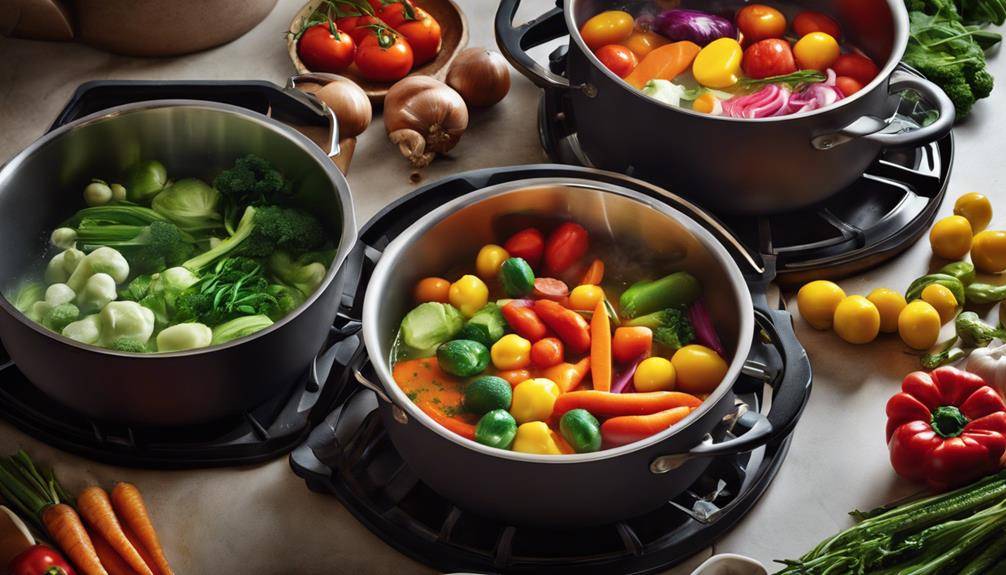
Poaching Versus Boiling For Health: When considering poaching versus boiling for health, you'll find that poaching is often the better choice. It cooks food gently in simmering liquid, retaining more essential nutrients and enhancing flavor. This method is particularly ideal for delicate proteins like fish and eggs, which benefit from lower cooking temperatures. On the other hand, boiling can lead to nutrient loss, especially with water-soluble vitamins, while quickly softening tough ingredients. Each method has its benefits, but for a healthier meal, poaching usually wins. Keep exploring to uncover more tips on maximizing your cooking methods!
Click Here and Turn Every Masterpiece into a Showstopper!
Overview of Cooking Methods
When it comes to cooking methods, two popular techniques stand out: poaching and boiling. Both methods have their unique advantages, and understanding them can help you decide which one to use for your next meal.
Poaching involves gently cooking food in a simmering liquid, usually water, broth, or wine. This method allows the food to absorb the flavors from the liquid, enhancing its natural taste without overwhelming it. You'll often find poaching used for delicate proteins like fish or eggs, where maintaining a tender texture is vital. The low temperature preserves the food's moisture and helps retain essential nutrients, making poached dishes flavorful and light.
On the other hand, boiling is a more vigorous cooking method where food cooks rapidly in bubbling water or broth. This technique is often used to prepare vegetables, pasta, and grains. While boiling can quickly cook food, it may lead to a loss of flavor and nutrients, especially if you overcook it. The high temperature can break down delicate textures, resulting in mushy vegetables or pasta.
Both cooking methods can produce delicious results, but they cater to different flavor profiles and textures. If you're aiming for a light, subtle dish, poaching is your go-to. If you want a hearty, robust meal, boiling might be the better choice. Ultimately, choosing between poaching and boiling will depend on your desired outcome and the ingredients you're working with.
Nutritional Impact of Poaching
Poaching not only enhances flavors but also positively impacts the nutritional quality of your meals. One of the significant poaching benefits is the retention of essential nutrients. Unlike boiling, where nutrients can leach into the water, poaching allows food to cook gently in a flavorful liquid, keeping those crucial poaching nutrients intact.
When you use proper poaching techniques, you can create delicious dishes without sacrificing health. The ideal poaching temperature typically ranges between 160°F to 180°F, ensuring that proteins cook evenly without losing moisture. This gentle cooking method helps maintain the integrity of your ingredients, making poaching recipes rich in texture and taste.
One of the key poaching advantages is its versatility. You can poach a variety of foods, from fish to fruits, each benefiting from unique poaching flavors. For instance, infusing the poaching liquid with herbs or spices can enhance the dish without adding extra calories.
If you're looking for effective poaching tips, consider using a covered pan to trap steam, which helps cook food evenly. Some popular poaching methods include poaching in broth, wine, or even coconut milk, which can elevate your dish's flavor profile.
With a bit of poaching history, you'll find that this cooking method dates back centuries, proving its effectiveness in preserving nutrients and taste. So, the next time you're in the kitchen, remember that poaching can be a healthy, flavorful option for your meals.
Nutritional Impact of Boiling
Boiling is a common cooking method, but it often comes with drawbacks regarding nutritional quality. While you might appreciate the boiling benefits, such as its cooking versatility and ability to prepare a variety of foods quickly, you should be aware of its impact on nutrient availability. When you boil vegetables, for instance, water absorption can lead to a significant loss of water-soluble vitamins like vitamin C and some B vitamins.
The boiling drawbacks become evident when you consider that many nutrients leach into the cooking water, which you might discard, further decreasing your meal's nutritional value. On the other hand, boiling can enhance the texture contrast of certain foods, making them more palatable. The softening of tough ingredients can make them easier to digest, which has its own health implications.
Moreover, boiling allows for some level of flavor extraction, especially when cooking meats and legumes. However, if you're not careful, you might end up with bland dishes. So, while boiling is convenient, you should be cautious about cooking times and temperatures to minimize nutrient loss.
To maximize the nutritional impact of boiling, consider using the cooking water in soups or sauces to retain some of the nutrients. Balancing boiling with other cooking methods, like steaming or poaching, can also help you maintain a diverse and nutritious diet. Ultimately, understanding both the benefits and drawbacks of boiling will help you make informed choices in the kitchen.
Flavor Preservation Techniques
Cooking methods not only affect nutritional content but also play a significant role in flavor retention. When you poach or boil food, you need to take into account how these methods impact the flavors you want to highlight. Poaching, for instance, allows for gentle flavor extraction. The lower temperatures help preserve delicate notes in ingredients, making them shine through without being overwhelmed by the cooking process.
On the other hand, boiling can lead to a more diluted taste, especially if you're not careful with your seasoning balance. If you boil food, it's crucial to add salt or spices at the right moment. Otherwise, you risk losing those flavors as they leach into the cooking water. To maintain a well-rounded taste, think about using the broth or water in which you boiled your food as a base for sauces or soups. This technique allows you to retain some of the extracted flavors while enhancing your dish.
While both methods have their merits, poaching often provides a more nuanced flavor profile, allowing you to enjoy the natural essence of each ingredient. To achieve the best results, reflect on how each technique can enhance or detract from your dish. By being mindful of flavor extraction and maintaining a proper seasoning balance, you can elevate your cooking and guarantee that each bite is satisfying.
Cooking Temperatures Explained
Understanding cooking temperatures is vital for achieving ideal results in your culinary endeavors. Different cooking methods, like poaching and boiling, require specific temperatures to maximize flavor and nutrition. Poaching, which typically occurs at a gentle simmer between 160°F to 180°F (71°C to 82°C), offers several benefits. It allows proteins, like fish and eggs, to cook evenly without losing moisture or texture. This method also preserves delicate flavors and nutrients, ensuring your dish remains vibrant and healthy.
On the other hand, boiling often reaches temperatures around 212°F (100°C). While boiling might seem like a straightforward cooking method, it has its drawbacks. The high temperature can lead to nutrient loss, particularly in vegetables, as vitamins may degrade or leach into the water. Additionally, boiling can toughen proteins, making them chewy and less enjoyable to eat. The rapid movement of boiling water can also cause delicate foods to break apart, compromising their presentation and texture.
To optimize your cooking, it's imperative to choose the right method based on the ingredients and desired outcome. If you want to maintain the integrity and health benefits of your food, poaching is often the superior choice. However, if you're aiming for a quick cook or need to prepare larger quantities, understanding the temperature dynamics of boiling can still be useful. By mastering cooking temperatures, you'll enhance your dishes and delight your guests with perfectly prepared meals.
Cooking Time Comparisons
When you're deciding between poaching and boiling, cooking time efficiency plays a key role. You'll want to contemplate how each method impacts nutrient retention as well. Understanding these differences can help you make healthier choices in the kitchen.
Cooking Time Efficiency
Choosing the right cooking method can significantly impact your meal preparation time. When you're in the kitchen, efficiency is key, especially if you're juggling a busy schedule. Poaching and boiling are two common techniques, but they differ in how quickly you can get your meals ready.
Boiling tends to be faster for cooking certain foods, like pasta or vegetables. You can drop them into boiling water and let them cook quickly. It's a straightforward approach, and you can even multitask by prepping other ingredients while they boil. On the other hand, poaching requires a gentler touch and often takes a bit longer. Foods cooked via poaching need to be submerged in simmering water, yielding a softer texture but extending your meal prep time.
If you're looking for time-saving techniques, boiling might be your go-to method for quick meals. However, if you're aiming for tenderness and flavor, you might opt for poaching, even if it takes a few extra minutes. Ultimately, choosing between these methods depends on your meal prep goals and how much time you have to spare in your kitchen.
Nutrient Retention Analysis
Nutrient retention is essential in determining the healthiest cooking method for your meals. When you compare poaching and boiling, it's important to evaluate how each method impacts nutrient bioavailability. Poaching typically involves cooking food in a gentle simmer, which helps preserve vitamins and minerals better than boiling. The lower temperature and shorter cooking time reduce the leaching of nutrients into the cooking water.
On the other hand, boiling can lead to significant nutrient loss, especially with water-soluble vitamins like B and C. The cooking medium effects also come into play; boiling often requires more water, which means more nutrients can dissolve and be discarded.
Click Here and Turn Every Masterpiece into a Showstopper!
Ideal Foods for Poaching
Poaching is a gentle cooking method that works wonders with a variety of foods. This technique involves simmering food in a flavorful liquid, making it perfect for delicate ingredients that benefit from a moist cooking environment. So, what are the ideal ingredients for poaching?
First, consider proteins like fish and poultry. Fish, especially flaky varieties like cod or salmon, thrives in poaching. It cooks evenly and absorbs the liquid's flavors without becoming dry. Chicken breasts are another excellent option; poaching keeps them tender and juicy. For a heartier meal, you might also try poaching lean cuts of pork or even shellfish, such as shrimp or scallops.
Vegetables can also shine through poaching techniques. Tender veggies like asparagus, carrots, and peas absorb flavors beautifully while maintaining their vibrant colors and textures. To enhance the dish, add herbs, spices, or citrus to your poaching liquid.
Eggs are another fantastic choice. Poached eggs can elevate a simple salad or breakfast dish, providing a rich, creamy texture without the added fats of frying.
Lastly, fruits, particularly pears and apples, can be poached in sweetened liquids to create a delicious dessert. The gentle heat guarantees they soften while retaining their shape and flavor.
Ideal Foods for Boiling
When it comes to boiling, a range of foods truly shines in this cooking method. You'll find that certain vegetables and proteins benefit greatly from boiling, enhancing their flavors and textures.
For vegetable selection, consider hearty options like potatoes, carrots, and green beans. These vegetables hold up well in boiling water, allowing you to enjoy their natural sweetness while ensuring they cook evenly. The boiling process softens these vegetables, bringing out their vibrant colors and making them more palatable. However, be mindful of the cooking time; overcooking can lead to mushy textures, which you definitely want to avoid.
If you're looking to include proteins, think about boiled eggs, chicken breasts, or even seafood like shrimp. Boiling eggs is a straightforward way to achieve that perfect hard or soft center, while chicken breasts retain moisture and tenderness when boiled properly. The texture differences between boiling and other cooking methods are especially noticeable with these proteins. Boiling allows them to cook through without drying out, resulting in a juicy, flavorful dish.
Health Benefits of Each Method
When choosing between poaching and boiling, you'll want to contemplate how each method affects nutrient retention. Poaching tends to preserve more vitamins and minerals, while boiling can sometimes enhance flavors through seasoning. Additionally, you'll find that cooking times can vary greatly between the two techniques, impacting your meal prep efficiency.
Nutrient Retention Comparison
Many people wonder about the best cooking methods for preserving nutrients in their food. When comparing poaching and boiling, it's crucial to evaluate how each method affects nutrient retention. Poaching involves cooking food at a lower temperature, typically around 160°F to 180°F, which helps maintain more vitamins and minerals compared to boiling. The gentler cooking process minimizes nutrient loss, allowing for better nutrient absorption in your meals.
On the other hand, boiling typically requires higher cooking temperatures, often reaching 212°F. While boiling can effectively cook food, it can lead to significant nutrient loss, especially for water-soluble vitamins like B and C. When food is submerged in boiling water, nutrients can leach into the water, which you may discard afterward.
Flavor Enhancement Techniques
Cooking methods not only influence nutrient retention but also play a significant role in flavor enhancement. When you choose poaching, you can achieve a delicate spice infusion, allowing the natural flavors of your ingredients to shine. This method often promotes herb enhancement, where fresh herbs release their aromas without overpowering the dish.
On the other hand, boiling can be an excellent way for acidity balance. By using acidic ingredients like vinegar or lemon, you can brighten flavors while facilitating fat reduction. Additionally, both methods can benefit from effective seasoning techniques, ensuring each bite is well-rounded.
Texture modification is vital in either method; poaching yields tender proteins, while boiling can create a hearty, satisfying mouthfeel. You can also explore umami boost by adding ingredients like mushrooms or tomatoes, enhancing the savory notes of your dish.
Aroma layering is essential in both cooking styles. You might consider sweetness adjustment with a touch of honey or maple syrup, which can elevate the overall flavor profile. Finally, color enhancement through vibrant vegetables not only makes your meal visually appealing but also increases its health benefits.
Cooking Time Efficiency
Maximizing cooking time efficiency can greatly impact the health benefits of your meals. When you think about poaching versus boiling, consider how each method affects cooking time and nutrient retention. Poaching typically requires less time than boiling, allowing you to preserve more vitamins and minerals in your food. This gentle cooking method helps maintain the integrity of delicate proteins, which can lead to healthier meals.
On the other hand, boiling can sometimes lead to longer cooking times, which may cause nutrient loss, especially in vegetables. If you're focused on time management in the kitchen, poaching often emerges as the quicker, healthier option. By reducing cooking time, you not only save energy but also enhance the overall nutritional profile of your meals.
When planning your meals, think about how cooking time affects not just the taste but the health benefits too. By choosing poaching, you can whip up a nutritious dish in a fraction of the time it takes to boil ingredients. In the end, efficient cooking times can lead to healthier meals, making poaching a smart choice for anyone looking to optimize their cooking habits.
Environmental Considerations
When you choose between poaching and boiling, it's essential to evaluate the environmental impact of each method. Both techniques can play a role in promoting sustainable practices, but their ecological implications can differ markedly. Poaching generally uses less water and energy compared to boiling, making it a more resource-efficient option. By conserving water, you contribute to better resource management, which is critical in today's climate.
However, the impact on wildlife conservation should also be considered. If you're poaching fish or other marine life, you need to guarantee that you're sourcing from sustainable fisheries. Unsustainable fishing can lead to the depletion of fish populations, disrupting local ecosystems. On the other hand, boiling often involves cooking vegetables or grains, which can have a lower ecological impact, provided that the ingredients are sourced responsibly.
Furthermore, consider the energy source you'll use for either method. If you're boiling or poaching with electricity generated from fossil fuels, the overall ecological footprint can increase. Opting for renewable energy sources can make both cooking methods more environmentally friendly.
Ultimately, your choice should reflect a balance between health, sustainability, and ecological responsibility. By being mindful of the environmental considerations associated with poaching and boiling, you can make decisions that support wildlife conservation while enjoying delicious, healthful meals. Prioritizing sustainable practices in your cooking not only benefits your health but also protects the planet for future generations.
Tips for Effective Cooking
When you cook, choosing the right technique can make a big difference in both health and flavor. You'll want to explore how poaching and boiling stack up with regard to nutrient retention and taste enhancement. By understanding these strategies, you can elevate your meals while keeping them nutritious.
Cooking Techniques Comparison
How do you choose the best cooking technique for your meal? It often comes down to your cooking preferences and dietary considerations. If you're aiming for a healthier option, poaching is usually your best bet. This method uses lower temperatures and doesn't require added fats, making it ideal for lean proteins and delicate vegetables. On the other hand, boiling can strip away some of the flavors and nutrients, especially if you overdo it.
When selecting between poaching and boiling, think about the dish you're preparing. Poaching works wonders for eggs, fish, and even fruits, preserving their natural essence. If you're cooking pasta or hearty vegetables, boiling might be more suitable, as it allows for even cooking and can help soften tougher ingredients.
Another factor is time. Poaching can take longer than boiling, so consider your schedule. Ultimately, the right technique depends on your personal taste and health goals. Remember, experimenting with different methods can lead to delicious discoveries in your kitchen. Don't hesitate to adjust techniques based on what suits your meal best!
Nutrient Retention Strategies
Maximizing nutrient retention while cooking can make a significant difference in the health benefits of your meals. To start, choose appropriate cooking mediums that preserve vitamins and antioxidants. Steaming or poaching is often better than boiling, as it minimizes nutrient loss. When selecting cooking utensils, opt for those that conduct heat evenly, ensuring better temperature control and promoting enzyme activity, which aids in the digestion process.
Food pairing is another essential strategy. Combining foods rich in vitamin C with iron sources can enhance nutrient absorption. Meal prepping can also help you maintain vitamin stability; by preparing meals ahead of time, you reduce exposure to heat and light, which can degrade nutrients.
Be mindful of cooking times, as overcooking can lead to the loss of flavor compounds and nutrients. For instance, quickly blanching vegetables helps preserve their vibrant colors and essential nutrients. Finally, consider using minimal water and covering your pots to trap steam when cooking, reducing the need for excess moisture that can leach out nutrients. By incorporating these strategies, you'll not only boost the nutrient content of your meals but also enjoy better health outcomes.
Flavor Enhancement Methods
Elevating the flavor of your dishes can turn a simple meal into an extraordinary culinary experience. To achieve this, focus on spice infusion and herb pairing. Start by selecting spices that complement your main ingredients, ensuring a harmonious seasoning balance. Experiment with flavor layering; add spices at different stages of cooking to build depth.
Temperature control is essential. Cooking your ingredients at the right temperature can enhance their natural flavors and contribute to texture contrast. For example, searing proteins creates a crispy exterior while keeping the inside moist.
Don't overlook aroma enhancement—using aromatic herbs like rosemary or thyme can elevate the fragrance of your dishes. Ingredient synergy is key; combine flavors that work well together, like citrus with seafood or garlic with vegetables, to create a more complex taste profile.
Lastly, presentation techniques can make a significant difference. Arrange your dish thoughtfully, using vibrant colors and varied textures to entice the eye and stimulate the palate. By integrating these flavor enhancement methods, you'll transform your cooking and delight your diners with every bite.
Click Here and Turn Every Masterpiece into a Showstopper!
Frequently Asked Questions: Poaching Versus Boiling For Health
Does Poaching Require Special Equipment or Tools?
You don't need special equipment for poaching, but using effective poaching techniques can enhance results. Basic kitchen gadgets like a pot, thermometer, and slotted spoon are all you really need to get started.
Can Boiling Alter the Texture of Certain Foods?
Yes, boiling can definitely alter the texture of certain foods. For instance, vegetables may become mushy, while pasta softens. You'll notice these texture changes depending on the food types and how long you boil them.
Are There Any Cultural Preferences for Poaching Versus Boiling?
You'll find that cultural significance plays a big role in choosing poaching or boiling. Many regional dishes highlight these methods, showcasing unique flavors and techniques that reflect local traditions and preferences in cooking styles.
How Do These Methods Affect Food Safety?
These cooking methods greatly impact food safety. Poaching often reduces foodborne pathogens more effectively, while boiling can enhance nutrient retention. You'll want to choose the method that best balances safety and nutritional value for your meals.
Is One Method More Energy-Efficient Than the Other?
When comparing energy consumption, poaching typically uses less water and heat, making it more energy-efficient. This method also reduces environmental impact, as it requires shorter cooking times and less energy overall, benefiting both you and the planet.

Conclusion
To sum up, both poaching and boiling have their unique benefits when it comes to cooking. Poaching often preserves flavors and nutrients better, while boiling can be a quick and efficient method for certain foods. By understanding the nutritional impacts and ideal uses for each technique, you can make informed choices that suit your health goals. Experiment with both methods to find what works best for your taste and lifestyle, and enjoy the delicious results!