Healthy Cooking Techniques Like Poaching
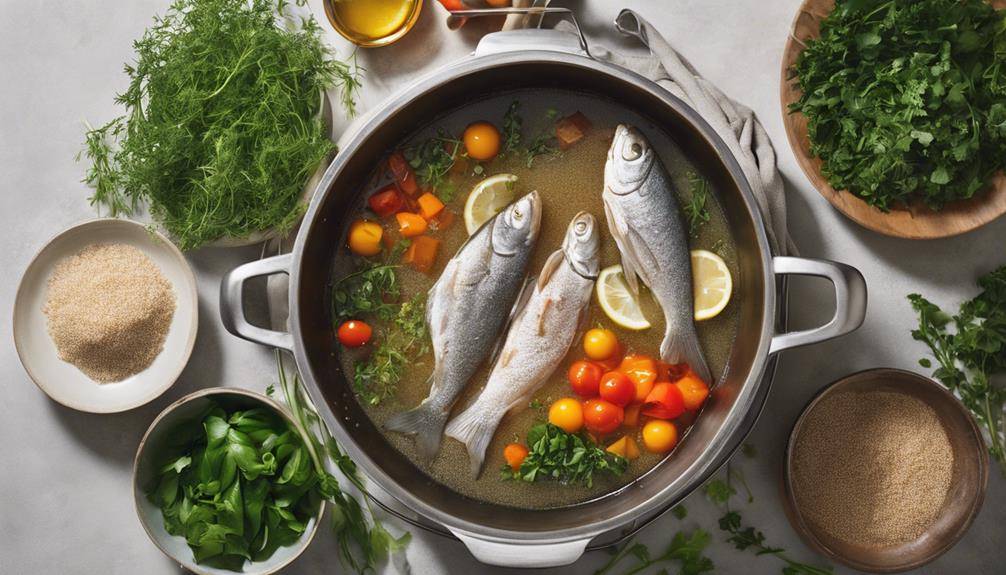
Healthy Cooking Techniques Like Poaching: If you're looking for healthy cooking techniques like poaching, consider steaming, grilling, and sautéing as well. Poaching gently cooks food in simmering liquid, preserving its nutrients and flavors. Steaming locks in essential vitamins, making vegetables tender yet crisp. Grilling gives a delicious char while reducing the need for extra fats, and sautéing allows you to use minimal oil without sacrificing taste. Each method promotes nutrient retention and enhances flavors in your meals. Want to discover more about these techniques and how to use them effectively? There's plenty more to explore in the world of healthy cooking!
Click Here and Turn Every Masterpiece into a Showstopper!
Benefits of Poaching
Poaching offers a remarkable way to prepare food while preserving its natural flavors and nutrients. This gentle cooking technique involves submerging food in a simmering liquid, which helps maintain its moisture and tenderness. When you poach, you're not just avoiding added fats; you're also enhancing the dish's overall taste. The subtle infusion from the poaching liquid can elevate the food's inherent flavors, making every bite a delightful experience.
One of the key benefits of poaching is nutrient retention. Unlike methods that involve high heat or prolonged cooking times, poaching keeps essential nutrients intact. You won't have to worry about losing critical vitamins and minerals that can occur with other cooking methods. This means you get all the health benefits from your ingredients without sacrificing flavor.
Additionally, flavor enhancement is another significant advantage. By choosing the right poaching liquid—like broth, wine, or even seasoned water—you can add layers of taste that complement your main ingredient. This technique allows you to create a dish that's not only nutritious but also bursting with flavor.
Techniques for Perfect Poaching
To achieve perfect poaching, you'll want to focus on three key aspects: temperature, liquid, and timing. Start by understanding the ideal poaching temperature to guarantee your food cooks evenly and retains its flavor. Then, choose the right liquid and keep an eye on the clock for the best results.
Ideal Poaching Temperature
What's the secret to achieving perfectly poached eggs or fish? It all comes down to the ideal poaching temperature. For most poaching methods, you want to maintain a gentle simmer between 160°F and 180°F (70°C to 82°C). This temperature range guarantees that your food cooks evenly without toughening the proteins.
When you poach at the right temperature, the whites of your eggs become firm and tender, while the yolks remain beautifully runny. For fish, this gentle heat helps preserve moisture and prevents it from becoming dry or rubbery. It's vital to monitor the water temperature closely, as boiling water can lead to uneven cooking and break apart delicate ingredients.
To achieve this, use a thermometer or simply keep an eye on the bubbles rising in the water. You want small bubbles that barely break the surface, not a rolling boil. Remember, patience is key! Allow your food to cook slowly and savor the flavors that develop during this gentle cooking process. Mastering the ideal poaching temperature will elevate your dishes and impress your guests.
Choosing the Right Liquid
When selecting the right liquid for poaching, consider how it can enhance the flavor and texture of your dish. Your liquid selection plays an essential role in achieving delicious results. Water is a classic choice, but it often lacks depth. Instead, think about using broth, wine, or even coconut milk to provide a richer flavor infusion. Each option can lend a unique taste and aroma to the ingredients you're poaching.
For example, vegetable or chicken broth adds savory notes, while white wine brings acidity that can brighten the dish. If you're poaching seafood, a splash of citrus juice mixed with water can elevate the flavors beautifully. Don't forget to season your poaching liquid! Adding herbs, spices, or aromatics like garlic and onion can dramatically enhance the final dish's taste.
Experimenting with different liquids can also yield surprising results. You might find that a combination of liquids, like half stock and half wine, creates a complex flavor profile that perfectly complements your ingredients. So, get creative with your liquid selection, and let your poaching technique shine through the flavors you infuse!
Timing for Perfect Results
Getting the timing right is key to achieving perfectly poached ingredients. Poaching times can vary notably based on the ingredient sizes you're working with. For instance, a large chicken breast typically takes about 15 to 20 minutes to cook through, while smaller pieces might only need 10 to 12 minutes.
When you're poaching eggs, you'll want to aim for 3 to 4 minutes for a runny yolk, adjusting slightly if your eggs are larger or smaller. Always remember to keep the water at a gentle simmer, as boiling can cause the ingredients to break apart.
To make sure you're on point, consider using a kitchen timer. This will help you avoid overcooking and achieve that perfect texture. As you gain experience, you'll develop an instinct for timing based on your preferred doneness and the specific ingredients you're using.
Don't hesitate to experiment a little, adjusting your poaching times based on your taste preferences and ingredient sizes. With practice, you'll master the art of poaching, delivering delicious, healthy meals every time.
Other Healthy Cooking Methods
Often overlooked, various other healthy cooking methods can elevate your meals while preserving essential nutrients. Two methods you might find particularly beneficial are slow cooking and pressure cooking. Both techniques allow you to create delicious dishes that retain flavor and nutrients without adding unnecessary fats.
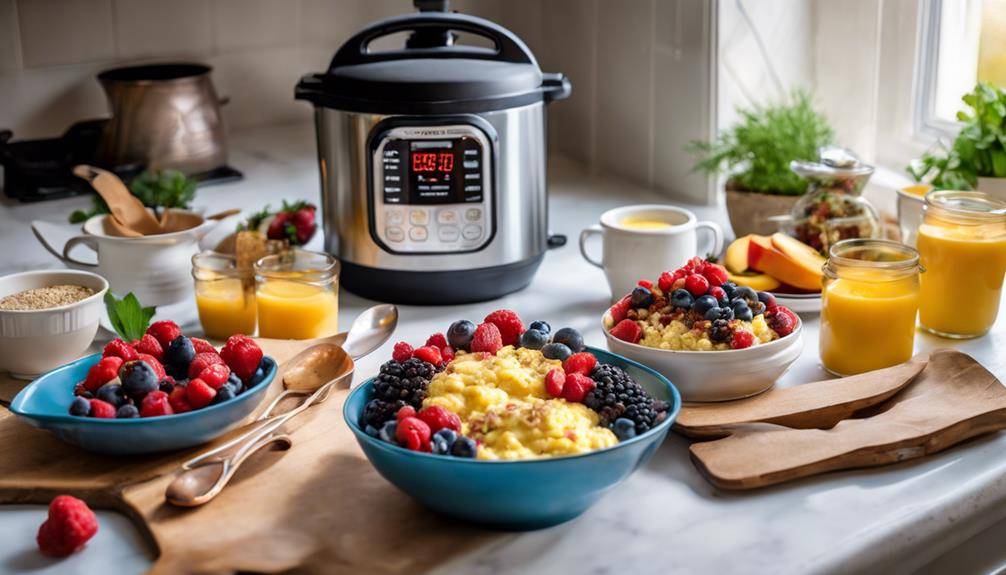
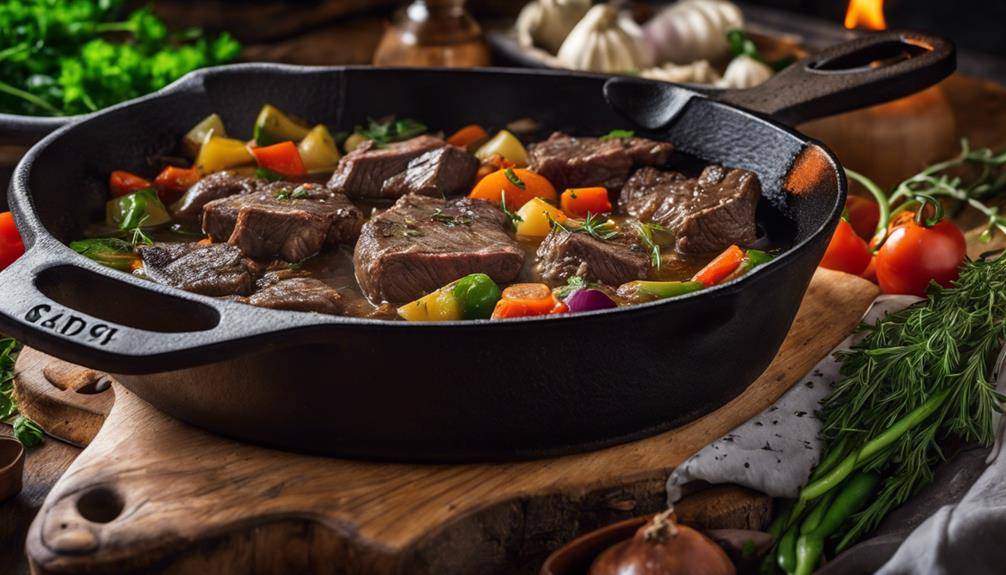
Slow cooking is perfect for those busy days when you want a hearty meal waiting for you. By cooking food at low temperatures over several hours, you break down tough fibers in meats and vegetables, resulting in tender, flavorful meals. Plus, you can throw in a variety of ingredients, letting the flavors meld together beautifully without needing to watch over the stove. Just set it and forget it!
On the other hand, pressure cooking offers a quick and efficient way to prepare meals. This method uses steam and pressure to cook food faster, which can be a game-changer when you're short on time. You can whip up stews, grains, and even legumes in a fraction of the time it would take with traditional cooking methods. As an added bonus, pressure cooking helps retain more vitamins and minerals compared to boiling or frying.
Steaming for Flavor and Nutrition
Steaming is a fantastic cooking method that locks in both flavor and nutrition, making it a favorite among health-conscious cooks. When you steam your vegetables, you're not just preserving their vibrant colors; you're also retaining essential vitamins and minerals that can be lost through other cooking methods. This technique allows you to enjoy the natural tastes of your ingredients while maximizing their health benefits.
One of the key advantages of vegetable steaming is its ability to enhance flavors without the need for excess fats or oils. As the steam envelops the veggies, it creates a moist environment that helps release their natural sugars, resulting in a sweeter taste. You can elevate this flavor enhancement even further by adding herbs, spices, or a splash of citrus juice to the steaming water. This not only infuses your vegetables with delightful aromas but also boosts their nutritional profile.
For best results, consider using a steamer basket or a microwave-safe dish with a lid, ensuring the vegetables remain above the water level. Aim for a cooking time of about 5 to 10 minutes, depending on the type and size of the vegetables. You'll know they're done when they're tender yet still crisp. By incorporating vegetable steaming into your cooking routine, you can enjoy delicious, nutrient-rich meals that support your health goals. So, grab your steamer and start experimenting with different veggies today!
Click Here and Turn Every Masterpiece into a Showstopper!
Grilling: A Healthy Alternative
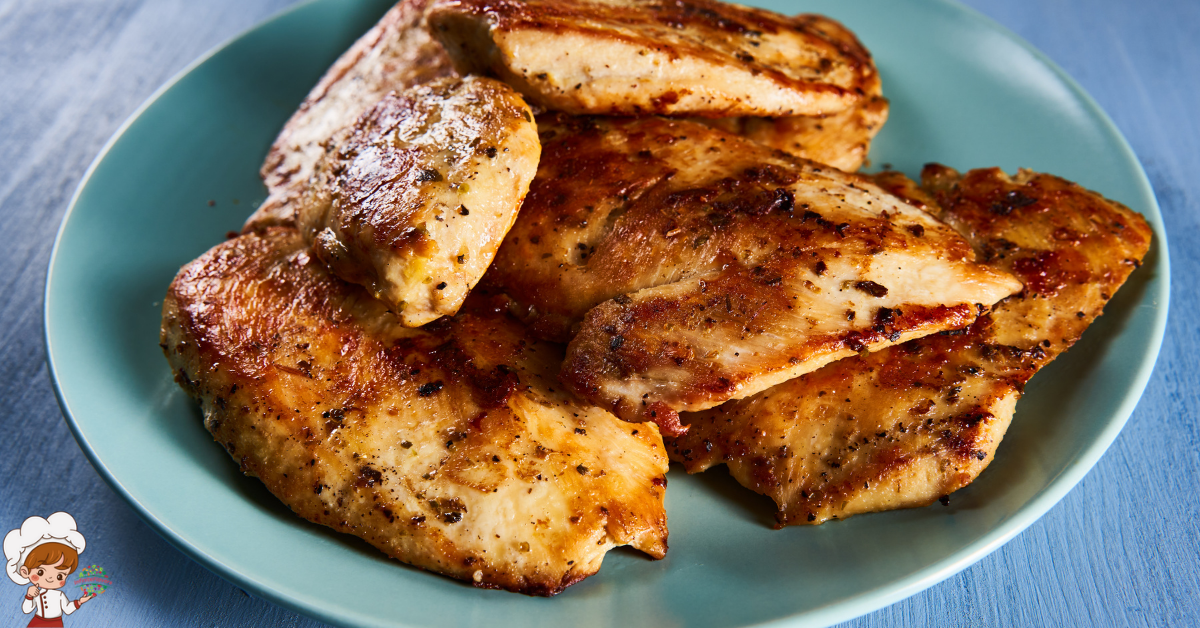
Grilling offers another fantastic way to prepare healthy meals while enhancing the flavors of your ingredients. This cooking method allows you to achieve a delicious char while minimizing the need for added fats. By using various grilling techniques, you can create diverse dishes that cater to different tastes and dietary preferences. Whether you're grilling vegetables, fish, or lean meats, you're bound to enjoy a satisfying meal that's packed with nutrients.
One of the key benefits of grilling is that it helps retain the natural juices and flavors of your food. When you cook over an open flame, the high heat quickly seals in moisture, resulting in tender and juicy dishes. To take full advantage of grilling, consider marinating your ingredients beforehand for added flavor. You can also experiment with different spices and herbs to make your meals even more enticing.
However, it's essential to prioritize grilling safety. Always make certain that your grill is clean and well-maintained to prevent flare-ups and potential hazards. When cooking, keep a close eye on your food to avoid charring, which can create harmful compounds. Use a meat thermometer to check for doneness, especially with poultry and pork, making sure they reach safe internal temperatures.
Sautéing With Minimal Oil
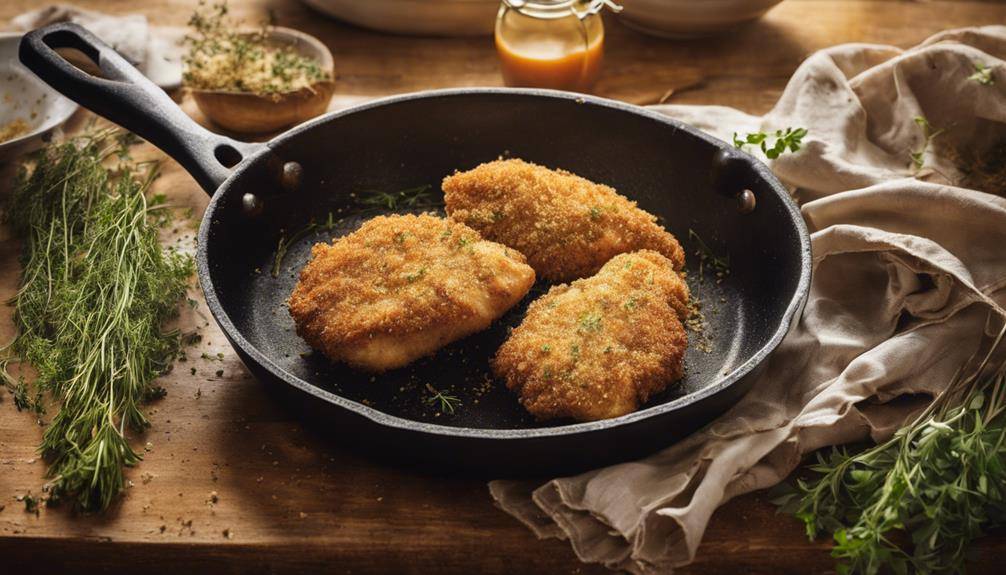
Sautéing with minimal oil is an excellent way to prepare flavorful dishes while keeping the calorie count low. This technique allows you to enjoy the vibrant tastes of your ingredients without the added fat. Instead of pouring in a lot of oil, try using just a teaspoon or two to start. You can also experiment with various sautéing techniques to enhance flavor without heavy oils.
One effective method is to use a non-stick skillet, which reduces the need for oil. If you're using a stainless steel pan, consider preheating it and adding a splash of water or broth to create steam, helping to cook your vegetables while they sizzle. This not only keeps your dish moist but also infuses it with added flavor.
When it comes to oil alternatives, consider using vegetable or chicken broth, vinegar, or even lemon juice. These options can act as flavor boosters while keeping your dish light. You might also want to add herbs and spices to elevate the taste without relying on oil.
Don't forget to chop your ingredients evenly to guarantee they cook at the same rate. This way, you won't have to add more oil to compensate for uneven cooking. By mastering these techniques, you'll find that sautéing with minimal oil can produce delicious meals that are healthy and satisfying.
Baking for Healthier Meals
Baking can be a fantastic way to create healthier meals without sacrificing flavor. You'll find that it often requires less fat than frying or sautéing, making it a great option for nutritious cooking. Let's explore the benefits of baking and some essential tips to get you started.
Benefits of Baking
When it comes to preparing healthier meals, opting for baking over frying can make a significant difference in your diet. Baking allows you to cook foods without the excess oils and fats that come with frying, leading to lower calorie meals. This method also promotes nutrient retention, as the gentle heat of the oven preserves vitamins and minerals better than high-heat cooking methods.
Another great benefit of baking is flavor enhancement. As food cooks in the oven, it develops a rich taste that often surpasses that of fried dishes. The Maillard reaction, which occurs during baking, creates a delightful depth of flavor, especially in proteins and vegetables. You'll find that roasted vegetables can become sweeter and more aromatic, while baked meats can turn tender and juicy.
Essential Baking Tips
To make the most of your baking experience and create healthier meals, it's important to contemplate a few key techniques. Start with baking essentials like using whole grain flours instead of refined ones. Whole grains pack more nutrients and fiber, which can enhance your overall health.
Next, consider ingredient substitutions. Instead of using traditional sugar, try natural sweeteners like honey or maple syrup, which can add flavor without spiking your blood sugar. You can also substitute applesauce for oil in many recipes, reducing the fat content while keeping your baked goods moist.
Don't forget about portion control. Using smaller pans can help you bake smaller quantities, making it easier to avoid overeating. Additionally, incorporating fruits and vegetables into your recipes can boost their nutritional value. For instance, adding grated zucchini to muffins or blending spinach into brownies can make them healthier without compromising taste.
Click Here and Turn Every Masterpiece into a Showstopper!
Frequently Asked Questions: Healthy Cooking Techniques Like Poaching
Can I Poach Frozen Food Items?
Yes, you can poach frozen food items. Poaching benefits include retaining nutrients and flavors. Just make sure the water's hot enough to cook evenly, and adjust cooking times since frozen items take longer to heat through.
What Utensils Are Best for Poaching?
When you're exploring poaching methods, essential tools include a shallow pan for even heat distribution, a slotted spoon for easy food removal, and a thermometer to guarantee the right temperature for perfectly poached dishes.
How Long Should I Poach Different Proteins?
When you're poaching, different protein types require varying poaching times. Generally, fish takes about 10 minutes, chicken breasts need 15-20 minutes, while eggs typically take 3-4 minutes for perfect results. Adjust based on thickness!
Can I Reuse Poaching Liquid for Other Dishes?
Yes, you can reuse poaching liquid for other dishes! It offers great reuse benefits, enhancing flavors in soups or sauces through flavor infusion. Just strain it and store properly for future culinary creations.
Is Poaching Suitable for Meal Prep?
Yes, poaching's perfect for meal prep! You'll enjoy its benefits—retaining nutrients and flavors. It keeps proteins tender, making it easy to incorporate into various dishes throughout the week. You'll love how simple it is!

Conclusion
Incorporating healthy cooking techniques like poaching can transform your meals and boost your nutrition. By mastering the art of poaching, along with exploring methods like steaming, grilling, sautéing with minimal oil, and baking, you're not just enhancing flavors but also making mindful choices for your health. So, why not give these techniques a try? You'll enjoy delicious meals while keeping your well-being in check. Embrace these methods today and savor the benefits they bring!