The Best Raw Food Diet Meal Prep Tips
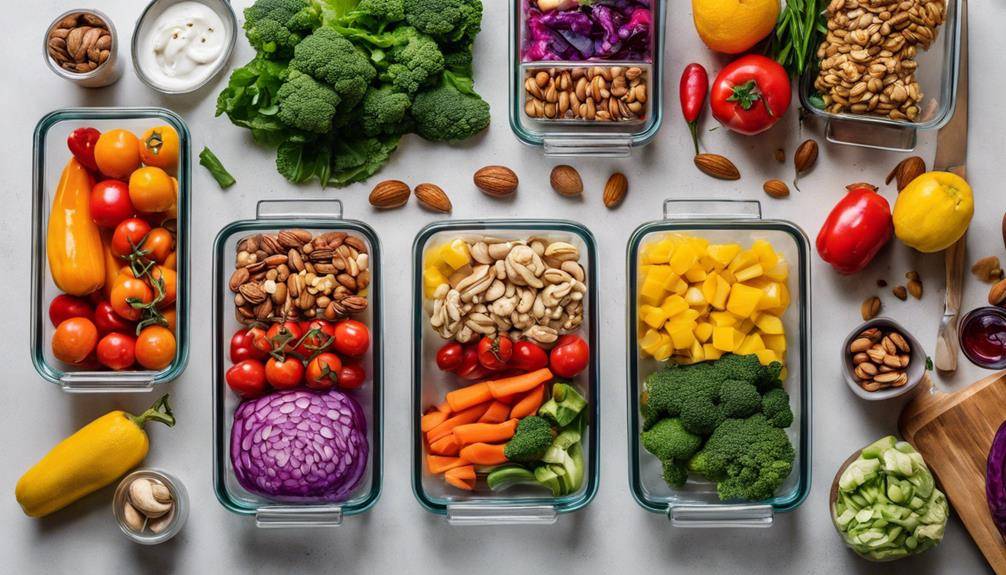
The Best Raw Food Diet Meal Prep Tips; Meal prepping for a raw food diet is all about efficiency and flavor. Start by planning your weekly menu, focusing on fresh, seasonal produce. Stock your pantry with staples like nuts, seeds, and whole grains. Batch prepare ingredients, such as chopped veggies and soaked nuts, to save time. Use airtight containers to keep everything fresh and organized. Don’t forget to experiment with sprouting for added nutrition. Incorporate flavorful marinades and hydrating smoothies to enhance your meals. By following these tips, you’ll make healthy eating enjoyable and manageable. Stick around for more insights that can take your meal prep to the next level!
Understand Raw Food Principles
Often, people underestimate the principles behind a raw food diet. They might think it’s just about eating fruits and vegetables, but there’s much more to it. Understanding these principles can help you reap the raw food benefits, which include increased energy, improved digestion, and enhanced overall health.
At its core, a raw food diet emphasizes consuming unprocessed, uncooked foods. This approach maximizes nutrient preservation, allowing you to enjoy all the vitamins, minerals, and enzymes that cooking often destroys. When you eat raw, you’re more likely to consume fresh produce, nuts, seeds, and sprouted grains, which are packed with essential nutrients.
You might be surprised to learn that many raw food enthusiasts believe in the importance of food combinations. Pairing certain foods can enhance nutrient absorption, giving you even more health benefits. For example, eating avocados with tomatoes can boost your body’s ability to absorb the lycopene in tomatoes, promoting heart health.
Moreover, the raw food diet encourages mindfulness about what you’re eating. By focusing on whole foods in their natural state, you develop a deeper connection to your meals, fostering healthier habits. It’s not just about the food; it’s about embracing a lifestyle that prioritizes health and well-being.
Plan Your Weekly Menu
Planning your weekly menu is essential for successfully following a raw food diet. By taking the time to organize your meals, you’ll guarantee you’re consuming a variety of nutrients while keeping your food prep efficient. Start by allocating specific days for certain meals. For instance, you might dedicate Mondays to salads, Tuesdays to smoothies, and Wednesdays to raw wraps. This structure helps simplify your meal planning.
Next, think about the ingredients you love and explore new raw food options to keep things exciting. Incorporate seasonal fruits and vegetables, as they’ll taste better and be more cost-effective. Create a list of recipes you’d like to try throughout the week, sourcing ideas from cookbooks or online resources. Don’t forget to balance your meals by including a mix of proteins, healthy fats, and carbohydrates.
Consider batch-prepping some components, like soaking nuts or making dressings, to save time throughout the week. You can also prep snacks in advance, such as cut-up veggies or energy balls, so you always have something on hand.
Lastly, keep an eye on your schedule. If you know you’ll have a busy day, plan simpler meals or have leftovers ready to go. Sticking to your menu will help you remain committed to your raw food lifestyle and make it easier to resist the temptation of processed foods. With effective meal planning, you’ll enjoy delicious and nourishing meals all week long!
Stock Up on Essentials
Stocking up on essentials is crucial for maintaining a successful raw food diet. When you fill your kitchen with nutrient-dense ingredients, you set yourself up for meal variety and tasty dishes. Start by stocking your pantry with staples like nuts, seeds, dried fruits, and whole grains. These items not only provide healthy fats and proteins but also serve as great snack alternatives when you need a quick energy boost.
Next, explore fresh produce. Fruits and vegetables are the heart of your raw food diet. Invest in a variety of colorful options to create exciting flavor combinations. Don’t shy away from experimenting; use recipe inspiration from raw food blogs and cookbooks to keep things fresh. Remember, if you can’t find a specific ingredient, ingredient substitutions can often yield equally delicious results.
Utilizing kitchen gadgets can also enhance your meal prep experience. High-speed blenders, food processors, and spiralizers will help you whip up smoothies, sauces, and salads in no time. Develop smart shopping strategies by planning your trips around seasonal produce to enjoy peak freshness and reduce costs.
Beware of raw food myths that suggest you need expensive superfoods to succeed. Focus on whole, real foods that fit your budget. Finally, pay attention to meal timing. Having ready-to-eat meals and snacks on hand guarantees you won’t reach for unhealthy options when hunger strikes. By stocking up on these essentials, you’ll make your raw food journey more enjoyable and sustainable.
Invest in Proper Storage
When prepping raw meals, investing in airtight containers is a must to keep your ingredients fresh. You’ll also want to label everything for easy organization, so you can grab what you need without any hassle. Proper storage not only preserves your food but also streamlines your meal prep process.
Airtight Containers Essential
Investing in airtight containers is essential for anyone committed to a raw food diet. These containers not only keep your fruits, vegetables, and other ingredients fresh, but they also provide numerous airtight benefits that can enhance your meal prep experience. By preventing air exposure, they help maintain the vibrant colors, flavors, and nutrients of your food.
When selecting container types, consider glass or BPA-free plastic options. Glass containers are sturdy, reusable, and won’t absorb odors or stains, while BPA-free plastic is lightweight and often more affordable. Look for containers with secure lids that create a tight seal, ensuring maximum freshness.
You’ll also want to choose various sizes to accommodate different foods. Smaller containers are great for nuts and seeds, while larger ones work well for salads or larger quantities of fruits and vegetables.
Labeling for Organization
Proper labeling is key to maintaining organization in your raw food meal prep. When you’re working with various fruits, vegetables, and nuts, it’s easy to lose track of what’s what. Implementing effective labeling systems helps you quickly identify ingredients, saving you time when you’re ready to cook or snack.
Start by investing in high-quality labels. You can use reusable chalkboard labels or adhesive options that allow you to write the contents and date. Color coding is another fantastic way to streamline your process. For instance, assign specific colors to different food categories—green for vegetables, red for fruits, and blue for nuts. This visual cue makes it easier to locate what you need at a glance.
Additionally, make certain your labels are legible and placed in a consistent spot on each container. This uniformity helps you build a mental map of your pantry or fridge. Don’t forget to regularly update your labels as you prepare new meals or restock ingredients. By mastering labeling for organization, you’ll keep your kitchen efficient and your raw food diet on track.
Batch Prepare Ingredients
To make your meal prep smoother, start by organizing your workspace so everything’s within reach. Choosing seasonal produce not only enhances flavor but also keeps your meals fresh and vibrant. Finally, proper storage techniques are key to maintaining the quality of your ingredients longer.
Organize Your Workspace
Creating an efficient workspace is key to successful meal prep, especially when you’re diving into the raw food diet. Start by optimizing your workspace layout. Make certain your counter is clear and organized; designate specific areas for chopping, mixing, and storing. This way, you won’t waste time searching for ingredients or tools while preparing your meals.
Next, gather your efficient tools. Invest in a good knife, cutting board, and food processor to streamline your prep process. Keep them within arm’s reach to avoid unnecessary movement. Consider using stackable containers for easy storage of prepped ingredients. Label these containers to guarantee you know what’s inside at a glance.
Batch preparing ingredients will save you time during the week, so chop vegetables and portion out snacks in advance. If you’ve got extra room, consider dedicating a section of your workspace for soaking nuts or sprouting seeds. This will keep everything tidy and guarantee you’re ready to whip up meals with minimal fuss.
With a well-organized workspace and the right tools, you’ll find that meal prepping becomes a more enjoyable and efficient experience. Happy prepping!
Choose Seasonal Produce
Harnessing the essence of freshness, choosing seasonal produce not only enhances the flavor of your raw meals but also secures you’re getting the best nutritional value. When you select fruits and vegetables that are in season, you support local farmers and reduce your carbon footprint. Seasonal produce is often harvested at its peak, which means it’s more flavorful and packed with nutrients.
Take advantage of the seasonal benefits by planning your meals around what’s available. Visit local farmers’ markets to discover fresh, organic options that are at their best. You’ll find vibrant colors and enticing aromas that will inspire your raw meal prep. Plus, buying in bulk from local sources can lead to cost savings while allowing you to batch prepare ingredients for the week.
Consider creating a seasonal produce chart to help you navigate what’s available throughout the year. This will make it easier to plan your meals and secure you’re enjoying a diverse range of nutrients. By embracing seasonal produce, you’ll not only elevate your raw food experience but also contribute to sustainable eating practices that benefit your community.
Store Properly for Freshness
When you batch prepare ingredients for your raw food diet, proper storage is key to maintaining freshness and maximizing the lifespan of your produce. Start by washing and drying your fruits and vegetables thoroughly before storing them. Excess moisture can lead to spoilage, so make certain they’re dry to the touch.
Use airtight containers that offer temperature control, as this can considerably enhance the shelf life of your ingredients. Glass containers are a great option, as they don’t retain odors and help maintain the temperature better than plastic. For leafy greens, consider using a damp paper towel inside the container to keep them crisp without introducing too much moisture.
Store your produce in the fridge to slow down the ripening process, but be mindful of the ideal temperature for each type of food. For example, tomatoes and avocados can be stored at room temperature until they ripen.
Lastly, label your containers with the date you prepared the ingredients. This way, you’ll know when to use them to make sure you’re enjoying your meals at their freshest. By mastering these storage techniques, you’ll make your raw food diet more enjoyable and sustainable.
Utilize Seasonal Produce
Using seasonal produce not only enhances the flavor of your raw food dishes but also supports local farmers and reduces your carbon footprint. By focusing on ingredients that are in season, you’ll enjoy better taste and nutrient diversity. Seasonal recipes allow you to create vibrant meals that highlight the freshest flavors available, while also giving you the chance to experiment with unique flavor combinations that you might not find with out-of-season produce.
When you source your ingredients from local farmers, you’re investing in your community and promoting sustainable sourcing practices. This approach not only helps reduce transportation emissions but also fosters a sense of community support. You can build relationships with the farmers who grow your food, gaining insights into the best ways to use their seasonal offerings.
Furthermore, understanding seasonal availability can lead to a greater meal variety throughout the year. You’ll find that each season brings its own bounty, allowing you to rotate your meals and keep things interesting. Embracing seasonal produce can also enhance your food preservation techniques, as you can learn how to store or dehydrate excess fruits and vegetables when they’re at their peak.
Incorporating seasonal produce into your raw food diet creates a satisfying and nourishing experience. So, next time you’re meal prepping, take a trip to your local farmers’ market and let the seasons guide your culinary creations. You’ll enjoy the benefits of fresh ingredients while contributing to a more sustainable food system.
Create Quick Grab-and-Go Snacks
After you’ve stocked up on seasonal produce, it’s time to think about how to make the most of those fresh ingredients with quick grab-and-go snacks. These snacks not only keep your energy levels up but also guarantee you’re staying true to your raw food diet.
Start by making nutritious energy balls that combine nuts, seeds, and dried fruits. They’re easy to prepare and perfect for a quick bite. For something invigorating, whip up some vegetable wraps using large leafy greens filled with thinly sliced veggies and a tasty spread. You can also create colorful fruit skewers, mixing seasonal fruits for a visually appealing snack.
Nut butter dips are another great option; you can pair them with apple slices or celery sticks for a satisfying crunch. For a creamy treat, try chia seed pudding made with almond milk and topped with fresh berries.
Don’t forget about raw snack bars; they’re convenient and can be made in batches. Dehydrated fruit snacks are also a fantastic choice, offering a chewy texture that satisfies sweet cravings. For a savory crunch, make veggie chips seasoned with your favorite herbs. Hummus packs are perfect for dipping your veggie sticks, adding protein to your snacking routine.
Lastly, consider coconut energy bites, which are both delicious and energizing. With these quick grab-and-go snacks at your fingertips, you’ll always have something healthy to munch on, keeping your raw food journey enjoyable and hassle-free.
Incorporate Flavorful Marinades
Incorporating flavorful marinades can elevate your raw food dishes, adding depth and excitement to your meals. By experimenting with various marinade variations, you can create unique flavor profiles that enhance the natural taste of your ingredients. Start with a base of infused oils, which add richness and complexity. Olive or avocado oil infused with herbs can serve as a fantastic foundation.
Next, consider using herb blends to create distinct flavors. Fresh herbs like basil, cilantro, or dill can be combined with citrus zest to provide a revitalizing kick. For a nutty twist, whip up some nut dressings using blended nuts and seeds mixed with your favorite spices. This will not only enhance the taste but also provide a creamy texture.
Don’t shy away from spice combinations either. A dash of smoked paprika or cayenne can transform a simple marinade into a bold statement. You can also explore tangy dips and raw sauces, like tahini or salsa, to add zest to your prepared dishes. These can double as marinades and dressings, making meal prep even more efficient.
Experiment With Sprouting
Sprouting can add a nutritious boost to your raw food meals while enhancing flavor and texture. It’s easy to get started with simple techniques that fit right into your meal prep routine. By experimenting with different seeds and beans, you’ll discover a whole new world of fresh ingredients!
Benefits of Sprouting
One of the standout benefits of experimenting with sprouting is the significant boost in nutrients you get from these tiny powerhouses. Sprouts have a remarkable nutrient density that often surpasses their mature counterparts. When you embrace sprouting techniques, you activate enzymes that enhance the bioavailability of vitamins and minerals, making them easier for your body to absorb.
The growth process of sprouts also releases a plethora of health benefits. As they develop, they undergo changes that improve their digestibility, providing digestive benefits that can help reduce bloating and discomfort. Plus, sprout varieties like alfalfa, broccoli, and lentils bring unique flavors and textures to your meals, enhancing overall flavor without the need for added ingredients.
Incorporating sprouts into your raw food diet not only elevates the nutritional profile of your dishes but also adds a delightful crunch. With their vibrant taste and impressive health benefits, you’ll find that experimenting with sprouting can transform your meals into nutrient-packed powerhouses. So, give it a try and enjoy the countless advantages that these tiny sprouts can bring to your diet!
Easy Sprouting Techniques
If you’re ready to plunge into the world of sprouting, you’ll find it’s a simple yet rewarding process that anyone can master. Start by selecting your seeds—popular choices include alfalfa, mung beans, and broccoli. Once you’ve chosen, grab some sprouting containers. These can be as basic as mason jars with mesh lids or specialized sprouting trays.
Rinse your seeds, then soak them in water for a few hours. After soaking, drain and rinse them again. Place the seeds in your sprouting container, ensuring they have enough space to grow. Keep your containers in a well-ventilated area, away from direct sunlight. Rinse and drain your seeds twice a day to keep them moist but not soggy.
Within a few days, you’ll start to see sprouts forming. Remember, sprouting not only enhances flavor but also boosts nutrient retention. Once your sprouts reach the desired length, give them a final rinse and enjoy them fresh in salads, sandwiches, or smoothies. Experiment with different seeds and techniques, and you’ll soon discover your favorites!
Organize Your Kitchen
A well-organized kitchen can make raw food meal prep not only easier but also more enjoyable. Start by evaluating your kitchen layout. Confirm that your prep area is spacious and free from clutter. This will allow you to work efficiently and move around freely while assembling your meals.
Next, focus on utensil organization. Store your knives, cutting boards, and food processors within easy reach. Use drawer dividers or racks to keep everything in its place, so you won’t waste time searching for that essential tool.
When it comes to storage solutions, consider using clear containers for your raw ingredients. This not only helps you see what you have at a glance but also keeps your pantry tidy. Label each container to avoid confusion, especially when you’re in a hurry to whip up a quick meal.
Lastly, think about your meal assembly process. Designate a specific area for assembling your dishes. This could be a section of your countertop or a dedicated table. Having a designated space will streamline your workflow and make it easier to put together meals without distraction.
Stay Hydrated With Smoothies
Smoothies are a delicious and revitalizing way to stay hydrated while enjoying the benefits of raw foods. You can whip up a variety of smoothie combinations using fresh fruits, leafy greens, and nuts to maximize hydration benefits. By blending these ingredients, you guarantee nutrient retention, making the most of their vitamins and minerals.
Pay attention to meal timing; smoothies can serve as a quick breakfast or a rejuvenating snack throughout the day. Experiment with different blending techniques to achieve the perfect consistency—whether you prefer a thick smoothie bowl or a sippable drink. If you’re looking for flavor enhancements, consider adding spices like cinnamon or vanilla extract, which can elevate your smoothie experience.
Ingredient substitutions are also a great way to tailor your smoothies to your taste and dietary needs. If you don’t have spinach, try kale or chard instead. Seasonal smoothies can highlight fruits and vegetables at their peak, so take advantage of what’s fresh in your area.
For an extra boost, incorporate superfood additions like chia seeds, spirulina, or acai powder. These not only enhance the nutritional value but also add unique flavors. Finally, don’t shy away from blending your smoothies into bowls topped with fresh fruits, nuts, or granola. This makes for a satisfying and hydrating meal that’s both filling and nutritious. With these tips, you’ll stay invigorated and energized while enjoying the vibrant world of raw foods.
Keep a Raw Food Journal
Maintaining a raw food journal can be a game-changer for your health journey. By documenting your meals, you’ll gain insight into what works best for you, helping you maximize raw food benefits. Start by noting down everything you eat, including ingredients, portions, and any specific meal prep strategies you use. This practice not only keeps you accountable but also allows you to identify patterns in how different foods affect your body.
As you write, pay attention to your energy levels, mood, and overall well-being. This reflection will help you understand which raw foods energize you and which might not sit well with your system. You’ll also gain clarity on how your meal prep strategies influence your eating habits. For instance, if you notice that preparing snacks in advance keeps you from reaching for processed options, you can make that a regular part of your routine.
Additionally, your journal can serve as a source of inspiration. Jot down new recipes you want to try or variations on your favorite raw dishes. This can keep your meals exciting and help you avoid monotony. Over time, you’ll build a personal reference guide that reflects your unique preferences and nutritional needs.
Frequently Asked Questions: The Best Raw Food Diet Meal Prep Tips
Can I Include Cooked Foods in My Raw Food Diet?
You can include cooked foods in your diet, but it’s best to focus on raw food benefits. Consider cooked food alternatives like steamed vegetables or soups that maintain nutrients while complementing your raw meals.
How Do I Transition to a Raw Food Diet Safely?
To shift safely, start by meal planning your week. Gradually increase raw foods while sourcing fresh ingredients. Listen to your body, ensuring you’re comfortable with each step, and don’t rush the process. Enjoy the journey!
What Are the Potential Health Risks of a Raw Food Diet?
When considering a raw food diet, you should be aware of potential health risks like nutrient deficiencies and digestive issues. These can arise from not consuming a balanced variety of foods and inadequate cooking processes.
Is a Raw Food Diet Suitable for Children?
A raw food diet can offer benefits, but it’s crucial to guarantee your child’s nutrition is balanced. Consult a pediatrician to discuss if this diet meets their growth and developmental needs effectively.
How Can I Ensure I’m Getting Enough Protein?
To guarantee you’re getting enough protein, focus on plant-based sources like lentils, quinoa, and nuts. Incorporate protein-rich snacks such as hummus with veggies or a handful of almonds into your daily routine for variety.

Conclusion
By embracing these raw food meal prep tips, you’ll set yourself up for success in your journey towards healthier eating. Remember to stay organized, plan ahead, and keep things interesting by experimenting with new ingredients. With a little effort and creativity, you’ll find that preparing raw meals can be both enjoyable and rewarding. So, immerse yourself, get creative, and enjoy the vibrant flavors and energy that a raw food diet brings to your life!
If you enjoyed exploring this topic and want to dive even deeper, be sure to check out some of our other articles here on Infinite Flavors. From rich culinary histories to creative twists on classic recipes, there’s always something new to discover. Whether you’re curious about the origins of a dish, looking for fresh inspiration in the kitchen, or simply love learning about food culture, our collection of posts is the perfect next step on your flavor journey.
The Best Protein-Rich Raw Food Diet Meal Prep
The Best Budget-Friendly Raw Food Diet Meal Prep
Amazing Easy Raw Food Diet Meal Prep Examples