
Unveiling The Fascinating Origins Of Turkish Cuisine
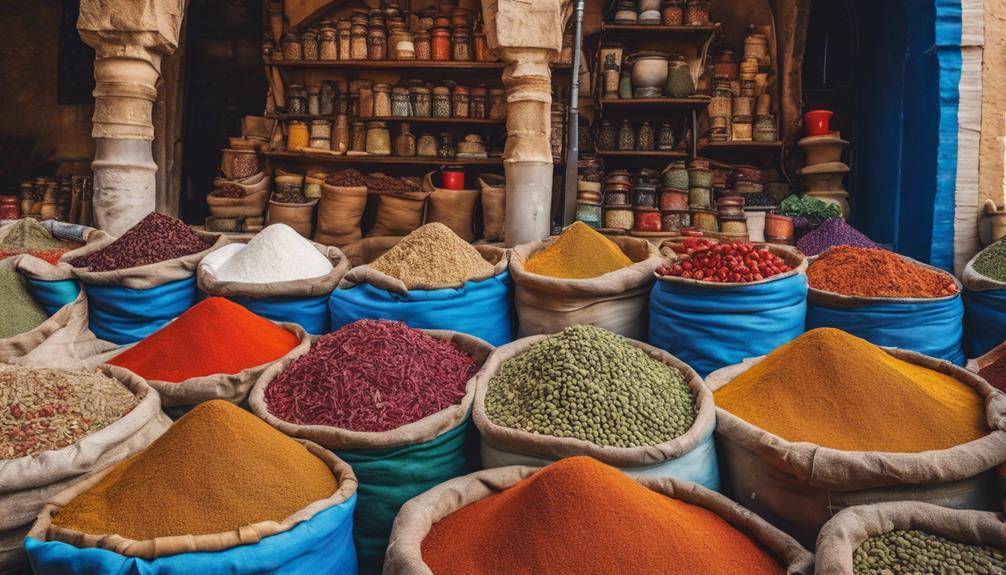
The Fascinating Origins Of Turkish Cuisine; Turkish cuisine captivates you with its rich flavors and vibrant history. It draws from many cultures, with roots in ancient Hittite agriculture and the innovative practices of the Byzantines and Ottomans. The Silk Road played a significant role, merging spices and techniques from different regions. You’ll find that communal meals and celebratory dishes emphasize togetherness and cultural identity. Today, chefs are reinterpreting classic recipes while honoring traditional flavors. Each bite tells a story, revealing layers of influence. Stick around to uncover the fascinating details behind these culinary traditions and their evolution through time.
We’ve Got Everything You Need to Make Your Masterpiece.
Historical Influences on Turkish Cuisine
Turkish cuisine is a vibrant tapestry woven from various historical influences. As you explore this culinary landscape, you’ll notice how diverse cultures have shaped the flavors and practices that define Turkish food today. From the ancient nomadic tribes of Central Asia to the rich traditions of the Ottoman Empire, each era has left an indelible mark on the cuisine you enjoy.
Culinary symbolism plays a significant role in Turkish culture. Every dish tells a story, often connected to the land and its people. For instance, certain ingredients symbolize fertility and abundance, reflecting the agricultural practices that have sustained communities for generations. You might find that dishes served during special occasions carry deeper meanings, connecting you to the rituals of the past.
Food rituals are equally important, as they foster community and family ties. Whether it’s breaking bread with loved ones during Ramadan or gathering for a festive meal, these practices enrich your dining experience. You’ll see how each meal is more than just food; it’s a celebration of heritage and togetherness.
As you probe deeper into Turkish cuisine, you’ll appreciate how these historical influences have shaped not only the flavors but also the customs surrounding food. Each bite invites you to experience centuries of tradition and storytelling, making your connection to this culinary world even more profound. So, savor each moment as you discover the richness of Turkey’s culinary heritage.
The Hittites and Early Agriculture
In the ancient landscape of Anatolia, the Hittites played an essential role in shaping early agricultural practices. As you explore their contributions, you’ll discover that Hittite agriculture laid the groundwork for many culinary traditions that followed. They understood the importance of cultivating various crops, which included grains like barley and wheat, essential staples that would influence their diet and culinary practices.
The Hittites were innovative in their agricultural techniques, using methods such as crop rotation and irrigation to maximize yield. This focus on efficiency not only improved food production but also guaranteed that their communities thrived. With a stable food supply, they could develop more complex societies, and their ancient culinary practices began to flourish.
Food preservation was another critical aspect of Hittite agriculture. They employed techniques like drying, smoking, and fermentation, which allowed them to store surplus food for the harsher months. These methods not only extended the shelf life of their produce but also added unique flavors to their dishes. Imagine the rich, savory tastes that emerged from these early preservation techniques, setting the stage for future culinary developments in the region.
As you can see, the influence of the Hittites on agriculture was profound. Their innovative practices created a foundation for future generations, intertwining agriculture and culture in ways that would resonate throughout the history of Turkish cuisine.
The Impact of Byzantine Cuisine
Byzantine cuisine greatly influenced the culinary landscape of Anatolia, introducing a rich tapestry of flavors and techniques. You’ll find that this period marked a significant evolution in what would eventually become Turkish cuisine. The Byzantines brought with them diverse ingredients and cooking methods, many of which continue to resonate today.
One notable aspect of Byzantine influences is the emphasis on fresh herbs and vegetables. Dishes often featured ingredients like eggplant, peppers, and greens, setting the stage for what you now recognize in various Turkish mezes and stews. The love for olive oil, which became a staple, reflects a Mediterranean legacy that shaped the region’s culinary heritage.
Additionally, the Byzantines perfected the art of pastries and bread-making, introducing techniques that evolved into iconic Turkish desserts and breads. You can trace the origins of treats like baklava and börek back to this era, showcasing the fusion of cultures that defined the time. Their cooking also emphasized the importance of communal dining, which remains a cherished tradition in Turkish culture.
As you explore the flavors and dishes that define Turkish cuisine today, remember that much of it has roots in Byzantine culinary practices. The blending of spices, the use of yogurt, and the preparation of intricate dishes are all part of this rich culinary heritage. This influence not only shaped the food of the region but also established a foundation for future gastronomic innovations that would follow.
We’ve Got Everything You Need to Make Your Masterpiece.
Ottoman Culinary Innovations
The Ottoman Empire stirred up a culinary revolution that transformed and expanded the flavors of Anatolia. At the heart of this innovation were the imperial kitchens within the Ottoman palaces, where skilled chefs experimented with diverse culinary techniques. They blended spices, herbs, and ingredients from various cultures, creating unique flavor profiles that delighted the palate.
Ingredient sourcing played a significant role in these innovations. The Ottomans established extensive networks to obtain fresh produce, meats, and spices, ensuring their royal feasts were extravagant and diverse. These lavish gatherings showcased not only the rich flavors but also intricate meal presentations that captivated guests. Each dish was crafted to be a feast for the eyes as much as for the stomach.
The use of specialized cooking implements also set the Ottomans apart. They employed unique pots, pans, and utensils designed for specific dishes, enhancing the cooking process and preserving the integrity of flavors. Alongside this, the Ottomans developed dining customs that emphasized the communal aspect of meals. Sharing food became a symbol of hospitality and unity.
Recipe preservation was essential in maintaining the legacy of Ottoman cuisine. Chefs documented their creations, ensuring that future generations could enjoy the same exquisite flavors. In doing so, they passed down culinary knowledge that continues to influence Turkish cuisine today. Ultimately, the Ottoman Empire’s commitment to innovation shaped a rich culinary tradition that remains celebrated worldwide.
The Role of Silk Road Trade
As you explore the connections between Turkish cuisine and the Silk Road, you’ll notice how key trade routes facilitated the exchange of not just goods, but also ideas and culinary practices. These interactions enriched Turkish flavors and introduced a variety of ingredients, shaping the diverse dishes we enjoy today. Understanding this trade’s impact will deepen your appreciation of the vibrant tapestry that is Turkish cuisine.
Key Trade Routes
Silk Road trade markedly shaped Turkish cuisine, blending diverse flavors and ingredients from various cultures. As you explore the culinary landscape, you’ll notice how trade route impacts transformed local dishes. Spices like saffron, cinnamon, and black pepper traveled along these routes, enriching Turkish recipes and enhancing flavors.
You might be surprised to learn that these spice exchanges weren’t just about flavor; they also introduced new cooking techniques and preservation methods. This interaction led to unique fusion dishes that reflect both local and foreign influences. For example, the use of yogurt in Turkish cuisine stems from ancient trade interactions, creating a staple ingredient that persists to this day.
Additionally, the exchange of ingredients like rice and various legumes contributed to the evolution of pilafs and stews, making them integral to Turkish dining. As you savor a meal, think about the rich history behind each bite, rooted in centuries of trade. The Silk Road didn’t just connect nations; it intertwined cultures and culinary traditions, laying the foundation for the vibrant Turkish cuisine you enjoy now.
Cultural Exchange Impact
While exploring Turkish cuisine, you’ll find that the cultural exchanges fostered by trade routes greatly influenced its development. The Silk Road, in particular, served as a essential artery for culinary diplomacy, connecting diverse cultures and enabling a remarkable cultural fusion. As traders traveled through these routes, they didn’t just exchange silk and spices; they shared recipes, cooking techniques, and ingredients, blending flavors from the East and West.
You’ll notice that this interaction enriched Turkish cuisine, creating a tapestry of tastes that reflect its storied past. Dishes like kebabs and pilafs showcase this blend, as they incorporate influences from Persian, Arab, and Mediterranean cuisines. This culinary diplomacy allowed for the adaptation of various cooking styles and the introduction of new ingredients, enhancing the complexity of Turkish food.
Moreover, the exchange of ideas and culinary practices led to the creation of signature dishes that are uniquely Turkish, yet bear the marks of their multicultural origins. So, as you savor a meal, remember that each bite tells a story of connection, adaptation, and the enduring legacy of the Silk Road in shaping Turkish cuisine.
Ingredients and Flavors
A rich variety of ingredients and flavors shapes Turkish cuisine, largely thanks to the trade routes that once flourished along the Silk Road. You’ll find that the diverse spice combinations and ingredient sourcing have created unique flavor profiles that define many dishes. As you explore Turkish cooking methods, you’ll notice how seasonal ingredients play a significant role, enhancing the freshness and importance of meals.
The health benefits of these ingredients are often emphasized in traditional pairings, like yogurt with herbs or lentils with spices, which not only taste great but also nourish the body. Culinary symbolism is also substantial in Turkish cuisine; for instance, pomegranate represents abundance, while olive oil signifies health and longevity.
When you investigate the layers of these flavors, you uncover a history that reflects cultural exchanges along trade routes. Each dish tells a story, blending local produce with exotic spices that arrived from far-off lands. This rich tapestry of ingredients and flavors not only delights the palate but also connects you to a heritage shaped by centuries of trade and interaction.
Regional Variations Across Turkey
Turkey boasts a rich tapestry of regional cuisines, each reflecting unique local ingredients and cultural influences. This culinary diversity is evident as you travel through the country, where regional specialties showcase the distinct flavors and traditions of each area. In the Aegean region, for example, you’ll find an abundance of olive oil-based dishes featuring seasonal vegetables. Here, the cooking methods often emphasize grilling and roasting, creating vibrant flavor profiles.
As you venture into southeastern Turkey, the spices and cooking techniques change dramatically. The use of lamb, bulgur, and spices like sumac and cumin highlights the cultural significance of the region’s culinary practices. Unique traditions, such as communal meals during Ramadan, showcase the importance of food rituals in Turkish culture.
In the Black Sea region, you’ll be charmed by the famous corn-based dishes and fish, reflecting the area’s lush landscape and abundant resources. The flavor profiles here lean toward hearty and robust, with a focus on fresh, local ingredients. Regional festivals also play an essential role in celebrating these culinary delights, bringing communities together through food.
Each region’s specialties tell a story, connecting you to its history and people. Whether you’re savoring a plate of meze in the Mediterranean or indulging in a rich kebab in the east, you’re experiencing Turkey’s diverse culinary heritage. Embrace these regional variations, and you’ll discover a world of flavors that are as rich and varied as the country itself.
We’ve Got Everything You Need to Make Your Masterpiece.
Spices That Shaped Flavors
Spices play a pivotal role in defining the flavors of Turkish cuisine, transforming simple ingredients into vibrant dishes. When you investigate the spice origins, you’ll discover how they’ve been influenced by various cultures and trade routes throughout history. From the fragrant warmth of cumin to the subtle heat of red pepper flakes, each spice contributes uniquely to the diverse flavor profiles of Turkish dishes.
Consider the deep, aromatic notes of allspice, which often finds its way into meat dishes, lending a rich essence that evokes the region’s culinary heritage. You’ll also notice the invigorating zing of sumac, a staple in salads and kebabs, which not only adds flavor but also a beautiful color. The complex layers of spices like cinnamon and cardamom often pop up in desserts, showcasing the balance between sweet and savory that defines this cuisine.
As you explore deeper into Turkish cooking, you can’t overlook the role of dried herbs like mint and parsley, which heighten freshness and elevate flavor. Each spice tells a story, reflecting the land and its people, the history of trade, and the blending of culinary practices. By understanding these spice origins, you’ll gain insight into how they shape the very essence of Turkish cuisine, creating dishes that are not just meals but experiences. So, next time you savor a Turkish dish, appreciate the spices that make it unforgettable.
Traditional Cooking Techniques
Traditional cooking techniques are at the core of Turkish cuisine, showcasing the rich history and cultural diversity of the region. You’ll find that these methods not only enhance flavors but also preserve the essence of each dish. From frying techniques that create crispy textures in dishes like köfte to slow cooking that tenderizes meats in stews, every method plays a crucial role.
Grilling methods, such as those used for kebabs, bring out the smoky flavors that are quintessential in Turkish meals. You can also explore steaming practices, which keep ingredients moist and retain their natural flavors, making dishes like mantı particularly delightful. Fermentation processes are essential too, especially in the preparation of yogurt, which serves as a creamy accompaniment to many meals.
Baking traditions in Turkey yield some of the most delicious bread, like pide and simit, which complement any meal. Preserving techniques, such as pickling vegetables, guarantee you can enjoy seasonal flavors all year round. As you investigate Turkish cuisine, don’t overlook the importance of seasoning methods; a well-seasoned dish transforms an ordinary meal into an extraordinary experience.
These traditional techniques are more than just ways to cook; they reflect a lifestyle and a connection to the land and its history. By understanding and practicing these methods, you’ll appreciate the full spectrum of flavors and textures that Turkish cuisine offers.
The Importance of Meze
Meze serves as a vibrant introduction to Turkish dining, highlighting the country’s rich culinary landscape. When you explore meze varieties, you’ll discover a colorful array of small dishes that tantalize your taste buds. These dishes, ranging from creamy hummus to tangy stuffed grape leaves, embody centuries of meze history and traditions passed down through generations.
The presentation of meze is artful, often arranged on a large platter, inviting you to sample and share. This communal dining experience is deeply rooted in meze etiquette, where sharing reflects hospitality and warmth. As you savor each bite, consider the meze pairings that enhance the flavors, like enjoying a invigorating rakı alongside your meze spread.
Meze’s cultural significance goes beyond just food; it’s about gathering family and friends, fostering connections over shared meals. With an emphasis on fresh vegetables, legumes, and healthy fats, meze also boasts numerous health benefits. These dishes are often packed with nutrients, making them a wholesome choice to start your meal.
In essence, meze traditions capture the essence of Turkish culture—celebrating togetherness, flavor, and history. By immersing yourself in the world of meze, you’re not just enjoying food; you’re experiencing a rich tapestry of stories and flavors that define Turkish cuisine. So, the next time you sit down to a meze spread, remember that you’re partaking in a cherished tradition that connects you to the heart of Turkey.
Bread: A Staple in Turkish Meals
What would a Turkish meal be without the warm, inviting presence of bread? In Turkey, bread isn’t just a side dish; it’s a staple that embodies cultural significance. You’ll find various bread types, from the classic pide to the flaky borek, each reflecting regional specialties and unique baking traditions.
As you sit down to eat, you’ll notice how bread is often intertwined with eating rituals. It’s customary to break bread together, symbolizing unity and sharing. This act carries deep bread symbolism, representing hospitality and community.
Turkish bread-making showcases artisan techniques passed down through generations. These methods often involve traditional fermentation methods, adding depth to the flavors and enhancing health benefits. Whole grain and sourdough varieties are common, providing essential nutrients and promoting digestive health.
The history of bread in Turkey is rich and complex. It traces back to ancient civilizations, evolving through various cultures that have influenced Turkish cuisine. Each region boasts its own specialties, showcasing local ingredients and baking styles. For instance, the thick, chewy lahmacun from southeastern Turkey contrasts with the lighter, airy structures of coastal breads.
In every bite, you’re not just tasting food; you’re experiencing a piece of Turkey’s heritage. Bread connects you to the past while grounding you in the present, making it an irreplaceable element of Turkish meals.
The Evolution of Street Food
Street food in Turkey has evolved into a vibrant and beloved part of everyday life, much like the bread that accompanies meals. As you wander through bustling markets and lively streets, you’ll encounter a rich tapestry of flavors and aromas that reflect Turkey’s diverse culinary heritage. This evolution is closely tied to the urban food culture, where people seek quick, affordable, and delicious options that cater to their fast-paced lifestyles.
You’ve likely noticed how street food trends have shifted in recent years. Vendors are now offering a mix of traditional dishes and modern twists, showcasing creativity while honoring the past. For instance, while you might savor a classic simit, you could also find variations filled with different toppings or served with innovative dips. Food trucks and pop-up stalls have also become popular, introducing gourmet versions of street fare.
As you explore the streets, you’ll see that street food isn’t just about the food itself; it’s a social experience. Friends gather around stalls, sharing laughs and stories while enjoying their meals. This communal aspect reinforces the idea that food brings people together, creating a sense of belonging within the urban landscape.
Ultimately, the evolution of street food in Turkey reflects broader societal changes and the dynamic nature of urban food culture. With every bite you take, you’re not just tasting a dish; you’re also participating in a rich tradition that continues to adapt and thrive.
Influences From Neighboring Cultures
When you explore Turkish cuisine, you can’t ignore the rich culinary exchanges with Persia that have shaped its flavors. You’ll also notice how Mediterranean influences infuse dishes with fresh herbs and vibrant ingredients. Together, these elements create a unique tapestry that defines what Turkish food is today.
Culinary Exchange With Persia
The rich tapestry of Turkish cuisine owes much to its culinary exchange with Persia, showcasing a blend of flavors and techniques that have evolved over centuries. When you explore Turkish dishes, you’ll often encounter Persian spices like saffron, cumin, and coriander, which bring warmth and depth to meals. These spices have been integrated into various dishes, enhancing their aroma and taste.
You might notice culinary similarities in the preparation of rice dishes, stews, and kebabs. The influence runs deep, with both cultures emphasizing the importance of herbs and fresh ingredients. Persian cooking techniques, such as slow-cooking meats and layering flavors, have found their way into traditional Turkish recipes, resulting in mouthwatering dishes that reflect a shared heritage.
As you savor a plate of pilaf or a fragrant kebab, think about the centuries of exchange that shaped these flavors. This fusion of culinary traditions not only highlights the artistry involved but also the interconnectedness of neighboring cultures. The legacy of Persian influence is a reflection of the adaptability and richness of Turkish cuisine, inviting you to enjoy a truly diverse culinary experience.
We’ve Got Everything You Need to Make Your Masterpiece.
Mediterranean Flavor Infusion
Mediterranean cuisine has greatly influenced Turkish flavors, creating a vibrant and diverse culinary landscape. When you explore Turkish dishes, you can taste the rich infusion of Mediterranean herbs like oregano, thyme, and basil. These ingredients add depth and freshness to meals, elevating them beyond the ordinary.
In coastal regions, the infusion of regional seafood plays a significant role. Imagine savoring grilled fish drizzled with olive oil and a sprinkle of lemon, capturing the essence of both Turkish and Mediterranean traditions. Dishes like “balık ekmek” (fish sandwich) showcase this delightful blend, featuring fresh catch served with zesty sauces and crisp vegetables.
You’ll also notice that salads often incorporate fresh herbs and vegetables, reflecting the Mediterranean emphasis on health and flavor. Dishes like “meze” offer a variety of small plates, allowing you to sample multiple flavors in one sitting. This communal dining experience mirrors the Mediterranean way of sharing food and enjoying good company.
As you investigate deeper into Turkish cuisine, you’ll appreciate how these Mediterranean influences have shaped not just the flavors but also the dining culture, making every meal a celebration of diverse tastes and traditions.
Celebratory Dishes and Rituals
Celebratory dishes in Turkish cuisine reflect a rich tapestry of cultural traditions and communal values. During festive gatherings, you’ll often find tables laden with an array of vibrant dishes that highlight the importance of sharing and togetherness. These culinary delights play a central role in ceremonial feasts, especially during special occasions like weddings, religious holidays, and family reunions.
Traditional celebrations often feature specific ritual dishes that have been passed down through generations. For instance, during Eid, families prepare special meals that include lamb, pilaf, and sweet desserts. These festive recipes not only nourish the body but also strengthen family bonds and reinforce cultural identity.
In Turkey, holiday traditions revolve around communal meals, where everyone gathers to partake in an abundance of food that symbolizes prosperity and abundance. Seasonal celebrations, such as the harvest festival, are marked with celebratory banquets rich in locally sourced ingredients.
The act of preparing and sharing these dishes fosters a sense of belonging within the community. Cultural festivities, whether it’s New Year’s Eve or a local wedding, create an atmosphere of joy, where food becomes a central element of the celebration. From hearty kebabs to delicate baklava, each dish tells a story, connecting you to the past while creating new memories. In this way, celebratory dishes in Turkish cuisine are much more than just food; they embody the spirit of togetherness and the richness of Turkish culture.
Modern Interpretations of Classic Dishes
In today’s culinary scene, you’ll find Turkish dishes blending with global flavors, creating exciting fusion meals. Chefs are reimagining traditional ingredients, giving classic recipes a modern twist that surprises and delights. As you explore these interpretations, you might just discover your new favorite dish.
Fusion Flavors in Turkey
Innovation thrives in Turkish cuisine, where traditional dishes meet contemporary flair. You’ll find that chefs are increasingly blending age-old recipes with modern techniques and global influences, creating a delightful mix of cultural fusions. Imagine a classic kebab reimagined with Asian spices or a meze platter that includes elements from Mediterranean and Middle Eastern cuisines.
These dynamic flavor profiles not only respect Turkey’s rich culinary history but also push boundaries, inviting adventurous eaters to experience something new. You might come across dishes like sushi-inspired dolmas, where vine leaves are filled with seafood and accompanied by a tangy wasabi sauce.
Street food is also evolving, with vendors offering gourmet versions of beloved snacks, like gourmet simit topped with unique spreads or fusion turkish delight featuring unexpected fillings like matcha or salted caramel.
This modern take on Turkish cuisine not only showcases the adaptability of traditional dishes but also emphasizes the importance of experimentation and creativity. As you explore these fusion flavors, you’ll taste the vibrant tapestry of Turkey’s culinary identity and appreciate how it continues to evolve while honoring its roots.
Traditional Ingredients Reimagined
At the heart of modern Turkish cuisine is a playful reinterpretation of traditional ingredients that brings familiar flavors into the contemporary dining scene. Chefs like you are diving into the rich tapestry of Turkish culinary history, transforming classic dishes with innovative twists. You’ll find familiar staples like eggplant and yogurt reimagined in unexpected ways—think smoky eggplant purée paired with artisan flatbreads or yogurt transformed into a zesty sauce that brightens up a grilled vegetable medley.
Sustainable sourcing has become a hallmark of this culinary evolution. You’re encouraged to explore local farmers’ markets for seasonal ingredients, allowing you to create dishes that not only taste fresh but also celebrate the rhythms of nature. A traditional köfte may find itself nestled in a bed of quinoa, while seasonal vegetables take center stage in a vibrant salad.
Preserving Culinary Heritage Today
Preserving culinary heritage today requires a concerted effort from communities, chefs, and home cooks alike. You’ve got an essential role in this movement, whether you’re whipping up dishes in your kitchen or supporting local restaurants. Embracing sustainable practices is key. By sourcing ingredients locally and choosing seasonal produce, you’ll not only enhance the freshness of your meals but also help maintain traditional farming methods that have been passed down through generations.
Culinary education plays a significant part in this preservation. You can participate by attending workshops or classes that focus on traditional cooking techniques and regional specialties. Sharing recipes and stories with family and friends helps keep these culinary traditions alive. Maybe you’ve learned a beloved dish from a grandparent—don’t let that knowledge fade away. Teach others and recreate those meals together, fostering a sense of community.
Moreover, you can advocate for the inclusion of traditional dishes in modern menus at restaurants. Engage with chefs who are interested in blending old and new techniques, creating a dialogue about the importance of culinary heritage. Supporting businesses that prioritize authentic recipes and sustainable sourcing will encourage others to follow suit.
Ultimately, preserving culinary heritage is about connection—connecting with your roots, with those around you, and with the land. By nurturing these bonds through food, you guarantee that the rich tapestry of Turkish cuisine continues to thrive for future generations.
We’ve Got Everything You Need to Make Your Masterpiece.
Frequently Asked Questions: The Fascinating Origins Of Turkish Cuisine
What Are the Most Popular Turkish Dishes Worldwide?
You’ll find kebabs and meze varieties topping the list of popular Turkish dishes worldwide. Their rich history and diverse flavors have captivated food lovers, making them a must-try for anyone exploring global cuisines.
How Do Turkish Food Customs Differ From Other Cultures?
Turkish food customs emphasize meal etiquette, like serving guests first and sharing dishes. Festive traditions often involve elaborate meals, communal dining, and family gatherings, creating a warm atmosphere that celebrates togetherness and hospitality.
What Beverages Pair Well With Turkish Cuisine?
When enjoying Turkish cuisine, you can’t go wrong with Turkish tea for a soothing touch or Raki to enhance the meal’s flavors. Each beverage complements the dishes, elevating your dining experience to a whole new level.
Are There Vegetarian Options in Traditional Turkish Meals?
Yes, there are plenty of vegetarian options in traditional Turkish meals! You’ll find dishes featuring fresh vegetables, legumes, and grains, with regional variations offering unique vegetarian ingredients that celebrate the diverse flavors of Turkey.
How Has Globalization Affected Turkish Culinary Practices?
Globalization’s impacted Turkish culinary practices by encouraging cultural exchange and ingredient adaptation. You’ll notice new flavors and techniques blending into traditional dishes, showcasing how diverse influences shape and enhance the rich tapestry of Turkish cuisine.

Conclusion
In exploring the fascinating origins of Turkish cuisine, you’ve uncovered a rich tapestry woven from diverse historical influences and cultural interactions. From the Hittites to the Ottomans and beyond, each era has left its mark, enhancing the flavors and traditions you enjoy today. As you savor these dishes, remember the stories behind them and the importance of preserving this culinary heritage for future generations. Embrace the journey of flavors that Turkish cuisine offers, and keep exploring!
If you enjoyed exploring this topic and want to dive even deeper, be sure to check out some of our other articles here on Infinite Flavors. From rich culinary histories to creative twists on classic recipes, there’s always something new to discover. Whether you’re curious about the origins of a dish, looking for fresh inspiration in the kitchen, or simply love learning about food culture, our collection of posts is the perfect next step on your flavor journey.
The 10 Best Ingredients Of Traditional Turkish Cuisine
Why Are Lamb Dishes Popular In Turkish Cuisine
14 Of The Best Must-Try Turkish Soups And Stews
15 Great Tips For Perfect Turkish Rice And Pilaf Dishes
Explore The Unique Regional Specialties Of Turkish Cuisine