The History and Origin of Easy Hawaiian Bread
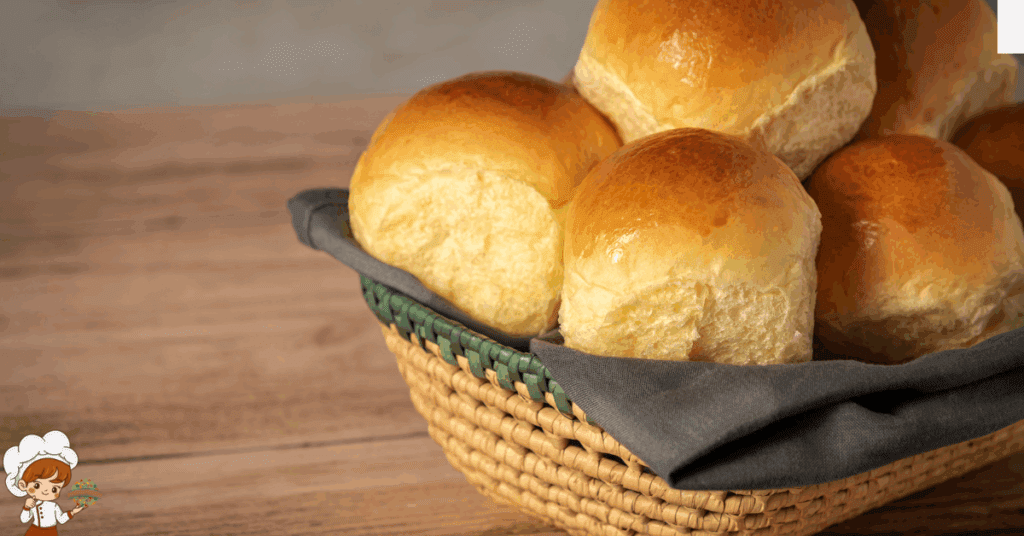
The History and Origin of Easy Hawaiian Bread; Few baked goods evoke the warm, sweet essence of the islands quite like Hawaiian bread. Soft, golden, and slightly sweet, this beloved loaf has become a staple in kitchens worldwide — used in everything from dinner rolls and sandwich buns to French toast and sliders. But behind its familiar sweetness lies a fascinating story that blends Hawaiian culture, Portuguese immigration, and the culinary innovation that defined mid-20th-century American baking.
This journey through the history of Easy Hawaiian Bread explores how a humble sweet roll from the islands became a global favorite, how its recipe evolved, and why it remains a symbol of aloha-inspired comfort today.
Origins of Hawaiian Bread in Island Baking Traditions
Before it became a household name, Hawaiian bread began as part of a broader tradition of sweet and enriched breads brought to the Hawaiian Islands by immigrants. Hawaii’s early cuisine was a melting pot, influenced by Native Hawaiian, Asian, and European flavors. Among these influences, one of the most impactful was that of Portuguese immigrants in the 19th century.
Between the 1870s and early 1900s, thousands of Portuguese laborers from Madeira and the Azores settled in Hawaii to work on sugar plantations. Along with their strong work ethic and Catholic traditions, they brought recipes for Portuguese sweet bread, known locally as pão doce. This bread was rich with eggs, sugar, and milk — ingredients that gave it a soft, pillowy texture and golden hue. Over time, Hawaiian home bakers began adapting pão doce to local tastes and available ingredients, giving rise to what would later be called Hawaiian bread.
Unlike traditional sandwich bread, Hawaiian bread leaned heavily into sweetness, often incorporating a touch of honey, pineapple juice, or brown sugar to create a distinctive flavor. It was this balance of sweetness and softness that captured hearts across the islands — and eventually across the United States.
The Portuguese Roots of Hawaiian Bread
To understand the evolution of Hawaiian bread, one must first appreciate its Portuguese origins. Pão doce was a celebratory bread traditionally baked for holidays such as Easter and Christmas. It symbolized warmth, family, and abundance. Portuguese families would bake it in wood-fired ovens, shaping it into round loaves or braiding it into festive rings. The bread’s signature golden crust came from an egg wash, while the inside remained fluffy and sweet.
When Portuguese immigrants brought this bread to Hawaii, they introduced not only a recipe but also a ritual — one of community and celebration. Hawaiian bakers began blending the Portuguese tradition with their own ingredients, which included tropical flavors like pineapple and coconut. This fusion transformed the European-style sweet bread into something uniquely Hawaiian — lighter, sweeter, and with a subtle island flair.
By the early 20th century, Hawaiian sweet bread had become a staple in local households and church gatherings. It was served at luaus, weddings, and Sunday dinners, representing both the island’s multicultural heritage and its love for shared, home-baked comfort food.
The Birth of Commercial Hawaiian Bread
While Portuguese sweet bread inspired Hawaiian baking for decades, the transformation of this local specialty into a global phenomenon can be credited to King’s Hawaiian Bakery, founded by Robert Taira in the 1950s.
Robert Taira, a Japanese-American baker born and raised in Hilo, Hawaii, opened his first bakery in 1950 after studying baking science. Drawing inspiration from his island’s Portuguese sweet bread, he began selling his own version — softer, sweeter, and baked in pull-apart rolls. Locals immediately fell in love with it. His recipe used local ingredients, including pineapple juice, to enhance the sweetness and moisture, giving the bread its signature flavor.
As demand grew, Taira relocated to Honolulu and later to Torrance, California, to expand production. By the 1970s, King’s Hawaiian sweet rolls were being distributed across the mainland United States. Consumers loved the bread’s soft texture and tropical hint of sweetness — something that felt indulgent yet familiar. It was marketed as both exotic and homey, perfectly aligning with America’s growing fascination with Hawaiian culture during the postwar decades.
This marked the turning point where Hawaiian bread transitioned from a regional favorite to an international brand. Yet, even as production scaled, the bread’s essence — that warm, sweet, and fluffy taste — remained rooted in its island heritage.
Cultural Influence and the Spirit of Aloha
Hawaiian bread isn’t just about flavor — it embodies the spirit of aloha. In Hawaiian culture, food is an expression of community, sharing, and love. Meals are meant to bring people together, and bread, with its communal nature, fits beautifully into that philosophy.
When Hawaiian bread became popular beyond the islands, it also carried this message of hospitality. Families on the mainland who purchased Hawaiian rolls for holidays, picnics, or Sunday dinners were unknowingly embracing a tradition born from Hawaii’s unique blending of cultures. The bread’s sweetness and lightness made it a versatile addition to both everyday meals and special occasions.
In local Hawaiian households, sweet bread remained a cherished part of gatherings — often served with butter, alongside savory dishes like kalua pork, or as the base for island-style French toast. Over time, it came to symbolize not just delicious simplicity, but the very essence of Hawaiian comfort food.
The Rise of Easy Hawaiian Bread Recipes
With the success of commercial brands, home bakers began seeking ways to recreate Hawaiian bread in their own kitchens. This led to the rise of easy Hawaiian bread recipes, which became increasingly popular through cookbooks and community recipe exchanges in the 1980s and 1990s.
“Easy Hawaiian Bread” versions typically simplified the process by using common pantry ingredients and shorter proofing times, making the bread accessible to home cooks of all skill levels. Pineapple juice, honey, and brown sugar were key flavor components, giving the bread its signature sweetness and moist crumb. These simplified recipes retained the essence of the original Hawaiian bread but adapted it for modern kitchens — a perfect example of how a cultural dish evolves without losing its roots.
Today, countless variations exist, from Hawaiian sandwich loaves and pull-apart rolls to gluten-free and vegan options. Each one pays homage to the bread’s rich history while catering to contemporary tastes and lifestyles. The concept of easy Hawaiian bread represents the evolution of tradition — keeping flavor and nostalgia alive while welcoming convenience and innovation.
Hawaiian Bread and Its Role in Modern American Cuisine
As Hawaiian bread gained popularity, it became an essential ingredient in American comfort food culture. Its soft texture and hint of sweetness made it perfect for a wide range of dishes — from breakfast favorites to creative sandwiches and desserts.
Restaurants and home cooks began using Hawaiian rolls as slider buns, pairing them with BBQ chicken, pulled pork, or ham and cheese. The bread’s light sweetness complemented savory fillings, creating a balanced and addictive flavor. In breakfast dishes, it became the go-to choice for French toast, bread pudding, and Hawaiian-style breakfast sandwiches.
Even beyond the dinner table, Hawaiian bread found its way into holiday celebrations, picnic baskets, and party spreads. Its golden color and melt-in-your-mouth texture made it universally appealing — a rare baked good that fit every occasion, from casual to festive.
Through its versatility, Hawaiian bread helped introduce elements of Hawaiian-inspired cuisine to a broader audience, making tropical flavors accessible and beloved far beyond the Pacific.
Why Easy Hawaiian Bread Remains So Popular Today
The continued popularity of easy Hawaiian bread can be attributed to its perfect combination of taste, texture, and emotion. It’s more than just bread — it’s nostalgia wrapped in sweetness. The bread’s pillowy softness and subtle hint of pineapple or honey evoke comfort and joy, whether you’re eating it fresh from the oven or pulling apart a roll at dinner.
Moreover, Hawaiian bread bridges generations and cultures. It reminds older generations of traditional island baking while appealing to younger home bakers seeking easy, rewarding recipes. Its simplicity ensures that anyone — even those new to baking — can experience the satisfaction of making a loaf that feels special.
In an era where consumers crave both authenticity and convenience, Hawaiian bread embodies both. It’s rooted in history yet timeless in its appeal, proving that good food doesn’t have to be complicated to carry meaning and heritage.
The Global Legacy of Hawaiian Bread
While Hawaiian bread was born from island traditions, its reach has become global. Bakeries around the world now produce their versions, often labeling them as “Hawaiian-style” sweet bread. Whether enjoyed in Japan, Europe, or South America, the bread’s universal sweetness and soft texture transcend cultural boundaries.
Its global popularity reflects how food connects people across continents. Each bite of Hawaiian bread carries a story — of Portuguese immigrants, island innovation, and the blending of cultures that defines Hawaii itself. It’s a reminder that food heritage is dynamic, shaped by migration, adaptation, and shared joy.
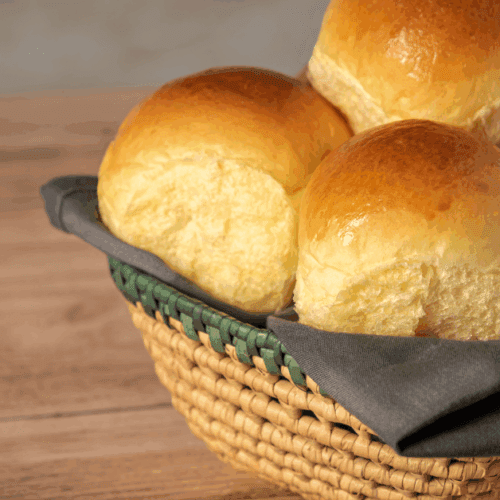
Easy Hawaiian Bread
Ingredients
- 4 cups all-purpose flour
- – 1/4 cup sugar
- – 1 teaspoon salt
- – 2 teaspoons instant yeast
- – 1 cup milk warm
- – 1/2 cup pineapple juice warm
- – 1/4 cup butter melted
- – 2 large eggs
Instructions
- *Mix Dry Ingredients**: In a large bowl, combine flour, sugar, salt, and instant yeast.
- **Combine Wet Ingredients**: In another bowl, mix warm milk, warm pineapple juice, melted butter, and eggs.
- **Combine Mixtures**: Gradually add the wet ingredients to the dry ingredients, mixing until a dough forms.
- **Knead the Dough**: Transfer the dough to a floured surface and knead for about 8-10 minutes until smooth and elastic.
- **First Rise**: Place the dough in a greased bowl, cover it with a cloth, and let it rise in a warm place for about 1 hour or until doubled in size.
- **Shape the Dough**: Punch down the risen dough, then shape it into a loaf or divide it into rolls.
- **Second Rise**: Place the shaped dough into a greased loaf pan or on a baking sheet for rolls. Cover and let it rise again for about 30-45 minutes.
- **Preheat Oven**: Preheat your oven to 350°F (175°C).
- **Bake**: Bake the bread for 25-30 minutes or until golden brown. If using a loaf pan, check for a hollow sound when tapped.
- **Cool**: Remove from the oven and let it cool in the pan for a few minutes, then transfer to a wire rack to cool completely.
Frequently Asked Questions: The History and Origin of Easy Hawaiian Bread
1. Where did Hawaiian bread originally come from?
Hawaiian bread originated in Hawaii, inspired by Portuguese sweet bread (pão doce) brought by immigrants in the late 19th century. Over time, it evolved into a uniquely Hawaiian creation, blending European baking with island ingredients like pineapple juice.
2. What makes Hawaiian bread different from regular bread?
Hawaiian bread is sweeter and softer than traditional bread, often enriched with eggs, butter, and pineapple juice. This combination gives it a tender texture and a distinct, slightly tropical flavor.
3. Who invented commercial Hawaiian bread?
Robert Taira, founder of King’s Hawaiian Bakery, popularized Hawaiian bread in the 1950s. His version of the traditional sweet bread helped turn it into a national favorite.
4. Is Hawaiian bread considered authentic Hawaiian cuisine?
Yes and no. While its roots come from Portuguese immigrants, Hawaiian bread has become part of Hawaii’s multicultural food identity. It reflects the islands’ tradition of blending influences into something uniquely local.
5. Why is Hawaiian bread slightly sweet?
The sweetness comes from sugar, honey, or pineapple juice — ingredients that also keep the bread moist and flavorful. The balance of sweet and savory makes it versatile for many dishes.
6. How is easy Hawaiian bread different from traditional versions?
Easy Hawaiian bread simplifies the baking process with fewer steps and shorter rise times, making it more accessible for home bakers while maintaining the same sweet, fluffy qualities.
7. What are some popular ways to use Hawaiian bread?
It’s great for sliders, sandwiches, French toast, bread pudding, or simply enjoyed warm with butter. Its light sweetness pairs well with both savory and sweet toppings.
8. Can Hawaiian bread be made gluten-free or vegan?
Yes, many modern recipes use gluten-free flour blends or plant-based substitutes for milk and eggs. These versions retain the same soft texture and sweetness.

A Loaf with Aloha
Easy Hawaiian Bread is more than a recipe — it’s a cultural legacy. From the humble beginnings of Portuguese sweet bread on Hawaiian plantations to the global success of King’s Hawaiian and beyond, this beloved loaf represents the power of food to connect, adapt, and endure. Its soft sweetness captures the warmth of the islands, while its history tells a story of resilience, migration, and creativity.
Whether enjoyed fresh from the oven or straight from a package, Hawaiian bread carries with it the aloha spirit — a reminder that good food brings people together, no matter where they’re from. And that is what makes Easy Hawaiian Bread a timeless classic.
If you enjoyed exploring this topic and want to dive even deeper, be sure to check out some of our other articles here on Infinite Flavors. From rich culinary histories to creative twists on classic recipes, there’s always something new to discover. Whether you’re curious about the origins of a dish, looking for fresh inspiration in the kitchen, or simply love learning about food culture, our collection of posts is the perfect next step on your flavor journey.
The History And Origin Of Easy Pizza Dough
The History And Origin Of Easy Southern Cornbread
The History And Origin Of Simple Egg And Yeast Bread