The Sweet Legacy Of The Great Pecan Pie
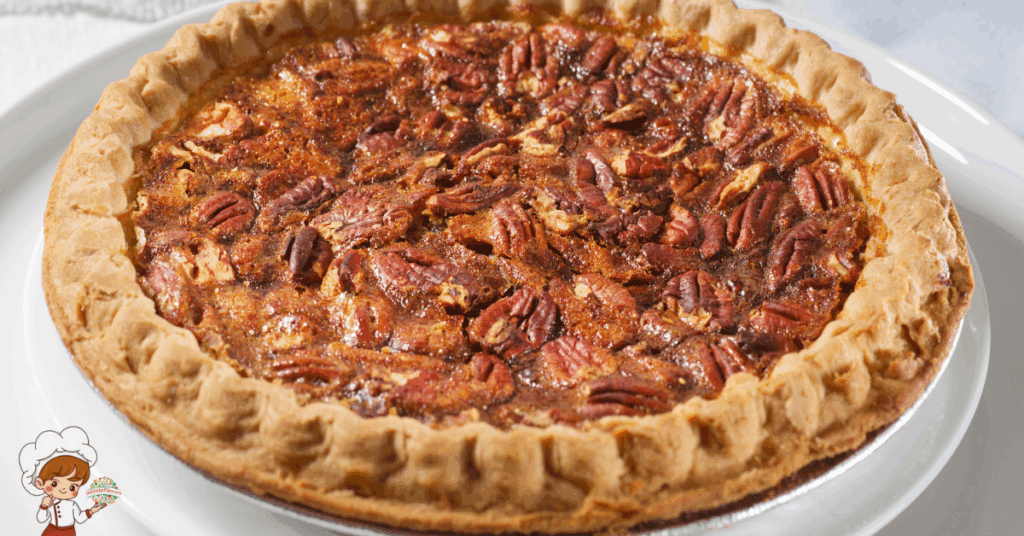
The Sweet Legacy Of The Great Pecan Pie; Pecan pie is one of America’s most cherished desserts — a golden, gooey, nut-filled masterpiece that captures the essence of Southern comfort. Its roots stretch deep into the fertile lands of the American South, where the pecan tree has grown wild for centuries. The name “pecan” comes from the Algonquin word pakani, meaning “a nut requiring a stone to crack.” Native American tribes were among the first to harvest and enjoy pecans, using them as both food and trade goods long before European settlers arrived.
When early colonists encountered the pecan, they quickly recognized its culinary potential. However, the pecan pie as we know it today didn’t emerge until much later. Its exact origin remains a subject of debate among food historians, but most agree that pecan pie began appearing in cookbooks around the late 1800s, evolving as Southern cooks experimented with sugar syrups and butter-rich pastry crusts.
The Evolution of Pecan Pie Through American History
In the 19th century, sweet pies were a staple of Southern kitchens. Sugar, butter, and corn syrup were becoming more accessible, and regional cooks began using these ingredients to create new desserts. Early versions of pecan pie were simple — just pecans, sugar, and eggs baked into a buttery crust.
The introduction of Karo corn syrup in the early 20th century forever changed pecan pie. First marketed in 1902, Karo syrup became the key ingredient that gave the pie its iconic caramel-like texture. The company even published recipes featuring pecan pie in the 1930s, helping to popularize it across America. While corn syrup simplified the process, the spirit of the dish remained rooted in the South — indulgent, warm, and deeply connected to its agricultural heritage.
During the 1940s and 1950s, pecan pie began appearing at holiday gatherings nationwide, often served alongside pumpkin and apple pie. By mid-century, it was no longer just a Southern dessert — it had become a Thanksgiving classic synonymous with American tradition.
Pecan Pie and Its Deep Southern Roots
To understand the soul of pecan pie, you have to understand the South. The pecan tree is native to the Mississippi River region, and by the 1800s, it had spread across Texas, Louisiana, and Georgia — all states that would come to define pecan pie culture. Southern cooks embraced the nut not just for its flavor but for what it represented: abundance, resilience, and homegrown pride.
Texas, in particular, claims a special connection to pecan pie. The state designated it as its official state pie in 2013, further solidifying its symbolic place in Southern identity. For generations, families have passed down their own versions — some with bourbon, others with chocolate, and still others topped with whipped cream or served warm from the oven.
How French Influence Shaped Pecan Pie’s Early Recipes
Interestingly, some culinary historians trace pecan pie’s origins back to French settlers in New Orleans. In the 1700s, when French colonists encountered the pecan through Native American trade, they began incorporating it into their pastries and tarts. Louisiana’s deep French influence, combined with its access to local pecans, likely set the stage for what would later evolve into modern pecan pie.
French-style custard pies often used eggs, sugar, and nuts — ingredients that mirror pecan pie’s basic composition. When combined with Southern baking traditions and later sweeteners like molasses and syrup, these European influences helped shape the rich, velvety dessert we love today.
The Role of Corn Syrup in Modern Pecan Pie
While purists argue that the best pecan pies are made with brown sugar or molasses, corn syrup has been the go-to sweetener for nearly a century. Its smooth texture and neutral sweetness allow the roasted flavor of the pecans to shine. Karo syrup’s influence can’t be overstated — its marketing campaigns in the early 1900s practically defined pecan pie for future generations.
However, as home bakers sought to return to more natural ingredients, recipes using maple syrup, honey, or cane syrup have gained popularity. These versions harken back to the original spirit of Southern cooking, where resourcefulness and creativity were essential in every kitchen.
Pecan Pie as a Symbol of American Hospitality
Few desserts capture the warmth of American hospitality quite like pecan pie. It’s a dish that welcomes guests with open arms, often shared during family gatherings, Sunday suppers, and especially the holidays. The glossy top and nutty aroma evoke nostalgia for home-cooked meals and cozy kitchens.
Beyond its delicious flavor, pecan pie represents the best of American fusion cuisine — a blend of indigenous ingredients, European technique, and Southern heart. From Thanksgiving tables to Fourth of July picnics, it remains an enduring favorite that bridges regions and generations.
Regional Variations of Pecan Pie Across the United States
While pecan pie is rooted in the South, its variations tell a story of adaptation and creativity. In Texas, bold versions often include bourbon or rum for extra depth. Georgia bakers, proud of their state’s pecan orchards, favor rich, buttery fillings. In Louisiana, the influence of Creole and Cajun cuisine adds complexity — some versions incorporate chocolate, molasses, or even a splash of chicory coffee.
In more recent years, chefs nationwide have put their own spins on this classic. Some incorporate sea salt for balance, while others experiment with nut combinations or vegan ingredients. Despite its evolving forms, every slice still honors the original Southern legacy of comfort and celebration.
The Cultural Significance of Pecan Pie at Thanksgiving
Pecan pie’s connection to Thanksgiving is inseparable. While pumpkin pie often takes center stage, pecan pie holds a special spot on the dessert table, symbolizing Southern contribution to American holiday traditions. Its rich sweetness complements savory dishes like roast turkey and stuffing, creating a harmonious finale to the feast.
By the mid-20th century, cookbooks, magazines, and even early television shows began featuring pecan pie as a must-have Thanksgiving dessert. Its association with family, gratitude, and indulgence makes it a timeless part of the holiday season.
Modern Popularity and Global Recognition of Pecan Pie
Today, pecan pie is beloved far beyond the American South. Restaurants from Paris to Tokyo have embraced it as an emblem of American baking culture. In the age of social media, photos of glistening pecan pies have become iconic symbols of fall baking and holiday nostalgia.
As consumers continue to seek natural, locally sourced ingredients, pecan pie remains adaptable. Many bakers now experiment with organic syrups, gluten-free crusts, and plant-based versions — proof that even a century-old dessert can evolve with the times while maintaining its soul.
Why Pecan Pie Endures as a Timeless Dessert
The enduring appeal of pecan pie lies in its simplicity and depth. Each bite delivers layers of flavor — sweet, nutty, buttery, and slightly caramelized. It’s both humble and luxurious, representing a connection between the past and present.
Its story reflects broader themes in American food history: innovation born of necessity, the blending of cultures, and the celebration of local ingredients. Whether baked for a holiday or just because, pecan pie continues to embody what comfort food truly means — nourishment for both body and spirit.
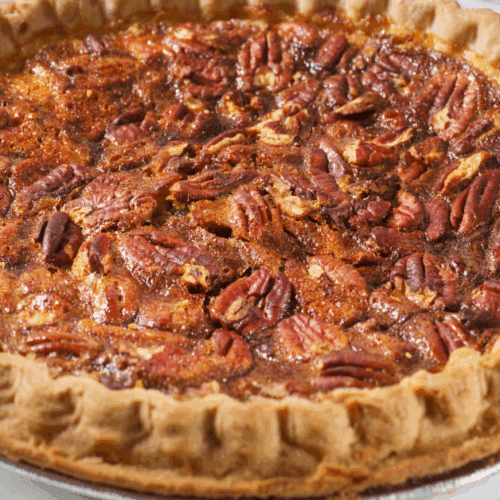
Pecan Pie
Ingredients
- 1 cup corn syrup
- 1 cup sugar
- 1/3 cup melted butter
- 3 eggs
- 1 tsp vanilla
- 1 1/2 cups pecans
- 1 pie crust.
Instructions
- Preheat oven to 350°F (175°C).
- Mix corn syrup, sugar, butter, eggs, and vanilla. Stir in pecans.
- Pour mixture into pie crust and bake for 60-70 minutes until set.
Frequently Asked Questions: The Sweet Legacy Of The Great Pecan Pie
What is the origin of pecan pie?
Pecan pie originated in the Southern United States, likely around the late 1800s. It became more popular in the early 1900s after the introduction of corn syrup, which gave the filling its signature texture.
Who invented pecan pie?
While no single person is credited with inventing it, pecan pie evolved from Southern and French influences, likely perfected by home bakers in Louisiana and Texas.
Is pecan pie a traditional Thanksgiving dessert?
Yes, pecan pie is a Thanksgiving staple in many households, especially in the South. It represents abundance and tradition, pairing beautifully with other holiday classics.
When did pecan pie become popular nationwide?
Pecan pie gained national attention during the early 20th century, largely due to Karo syrup advertisements and recipes published in American cookbooks.
What makes pecan pie uniquely Southern?
Its use of native pecans and rich, syrupy sweetness embodies the essence of Southern cooking — comforting, flavorful, and deeply rooted in tradition.
Can you make pecan pie without corn syrup?
Absolutely. Many bakers today use alternatives like maple syrup, honey, or molasses to create a more natural sweetness.

Conclusion: The Lasting Legacy of Pecan Pie
From its humble beginnings along the Mississippi River to its place of honor on Thanksgiving tables across America, pecan pie has become more than just dessert — it’s a piece of history baked into every slice. This beloved creation represents centuries of tradition, innovation, and the enduring spirit of Southern hospitality.
The pie’s combination of native pecans, rich sweetness, and buttery crust perfectly encapsulates what makes American cuisine so special: the blending of cultures, ingredients, and creativity into something timeless. Whether enjoyed warm with a scoop of vanilla ice cream or served at a family gathering, pecan pie connects generations through flavor and memory.
Its story is not only about food but about people — the farmers who grow the pecans, the grandmothers who pass down family recipes, and the bakers who continue to reinvent this classic with each generation. As modern variations emerge, the essence of pecan pie remains unchanged: a tribute to the South’s culinary ingenuity and America’s love for comfort and community.
So the next time you enjoy a slice of pecan pie, remember that you’re tasting a sweet piece of American history — one that continues to bring warmth, joy, and togetherness to tables around the world.
If you enjoyed exploring this topic and want to dive even deeper, be sure to check out some of our other articles here on Infinite Flavors. From rich culinary histories to creative twists on classic recipes, there’s always something new to discover. Whether you’re curious about the origins of a dish, looking for fresh inspiration in the kitchen, or simply love learning about food culture, our collection of posts is the perfect next step on your flavor journey.
The Delicious And Great Origin Of Pumpkin Spice Muffins
The Great History Of Classic Pumpkin Pie
The Great History Of Cinnamon Sugar Doughnuts Made With Biscuit Dough