The Great History Of Classic Pumpkin Pie
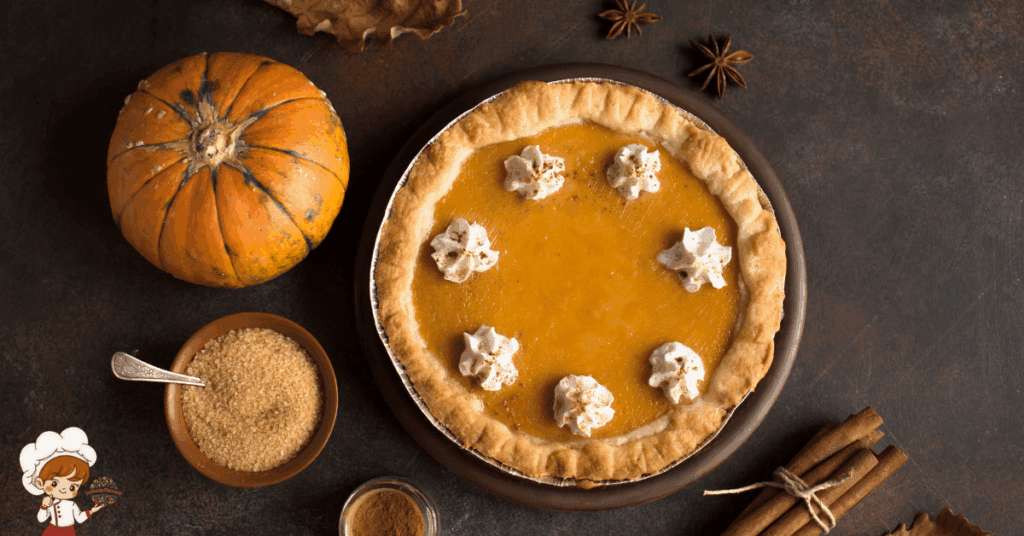
The Great History Of Classic Pumpkin Pie; Few desserts capture the spirit of autumn like classic pumpkin pie. With its creamy spiced filling, flaky crust, and unmistakable aroma of cinnamon and nutmeg, pumpkin pie has long been a symbol of comfort, harvest, and family togetherness. Every Thanksgiving table in America seems incomplete without it, yet few stop to consider where this beloved dessert actually came from.
The history of pumpkin pie stretches back centuries—through Native American traditions, early European settlers, and the birth of the modern American holiday table. What began as a humble harvest dish has become a cultural icon representing gratitude, warmth, and the changing of the seasons.
In this comprehensive deep dive, we’ll explore the fascinating journey of pumpkin pie’s origin, how it evolved over time, and why it remains a timeless favorite around the world.
The Ancient Roots of Pumpkin Pie: From the New World to the Old
Before the first pumpkin pie ever graced a colonial table, pumpkins themselves were already a staple of life for Indigenous peoples across the Americas. Native Americans cultivated pumpkins, squash, and gourds for thousands of years before European contact. These versatile vegetables were roasted, stewed, and dried for sustenance through the winter months.
Early European explorers encountering pumpkins for the first time marveled at their versatility. Christopher Columbus brought pumpkin seeds (then called “pepons,” from the Greek word for “large melon”) back to Europe in the late 15th century. Over time, the word evolved—from pepon to pompon, to pumpion in English, and finally pumpkin.
While pumpkins thrived in the fertile soils of Europe, early cooks weren’t making pies as we know them today. Instead, they often baked hollowed pumpkins filled with milk, honey, and spices directly in the coals of a fire—a primitive but delicious precursor to classic pumpkin pie.
Colonial America and the Birth of Pumpkin Pie
The colonial history of pumpkin pie begins in the 17th century, when English settlers brought with them the tradition of baking custard pies and adapting them to New World ingredients. Since pumpkins were abundant, affordable, and easy to grow, colonists quickly incorporated them into their cooking.
Early settlers made “pumpion pies,” combining stewed pumpkin with milk, eggs, and sweeteners like molasses or maple syrup. These were poured into pastry shells or sometimes baked directly in the pumpkin itself. A famous 1653 English cookbook, The Gentlewoman’s Companion, included a recipe for a pumpkin pie seasoned with cinnamon, nutmeg, and rosemary—a flavor profile that closely resembles modern versions.
However, it wasn’t until the late 18th century that pumpkin pie began to resemble the dessert we recognize today. Cookbooks like Amelia Simmons’ American Cookery (1796)—the first cookbook written by an American author—featured recipes for pumpkin pudding baked in a crust, marking one of the earliest appearances of the modern American pumpkin pie.
Pumpkin Pie and the Thanksgiving Connection
No food is more synonymous with Thanksgiving than pumpkin pie, yet the original 1621 Pilgrim feast at Plymouth did not feature it. While pumpkins were plentiful, settlers lacked flour for pastry crusts and ovens for baking. Instead, they likely enjoyed boiled or roasted pumpkin sweetened with honey or syrup.
The connection between pumpkin pie and Thanksgiving developed gradually over time. By the mid-1800s, as Thanksgiving became more widely celebrated across the United States—thanks in large part to writer and editor Sarah Josepha Hale, who campaigned for it to become a national holiday—pumpkin pie emerged as a staple of the feast.
Hale, the influential editor of Godey’s Lady’s Book, published recipes for pumpkin pie and promoted it as a symbol of unity and gratitude. When President Abraham Lincoln declared Thanksgiving a national holiday in 1863, pumpkin pie had already secured its place on American tables.
The Evolution of Classic Pumpkin Pie in American Kitchens
Throughout the 19th and 20th centuries, classic pumpkin pie evolved into the smooth, custard-like dessert we know today. The development of canned pumpkin puree in the early 1900s revolutionized home baking, making it easier for families to prepare pies year-round.
In 1929, the Libby’s company—already known for canned meats—began producing canned pumpkin puree, which became an instant household staple. Libby’s later introduced its now-famous “Libby’s 100% Pure Pumpkin,” which remains the foundation of most modern pumpkin pie recipes.
The mid-20th century saw pumpkin pie rise to even greater prominence as part of the postwar holiday tradition. Cookbooks, advertisements, and television specials all helped cement its place as the quintessential dessert of Thanksgiving.
Today, pumpkin pie remains one of the most recognizable and beloved desserts in American culture—appearing not only during the holidays but also inspiring everything from pumpkin spice lattes to muffins, cheesecakes, and ice cream.
The Cultural Symbolism of Pumpkin Pie
Pumpkin pie’s appeal goes beyond taste—it’s a symbol of comfort, nostalgia, and national identity. The pie’s warm spices—cinnamon, nutmeg, ginger, and cloves—evoke the sensory essence of fall, while its golden color and creamy texture represent the abundance of the harvest season.
In literature and art, pumpkin pie often symbolizes homecoming, family, and tradition. It appears in stories that celebrate gratitude, simplicity, and the beauty of gathering together. The phrase “as American as apple pie” could easily apply to pumpkin pie as well, especially considering its deep ties to American history and the Thanksgiving holiday.
Pumpkin pie has even taken on a modern cultural life of its own through the pumpkin spice craze—a flavor trend that has transcended the dessert itself to include everything from coffee to candles. This seasonal obsession speaks to pumpkin pie’s enduring influence on how people experience autumn.
The Global Influence of Pumpkin Pie and Similar Desserts
Though classic pumpkin pie is uniquely American in its identity, variations of spiced squash and custard desserts appear around the world.
In France, cooks have long made savory pumpkin tarts called tarte au potiron. In Japan, where pumpkin (known as kabocha) is highly prized, pumpkin-based sweets and pastries have become popular, especially during the fall season. Similarly, in Mexico, desserts such as calabaza en tacha—candied pumpkin cooked in brown sugar and cinnamon—reflect a similar appreciation for spiced pumpkin flavor.
These global variations demonstrate how a simple, earthy ingredient like pumpkin connects people across cultures and generations. Each dish, whether sweet or savory, celebrates the same idea—honoring the harvest and embracing warmth and comfort.
Why Pumpkin Pie Became a Thanksgiving Staple
The enduring connection between pumpkin pie and Thanksgiving is about more than just tradition—it’s about emotion and symbolism. The holiday itself was established to celebrate gratitude for abundance, community, and new beginnings. Pumpkin pie, with its humble roots and sweet simplicity, embodies those same values.
During the 19th century, as Thanksgiving spread throughout the United States, pumpkin pie was featured in countless local celebrations. By the early 20th century, it had become so deeply tied to the holiday that it was nearly impossible to imagine Thanksgiving dinner without it.
Even today, surveys show that more than 50 million pumpkin pies are baked each Thanksgiving in the United States. That’s a staggering testament to how integral this dessert has become to American culinary identity.
Pumpkin Pie in Modern Food Culture
In the modern era, pumpkin pie continues to evolve while retaining its classic charm. Professional chefs and home bakers alike experiment with crust styles, spices, and presentation, yet the essence remains unchanged.
You’ll find pumpkin pie infused with maple, topped with brown sugar streusel, or paired with caramelized pecans. Some bakers swap traditional dairy for coconut milk or almond milk to make it vegan-friendly, while others use alternative sweeteners to reduce sugar.
Even outside of the holiday season, pumpkin pie inspires countless desserts and beverages, including pumpkin spice cheesecake, pumpkin ice cream, and of course, the ever-popular pumpkin spice latte. Each variation pays homage to the pie that started it all.
The Enduring Legacy of Pumpkin Pie
More than just a dessert, pumpkin pie represents centuries of cultural exchange and culinary adaptation. From the Indigenous peoples who first cultivated pumpkins, to colonial settlers who adapted Old World recipes, to modern bakers who innovate with new techniques—pumpkin pie’s story is one of resilience and reinvention.
Every slice carries the flavors of history, family, and gratitude. Whether served at a bustling holiday dinner or enjoyed quietly with a cup of coffee on a crisp autumn morning, pumpkin pie reminds us that food is memory, emotion, and heritage combined.
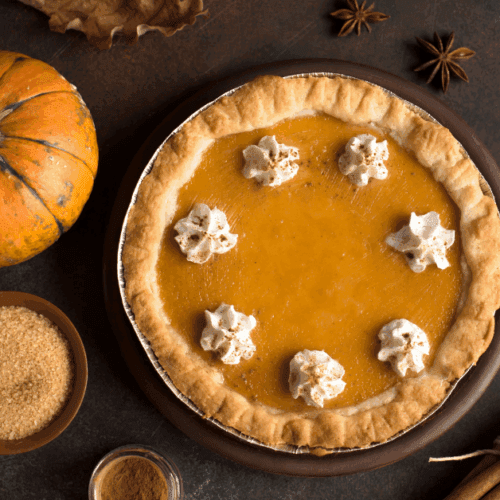
Easy Pumpkin Pie
Ingredients
- can 15 oz pumpkin puree,
- 3/4 cup sugar
- 1/2 tsp salt
- 1 tsp cinnamon
- 1/2 tsp ginger
- 1/4 tsp nutmeg
- 3 eggs
- 1 can 12 oz evaporated milk,
- 1 pie crust.
Instructions
- Preheat oven to 425°F (220°C).
- Mix pumpkin, sugar, salt, and spices.
- Add eggs and mix well, then stir in evaporated milk.
- Pour into the pie crust and bake for 15 minutes.
- Reduce temperature to 350°F (175°C) and bake for 35-40 minutes until set.
Frequently Asked Questions: The Great History Of Classic Pumpkin Pie
What is the origin of pumpkin pie?
Pumpkin pie originated in early colonial America, when settlers adapted European custard pie recipes using the pumpkins grown by Native Americans. The earliest versions appeared in English cookbooks during the 1600s.
Did the Pilgrims eat pumpkin pie at the first Thanksgiving?
No. While pumpkins were present, the Pilgrims lacked ovens and flour for pastry crusts. The pumpkin pie we know today was developed decades later.
When did pumpkin pie become associated with Thanksgiving?
Pumpkin pie became linked with Thanksgiving in the mid-19th century, popularized by Sarah Josepha Hale and widely embraced after President Lincoln’s 1863 Thanksgiving proclamation.
Why is pumpkin pie considered a classic American dessert?
Pumpkin pie reflects early American agriculture, resourcefulness, and seasonal cooking traditions. Its deep association with Thanksgiving makes it a cornerstone of American food culture.
Who invented canned pumpkin for pie?
Libby’s introduced its canned pumpkin puree in 1929, revolutionizing home baking by making pumpkin pie more convenient and consistent.
What spices are used in pumpkin pie?
Classic pumpkin pie typically includes cinnamon, nutmeg, ginger, and cloves—a blend that creates its signature warmth and flavor.
Is pumpkin pie eaten outside the United States?
Yes. Variations exist in Canada, where pumpkin pie is also a Thanksgiving staple, and in other countries that celebrate autumn harvest festivals.
How has pumpkin pie influenced modern food trends?
Pumpkin pie inspired the pumpkin spice flavor phenomenon, which now defines the fall season in everything from lattes to baked goods.

The Heart and Heritage of Classic Pumpkin Pie
The history and origin of pumpkin pie is a story that intertwines culture, agriculture, and celebration. From Native American fields to colonial kitchens, and from handwritten recipes to modern Thanksgiving feasts, pumpkin pie has always been more than just a dessert—it’s a symbol of gratitude, comfort, and home.
Each slice of classic pumpkin pie tells a story of survival, creativity, and the enduring human love for food that nourishes both body and spirit. It reminds us that the simplest ingredients—pumpkin, milk, eggs, and spice—can create something timeless, rich in flavor and meaning.
So the next time you savor a bite of warm, spiced pumpkin pie, remember that you’re tasting not just sweetness, but centuries of history and tradition baked into every delicious forkful.
If you enjoyed exploring this topic and want to dive even deeper, be sure to check out some of our other articles here on Infinite Flavors. From rich culinary histories to creative twists on classic recipes, there’s always something new to discover. Whether you’re curious about the origins of a dish, looking for fresh inspiration in the kitchen, or simply love learning about food culture, our collection of posts is the perfect next step on your flavor journey.
The Rich History And Origins Of Sweet Potato Pie
The Delicious And Great Origin Of Pumpkin Spice Muffins
The Great Sweet Story Behind Chocolate Pumpkin Muffins