8 Best Global Holiday Recipes To Try
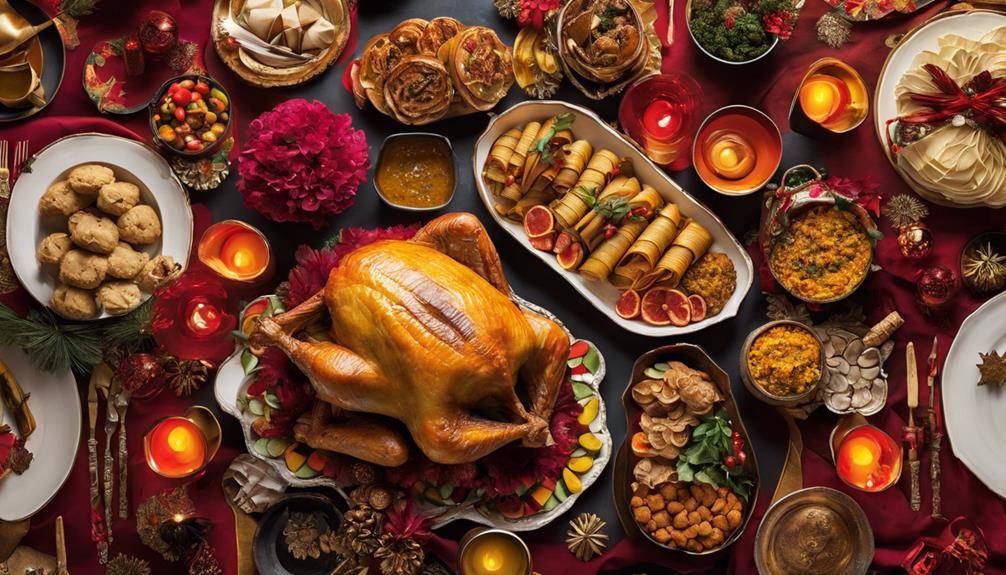
8 Best Global Holiday Recipes To Try: If you're looking to spice up your holiday meals, try these 8 global recipes. Start with Coquito from Puerto Rico, a coconut drink perfect for celebrations. Italian Panettone is a sweet bread filled with dried fruits, while France's Bûche De Noël offers a stunning chocolate yule log. Don't miss out on Mexican Tamales, filled with savory or sweet delights. For a festive treat, make Sufganiyot from Israel or traditional Gingerbread Cookies from Germany. Australia's Pavlova is a light dessert, and Norway's Kransekake adds elegance to any table. Keep exploring, because there are more delightful dishes waiting for you!
Coquito From Puerto Rico
Click Here and Turn Every Masterpiece into a Showstopper!
Coquito, a beloved holiday drink from Puerto Rico, combines the warmth of coconut and spices into a festive treat. You can't help but feel the holiday spirit as you sip this creamy concoction, often enjoyed during Nochebuena and Christmas celebrations. It's not just a drink; it's a symbol of Puerto Rican traditions that bring families together.
Making coquito is an opportunity for creativity, as you'll discover while exploring various Coquito variations. The classic recipe typically includes coconut milk, coconut cream, sweetened condensed milk, rum, and a mix of spices like cinnamon and nutmeg. However, you can easily customize your drink to suit your taste preferences. For instance, some people add vanilla for a richer flavor, while others might incorporate chocolate or even avocado for a unique twist.
You'll find that each family has its own cherished recipe, often passed down through generations. Sharing these variations becomes a delightful way to celebrate heritage and unite loved ones. Whether you prefer it traditional or with a twist, coquito brings a taste of Puerto Rico to any holiday gathering.
As you prepare your coquito, don't forget to invite friends and family to join in the fun. It's a great way to spread joy and create lasting memories. So, grab your ingredients, mix up a batch, and enjoy the festive flavors of this iconic drink that embodies the warmth of Puerto Rican culture.
Panettone From Italy
When you think of Italian holiday treats, panettone stands out with its rich history and delightful flavors. You'll want to explore its traditional ingredients and methods to appreciate what makes this sweet bread so special. Plus, we'll share some tips on how to serve and enjoy it for the best festive experience.
Traditional Ingredients and Methods
Panettone, a beloved Italian Christmas bread, showcases the rich culinary traditions of Italy through its unique blend of ingredients and time-honored methods. This sweet bread, often enjoyed during the festive season, features a combination of flour, sugar, eggs, butter, and a variety of dried fruits like raisins and candied citrus peel. Each ingredient plays a crucial role, contributing to the panettone's light and airy texture, as well as its delightful flavor.
The cultural significance of panettone extends beyond its delicious taste; it's a symbol of togetherness and celebration. Families often gather around the table, sharing slices of this iconic bread, creating lasting memories. Seasonal variations are also common, with regional recipes incorporating local ingredients and flavors. In some areas, you'll find chocolate chips or nuts mixed in, offering a twist on the traditional recipe.
Making panettone isn't a quick process. It requires patience and skill, typically involving a lengthy fermentation period to achieve that perfect rise. By embracing these traditional ingredients and methods, you'll not only create a festive treat but also honor the rich heritage of Italian holiday baking.
Serving and Enjoying Tips
To fully savor the delightful flavors of panettone, consider serving it at room temperature, allowing its rich, aromatic qualities to shine through. You can present it in various styles, whether sliced into wedges or served whole with a decorative touch. Placing it on a beautiful cake stand adds elegance to your table setting.
When it comes to flavor pairing, think about what complements panettone's sweet, fruity notes. A dusting of powdered sugar can enhance its appearance and taste. You might also enjoy it with a side of mascarpone or a dollop of whipped cream to elevate the experience. Pairing it with a hot beverage, like espresso or spiced mulled wine, can create a delightful contrast.
For a festive twist, try serving panettone with a selection of cheeses, such as creamy Brie or tangy Gorgonzola. The interplay of flavors will surprise and delight your guests. Remember, panettone can also be repurposed into delicious French toast or bread pudding for a next-day treat. Enjoying this Italian classic is all about creativity and finding the perfect balance with your chosen accompaniments.
Bûche De Noël From France
When it comes to making a classic Bûche de Noël, you'll want to focus on traditional ingredients like chocolate and chestnut. You'll also find that decorating this festive cake can be a fun and creative process, allowing you to showcase your personal style. Let's explore some techniques and tips to create your perfect holiday centerpiece.
Traditional Ingredients and Techniques
Bûche de Noël, or Yule log, is a classic French dessert that showcases traditional ingredients and techniques, making it a beloved holiday treat. When you set out to create this festive dessert, start with high-quality ingredients like rich chocolate, eggs, and freshly ground almonds. Sourcing these ingredients from local markets not only enhances the flavor but also supports your community.
For the cake, you'll employ a technique called génoise, a light sponge cake that requires careful folding of the batter to maintain its airy texture. This method is essential, as it allows the cake to roll without cracking. Once baked, you'll spread a decadent chocolate ganache over the cooled sponge, ensuring a smooth and luscious finish.
Don't forget to use a gentle hand when rolling the cake into its iconic log shape; this is where your patience pays off. By mastering these cooking techniques and focusing on ingredient sourcing, you'll create a stunning Bûche de Noël that not only impresses your guests but also connects you to the rich culinary traditions of France. Enjoy the process, and savor every bite of your creation!
Decorating Tips and Ideas
Creating a visually stunning Bûche de Noël goes beyond just mastering the cake and ganache; it's all about the finishing touches. You can elevate your dessert by considering its presentation alongside your festive centerpieces and holiday tableware. Start by dusting the cake with powdered sugar to mimic fresh snow, giving it that winter wonderland vibe.
For added flair, use edible decorations like candied fruits or chocolate mushrooms. Position these elements thoughtfully to draw attention to the Bûche de Noël. If you've got fresh berries or seasonal greenery, arrange them around the base of the cake to create a natural, rustic look.
When it comes to serving, choose elegant holiday tableware that complements the cake's colors. A simple white plate can make the rich chocolate tones pop. You might also consider layering your table with festive linens that echo the holiday spirit.
Lastly, don't forget about the lighting! Soft, warm lights can create a cozy atmosphere, making your dessert the star of your holiday spread. With these tips, your Bûche de Noël will not only taste delicious but also look like a centerpiece worthy of admiration.
Tamales From Mexico
Tamales from Mexico are a beloved culinary tradition that brings families together during celebrations and holidays. You'll find these delicious treats at gatherings, where loved ones come together to share stories and laughter while enjoying food. The key to making tamales lies in the masa preparation, which involves mixing masa harina (corn flour) with water, lard, and seasonings until you achieve a smooth dough. This process sets the foundation for the delightful pockets of flavor you're about to create.
Next, you'll choose your festive fillings. Popular options include savory meats like pork, chicken, or beef, often cooked with spices and sauces that enhance their flavor. For a unique twist, consider using vegetables, cheese, or even sweet fillings like fruit or chocolate. Once you've selected your fillings, you'll spread the masa onto corn husks, add a generous spoonful of your chosen filling, and fold them neatly for steaming.
After the tamales are assembled, you'll place them in a steamer pot, allowing the flavors to meld while they cook. The aroma that fills your kitchen will make it hard to wait! Once done, serve them hot with salsa or crema for dipping. Making tamales isn't just about the food; it's about the memories you create with your family and friends. So roll up your sleeves, gather your loved ones, and enjoy this delicious Mexican tradition together!
Sufganiyot From Israel
When it comes to Hanukkah celebrations in Israel, sufganiyot are a must-have treat that sweetens the festivities. These delicious jelly-filled doughnuts symbolize the miracle of oil, and they play a significant role in the holiday's traditions. With their origins tracing back to the 16th century, sufganiyot have evolved over the years, gaining popularity not just in Israel but around the world.
Making sufganiyot is an experience you won't forget. You'll start with a rich, yeasted dough that puffs up beautifully when fried, creating a golden-brown exterior that's crispy on the outside and soft on the inside. The fun really begins when you consider the various sufganiyot fillings. While traditional choices like strawberry or raspberry jam are classic favorites, you can also get creative with fillings like chocolate, caramel, or even custard. The choice is yours, and experimenting with flavors can make your sufganiyot truly unique.
Once fried to perfection, you'll roll them in powdered sugar for that extra touch of sweetness. As you take that first bite, the warm filling oozes out, and you can't help but enjoy the festive spirit that surrounds you. Whether you're celebrating Hanukkah with family or friends, making and sharing sufganiyot is a delightful way to honor sufganiyot history while indulging in a scrumptious treat. So, gather your ingredients, roll up your sleeves, and immerse yourself in this sweet holiday tradition!
Click Here and Turn Every Masterpiece into a Showstopper!
Gingerbread Cookies From Germany
Gingerbread cookies are a beloved holiday staple in Germany, enchanting everyone with their spicy aroma and festive shapes. The gingerbread history in Germany dates back to the Middle Ages when monks first began baking these delightful treats. Over the years, recipes evolved, leading to the rich and diverse cookie variations we see today.
When you think of German gingerbread, you can't overlook the iconic Lebkuchen. These cookies often come in heart shapes, decorated with intricate icing and sometimes filled with fruit or nuts. You'll also find spicy and chewy varieties, which are a delightful contrast to the crispness of others. Each region in Germany has its own unique twist, making gingerbread a truly versatile treat.
To make your own gingerbread cookies, you'll want to gather ingredients like honey, molasses, and a blend of warm spices such as cinnamon, ginger, and cloves. As you mix the dough, you'll notice the sweet, spicy scent filling your kitchen, creating an irresistible atmosphere. Once baked, you can decorate them with royal icing, adding a personal touch that makes each cookie special.
These cookies aren't just for eating; they're also perfect for decorating your home during the holiday season. Hang them on your tree, or create a festive centerpiece for your table. Whatever you choose, baking gingerbread cookies is a delightful way to share a piece of German tradition with family and friends. Enjoy the process, and let the festive spirit inspire you!
Pavlova From Australia
Pavlova, a light and airy meringue dessert, is a true Australian favorite that captures the essence of summer celebrations. With its crisp exterior and soft, marshmallow-like center, this delightful treat brings joy to any gathering. The pavlova history is a bit of a culinary rivalry, as both Australia and New Zealand claim its origins. However, it's widely accepted that this dessert was named after the Russian ballerina Anna Pavlova during her tour of Australia and New Zealand in the 1920s.
To make your own pavlova, you'll need just a few simple ingredients: egg whites, sugar, vinegar, and cornstarch. Once whipped to perfection, you can shape it into a stunning round shell and bake it low and slow until it achieves that signature texture. The real fun comes with pavlova variations. You can top your creation with fresh fruits like kiwis, strawberries, and passionfruit or drizzle it with luscious whipped cream. Some people even like to add chocolate shavings or a touch of lemon curd for an extra zing!
Whether you're serving it at a holiday dinner or a summer barbecue, pavlova is sure to impress. It's light enough to enjoy after a hearty meal yet decadent enough to feel like a special treat. So, gather your ingredients, channel your inner pastry chef, and immerse yourself in the sweet world of pavlova. You won't regret it!
Kransekake From Norway
Kransekake is a stunning Norwegian dessert that often graces festive occasions, much like the pavlova does in Australia. This towering cake, made from almond flour, sugar, and egg whites, is a true showstopper at any celebration. You'll typically find it at weddings, Christmas, and other significant festivities in Norway, symbolizing joy and togetherness.
To create this delightful masterpiece, you'll need a special set of ring molds that stack neatly to form a cone shape. As you bake each layer, the sweet aroma of almonds will fill your kitchen, setting the mood for your festive celebrations. Once cooled, you can decorate it with a drizzle of icing, and don't forget to add marzipan ornaments for that extra flair!
Kransekake embodies Norwegian traditions, representing not just a delicious treat but also a cultural artifact. It's often served with champagne or a hot beverage, making it a centerpiece that sparks conversations and laughter among friends and family. Each bite offers a chewy texture combined with a rich almond flavor, enchanting everyone's taste buds.
When you present this cake, you're not just serving dessert; you're sharing a piece of Norway's holiday spirit. So, whether you're celebrating Christmas or a wedding, don't miss the chance to try your hand at making kransekake. It'll surely become a cherished tradition in your own festive celebrations!
Click Here and Turn Every Masterpiece into a Showstopper!
Frequently Asked Questions: 8 Best Global Holiday Recipes To Try
Can I Make These Recipes Gluten-Free or Vegan?
Absolutely, you can easily adapt those recipes! Use gluten alternatives like almond flour or oat flour, and make vegan swaps by substituting dairy with plant-based options. Your dishes will be delicious and accommodating for everyone!
What Are the Best Substitutes for Common Ingredients?
When you're looking for ingredient swaps, consider using applesauce for eggs or almond flour instead of wheat flour. These changes not only accommodate dietary needs but also provide flavor enhancements that can elevate your dishes.
How Can I Adjust Serving Sizes for Large Gatherings?
To adjust serving sizes for large gatherings, focus on portion control by calculating how many servings each recipe yields. Then, scale recipes accordingly, ensuring you have enough for everyone while avoiding waste. Enjoy the celebration!
What Are the Ideal Storage Conditions for These Dishes?
To guarantee freshness, store your dishes in airtight containers at ideal temperatures—typically between 32°F and 40°F. This'll help maintain flavor and texture, allowing you to enjoy your food longer without compromising quality.
Are There Any Cultural Significance or Traditions Associated With These Recipes?
Every dish has cultural origins, reflecting festive rituals that bring families together. You'll find that these recipes often symbolize unity, celebration, and heritage, making them integral to the traditions and gatherings that define various cultures.

Conclusion
So, whether you're sipping on coquito or indulging in a slice of panettone, trying these global holiday recipes is sure to bring joy to your celebrations. Each dish tells a unique story and connects you to different cultures. Don't hesitate to gather your loved ones, pick a few recipes, and create delicious memories together. Embrace the flavors of the world this holiday season, and who knows, you might just discover a new favorite tradition!