Mastering High-Protein Diet: Your Essential Cooking Guide
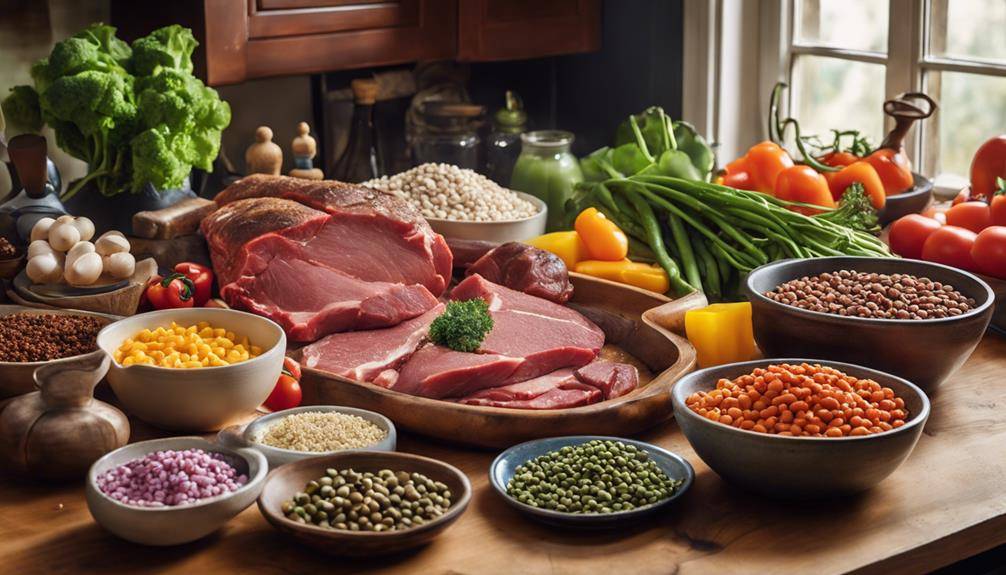
Diet: Your Essential Cooking Guide: Mastering a high-protein diet is key to boosting your energy and supporting muscle growth. You'll want to include a mix of protein sources, like lean meats, dairy, legumes, and nuts. Meal prep is essential, so organize your kitchen and stock up on high-protein staples. Don't forget to spread your protein intake throughout the day for maximum benefits. Experiment with different cooking techniques to keep your meals exciting, from grilling to sautéing. With the right strategies and delicious recipes, you'll find it easy to stay on track and enjoy your journey to better health. Discover more tips and ideas as you go!
Understanding Protein's Role
Click Here and Turn Every Masterpiece into a Showstopper!
Protein plays an essential role in your body, serving as the building blocks for muscles, tissues, and enzymes. Every time you eat, your body breaks down dietary protein into amino acids, which are critical for various bodily functions. These amino acids are then reassembled through a process called protein synthesis, allowing your body to repair damage, grow, and maintain its overall health.
When you consume protein, it's converted into amino acids that enter your bloodstream. From there, these amino acids are transported to different cells where they're used to build new proteins. This process is crucial for muscle recovery after workouts, supporting injury healing, and guaranteeing that your immune system functions effectively. Without adequate protein intake, your body can struggle to perform these essential functions, leading to weakness and fatigue.
It's important to note that not all proteins are created equal. There are complete proteins, which contain all nine essential amino acids, and incomplete proteins, which lack one or more of these essential components. Animal-based proteins, like meat, dairy, and eggs, are typically complete, while many plant-based sources, such as beans and nuts, are incomplete.
To support ideal protein synthesis, aim to include a variety of these protein sources in your diet. By doing so, you can guarantee that your body gets the necessary amino acids it needs to thrive. Balancing your protein intake will not only help you maintain muscle mass but also keep your overall health in check.
Benefits of High-Protein Diets
A high-protein diet can greatly support muscle growth, helping you achieve your fitness goals more effectively. It also aids in weight management by keeping you fuller for longer, reducing the urge to snack. As you explore these benefits, you'll see how protein plays an essential role in your overall health and wellness.
Muscle Growth Support
When you're aiming to build muscle, incorporating a high-protein diet can greatly enhance your results. Protein plays a crucial role in muscle recovery, helping your body repair and grow muscle fibers after intense workouts. By consuming adequate protein, you provide your muscles with the necessary building blocks, which can lead to quicker recovery times and improved gains.
Timing your protein intake is just as important as the amount you consume. Aim to distribute your protein consumption throughout the day, especially around your workouts. Consuming protein within 30 minutes post-exercise can maximize muscle protein synthesis, ensuring that your body efficiently uses the nutrients for recovery and growth.
Incorporating a variety of protein sources—like lean meats, dairy, legumes, and plant-based options—can also help you meet your daily protein needs while providing essential nutrients. Remember, it's not just about hitting your protein goals; it's about doing it consistently and strategically. With the right approach to protein timing and recovery, you'll set yourself up for success on your muscle-building journey. So, focus on fueling your body effectively, and watch your muscle growth soar.
Weight Management Aid
Incorporating a high-protein diet can be a game changer for weight management. By focusing on nutrient-dense foods, you can create a caloric balance that supports your goals without feeling deprived. High-protein meals help with hunger management, keeping you satisfied longer and making it easier to practice portion control. This means you're less likely to overeat during meals or snack mindlessly.
Meal timing also plays an essential role; eating protein-rich foods throughout the day can keep your metabolism boosted and energy levels stable. This boosts your body's ability to burn calories, facilitating weight loss or maintenance. When you make mindful eating choices, you'll find it easier to prioritize high-protein options, steering clear of empty calories that don't contribute to your health.
Key Protein Sources
Protein is an essential component of any high-protein diet, and knowing where to find it can make meal planning easier. When you think about key protein sources, animal products like chicken, turkey, lean beef, and fish come to mind. These foods are not only rich in protein but also contain important nutrients that enhance your overall health. Eggs are another fantastic option, packed with protein and versatile for any meal.
Dairy products like Greek yogurt and cottage cheese are also excellent choices if you're looking for protein-rich snacks. They're convenient, delicious, and easy to incorporate into your daily routine. If you're in need of quick snacks, think about options like beef jerky or protein bars. Just make sure to check the labels to guarantee they're high in protein and low in added sugars.
When planning your meals, it's vital to reflect on protein absorption factors. Consuming protein alongside healthy fats and carbohydrates can enhance your body's ability to utilize the protein effectively. For example, pairing grilled chicken with avocado and quinoa not only boosts your protein intake but also improves nutrient absorption.
Incorporating a variety of these key protein sources into your diet will help you stay energized and satisfied throughout the day. So, whether you're preparing a hearty breakfast or a quick snack, focus on these protein-packed options to meet your dietary goals.
Plant-Based Protein Options
When you're looking to boost your protein intake without meat, plant-based options like legumes, pulses, nuts, and seeds are fantastic choices. These foods not only pack a protein punch but also offer a variety of nutrients and flavors. Let's explore how you can incorporate these ingredients into your meals for a delicious and nutritious boost.
Legumes and Pulses
Legumes and pulses are among the most versatile and nutritious plant-based protein options you can include in your diet. These foods, which include lentils, chickpeas, black beans, and kidney beans, offer a fantastic source of protein and fiber while being low in fat. You'll find that there are numerous legume varieties to explore, each with its unique flavor and texture.
Incorporating legumes into your meals is easy. You can whip up comforting soups, hearty stews, or even salads that are packed with protein. If you're looking for quick ideas, try simple pulse recipes like a spicy lentil curry or a chickpea salad with fresh veggies. These dishes are not only satisfying but also incredibly easy to prepare.
Moreover, legumes can serve as a meat substitute in various recipes, making them perfect for vegetarians or anyone looking to reduce their meat intake. So, don't hesitate to experiment with different legumes and pulses in your cooking. You'll discover endless possibilities that keep your meals exciting while meeting your protein needs. Embrace the world of legumes, and enjoy the health benefits they bring!
Nuts and Seeds
Nuts and seeds are fantastic sources of plant-based protein that can easily enhance your diet. They're versatile, nutritious, and can be incorporated into your meals in countless ways. You can start your day with a delicious chia pudding topped with your favorite nuts or seeds, giving you a protein boost right from the get-go.
Nut butter, like almond or peanut, makes for a creamy addition to smoothies or spreads on whole-grain toast. You can also whip up your own nut milks at home, providing a dairy-free source of protein for your morning coffee or cereal. For a satisfying snack, consider making homemade protein bars or a trail mix that combines various nuts and seeds for a crunchy, energy-packed treat.
Don't forget about seed toppings for salads or yogurt; they add texture and nutritional value. You can even get creative with nut-based dressings to elevate your meals. For a crunchy snack, try seed crackers, which are a great alternative to traditional chips. With these options, you'll easily meet your protein needs while enjoying delicious flavors.
Animal-Based Protein Sources
Discovering the best animal-based protein sources can elevate your high-protein diet and enhance your meals. Lean meats like chicken breast, turkey, and lean cuts of beef or pork are excellent choices. They provide substantial protein without excessive fat, making them ideal for your meal prep. Don't forget about poultry varieties; they're versatile and can be grilled, baked, or sautéed using various cooking methods to suit your taste.
Dairy products are another fantastic source of protein. Greek yogurt and cottage cheese, for instance, pack a protein punch and can be enjoyed as snacks or incorporated into smoothies. If you enjoy seafood options, consider salmon, tuna, or shrimp. These not only offer high-quality protein but also come with healthy omega-3 fatty acids.
Eggs benefits are hard to overlook—they're an affordable and complete protein source. You can scramble, poach, or hard-boil them, making them perfect for breakfast or a quick snack. If you're looking to boost your protein intake further, protein supplements like whey or casein can be a convenient addition to your routine.
When planning your meals, pay attention to portion sizes to guarantee you're getting the right amount of protein. Flavor pairings are also essential; try herbs, spices, and marinades to enhance the taste of your animal-based protein sources. With these options, you'll create delicious, high-protein meals that keep you satisfied and energized throughout the day.
How Much Protein Do You Need?
When planning your high-protein diet, it's crucial to know how much protein you actually need to support your health and fitness goals. Your protein intake should be tailored to your individual needs, which can vary based on several factors like activity levels, age, and health conditions. The general dietary guidelines suggest that adults should aim for about 0.8 grams of protein per kilogram of body weight, but if you're active or looking to build muscle, you might require up to 1.6 grams or more.
Understanding how different factors influence your protein requirements is key. For instance, as you age, your body might need more protein to maintain muscle mass. Additionally, certain health conditions, such as metabolic disorders, can alter your protein needs.
Protein timing and meal frequency also play a role in optimizing your intake. Spreading your protein consumption throughout the day can enhance absorption rates and muscle synthesis. Combining various protein sources—like meats, dairy, legumes, and nuts—can help you achieve a complete amino acid profile, maximizing the benefits of your meals.
Meal Planning Strategies
With a clear understanding of your protein needs, you can now focus on effective meal planning strategies that align with your dietary goals. Start by organizing your kitchen to make grocery shopping easier. Keep your pantry stocked with budget-friendly, high-protein staples like beans, lentils, and canned tuna. When you plan your meals, be certain to incorporate recipe variety to keep things interesting and guarantee you're getting a wide range of nutrients.
Portion control is essential, so consider pre-portioning your meals during your meal prep sessions. This not only saves time but also helps you avoid overeating. Involve your family in the planning process; it's a great way to get everyone on board with healthy eating. Plus, cooking together can be a fun bonding experience.
Make use of seasonal ingredients to save money and enhance flavor. They're often fresher and more nutritious. When you're busy, having quick snack alternatives on hand can help you stick to your high-protein goals. Think Greek yogurt, mixed nuts, or protein bars.
Time management is key. Set aside one day a week for meal prep, so you can focus on cooking in bulk. This way, you'll have ready-to-eat meals that fit your protein needs. By mixing all these strategies, you'll not only simplify your week but also enjoy delicious, high-protein meals that cater to your lifestyle.
Cooking Techniques for Protein
Mastering a few key cooking techniques can greatly enhance the protein content and flavor of your meals. Start by exploring grilling techniques, which not only infuse a smoky flavor but also allow excess fat to drip away, making your protein choices leaner. If you prefer a hands-off approach, baking methods work well for proteins like chicken or fish, ensuring even cooking without much fuss.
For a quick, flavorful option, try sautéing options with healthy oils and fresh herbs; this method retains moisture and boosts taste. Poaching tips can also keep proteins tender—just simmer in broth or water for a light, healthy dish. Don't forget about marinating ideas; a good marinade can add depth to your protein while also tenderizing tougher cuts.
Steaming approaches are another great way to prepare proteins while preserving nutrients. The broiling benefits are similar, giving you a crispy exterior without drying out your protein. If you're looking for comfort food, slow cooking strategies allow flavors to meld beautifully over time, making tougher meats fork-tender and delicious.
For those busy days, pressure cooking advantages come into play, dramatically reducing cooking time while keeping proteins juicy and flavorful. Finally, consider frying alternatives like air frying, which cuts down on oil but still provides a satisfying crunch. By employing these techniques, you'll not only boost your protein intake but also elevate your culinary skills.
Click Here and Turn Every Masterpiece into a Showstopper!
High-Protein Breakfast Ideas
When it comes to kickstarting your day with a boost of energy, high-protein breakfasts are your best bet. From protein-packed smoothie recipes to savory egg breakfasts and delicious overnight oats variations, there are plenty of tasty options to explore. Let's look at some ideas that will keep you full and satisfied all morning long.
Protein-Packed Smoothie Recipes
Smoothies often make for an ideal high-protein breakfast, providing a quick and delicious way to fuel your day. They're versatile and can be packed with nutrient-dense smoothie ingredients that cater to your taste and dietary needs. Start with a base of yogurt or milk, then add protein powders for that extra boost.
Experiment with flavor combinations like banana and almond butter or spinach and mango for a revitalizing twist. Don't forget to balance your nutrients by incorporating seasonal fruits, which not only enhance flavor but also add vitamins and minerals. You can prepare breakfast smoothies in advance, making meal prep a breeze for those busy mornings.
If you're looking for post-workout smoothies, consider adding oats or nut butter for sustained energy. For vegan options, use plant-based protein powders and almond milk, and mix in some chia seeds for added fiber. Finally, elevate your smoothie experience by turning it into a smoothie bowl, topping it with granola, nuts, or fresh fruits. With these protein-packed recipes, you'll enjoy a delicious and nutritious start to your day!
Savory Egg Breakfasts
Kickstart your morning with savory egg breakfasts that are both delicious and high in protein. Eggs are incredibly versatile, allowing for endless egg variations to suit your taste. You can scramble, poach, or fry them, tailoring each method to create a satisfying meal.
Try a classic vegetable omelet packed with spinach, tomatoes, and bell peppers for a nutrient boost. If you're in the mood for something different, whip up a shakshuka with poached eggs in a spicy tomato sauce. Each bite is bursting with flavor and protein!
Don't forget about breakfast toppings to elevate your egg creations. A sprinkle of feta cheese adds creaminess, while fresh herbs like chives or cilantro introduce a revitalizing twist. You can also top your eggs with avocado slices or a dollop of Greek yogurt for healthy fats and extra protein.
For a quick option, consider egg muffins baked with your favorite veggies and cheese. These are easy to make ahead and perfect for busy mornings. With these savory egg breakfast ideas, you'll not only fuel your day but also enjoy a delicious start!
Overnight Oats Variations
For a quick and nutritious breakfast option, consider overnight oats variations that are high in protein. Start with rolled oats and mix in your favorite dairy alternatives, like almond or soy milk, for a creamy base. To amp up the protein, add Greek yogurt or protein powder to your overnight combinations.
When it comes to flavor variations, think beyond the basics. Try cocoa powder for a chocolatey treat or cinnamon for warmth. Sweeteners options like honey or maple syrup can enhance the flavor, but remember to use them sparingly.
Incorporate seasonal ingredients, such as pumpkin puree in the fall or fresh berries in the summer, to keep things exciting. For texture enhancements, consider adding chia seeds or flaxseeds, which thicken the mixture and provide extra nutrients.
Don't forget your fruit toppings! Sliced bananas, diced apples, or mixed berries can add freshness. Nut butters, like almond or peanut, also make delicious toppings that bring in healthy fats. Experiment with different topping ideas and preparation tips to find your perfect high-protein overnight oats recipe!
Delicious Lunch Recipes
Often, a nourishing lunch can make all the difference in your day, especially when you're following a high-protein diet. You need meals that not only satisfy but also fuel your body. Let's explore some delicious options that are both nutritious and easy to prepare.
Start with healthy grain bowls. These bowls can be customized to your taste. Use a base of quinoa or brown rice, and top it with grilled chicken or chickpeas for that extra protein punch. Add a mix of colorful veggies like bell peppers, spinach, and carrots, then drizzle with a tangy vinaigrette for flavor. You'll find that the hearty grains and protein-rich toppings will keep you energized throughout the afternoon.
Another fantastic option is protein-rich salads. Think beyond the basic greens. Combine spinach, kale, or arugula with toppings like boiled eggs, nuts, or seeds. Toss in some grilled salmon or turkey slices to boost the protein content further. For an added touch, include a variety of beans, such as black beans or lentils, which are not only high in protein but also provide fiber, keeping you full longer.
Remember to get creative with your dressings—yogurt-based dressings can be a healthier alternative. With these healthy grain bowls and protein-rich salads in your repertoire, you'll be well-equipped to enjoy satisfying lunches that help you stay on track with your high-protein diet.
Satisfying Dinner Options
After enjoying a nourishing lunch, it's time to think about dinner options that can round out your high-protein diet. You want meals that not only satisfy your hunger but also help you meet your nutritional goals. Consider hearty casseroles, which are perfect for combining various protein sources. A chicken and quinoa casserole, for instance, allows you to mix veggies, lean chicken, and the power of quinoa into a single dish that's both filling and nutritious. Just layer your ingredients in a baking dish, top with some cheese, and let it bake until bubbly.
If you're in the mood for something a bit lighter, flavorful stir fries are another excellent option. You can whip up a quick stir fry with shrimp, tofu, or chicken, tossing in an array of colorful vegetables for added nutrients. Don't forget to season it well with your favorite sauces or spices to keep things exciting. Serve it over brown rice or cauliflower rice to keep the protein content high while also adding some healthy carbs.
Another idea is to grill or bake a lean cut of meat, like salmon or turkey. Pair it with a side of steamed broccoli or a fresh salad to create a balanced plate. Whichever route you choose, ensuring your dinner is rich in protein will keep you satisfied and energized for the evening ahead. Enjoy the process of crafting these wholesome meals, and relish the benefits they bring to your health.
High-Protein Snacks to Try
When you're looking for a quick energy boost, high-protein snacks can make all the difference. From nutritious energy bites to creamy protein-packed smoothies and savory jerky varieties, there's something for everyone. Let's explore some tasty options that will keep you satisfied throughout the day.
Nutritious Energy Bites
Nutritious energy bites make for the perfect high-protein snack, combining convenience with deliciousness. They're easy to prepare and packed with nutrient-dense ingredients that provide lasting energy. You can whip them up in minutes, making them a great choice for busy days or post-workout recovery.
To create your own energy bites, start with a base of oats or nut butter for that protein kick. Add in ingredients like protein powder, chia seeds, or flaxseeds to boost the protein content even further. Sweeten them naturally with honey or maple syrup, and then get creative with flavor pairings. Consider mixing dark chocolate chips with almond butter for a delightful treat, or try dried fruit and coconut flakes for a tropical twist.
Don't forget to experiment with spices too! A dash of cinnamon or a hint of vanilla can elevate your bites to the next level. After mixing everything together, simply roll the mixture into small balls and refrigerate them. You'll have a stash of nutritious energy bites ready to fuel your day, keeping you satisfied and energized whenever hunger strikes.
Protein-Packed Smoothie Ideas
A protein-packed smoothie can be a game-changer for your snacking routine, offering a quick and delicious way to boost your protein intake. You can create endless combinations by experimenting with various smoothie ingredients. Start with a base like Greek yogurt or protein powder for that essential protein kick. Then, add in fruits like bananas or berries for natural sweetness and a dose of vitamins.
Don't forget about healthy fats! A tablespoon of nut butter or chia seeds can enhance the texture and keep you feeling satisfied longer. When it comes to blending techniques, make certain to layer your ingredients properly. Start with liquids at the bottom, followed by softer items like yogurt, and then your frozen fruits. This helps guarantee a smooth blend without any chunks.
For a chocolate fix, try a scoop of cocoa powder with almond milk and a banana. Alternatively, a green smoothie with spinach, avocado, and protein powder can be both nutritious and filling. With just a few simple steps, you can whip up a high-protein snack that's not only tasty but also nourishing. So, grab your blender, and get creative!
Savory Jerky Varieties
For those seeking a savory, high-protein snack, jerky varieties offer a satisfying solution that's both portable and flavorful. You can't go wrong with classic beef jerky, renowned for its rich taste and protein punch. If you're looking for something lighter, turkey jerky is a fantastic alternative, boasting lower fat while still delivering a hearty snack. Salmon jerky brings a unique twist with its omega-3 benefits and distinct flavor, perfect for seafood lovers.
For those following a plant-based diet, vegan jerky made from soy, mushrooms, or seitan provides a chewy, satisfying option. The variety of jerky marinades and seasoning blends available allows you to customize flavors to suit your palate, from spicy to sweet.
If you're feeling adventurous, consider jerky making at home. You can experiment with your favorite ingredients while controlling the sodium and additives. Guarantee proper jerky storage in an airtight container to maintain freshness and texture. With these savory jerky varieties, you'll have plenty of high-protein snacks to keep you energized throughout the day!
Common Mistakes to Avoid
What pitfalls should you steer clear of when adopting a high-protein diet? First, don't fall into the trap of neglecting protein timing. Consuming protein at strategic intervals throughout the day can maximize muscle synthesis and optimize your energy levels. Instead of cramming all your protein into one meal, aim to distribute your intake evenly across meals and snacks.
Another common mistake is misjudging your portion sizes. It's easy to overestimate how much protein you really need. While protein is crucial, consuming excessive amounts can lead to unnecessary calorie intake and stress on your kidneys. Use a reliable guideline to determine your needs based on your activity level and fitness goals.
Also, don't forget to balance your meals. Focusing solely on protein can lead you to overlook other essential macronutrients, like healthy fats and carbohydrates. Incorporate a variety of foods to guarantee you're getting a well-rounded diet that supports overall health.
Lastly, watch out for the temptation to rely on protein supplements too much. While they can be convenient, whole food sources provide additional nutrients and health benefits that supplements can't match.
Staying Motivated on Your Journey
Staying motivated on your high-protein journey can often feel challenging, but it's essential for achieving your goals. To keep your motivation high, start with effective goal setting. Break your larger goals into smaller, manageable milestones. For instance, aim to incorporate a specific number of high-protein meals each week or to try a new protein-rich recipe every weekend. This approach not only makes your goals feel more attainable but also gives you a sense of accomplishment as you check them off.
Another powerful tool for maintaining motivation is progress tracking. Document your meals, workouts, and how you feel physically and mentally. This can be as simple as keeping a journal or using an app. Seeing your progress over time can boost your confidence and remind you of how far you've come. When you hit a plateau or face challenges, looking back at your achievements can reignite your determination.
Don't forget to celebrate your successes, no matter how small they may seem. Reward yourself with something enjoyable—like a new cookbook or a fun outing. Surround yourself with supportive friends or family who understand your goals, as their encouragement can be a great motivator.
Lastly, be kind to yourself. Everyone faces setbacks, and it's important to recognize that progress isn't always linear. Stay focused on your path, keep your goals in sight, and remember that every step forward is a step in the right direction.
Click Here and Turn Every Masterpiece into a Showstopper!
Frequently Asked Questions: Diet: Your Essential Cooking Guide
Can a High-Protein Diet Help With Weight Loss?
Yes, a high-protein diet can aid weight loss. By incorporating diverse protein sources, you'll improve satiety levels, support weight management, and enhance meal planning, helping you achieve dietary balance and sustainable lifestyle changes.
Are High-Protein Diets Safe for Everyone?
High-protein diets aren't safe for everyone. You should consider protein sources, dietary restrictions, and health conditions. Be mindful of protein timing, long-term effects, and protein absorption to optimize meal planning and athletic performance.
How Do I Know if I'm Getting Enough Protein?
To know if you're getting enough protein, monitor your protein intake from various protein sources like meat, beans, and nuts. Aim for balanced meals, and consider tracking your daily consumption to guarantee you meet your needs.
Can I Combine Protein Sources for Better Nutrition?
Yes, you can combine protein sources for better nutrition. By practicing protein pairing, you enhance amino acid profiles, ensuring your body gets all essential amino acids. Mixing plant and animal proteins is a great strategy!
What Are Common Misconceptions About High-Protein Diets?
You might think high-protein diets are only for bodybuilders, or that they harm kidneys. These protein myths stem from outdated dietary beliefs. In reality, they can be beneficial when balanced with other nutrients.

Conclusion
Mastering a high-protein diet can transform your health and energy levels. By understanding protein's role, exploring diverse sources, and creating satisfying meals and snacks, you'll find it easier to stick with your goals. Remember to avoid common pitfalls and stay motivated on your journey. Embrace the delicious possibilities that come with a high-protein lifestyle, and watch as your body and mind thrive. You've got this—keep pushing forward and enjoy the benefits of your hard work!