Easy Microwaving Tips For Office Lunches
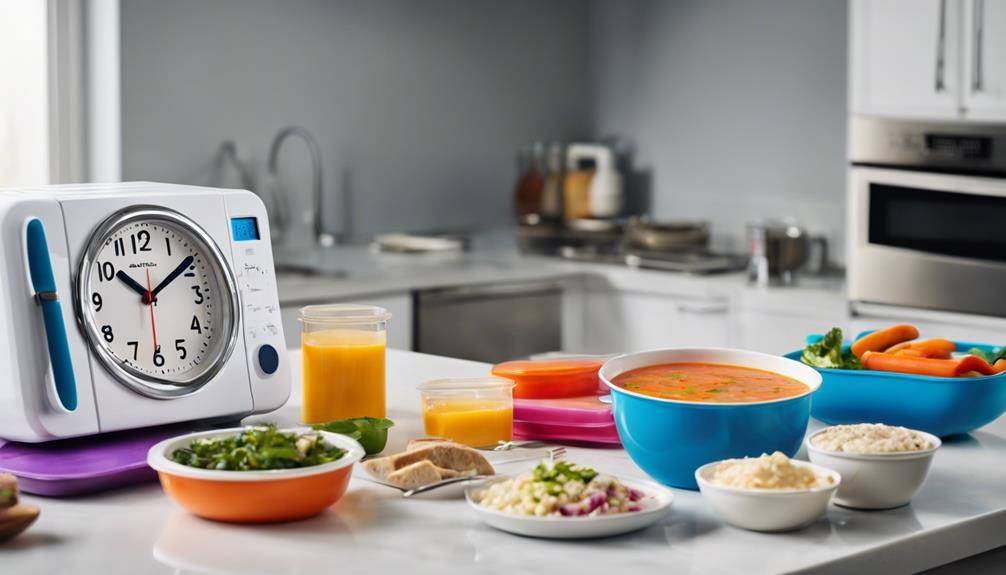
Easy Microwaving Tips For Office Lunches; Microwaving your office lunches can be quick and delicious if you use the right techniques. Start by choosing microwave-safe containers—opt for glass or BPA-free plastic. Always cover your food to prevent splatters and keep moisture in. Adjust power levels for dense dishes to heat evenly and check your food often, stirring or rotating as needed. Avoid sogginess by using paper towels for steaming and manage moisture carefully. With these tips, you’ll enjoy tasty, perfectly reheated meals every time. Ready to take your office lunches to the next level? There’s so much more to explore!
Click Here and Turn Every Masterpiece into a Showstopper!
Choosing the Right Container
When it comes to microwaving your office lunch, selecting the right container is crucial. The container you choose can greatly impact how evenly your food heats and how convenient it is for you. Start by considering the various container types available. Glass containers are a great option since they’re microwave-safe and provide even heating. Plus, they’re easy to clean and don’t absorb odors. However, if you’re looking for something lightweight and portable, BPA-free plastic containers could be your best bet. Just make sure they’re labeled as microwave-safe to avoid any meltdowns.
Next, think about portion sizes. You want to select a container that matches the amount of food you typically bring. If you often pack a hefty lunch, a larger container is necessary to guarantee everything fits without crowding. On the other hand, if you prefer smaller meals, a compact container will prevent your food from drying out. Consider using multiple smaller containers for different food items, which can make reheating easier and keep flavors separate.
In addition to size, look for containers with secure lids. This will help prevent spills during transport and keep your food fresh. Ultimately, choosing the right container types and portion sizes can improve your microwaving experience, making lunchtime less stressful and more enjoyable. Remember, the right container can make all the difference!
Covering Your Food
When you microwave your lunch, covering your food is essential to prevent splatter messes that can create a hassle to clean up. It’s important to choose safe materials that won’t melt or leach harmful chemicals into your meal. Let’s explore the best options for keeping your food covered and your microwave tidy.
Preventing Splatter Mess
To keep your lunch from turning into a splatter-filled disaster, covering your food is essential. Using microwave covers or a splash guard can go a long way in splatter prevention. These tools help contain messes while allowing steam to escape, ensuring your food heats evenly without creating a mess in the microwave.
When placing your food inside, pay attention to food placement. Keep items that are prone to splattering, like sauces or soups, covered securely. For food types that aren’t easily covered, like baked potatoes, consider using absorbent towels to catch any potential splatters.
Practicing good microwave etiquette also means cleaning up after yourself. If you do end up with a mess, quickly wipe it down to prevent future mishaps. Remember, the key to preventing splatter is proactive measures. Covering your food not only keeps the microwave clean but also helps maintain the quality of your meal. By following these simple tips, you can enjoy a hassle-free lunchtime without the fear of cleaning up a messy microwave afterward. So, take a few extra seconds to cover your food, and you’ll save time and trouble later!
Choosing Safe Materials
Selecting the right materials for covering your food in the microwave is essential for both safety and effectiveness. You want to guarantee that whatever you use won’t melt, warp, or release harmful chemicals into your meal. For microwave safety, opt for microwave-safe lids or wraps labeled accordingly. These materials are designed to withstand the heat without compromising your food’s integrity.
When it comes to container durability, glass or ceramic containers are great choices. They’re sturdy and won’t leach chemicals like some plastics can. If you prefer plastic, make sure it’s BPA-free and specifically marked as microwave-safe. Avoid using aluminum foil or metal containers, since they can cause sparks and damage your microwave.
Using a microwave-safe cover not only prevents splatters but also helps heat your food evenly. If you’re using plastic wrap, leave a little vent to allow steam to escape—this way, you avoid any potential build-up of pressure. Always prioritize safe materials to keep your meals delicious and your microwave functioning properly. With these tips in mind, you can confidently enjoy your office lunches without worry.
Adjusting Power Levels
Adjusting power levels on your microwave can make a significant difference in how evenly your office lunch heats up. Most microwaves come with various power settings, which can enhance microwave efficiency and guarantee your meal is heated just right. Instead of blasting your food on high for the entire time, consider using a lower power setting. This method helps to distribute heat more evenly, preventing hot spots and cold centers.
When you adjust the power settings, you allow your food to warm gradually. For example, if you’re heating up a dense dish like lasagna, try using 50% power for a longer duration instead of full power for a shorter time. This technique allows heat to penetrate deeper into the food without overcooking the edges. It’s especially important for items that contain sauces or cheese, as they can easily become rubbery when overheated.
You might also want to experiment with specific power levels based on what you’re warming. For delicate items like fish or certain vegetables, lower settings work best to maintain texture and flavor. On the other hand, heartier meals can often handle a bit more heat.
Next time you’re at the office microwave, remember that adjusting power levels isn’t just about convenience; it’s a simple way to boost your microwave efficiency and enjoy a delicious, evenly heated lunch. So go ahead, play around with those settings, and savor the benefits!
Click Here and Turn Every Masterpiece into a Showstopper!
Stirring and Rotating
Even with the right power settings, stirring and rotating your food during microwaving plays a key role in achieving that perfect heat distribution. When you microwave your lunch, the heat doesn’t always reach every part of your meal evenly. Some areas can become scorching hot while others remain lukewarm. To enhance microwave efficiency, you should stir or rotate your food halfway through the cooking process. This simple action helps to redistribute the heat, ensuring that every bite is at a consistent food temperature.
When stirring, use a microwave-safe utensil to gently mix the food, especially if it’s something like soup or pasta. For dishes that can’t be stirred easily, like casseroles, consider giving the container a quarter turn. This action helps to expose cooler areas of the food to the heat source, promoting a more uniform cooking experience.
Keep in mind that some foods, such as sauces or gravies, benefit greatly from stirring. They tend to have varying densities, which means they can heat unevenly. By mixing them, you’ll not only improve their temperature but also enhance their overall texture.
Timing Is Key
Getting the timing right can make all the difference when it comes to microwaving your office lunch. You want your meal hot and ready to eat, not overcooked or still cold in the middle. To achieve this, effective microwave timing is essential. Start by checking the power level of your microwave; most office microwaves operate at around 1000 watts. If yours is less powerful, you’ll need to adjust your timing accordingly.
When you’re reheating your food, use a simple strategy: begin with shorter intervals. For instance, start with one minute, then check the temperature. If it’s not hot enough, continue reheating in 15 to 30-second increments. This approach helps prevent overheating and uneven cooking, ensuring your lunch remains enjoyable.
Consider the type of food you’re reheating, too. Dense items like casseroles might require more time, while lighter foods like salads or pasta will heat up more quickly. Use a microwave-safe cover to trap steam, which can help with even heating, but remember to leave a small gap for steam to escape.
Also, remember that some foods can retain heat longer than others. If you’re reheating something that will cool quickly after microwaving, you might want to pull it out just before it reaches the perfect temperature. By mastering these reheating strategies and paying attention to timing, you’ll transform your office lunch experience from a hit-or-miss endeavor to a satisfying routine.
Preventing Soggy Foods
Timing is important, but how you prepare your food for microwaving can also impact the overall quality, particularly when it comes to preventing soggy dishes. To maintain the integrity of your meals, focus on moisture control. Excess moisture can lead to a mushy food texture, which nobody wants in a lunch.
Start by choosing the right container. If you’re reheating items that tend to release steam, like vegetables or pasta, use a microwave-safe plate instead of a bowl. This allows steam to escape and prevents your food from becoming overly wet. If you must use a bowl, leave the lid slightly ajar to facilitate better airflow.
Another great tip is to reheat in small increments. Instead of zapping your meal for several minutes, start with 30-second intervals. This approach lets you monitor moisture levels more closely. When you check, give your food a stir if necessary, which helps to distribute heat evenly and release trapped steam.
If you’re reheating items like rice or grains, consider adding a paper towel on top. This can help absorb excess moisture while allowing steam to escape, keeping your food fluffy rather than soggy.
Lastly, avoid covering your food too tightly. A loose cover allows steam to escape, helping to maintain a desirable food texture. By implementing these simple strategies, you can greatly improve your microwaved meals, ensuring they stay delicious and enjoyable during your workday.
Using Microwave-Safe Materials
When you’re heating up your lunch, it’s essential to use microwave-safe materials. Not all containers can handle the microwave’s heat, and some can release harmful chemicals into your food. Let’s explore what materials are safe and which ones to avoid for your next meal.
Safe Materials Overview
Using the right materials in the microwave is essential for both safety and food quality. To ascertain microwave safety, always opt for containers labeled as microwave-safe. These materials, like specific plastics, glass, and ceramics, won’t break down or release harmful chemicals into your food. Avoid using metal containers or foil, as they can spark and cause fires.
When it comes to food preservation, the right container can help maintain your meal’s freshness. Airtight lids are ideal for keeping moisture in and preventing spills, which can create a mess in your microwave. If you’re reheating soups or sauces, consider using microwave-safe bowls with vented lids, allowing steam to escape while preventing splatters.
Don’t forget to check for any symbols or labels on your containers. If you’re unsure, it’s best to err on the side of caution and choose alternatives that are clearly designed for microwave use. Confirming you use safe materials not only enhances your lunch experience but also contributes to a healthier meal, allowing you to enjoy your food without concerns about contamination or safety.
Avoid Harmful Containers
Even with the right microwave-safe materials, it’s easy to overlook some containers that can pose risks. When you’re reheating your lunch, be mindful of the containers you use. Certain plastics can release harmful chemicals through a process known as plastic leaching, especially when heated. This isn’t just about convenience; it’s about your health.
To avoid this issue, always check for labels that indicate a container is microwave-safe. Look for BPA-free options, as BPA is known to cause various health concerns. Furthermore, consider the durability of the container. Some flimsy plastics may warp or melt in the microwave, leading to not only potential leaching but also a mess that’s tough to clean.
Glass and ceramic containers are often great alternatives, offering better durability and safety. Just make sure they’re labeled microwave-safe too. When in doubt, stick to containers specifically designed for microwave use. Protecting your health while enjoying a warm meal is worth the extra caution. So, pay attention to what you use, and you’ll keep your office lunches both safe and enjoyable.
Click Here and Turn Every Masterpiece into a Showstopper!
Cleaning the Microwave Regularly
A clean microwave is essential for maintaining a pleasant office kitchen. Regular microwave maintenance helps prevent unpleasant odors, stains, and food splatters from building up over time. To keep your microwave in tip-top shape, develop a cleaning routine that fits your schedule. Ideally, you should clean the microwave at least once a week, but if you notice spills or messes, don’t wait—clean them up right away.
Start by unplugging the microwave for safety. Use a damp cloth or sponge with a mild detergent to wipe down the interior surfaces. For stubborn stains, a mixture of water and vinegar can work wonders. Simply heat a bowl of this solution for a few minutes to create steam, which will loosen grime and make it easier to wipe away. Don’t forget to pay attention to the turntable and the microwave door; these areas often collect grease and grime.
In addition to weekly cleanings, make it a habit to give the microwave a quick wipe after each use. This will reduce the cleaning frequency of more thorough sessions, helping to keep your office kitchen fresh and inviting. Encourage your colleagues to do the same—teamwork makes the cleaning process easier and helps everyone enjoy a tidy space. By prioritizing microwave maintenance, you’re not only ensuring a cleaner environment but also promoting a healthier workplace.
Click Here and Turn Every Masterpiece into a Showstopper!
Frequently Asked Questions: Easy Microwaving Tips For Office Lunches
Can I Microwave Metal Containers in the Office Microwave?
You shouldn’t microwave metal containers. They pose metal safety risks, potentially causing sparks or fires. Instead, opt for microwave-safe glass or plastic container types to heat your food safely and efficiently in the office microwave.
What Types of Food Should I Avoid Microwaving?
You should avoid microwaving foods like eggs and certain vegetables, as they can suffer from texture changes and flavor loss. Foods with high water content may also become mushy, ruining your meal’s overall enjoyment.
How Do I Know if My Food Is Evenly Heated?
To guarantee your food’s evenly heated, check the temperature in multiple spots with a food thermometer. If it reaches the safe zone, you’re good to go. Remember, uneven heating can pose microwave safety risks.
Is It Safe to Microwave Leftovers Multiple Times?
It’s generally not safe to microwave leftovers multiple times. For food safety, follow reheating guidelines: heat food thoroughly and only reheat once. Each cycle increases the risk of bacterial growth and decreases food quality.
Can I Use Plastic Wrap in the Microwave?
You can use plastic wrap in the microwave, but make certain it’s labeled microwave-safe. For better microwave safety, consider using glass or silicone alternatives, which can withstand heat without releasing harmful chemicals into your food.

Conclusion
By following these microwaving tips, you can enjoy delicious and satisfying office lunches without the hassle. Choose the right container, cover your food, and adjust the power levels for ideal heating. Don’t forget to stir and rotate to guarantee even cooking, and pay attention to timing to avoid overcooking. Prevent soggy meals by using the right materials, and keep your microwave clean for the best results. With these tricks, you’ll make the most of your office meals!