The Great Delicious Origin of Green Bean Casserole
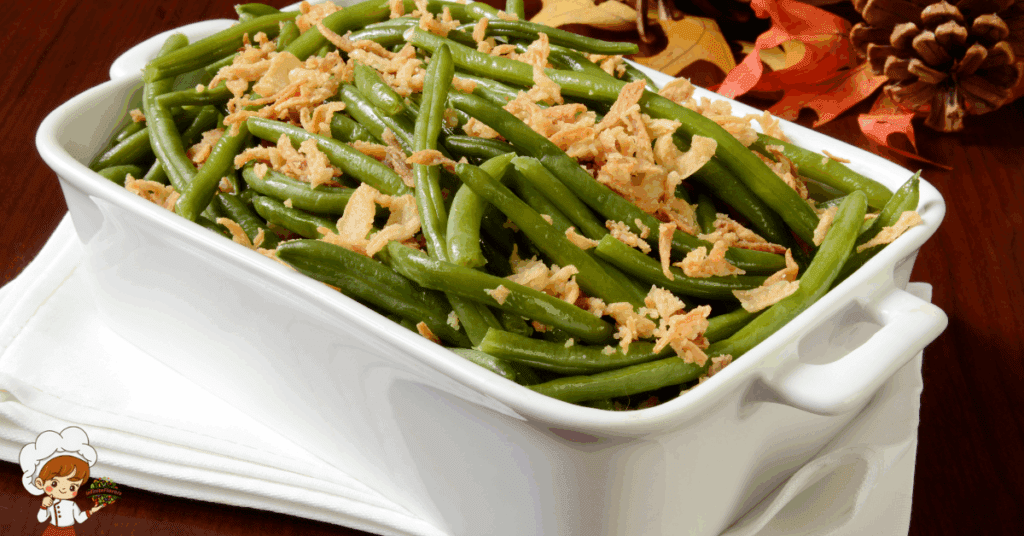
Delicious Origin of Green Bean Casserole; Few dishes symbolize American comfort food as perfectly as green bean casserole. With its creamy mushroom base, tender green beans, and crispy fried onions on top, this beloved side dish has been a staple on Thanksgiving and holiday tables for generations. It’s humble, hearty, and nostalgic — a dish that connects families across decades of celebration. But where did green bean casserole come from, and how did it become such an essential part of American holiday traditions? The story of green bean casserole is one of innovation, marketing genius, and a timeless appeal that continues to capture hearts — and appetites — to this day.
The Origins of Green Bean Casserole: A Mid-Century American Classic
The story of green bean casserole begins in the 1950s — a time when convenience foods were revolutionizing home cooking. Post-World War II America was in the midst of rapid change. Supermarkets were becoming household destinations, canned goods were staples in every pantry, and home cooks were embracing the promise of simplicity and speed in meal preparation.
In 1955, Dorcas Reilly, a home economist working in the Campbell Soup Company’s test kitchen in Camden, New Jersey, created what would become one of the most iconic dishes in American culinary history. Her goal wasn’t to craft a gourmet recipe but rather to develop a simple, affordable side dish using common pantry ingredients that almost every American family already had on hand.
Reilly’s original creation combined Campbell’s Cream of Mushroom Soup, canned or frozen green beans, milk, soy sauce, black pepper, and crispy fried onions. It was designed for convenience, but its flavor and texture hit the perfect balance of creamy, savory, and crunchy — qualities that made it instantly popular. The dish was initially called “Green Bean Bake” before being renamed “Green Bean Casserole.”
How a Test Kitchen Recipe Became a National Tradition
While thousands of recipes came out of Campbell’s test kitchen, green bean casserole struck a unique chord with the American public. It appeared in the Associated Press and Good Housekeeping shortly after its release and quickly spread through households nationwide. Its simplicity, affordability, and comforting flavor made it an ideal dish for family gatherings and potlucks.
By the late 1950s and early 1960s, green bean casserole had become synonymous with holiday meals, particularly Thanksgiving and Christmas. It was easy to prepare, required minimal ingredients, and complemented classic main dishes like roast turkey, ham, or pot roast. Its creamy texture and crisp topping created a perfect contrast of flavors and mouthfeel that appealed to both adults and children.
Over time, the recipe appeared on the back of Campbell’s Cream of Mushroom Soup cans — a marketing move that ensured its place in American culinary culture. Today, Campbell’s estimates that over 20 million households serve green bean casserole every Thanksgiving.
The Woman Behind the Green Bean Casserole: Dorcas Reilly’s Legacy
Dorcas Reilly’s contribution to American food culture cannot be overstated. As one of the few female food developers in corporate America during the 1950s, Reilly’s work reflected both creativity and practicality. She wasn’t aiming for culinary fame; instead, she wanted to make everyday cooking easier for busy families.
In interviews, Reilly often expressed surprise at the dish’s enduring legacy. “It’s not fancy or complicated,” she once said. “It’s just something that works.” Her creation went beyond flavor — it captured a cultural moment where convenience met comfort.
In 2002, the original handwritten recipe card for green bean casserole was donated by Campbell’s to the National Inventors Hall of Fame, where it remains preserved as a symbol of mid-century American innovation.
The Role of Canned Goods in the Rise of Green Bean Casserole
To understand why green bean casserole became so popular, one must also understand the role of canned goods in postwar America. During and after World War II, food preservation technology advanced rapidly. Canned vegetables, soups, and fried onions provided families with access to ingredients year-round, eliminating the need for fresh produce, which could be seasonal or expensive.
Casseroles in general were seen as budget-friendly and practical — a way to stretch ingredients and feed large families. The combination of canned soup and canned vegetables created an all-in-one meal solution that resonated deeply with homemakers. Green bean casserole fit perfectly within that trend, merging affordability with the comforting flavors of home-cooked food.
The Evolution of Green Bean Casserole Over the Decades
As food trends evolved, so did the green bean casserole. While the traditional recipe remained a staple, modern versions began incorporating fresh green beans, homemade cream sauces, and artisanal toppings. The farm-to-table movement inspired home cooks to update the dish with organic ingredients and scratch-made components.
Still, many people remain loyal to the original canned version, not just for its taste but for the memories it holds. Green bean casserole has become more than just a recipe — it’s a piece of family history, evoking the warmth of gatherings and the familiarity of tradition.
In recent decades, celebrity chefs and home cooks alike have experimented with gourmet versions, adding ingredients such as sautéed mushrooms, crispy shallots, or even bacon. Yet no matter how it’s reimagined, the heart of the dish — the creamy mushroom base and crunchy onion topping — remains the same.
Green Bean Casserole and Thanksgiving: A Perfect Pairing
It’s impossible to talk about green bean casserole without mentioning Thanksgiving. Though it wasn’t part of the first Thanksgiving celebrations in the 1600s, it has become as synonymous with the holiday as turkey and cranberry sauce.
The dish’s popularity during Thanksgiving stems from its balance — rich yet light enough to complement other hearty dishes. Its green color adds variety to the plate, and its creamy texture provides comfort that resonates with the season’s spirit of gratitude and togetherness.
For many families, Thanksgiving wouldn’t be complete without green bean casserole. It’s a generational tradition — one that connects grandparents, parents, and children around the table each year.
Green Bean Casserole as a Symbol of American Comfort Food
Beyond its flavor, green bean casserole embodies the essence of American comfort food. It represents resourcefulness, community, and nostalgia. Like macaroni and cheese or mashed potatoes, it’s a dish that feels like home — familiar, dependable, and deeply satisfying.
Its enduring popularity also speaks to the emotional side of food. People don’t just make green bean casserole because it’s easy; they make it because it reminds them of family gatherings, childhood dinners, and the warmth of shared moments. Food historians often refer to it as “culinary Americana” — a dish that reflects the ingenuity and sentiment of the mid-20th century.
The Cultural Impact of Green Bean Casserole
Over nearly seventy years, green bean casserole has transcended its humble beginnings. It has been featured in countless cookbooks, advertisements, and even pop culture references. Food historians regard it as one of the defining dishes of the American holiday season.
It’s also a reminder of how marketing, convenience, and culture intertwine. A recipe created to promote canned soup has become a national tradition, demonstrating how food innovation can shape identity and memory. Green bean casserole is not just a side dish — it’s a piece of American history.
Global Recognition and Variations
Although green bean casserole is distinctly American, its concept has inspired similar dishes worldwide. In countries where casseroles are less common, variations have emerged using local vegetables and sauces. The core idea — vegetables baked in a creamy sauce with a crunchy topping — translates across cultures.
In the U.K., similar baked vegetable dishes use béchamel sauce and breadcrumbs. In France, gratins often feature green beans, potatoes, or cauliflower topped with cheese. These international parallels highlight how comfort food knows no borders — it evolves, adapts, and brings people together.
The Science of Why We Love Green Bean Casserole
The irresistible appeal of green bean casserole isn’t accidental. The dish hits all the major sensory pleasure points — creamy, crunchy, savory, and warm. The umami flavor from the mushroom soup and soy sauce pairs perfectly with the crisp fried onions, while the tender green beans add freshness and texture contrast.
Psychologically, it also satisfies the craving for comfort and familiarity. The creamy texture stimulates feelings of warmth and satisfaction, while the aroma evokes memories of home-cooked meals. This combination makes it one of the most emotionally resonant side dishes ever created.
Modern Takes on a Classic Dish
In the modern culinary world, green bean casserole continues to evolve. Health-conscious eaters experiment with dairy-free sauces or air-fried toppings. Food enthusiasts add gourmet twists, while nostalgic cooks stick to the original version — a direct link to childhood memories.
Restaurants occasionally reinvent the dish as a high-end side, using fresh ingredients and elegant presentation. Yet no matter how it’s styled, green bean casserole’s enduring popularity lies in its accessibility. It remains both humble and extraordinary, proving that true comfort food doesn’t need to be complicated.
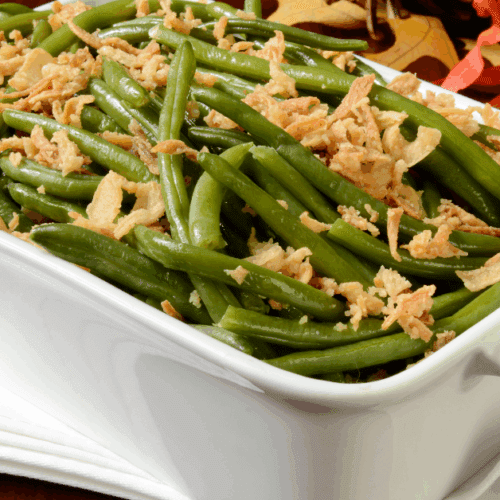
Green Bean Casserole
Ingredients
- – 2 cans green beans drained
- – 1 can cream of mushroom soup
- – 1 cup milk
- – 1 cup crispy fried onions
Instructions
- Preheat oven to 350°F (175°C).
- Mix green beans, soup, and milk in a baking dish.
- Bake for 25 minutes, then top with fried onions and bake for an additional 5 minutes.
Frequently Asked Questions: Delicious Origin of Green Bean Casserole
1. Who invented green bean casserole?
Green bean casserole was invented in 1955 by Dorcas Reilly, a home economist at the Campbell Soup Company’s test kitchen in New Jersey.
2. Why was green bean casserole created?
It was developed as a quick, affordable side dish using ingredients that most American households already had — canned green beans, mushroom soup, and crispy onions.
3. What was the original name of green bean casserole?
The original name was “Green Bean Bake,” which was later changed to “Green Bean Casserole.”
4. When did green bean casserole become popular?
It became a national sensation in the late 1950s and 1960s, especially after being featured on the back of Campbell’s Cream of Mushroom Soup cans.
5. Is green bean casserole only for Thanksgiving?
While it’s most famous as a Thanksgiving side dish, many families enjoy it year-round at Sunday dinners, potlucks, and holiday gatherings.
6. Why is green bean casserole considered comfort food?
Its creamy, savory flavor and crunchy topping evoke nostalgia, warmth, and the comfort of home-cooked meals shared with family.
7. What makes green bean casserole different from other casseroles?
It’s known for its unique combination of green beans, mushroom sauce, and crispy fried onions — a perfect balance of texture and flavor.
8. Has the original recipe changed?
The classic version remains largely unchanged, though many people adapt it with fresh ingredients or gourmet twists.
9. How many people serve green bean casserole every Thanksgiving?
Campbell’s estimates that more than 20 million households serve it each Thanksgiving season.
10. Is green bean casserole an American dish?
Yes. It was created in the United States and is considered one of the most iconic American comfort food dishes.

The Timeless Appeal of Green Bean Casserole
Green bean casserole is more than a recipe — it’s a story of innovation, tradition, and comfort. Born in a test kitchen during a time of convenience-focused cooking, it grew into one of America’s most cherished culinary traditions. Every bite carries a sense of nostalgia, reminding us of the warmth of family gatherings, the joy of holiday feasts, and the power of simple food to bring people together.
Decades after its creation, green bean casserole remains a symbol of American home cooking — a dish that endures not because of its complexity, but because of its heart. Whether made from scratch or straight from the can, its legacy continues to thrive in kitchens across the nation.
If you enjoyed exploring this topic and want to dive even deeper, be sure to check out some of our other articles here on Infinite Flavors. From rich culinary histories to creative twists on classic recipes, there’s always something new to discover. Whether you’re curious about the origins of a dish, looking for fresh inspiration in the kitchen, or simply love learning about food culture, our collection of posts is the perfect next step on your flavor journey.
The Great Creamy History Mashed Potatoes
The Great Origin Of Turkey And Vegetable Skillet
The Exciting History Turkey Breast With Cranberry Glaze