Christmas Divinity A Great Classic Holiday Candy Tradition
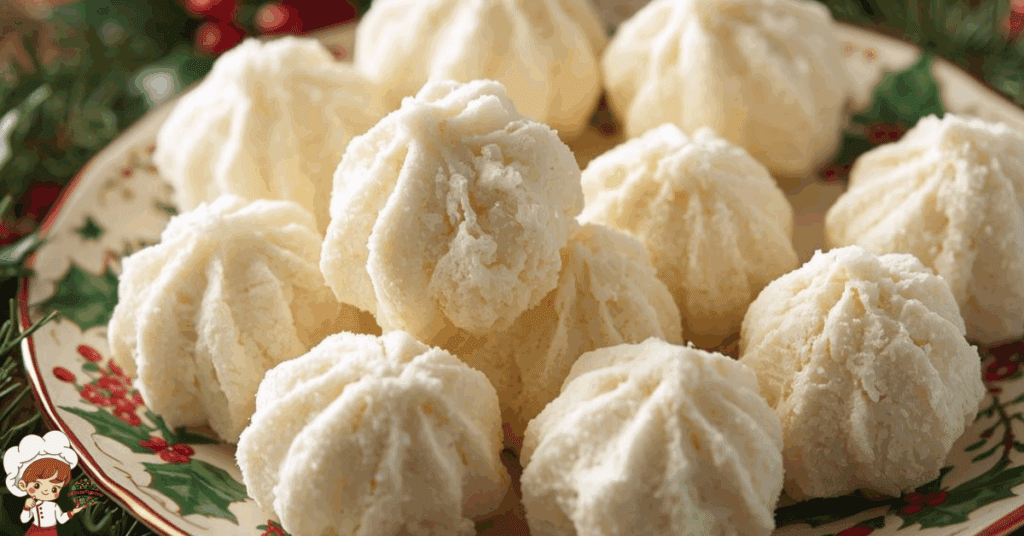
Divinity A Great Classic Holiday Candy; Christmas Divinity stands among the most nostalgic and iconic holiday treats in American baking history, evoking memories of family kitchens, warm winter gatherings, and the unmistakable aroma of sugar and vanilla swirling through the air. For many families, Christmas Divinity isn’t simply a candy—it’s a heritage recipe passed from one generation to the next.
Made from simple ingredients like sugar, egg whites, and vanilla, this airy confection has lived many lives across American culinary history, appearing in church cookbooks, community holiday swaps, and countless grandmother-taught traditions. Understanding the history and origin of Christmas Divinity reveals why this candy remains a cherished part of December celebrations and how it evolved into one of the most beloved treats on festive dessert tables. The story of Divinity stretches deeper than a simple sweet; it highlights how regional ingredients, weather patterns, and family traditions shaped the dessert we still enjoy today.
History of Christmas Divinity Candy
The origins of Divinity candy trace back to the late 1800s and early 1900s, when American home cooks began experimenting with new ingredients that were becoming widely available. Sugar had become less expensive, corn syrup was gaining popularity, and egg-based confections were increasingly present in home kitchens. Candy-making was transforming during this era, and recipes for light, meringue-like candies began showing up in cookbooks across the Midwest and South. Though similar confections existed in earlier European traditions—particularly nougat-like sweets—Divinity emerged as a uniquely American candy.
The earliest written references to Divinity appeared in American cookbooks around 1907 to 1910. These recipes described a candy that required boiling sugar to exact temperatures and whipping egg whites until stiff peaks formed—a sign that home cooks were becoming more adept with equipment like thermometers and hand-crank egg beaters. The candy earned its name “Divinity” because its cloud-like texture and heavenly sweetness were often described as divine. Whether the name came from a cookbook editor, a home baker, or a candy maker is still debated, but the meaning stuck and remains tied to the treat today.
Christmas Divinity grew quickly in popularity throughout the 1920s and 1930s, particularly in the American South. Many families adopted it as a signature holiday dessert because it used inexpensive pantry ingredients and could be made in large batches for gatherings and gift-giving. The candy’s presence in holiday celebrations also reflected the growing trend of seasonal sweets, where particular recipes were reserved only for special times of the year. By the mid-20th century, Divinity was a staple in Southern community cookbooks, often appearing next to pralines, fudge, and brittle—cementing its place in holiday culinary history.
The Cultural Origin of Christmas Divinity
While Divinity is widely considered an American invention, its cultural roots are woven deeply into regional culinary traditions. Much of its development happened in the American South, where home cooks developed a unique style of confectionery that relied heavily on sugar, eggs, and corn syrup—ingredients readily available due to agricultural and manufacturing growth in the region.
Southern cooks are known for turning simple pantry staples into lavish desserts, and Divinity fits this tradition perfectly. The candy’s meringue-like texture may have been inspired by European nougats, but the American version uses corn syrup instead of honey, giving it its signature firmness and glossy finish. Because Divinity relies heavily on humidity levels and exact temperatures, Southern families often passed down tips for making it successfully, such as preparing it only on cool, dry winter days to avoid a sticky or collapsed texture.
This weather-dependent tradition is one of the reasons Divinity became so strongly associated with Christmas. December offered the ideal conditions for making it, and holiday gatherings provided the perfect excuse to showcase such a delicate and impressive candy. Over time, the making of Christmas Divinity turned into a ritual for many families—an annual event that symbolized the beginning of the holiday season.
The Evolution of Christmas Divinity Over the Years
As Christmas Divinity spread across the country, it evolved through regional variations and family preferences. Early versions tended to be plain or vanilla-flavored, while later recipes incorporated nuts—particularly pecans or walnuts—which added both texture and flavor. In some regions, dried fruits, candied cherries, or even cocoa powder were added for variation. These adaptations show how flexible the recipe had become and how each family made it their own.
By the mid-1900s, Divinity had become a widely recognized holiday candy throughout the United States. Advertisements from sugar and corn syrup companies encouraged home cooks to try making it, and recipe pamphlets from major brands showcased Divinity as a top holiday treat. During the 1950s and 1960s, making homemade candy became extremely popular, and Divinity featured prominently in Christmas tins, dessert tables, and gifts for neighbors and coworkers.
Interestingly, Divinity became an emblem of skill in holiday baking. Achieving the perfect consistency required precision, patience, and understanding of sugar science. As a result, grandmothers and experienced home cooks were often viewed as the “keepers” of the best Divinity recipes. This elevated the candy from a simple treat to a cherished tradition, with many families insisting that only specific individuals could make it correctly.
Today, Christmas Divinity remains a beloved holiday staple. While some families follow traditional recipes, others have modernized the candy with new flavors such as peppermint, almond extract, or chocolate drizzle. Yet, despite these updates, the core identity of Divinity has not changed—it remains ethereal, sweet, and unmistakably linked to holiday nostalgia.
Why Christmas Divinity Became a Holiday Staple
One of the biggest reasons Christmas Divinity became a seasonal favorite is its deep connection to wintertime baking. Because Divinity requires low humidity and cool temperatures to set properly, many home cooks discovered that December’s climate was ideal. Families soon associated the treat with the holidays, creating a natural rhythm of making it once a year.
Additionally, the candy’s white, fluffy appearance resembled snow, which added to its festive aesthetic. On holiday dessert tables filled with dark chocolates, rich pies, and colorful cookies, Divinity stood out visually as a bright, cloud-like confection. The candy also traveled well and stored easily, making it ideal for gifting, mailing, and sharing during family gatherings.
Economically, Divinity offered an accessible way to create large amounts of holiday candy using ingredients that were readily available and inexpensive. Sugar, egg whites, and corn syrup were pantry staples for most households, and the candy didn’t require butter, chocolate, or flour—all of which were sometimes scarce during certain decades.
Ultimately, Christmas Divinity became a symbol of generosity, celebration, and culinary skill—values deeply tied to holiday traditions throughout the United States.
The Legacy of Christmas Divinity in Modern Holiday Baking
Today’s holiday baking trends may include everything from peppermint bark to gingerbread cheesecakes, yet Christmas Divinity has remained a consistent favorite among traditionalists. Modern food culture has sparked renewed appreciation for old-fashioned sweets, especially those connected to family memories. Divinity fits perfectly into this movement of honoring the past while sharing time-honored treats with new generations.
Many families still use handwritten recipe cards passed down through grandparents, adding to the nostalgic value. Others are discovering Divinity for the first time, intrigued by its vintage charm and the challenge of making a candy that requires care and precision. The return of homemade holiday gifts has also rekindled interest in Divinity, as it embodies the heartfelt intention behind handcrafted treats.
Whether enjoyed in its original vanilla version or in a flavored variation, Christmas Divinity continues to be a beloved part of the holiday season. Its history, cultural significance, and enduring legacy highlight why this sweet, cloud-like candy remains one of the most treasured desserts of Christmastime.
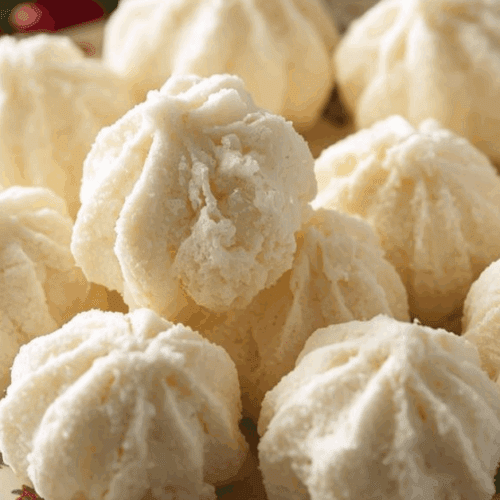
Easy Christmas Divinity
Ingredients
- 2 ½ cups granulated sugar
- ½ cup light corn syrup
- ½ cup water
- 2 large egg whites
- 1 teaspoon vanilla extract
- ½ cup chopped pecans or walnuts optional
- A pinch of salt
Instructions
- Prepare Your Setup:
- Line a baking sheet with parchment or wax paper. Set aside. You’ll need a stand mixer or hand mixer ready to go.
- Cook the Sugar Syrup:
- In a medium saucepan, combine the sugar, corn syrup, water, and salt. Cook over medium heat, stirring just until the sugar dissolves.
- Once dissolved, stop stirring and bring the mixture to a boil.
- Cook until the syrup reaches 250–260°F (hard ball stage) on a candy thermometer.
- Beat the Egg Whites:
- While the syrup finishes heating, beat the egg whites in a large mixing bowl until they form stiff peaks.
- Combine Carefully:
- With the mixer running on high, slowly pour the hot syrup into the egg whites in a thin, steady stream.
- Continue beating for 5–7 minutes, until the mixture becomes thick, glossy, and holds its shape.
- Flavor and Fold:
- Beat in the vanilla.
- If using nuts, fold them in gently with a spatula.
- Form the Divinity:
- Working quickly, drop tablespoon-sized scoops onto the prepared baking sheet.
- Let the candies sit at room temperature until completely firm and dry—usually about 2 hours.
- Store:
- Keep divinity stored in an airtight container at room temperature. Avoid humidity to keep it light and fluffy.

Frequently Asked Questions: Divinity A Great Classic Holiday Candy
What is Christmas Divinity?
Christmas Divinity is a traditional American holiday candy made from sugar, corn syrup, egg whites, and vanilla. Its texture is light, airy, and meringue-like, making it a festive and unique seasonal treat.
Why is it called “Divinity”?
The name comes from early cookbook descriptions referring to the candy’s “divine” taste and texture. Its cloud-like appearance and sweet flavor contributed to its heavenly reputation.
Where did Divinity originate?
Divinity originated in the United States in the early 20th century, with strong cultural ties to the Midwest and Southern regions, where homemade candy-making was widely practiced.
Is Divinity difficult to make?
Yes, it can be tricky because it requires precise temperatures and low humidity. The candy can fail if the weather is too damp, which is why many people make it only during winter.
Why is Divinity associated with Christmas?
The cool, dry weather of December makes it ideal for setting Divinity properly, and families soon adopted it as a holiday tradition. Its snowy appearance also fits perfectly with winter celebrations.
Can Divinity be flavored or customized?
Yes. Many people add pecans, walnuts, peppermint extract, dried fruit, or food coloring, but traditionalists often prefer the classic vanilla version.
How long does Divinity last?
When stored in an airtight container, Divinity can last up to two weeks at room temperature, making it perfect for holiday gifting.
If you enjoyed exploring this topic and want to dive even deeper, be sure to check out some of our other articles here on Infinite Flavors. From rich culinary histories to creative twists on classic recipes, there’s always something new to discover. Whether you’re curious about the origins of a dish, looking for fresh inspiration in the kitchen, or simply love learning about food culture, our collection of posts is the perfect next step on your flavor journey.
The Great Sweet History Of Coconut Snowballs
The Great Sweet History Of Christmas Fudge
The Sweet And Surprising History Of Peppermint Bark