The Great Sweet History of Coconut Snowballs
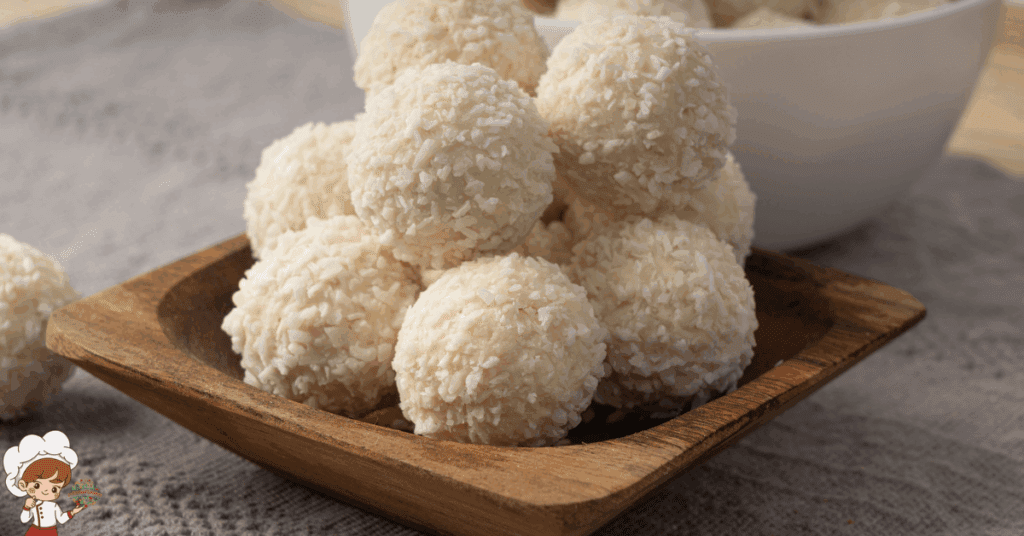
The Great Sweet History of Coconut Snowballs; Coconut Snowballs are one of those nostalgic sweets that immediately evoke the magic of winter, holiday gatherings, and classic homemade treats shared across generations. These coconut-coated confections have traveled through decades of culinary tradition, becoming a beloved dessert that countless families enjoy each year. While the exact origins of Coconut Snowballs are often debated, their evolution tells the story of regional creativity, global coconut trade, the rise of easy no-bake desserts, and the timeless appeal of bite-sized treats that feel both simple and special.
In many ways, Coconut Snowballs reflect the broader history of American home baking—resourceful, festive, and rooted in comfort. This blog post explores the complete story behind these snowy, coconut-covered sweets: where they came from, how they became a holiday favorite, why the idea of the “snowball treat” spread across the world, and how Coconut Snowballs became a treasured part of dessert history.
The History of Coconut Snowballs and Their Rise in American Dessert Culture
The story of Coconut Snowballs begins long before the treat earned its name. Coconut itself has ancient origins, with its history tracing back thousands of years to Southeast Asia, the Pacific Islands, and India. But Coconut Snowballs as we know them today did not appear until coconut became widely available in the United States. Before the late 1800s, coconut was considered an exotic and difficult-to-obtain ingredient. Its arrival in American markets changed the dessert landscape forever. As large-scale shipping routes expanded, shredded and desiccated coconut became a pantry staple rather than a luxury. Home cooks embraced coconut with enthusiasm, and this new ingredient made its way into candies, cakes, and festive no-bake desserts.
Coconut Snowballs gained popularity during the early to mid-20th century, a time when American households were embracing creative, low-effort homemade sweets. Desserts like coconut macaroons, chocolate-coated coconut candies, and marshmallow-based treats were soaring in popularity. At the same time, the concept of “snowball treats” grew rapidly, fueled by holiday traditions and the availability of inexpensive baking ingredients. Coconut Snowballs were especially appealing because they evoked the appearance of freshly fallen snow—a fitting image during winter celebrations.
Coconut’s snowy texture and mild sweetness made it the perfect ingredient for holiday sweets. As refrigeration became more common in American homes, chilled, no-bake desserts became a trend, accelerating the popularity of Coconut Snowballs. These delightful treats required minimal effort, offered maximum flavor, and—perhaps most importantly—brought a whimsical, holiday-themed aesthetic to dessert tables. Their simplicity and beauty helped them spread quickly across the country, appearing in community cookbooks, magazine holiday issues, church gatherings, bake sales, and family Christmas traditions.
Coconut Snowball Dessert Origins and Their Connection to Global Confectionery Traditions
Though Coconut Snowballs have a distinctly American holiday identity, their creation was influenced by global dessert traditions involving coconut. Many cultures developed coconut-based confections long before Coconut Snowballs were introduced in American homes. For example, tropical and Asian cultures used coconut in sweets like cocadas in Latin America, ladoos in India, and various coconut-cream desserts in Southeast Asia. These confections shared common themes: they were shaped into balls, coated in coconut, and enjoyed during festivals and celebrations.
When coconut became widely accessible in the United States, American home bakers took inspiration—sometimes directly, sometimes indirectly—from these global traditions. The Snowball concept was also strengthened by the popularity of other “ball-shaped desserts” gaining traction at the time, such as rum balls, chocolate truffles, and peanut butter balls. The idea of forming a rich filling into bite-sized balls was not new, but the introduction of shredded coconut as a snowy exterior gave Coconut Snowballs a unique visual appeal that set them apart.
The holiday connection strengthened their identity even further. Coconut Snowballs became associated with Christmas not only because they resembled snow, but also because coconut was one of the few pantry ingredients that allowed families to create festive, winter-themed desserts without relying on fresh produce during colder seasons. This made them accessible, reliable, and budget-friendly during a time when careful resource management was essential.
Why Coconut Snowballs Became a Holiday Favorite in Modern American Homes
By the mid-20th century, Coconut Snowballs had earned their reputation as a must-have holiday treat. Their popularity was boosted by several cultural and culinary trends. First, they aligned perfectly with the rise of no-bake desserts—especially among busy families who wanted homemade treats without spending hours in the kitchen. Second, Coconut Snowballs had a nostalgic charm that made them ideal for holiday parties, cookie swaps, and seasonal gatherings. Their snowy appearance aligned beautifully with winter themes, making them one of the most visually appealing homemade sweets for Christmas celebrations.
Magazines, women’s newsletters, and brand-sponsored recipe pamphlets played a large role in promoting Coconut Snowballs. Companies that sold sweetened condensed milk, chocolate, coconut, and baking products often included variations of Coconut Snowball recipes in their advertising. This helped spread awareness and cement Coconut Snowballs as a mainstream holiday dessert.
Their flexibility also contributed to their widespread appeal. Coconut Snowballs could be made in numerous variations—some featuring chocolate centers, some made with marshmallows, some with condensed milk, some with nuts, and others filled with fruit. No matter the variation, the core idea remained the same: a soft, sweet center surrounded by a snowy layer of coconut. This adaptability encouraged families to personalize the treat to suit their tastes and traditions.
Coconut Snowballs and Their Connection to Festive No-Bake Holiday Desserts
As more families embraced simple, short-ingredient desserts, Coconut Snowballs became part of a broader movement of festive no-bake treats. These sweets offered an easy way to create holiday magic without complicated baking techniques. For many families, Coconut Snowballs became the dessert that children could help prepare, making them part of cherished holiday memories.
In the decades that followed, Coconut Snowballs continued to evolve. Modern versions often include chocolate coatings, flavored centers, or decorative toppings, but the classic snowy, coconut-covered style remains the most beloved. In the social media era, Coconut Snowballs have enjoyed renewed popularity thanks to their photogenic appearance. Their snowy coating and rounded shape make them ideal treats for holiday food photography, contributing to a resurgence of interest in nostalgic, traditional desserts.
Coconut Snowballs also fit beautifully into modern culinary trends centered around homemade gifts, edible crafts, and minimal-ingredient holiday treats. With the desire for cozy, nostalgic baking surging in recent years, Coconut Snowballs have once again become a staple of homemade holiday dessert traditions.
Cultural Significance and Lasting Legacy of Coconut Snowball Desserts
The lasting appeal of Coconut Snowballs lies in their ability to capture the spirit of the season. They symbolize togetherness, celebration, and the joy of making something festive with simple ingredients. Families pass down their own versions of the treat, turning Coconut Snowballs into a part of generational culinary heritage. They are often made in batches during cookie-making days, included in Christmas tins, gifted to neighbors, shared at winter potlucks, and featured on holiday dessert tables.
Beyond Christmas traditions, Coconut Snowballs also appear in tropical-themed parties, bridal showers, potlucks, and community gatherings. Their portability, minimal preparation, and delightful flavor ensure that they remain a crowd favorite wherever they are served. Even as modern desserts evolve, Coconut Snowballs hold their place as a timeless sweet treat—one that bridges nostalgia with modern taste and continues to charm new generations.
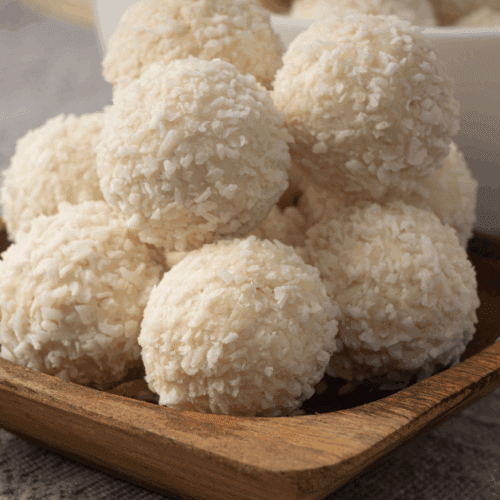
Coconut Snowballs
Ingredients
- 3 cups shredded coconut
- 1 cup sweetened condensed milk
- 1 cup powdered sugar for rolling
Instructions
- Mix 3 cups shredded coconut with 1 cup sweetened condensed milk until fully combined.
- Roll the mixture into small balls,
- then coat each one in 1 cup powdered sugar to create a snowy finish.
Frequently Asked Questions: The Great Sweet History of Coconut Snowballs
What exactly are Coconut Snowballs?
Coconut Snowballs are small, round confections typically made with a soft, sweet interior and rolled in shredded coconut to resemble snow. Their ingredients vary, but the signature coconut coating remains constant.
Where did Coconut Snowballs originate?
Coconut Snowballs are believed to have originated in the United States during the early to mid-20th century, influenced by global coconut confections and the rise of no-bake holiday treats.
Are Coconut Snowballs considered a Christmas dessert?
Yes, Coconut Snowballs are strongly associated with Christmas thanks to their snowy appearance and their popularity during holiday baking traditions.
Why are Coconut Snowballs shaped like balls?
Ball-shaped desserts were popular throughout the 20th century because they were easy to make, required no baking, and could be rolled in various coatings. Coconut Snowballs adopted this format, making them easy, festive, and appealing.
Can Coconut Snowballs be made in different flavors?
Absolutely. Many variations include chocolate centers, flavored extracts, dried fruit, nuts, or cocoa. Some versions even include marshmallow or cookie bases.
Are Coconut Snowballs the same as coconut macaroons?
No. Coconut macaroons are baked cookies made mainly with coconut and egg whites. Coconut Snowballs are typically no-bake and have a creamy or soft filling.
When did Coconut Snowballs become popular?
They became widely popular between the 1930s and 1960s, a period marked by the rise of convenience ingredients and festive, family-friendly no-bake sweets.
Why do Coconut Snowballs remain popular today?
They are easy to prepare, visually appealing, deliciously nostalgic, and perfect for holiday gatherings. Their simplicity and adaptability keep them relevant year after year.

The Enduring Charm of Coconut Snowballs
Coconut Snowballs remain one of the most cherished holiday treats, bringing together nostalgia, simplicity, and sweet seasonal charm. Their origins reflect the evolution of American home baking, the globalization of ingredients like coconut, and the timeless love for festive, snow-themed desserts. Whether they appear on a Christmas cookie platter, in a gift tin, or at a holiday gathering, Coconut Snowballs continue to evoke joy and togetherness. Their history is a testament to the power of tradition, creativity, and the universal delight of homemade treats. As they continue to evolve and inspire new variations, Coconut Snowballs hold fast as a beloved dessert with a story as sweet and memorable as the treat itself.
If you enjoyed exploring this topic and want to dive even deeper, be sure to check out some of our other articles here on Infinite Flavors. From rich culinary histories to creative twists on classic recipes, there’s always something new to discover. Whether you’re curious about the origins of a dish, looking for fresh inspiration in the kitchen, or simply love learning about food culture, our collection of posts is the perfect next step on your flavor journey.
The Sweet And Surprising History Of Peppermint Bark
The Rich And Indulgent History Of Chocolate Truffles
The Great Sweet History Of Christmas Fudge