The Great History and Origin of Pinto Beans and Ham

History and Origin of Pinto Beans and Ham; Few dishes capture the heart of Southern comfort food quite like Pinto Beans and Ham. This simple, hearty meal represents a story of resilience, resourcefulness, and flavor that has stood the test of time. From its humble beginnings as a dish born out of necessity to its place today as a beloved comfort food, Pinto Beans and Ham tell the tale of generations who knew how to turn simple ingredients into something deeply satisfying.
In this post, we’ll explore the fascinating history and cultural roots of Pinto Beans and Ham, tracing their journey from field to table. Along the way, we’ll look at how this classic dish became a symbol of Southern tradition, home-cooked comfort, and soulful eating — and why it continues to bring warmth and nostalgia to kitchens across America.
The Humble Origins of Pinto Beans
The story of Pinto Beans and Ham begins with the pinto bean itself — one of the most important legumes in the Americas. The word pinto means “painted” in Spanish, a nod to the bean’s speckled, mottled appearance. These beans have been cultivated for over 5,000 years, with archaeological evidence showing they were grown by Indigenous peoples of Central and South America long before European contact.
Pinto beans were a dietary staple for Native American communities such as the Aztecs and Ancestral Puebloans. They were valued for their high protein content, long shelf life, and versatility. The beans were often dried and stored for winter months, then rehydrated and cooked into stews, soups, or mashes.
When Spanish explorers arrived in the Americas during the 15th and 16th centuries, they encountered these beans and quickly recognized their value. Over time, pinto beans spread northward into what is now the American Southwest, becoming a cornerstone of both Mexican and Southwestern cuisine.
How Pinto Beans Became a Southern Staple
Pinto beans made their way into the American South through trade, migration, and cultural exchange. Their adaptability made them ideal for the region’s climate and soil, allowing farmers to grow them alongside corn and other staple crops.
By the 19th century, pinto beans had become a pantry essential in rural Southern homes, especially among working-class families and farming communities. They were affordable, filling, and nutritious, which made them an ideal food source during times of scarcity.
When combined with ham or ham hocks, pinto beans transformed from a basic meal into something deeply flavorful. This combination reflected a hallmark of Southern cooking — making the most of every ingredient and ensuring nothing went to waste.
The Role of Ham in Traditional Southern Cooking
To understand the origins of Pinto Beans and Ham, it’s important to look at the role pork has played in Southern food history. Hogs were among the first livestock brought to North America by European settlers. They thrived in the Southern climate and required minimal maintenance, quickly becoming a crucial source of protein for both enslaved Africans and poor white farmers.
Because every part of the animal was used, ham bones, hocks, and trimmings were often saved to flavor beans, greens, and soups. This tradition of using pork to season vegetables and legumes — known as “potlikker cooking” — became a defining feature of soul food and Southern home cooking.
Ham provided depth, richness, and saltiness to otherwise simple ingredients. When paired with pinto beans, the result was a deeply savory, slow-cooked meal that symbolized thrift, creativity, and nourishment.
Pinto Beans and Ham in the Great Depression
The popularity of Pinto Beans and Ham soared during the Great Depression in the 1930s. As families across America faced widespread unemployment and food shortages, inexpensive meals became a necessity.
A pot of pinto beans simmered with leftover ham or a meaty bone could feed an entire family. It was hearty, affordable, and comforting — everything a struggling household needed. The dish represented resourcefulness in hard times, turning scraps into sustenance.
Even as the economy recovered, many families held onto the tradition of making pinto beans and ham. The meal wasn’t just about survival anymore — it became a symbol of gratitude and togetherness, reminding people of simpler times when a shared meal meant everything.
Pinto Beans and Ham: A Dish of Cultural Fusion
What makes Pinto Beans and Ham so special is how it reflects the fusion of different cultural influences that shaped Southern cuisine.
- Native American traditions contributed the use of beans as a staple food.
- African American cooks refined the art of seasoning with smoked meats and spices, elevating humble ingredients into soulful dishes.
- European settlers introduced preservation techniques like curing and smoking ham.
Together, these influences created a unique dish that embodied the diversity of Southern foodways — a culinary language built on shared experience, adaptation, and community.
How Pinto Beans and Ham Became a Comfort Food Classic
Over the decades, Pinto Beans and Ham evolved from a meal of necessity to one of nostalgic comfort. For many, the aroma of beans simmering with ham brings back memories of grandmother’s kitchen, Sunday dinners, and gatherings where food was made with love and patience.
The slow-cooked nature of the dish — often taking several hours to reach perfection — reflects a bygone era when cooking was an act of care, not convenience. In today’s fast-paced world, recreating Pinto Beans and Ham offers a sense of grounding and connection to one’s roots.
That’s why this humble meal continues to appear on family tables, church potlucks, and country kitchens across the South. It’s not just food — it’s heritage in a bowl.
Nutritional Value: Simple Ingredients, Powerful Benefits
While Pinto Beans and Ham are often celebrated for their flavor, they’re also nutritionally balanced. Pinto beans are an excellent source of:
- Plant-based protein
- Fiber for digestive health
- Iron, magnesium, and potassium
- Antioxidants and phytonutrients
The addition of ham provides extra protein and a savory depth that enhances satisfaction. Together, they make a meal that’s filling, budget-friendly, and nutrient-rich.
This combination explains why the dish has stood the test of time — it’s delicious, wholesome, and practical.
Pinto Beans and Ham Across Regions
While the dish is most associated with the American South, variations of Pinto Beans and Ham can be found in many regions.
In the Southwest, cooks often add chili powder, cumin, or jalapeños, blending Tex-Mex influences with traditional Southern methods. In the Appalachian Mountains, the dish may be served with cornbread and turnip greens, a true reflection of mountain cooking.
Each region adds its own twist, but the foundation remains the same — slow-simmered beans and smoky ham, cooked with love and intention.
The Role of Pinto Beans and Ham in Soul Food
Soul food, born from the creativity of African American cooks, celebrates making the most out of limited ingredients. Pinto Beans and Ham perfectly fit this philosophy.
For generations, soul food cooks have turned beans, greens, and grains into flavorful, comforting meals. Using ham hocks or smoked pork was a way to infuse deep flavor into affordable dishes. Pinto beans, with their creamy texture and mild taste, absorbed those smoky notes beautifully.
Today, Pinto Beans and Ham remains a soul food staple, a dish that honors the ingenuity and strength of those who came before.
Pinto Beans and Ham in Modern Kitchens
In contemporary cooking, Pinto Beans and Ham have found new life. With an increased focus on sustainable eating and reducing food waste, this dish aligns perfectly with modern values.
Home cooks today appreciate meals that stretch ingredients, use pantry staples, and create big flavor without breaking the bank. Pinto Beans and Ham fit that bill — they’re eco-friendly, affordable, and deeply satisfying.
Some even adapt the traditional recipe by using leaner ham, turkey bacon, or smoked paprika for flavor without extra fat. Others serve it with brown rice or quinoa for a nutritious twist.
Despite these modern tweaks, the heart of the dish remains unchanged — a celebration of simplicity, thrift, and flavor.
Why Pinto Beans and Ham Stand the Test of Time
Few recipes have remained as beloved across generations as Pinto Beans and Ham. It endures because it’s more than food — it’s a reminder of resilience, community, and home.
This dish bridges the gap between past and present, uniting people through shared experience. Whether served at a farmhouse table or in a modern kitchen, it evokes warmth, gratitude, and the comforting rhythm of slow cooking.
That’s the beauty of Pinto Beans and Ham — no matter how life changes, some flavors remain timeless.
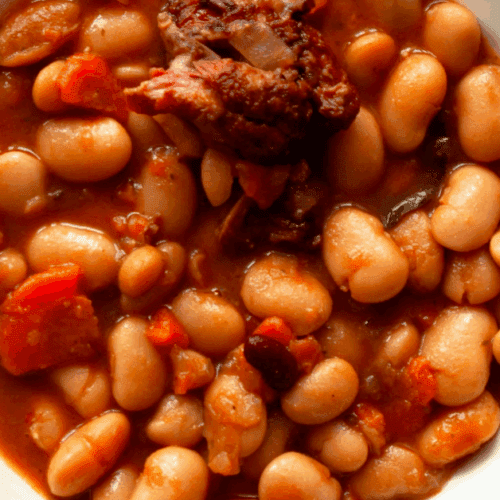
🫘 Pinto Beans and Ham Recipe
Ingredients
- 1 pound dried pinto beans about 2 cups
- 1 meaty ham hock or 1½ cups diced ham leftover ham works great
- 1 medium onion chopped
- 3 garlic cloves minced
- 1 teaspoon salt adjust to taste
- ½ teaspoon black pepper
- ½ teaspoon smoked paprika optional for depth
- 1 bay leaf
- 6 cups water or low-sodium chicken broth
- 1 tablespoon olive oil or bacon grease optional for richness
Instructions
- Step 1: Prepare the Pinto Beans
- Rinse and sort through the pinto beans, removing any small stones or debris. If you prefer a quicker cooking time and creamier texture, soak the beans overnight in a large bowl of cold water. Drain and rinse before using.
- (Tip: If you’re short on time, you can skip soaking — just add an extra 30–45 minutes to the cooking time.)
- Step 2: Build the Flavor Base
- In a large heavy pot or Dutch oven, heat olive oil or bacon grease over medium heat. Add the chopped onion and cook until softened, about 4–5 minutes. Stir in the garlic and cook for another 30 seconds, until fragrant.
- Step 3: Add the Ham and Seasonings
- Place the ham hock or diced ham into the pot. Sprinkle in salt, pepper, smoked paprika, and the bay leaf. Stir to coat everything in the seasonings and aromatic base.
- Step 4: Simmer the Beans
- Add the pinto beans to the pot and pour in the water or broth. Stir well and bring to a boil over medium-high heat. Once boiling, reduce the heat to low and cover the pot partially with a lid, allowing some steam to escape.
- Let the beans simmer gently for 2 to 2½ hours, stirring occasionally, until the beans are tender and creamy. Add more liquid as needed to keep the beans covered.
- Step 5: Adjust Seasonings and Serve
- Once the beans are soft and the broth has thickened, remove the bay leaf and ham hock. If using a ham hock, shred the meat from the bone and return it to the pot. Taste and adjust salt and pepper as needed.
- Serve hot with cornbread, rice, or collard greens for a true Southern meal.
- Optional Add-Ins for Extra Flavor:
- A dash of hot sauce or cayenne pepper for heat
- ½ teaspoon cumin for a smoky, Southwestern touch
- A splash of apple cider vinegar at the end to brighten the flavor
Frequently Asked Questions (FAQ): History and Origin of Pinto Beans and Ham
1. Where did Pinto Beans and Ham originate?
Pinto Beans and Ham originated in the American South, blending Native American, African American, and European influences. It became popular during the 19th century and especially during the Great Depression.
2. Why is this dish considered Southern comfort food?
Because it reflects the Southern tradition of making the most of simple ingredients — slow-cooking them with love to create hearty, flavorful meals.
3. What is the cultural significance of using ham in beans?
Using ham hocks, bones, or trimmings is a hallmark of Southern cooking, rooted in the practice of waste-free cooking and adding rich, smoky flavor to simple ingredients.
4. Are Pinto Beans and Ham healthy?
Yes. Pinto beans are high in protein, fiber, and essential nutrients, while ham adds additional protein and flavor. Moderation is key due to sodium content, but overall, it’s a balanced meal.
5. Can this dish be made without pork?
Absolutely. Many modern versions use smoked turkey, vegetarian broth, or liquid smoke for a pork-free yet flavorful alternative.
6. What makes this dish timeless?
Its simplicity, affordability, and deep connection to Southern heritage make it a comfort food classic that continues to thrive in kitchens today.

Conclusion: A Legacy of Flavor and Resilience
The story of Pinto Beans and Ham is a story of ingenuity, survival, and flavor passed down through generations. From Indigenous roots to Southern kitchens, this humble dish has nourished families, built community, and stood as a testament to the creativity of home cooks.
It’s more than just beans and meat — it’s a reflection of Southern tradition, soulful cooking, and the power of simplicity. Whether you’re enjoying it on a chilly evening or as part of a family gathering, each spoonful carries centuries of history and heart.
In every bite, you taste the past — and the promise that good food doesn’t have to be fancy to be unforgettable.
If you enjoyed exploring this topic and want to dive even deeper, be sure to check out some of our other articles here on Infinite Flavors. From rich culinary histories to creative twists on classic recipes, there’s always something new to discover. Whether you’re curious about the origins of a dish, looking for fresh inspiration in the kitchen, or simply love learning about food culture, our collection of posts is the perfect next step on your flavor journey.
The History And Origin Of Easy Tater Tot Casserole
How To Roast A Picture Perfect Lamb Leg
The Exciting History And Origin Of Pork Street Tacos