The Exciting History of Easy Roasted Brussels Sprouts
History of Easy Roasted Brussels Sprouts; Few vegetables have undergone a greater transformation in public opinion than the humble Brussels sprout. Once dismissed as bitter and unappealing, these tiny cabbage-like buds have become a staple of modern kitchens and trendy restaurants alike. In recent decades, especially with the rise of easy roasted Brussels sprouts recipes, this misunderstood vegetable has gone from a childhood nightmare to a beloved superfood side dish.
This deep dive explores the history, origin, and culinary evolution of Brussels sprouts—from their beginnings in ancient Europe to their current status as a roasted, caramelized favorite at holiday feasts and weeknight dinners.
The Ancient Roots of Brussels Sprouts
The story of Brussels sprouts begins long before they took their modern name. Their ancestors belong to the Brassica oleracea family, which includes cabbage, kale, broccoli, and cauliflower. These plants trace back thousands of years to the coastal regions of Europe, particularly along the western Mediterranean.
Ancient Romans and Greeks were among the first to cultivate wild cabbage-like plants, appreciating their resilience and ability to grow in cool climates. These early brassicas were likely more bitter and coarse than today’s refined sprouts, but they laid the groundwork for selective breeding and domestication.
Over centuries, farmers across Europe began to experiment with variations of these hardy greens, developing new forms—leafy kale, head-forming cabbages, and eventually, the bud-bearing stalks that would become Brussels sprouts.
The Birthplace: Brussels, Belgium
Brussels sprouts owe their name—and their fame—to the Belgian capital. Historical records suggest they were first cultivated near Brussels, Belgium, as early as the 13th century. Farmers in the region began growing a distinctive variety of cabbage that produced multiple small heads along a thick stem, instead of one large central head.
The vegetable became a local specialty, thriving in the region’s cool, moist climate. By the 16th century, “sprouts from Brussels” had become a widely recognized crop across northern Europe. These early Brussels sprouts quickly gained popularity in France, Germany, and the Netherlands, where they were prized for their winter hardiness and nutritional value.
The name “Brussels sprouts” appeared in English texts by the late 18th century, solidifying the association between the vegetable and its Belgian origins.
Spreading Through Europe and Beyond
Brussels sprouts spread rapidly across Europe thanks to trade routes and agricultural experimentation. By the 17th and 18th centuries, they were cultivated in England and France, often served boiled or stewed.
In England, they became a common feature of winter menus, offering a hearty vegetable that could withstand cold weather and store well. The Victorians, in particular, adored them, often serving them as part of traditional Christmas dinners.
In France, the sprouts found their way into elegant preparations, sometimes paired with butter, chestnuts, or bacon—combinations that remain beloved today.
As European settlers began to colonize the Americas, they brought their crops and culinary traditions with them. By the 1800s, Brussels sprouts were introduced to North America, where they took root along the coast of California and in maritime Canada.
Brussels Sprouts in America: A New Chapter
Brussels sprouts arrived in the United States in the early 19th century, but large-scale commercial production didn’t begin until the 1920s. Southern California, with its temperate coastal weather, proved ideal for cultivating the crop.
By the 1940s, the U.S. had become one of the leading producers of Brussels sprouts, thanks in part to the development of mechanical harvesting and improved breeding techniques. Early American recipes, however, often relied on boiling, which unfortunately emphasized the vegetable’s sulfuric notes and earned Brussels sprouts a reputation for bitterness.
This reputation persisted for decades. Generations of children were served mushy, overcooked sprouts that lacked the caramelized depth of modern roasted versions. For much of the 20th century, Brussels sprouts were more dreaded than desired.
The Culinary Renaissance of Brussels Sprouts
The turning point came in the late 20th and early 21st centuries, when chefs and home cooks began experimenting with new cooking methods. The easy roasted Brussels sprouts we know today emerged as a revelation—a method that transformed the vegetable’s flavor and texture.
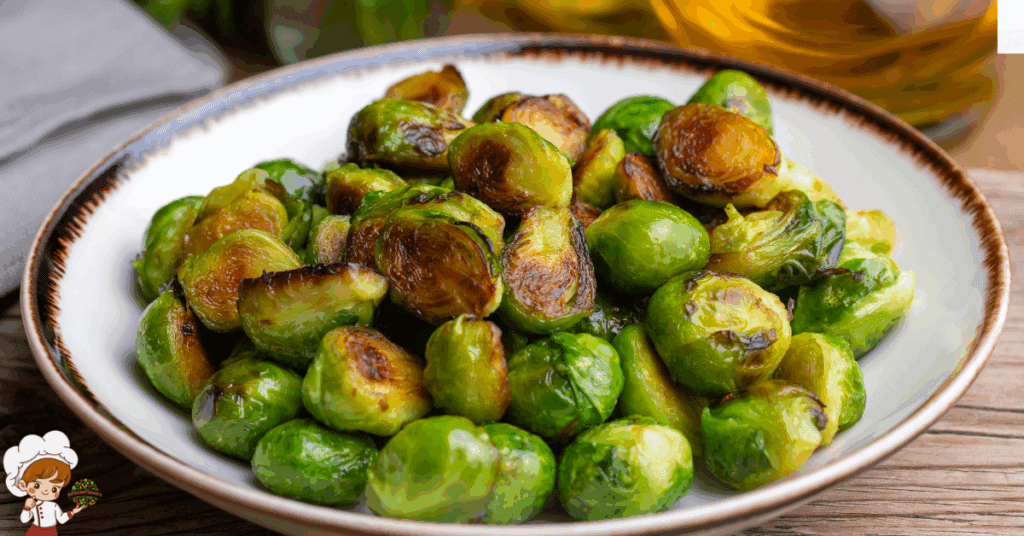
Roasting unlocked the sprouts’ natural sweetness, created crispy edges, and mellowed the bitterness that boiling intensified. Olive oil, salt, and a hot oven were all it took to turn this once-reviled vegetable into a culinary sensation.
The rise of food television, health-conscious eating, and farm-to-table dining further propelled Brussels sprouts into the spotlight. They began appearing on restaurant menus from casual bistros to Michelin-starred kitchens, often paired with modern flavor twists like balsamic glaze, maple syrup, pancetta, or parmesan.
Why Roasting Changed Everything
The science behind roasting explains the transformation perfectly. When Brussels sprouts are roasted, the Maillard reaction—a chemical process that occurs when amino acids and sugars interact under heat—creates deep, complex flavors and that signature golden-brown crispness.
Instead of the sulfur compounds that dominate when sprouts are boiled, roasting highlights nutty, caramelized notes. The result? A balanced, slightly sweet, deeply savory vegetable that appeals to even the pickiest eaters.
This method also fits perfectly into the busy lifestyle of modern cooks. “Easy roasted Brussels sprouts” became a keyword that resonated with people seeking healthy, effortless side dishes that don’t compromise on flavor.
The Nutritional Power of Brussels Sprouts
Beyond their culinary appeal, Brussels sprouts have earned praise as a nutritional powerhouse. They’re rich in vitamin C, vitamin K, fiber, and antioxidants, making them one of the healthiest vegetables in the Brassica family.
These nutrients support immune health, bone strength, and digestion. They also contain compounds like glucosinolates and isothiocyanates, which have been studied for their potential cancer-fighting properties.
In recent years, wellness enthusiasts and dietitians have embraced Brussels sprouts as a key part of balanced eating plans. Whether roasted, sautéed, or shaved into salads, they offer a satisfying combination of nutrition and versatility.
Brussels Sprouts in Modern Culture
Today, roasted Brussels sprouts symbolize a broader culinary trend—taking humble, overlooked ingredients and reimagining them through modern techniques. What was once a side dish avoided by children has become a sophisticated favorite in home kitchens and restaurants alike.
Social media platforms like Instagram and TikTok have amplified the vegetable’s appeal, with countless creators sharing their variations of easy roasted Brussels sprouts recipes. The vegetable’s visual appeal—golden, crispy, and glistening with glaze—has made it a star in food photography and online cooking tutorials.
This cultural transformation speaks to a larger movement toward rediscovering vegetables as flavorful, satisfying, and central to the dining experience rather than mere afterthoughts.
Global Interpretations and Variations
While the modern roasted version dominates in North America, Brussels sprouts are prepared in many creative ways around the world. In Belgium, they may be cooked with butter and nutmeg; in France, served gratinéed with cream and cheese; in the U.K., they’re still a Christmas staple—often with chestnuts and bacon.
In the U.S., roasted Brussels sprouts have evolved to reflect regional flavors: maple-glazed in New England, spiced with chili and lime in the Southwest, or tossed with pecans and sweet potatoes in the South.
This global adaptability highlights why Brussels sprouts have endured for centuries. They’re a blank canvas for flavors—earthy yet mild enough to pair beautifully with savory, spicy, or even sweet ingredients.
The Evolution of “Easy” Cooking
The rise of the easy roasted Brussels sprouts trend fits into the modern appetite for simple, wholesome meals that don’t sacrifice flavor. As lifestyles became busier, people sought quick-cooking vegetables that were nutritious, satisfying, and versatile.
Roasting Brussels sprouts answered all those needs—requiring minimal prep, short cooking times, and a single pan. Combined with their growing reputation as a “superfood,” they became a favorite of home cooks, food bloggers, and health influencers alike.
This accessibility has ensured that roasted Brussels sprouts remain a mainstay of modern cooking—a dish that’s both rooted in centuries-old farming and perfectly aligned with 21st-century tastes.
The Legacy of Brussels Sprouts Today
From ancient coastal cabbages to the roasted delights on today’s tables, the story of Brussels sprouts is one of reinvention. Their history is not just about agriculture, but about perception—how a simple change in cooking method can redefine an entire food.
Brussels sprouts remind us that even the most misunderstood ingredients can have a renaissance. They’ve evolved from humble field crops to culinary icons, celebrated for their flavor, nutrition, and versatility.
Today’s easy roasted Brussels sprouts are a testament to that transformation: a dish that’s deeply historical, effortlessly modern, and endlessly adaptable.
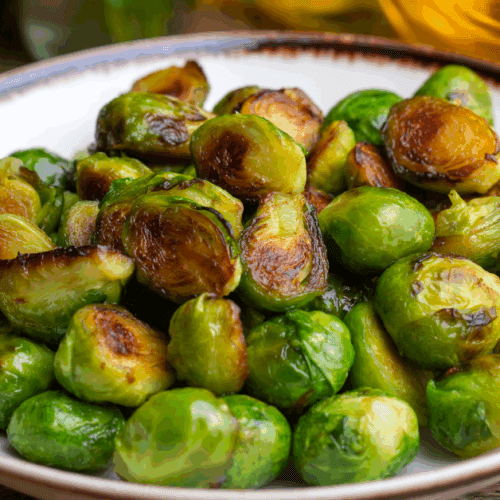
Roasted Brussels Sprouts
Ingredients
- – 1 lb Brussels sprouts halved
- – 2 tbsp olive oil
- – Salt and pepper
Instructions
- Preheat oven to 400°F (200°C).
- Toss Brussels sprouts with olive oil, salt, and pepper.
- Roast for 20-25 minutes until crispy.
Frequently Asked Questions: History of Easy Roasted Brussels Sprouts
Q1: Where did Brussels sprouts originate?
Brussels sprouts originated near Brussels, Belgium, during the 13th century. They were cultivated as a variant of cabbage and became a popular crop in Northern Europe.
Q2: Why are they called Brussels sprouts?
They’re named after Brussels, the capital of Belgium, where they were first widely grown and commercialized.
Q3: When did Brussels sprouts become popular in the United States?
They gained popularity in the U.S. in the early 20th century, especially after large-scale farming began in California in the 1920s.
Q4: Why do roasted Brussels sprouts taste better than boiled ones?
Roasting caramelizes the natural sugars in Brussels sprouts, creating a sweet, nutty flavor while reducing bitterness—a stark contrast to the sulfuric taste that boiling can cause.
Q5: Are roasted Brussels sprouts healthy?
Yes! They’re packed with vitamins, fiber, and antioxidants. Roasting also preserves more nutrients compared to boiling.
Q6: Can I use frozen Brussels sprouts for roasting?
Yes, but for best results, thaw and pat them dry before roasting to prevent sogginess.
Q7: How long have humans been eating Brussels sprouts?
Variants of wild cabbage have been eaten since ancient Rome, but Brussels sprouts as we know them date back to the 13th century.
Q8: What makes Brussels sprouts different from cabbage?
While both come from the same plant family, Brussels sprouts grow as small buds along a stalk rather than forming one large head like cabbage.

From Belgian Fields to Global Tables
The journey of Brussels sprouts—from ancient European gardens to the modern kitchen—is a remarkable tale of transformation. Once misunderstood and underappreciated, they’ve become one of the most beloved vegetables in contemporary cuisine.
“Easy roasted Brussels sprouts” epitomize the modern balance of simplicity, nutrition, and flavor. Rooted in centuries of cultivation and shaped by culinary innovation, they continue to inspire new generations of cooks who appreciate both their history and their irresistible golden-brown perfection.
If you enjoyed exploring this topic and want to dive even deeper, be sure to check out some of our other articles here on Infinite Flavors. From rich culinary histories to creative twists on classic recipes, there’s always something new to discover. Whether you’re curious about the origins of a dish, looking for fresh inspiration in the kitchen, or simply love learning about food culture, our collection of posts is the perfect next step on your flavor journey.
The Great History And Origin Of Sweet Potato Casserole
The Great Tangy Story Of Homemade Cranberry Sauce
The Great History And Origin Of Classic Stuffing