How To Gratinate Vegetables At Home
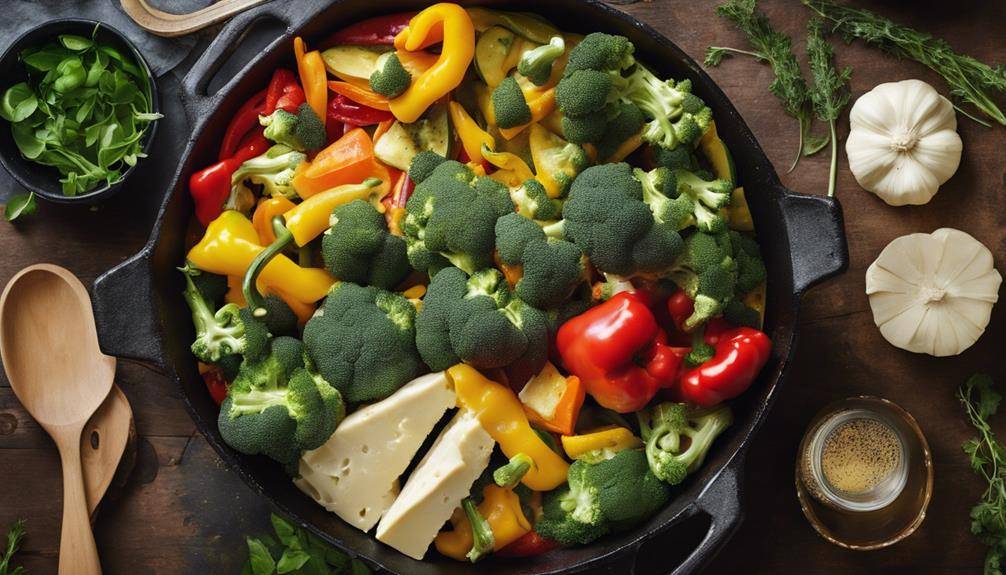
How To Gratinate Vegetables At Home; Gratinating vegetables at home is easy and rewarding. Start by selecting sturdy vegetables like cauliflower or zucchini, and slice them evenly. Boil or steam them briefly for better texture. Combine with a creamy topping made from cheese and cream, then layer your veggies in an oven-safe dish. Bake at 375°F until bubbly and golden brown, or broil for a crispy crust. Enhance flavor with favorite herbs or spices. Don’t hesitate to mix cheeses or add breadcrumbs for extra crunch. Want to explore different variations and serving ideas? There’s plenty more to discover!
What Is Gratination?
Gratination is a cooking technique that gives vegetables a deliciously golden and crispy topping. This method involves baking or broiling vegetables, often with a cheese layer on top, until that cheese melts and forms a beautifully browned crust. It’s a fantastic way to elevate your vegetable dishes, making them more appealing and flavorful.
To achieve the perfect gratin, you’ll want to familiarize yourself with various gratin techniques. Start by selecting your vegetables—potatoes, cauliflower, and zucchini are popular choices. Slice them evenly to guarantee they cook uniformly. Next, layer your vegetables in a baking dish, seasoning them well with salt, pepper, and herbs.
Now, let’s talk about cheese varieties. You can choose from a wide range of cheeses to create that irresistible topping. Gruyère and Parmesan are classic options, but don’t hesitate to experiment with sharper cheeses like cheddar or mozzarella for a different flavor profile. The key is to combine smooth melting cheeses with those that brown well, guaranteeing a crispy texture.
Once you’ve layered your cheese on top, you can add breadcrumbs or a sprinkle of olive oil for extra crunch. Then, pop your dish into the oven and let the magic happen. Keep an eye on it, as you’ll want to pull it out once it reaches that perfect golden brown. With these tips in mind, you’re well on your way to mastering the art of gratination in your kitchen!
Benefits of Gratinating Vegetables
Gratinating vegetables can transform your meals by enhancing their flavor profile, making them more delicious than ever. You’ll also enjoy a boost in nutritional benefits as the cooking method preserves vitamins while adding healthy fats. Plus, the golden, crispy top layer adds visual appeal that makes your dishes irresistible.
Enhanced Flavor Profile
When you elevate your vegetables through gratination, you’re not just cooking; you’re transforming their flavor profiles into something extraordinary. This technique brings out the natural sweetness of veggies, while also providing umami enhancement that makes each bite more satisfying. By baking them with cheese, breadcrumbs, or a creamy sauce, you create a rich, hearty dish that’s hard to resist.
Incorporating herb infusion adds another layer of complexity to the flavors. Fresh herbs like thyme, rosemary, or basil infuse your gratin with fragrant notes that complement the vegetables beautifully. This combination of umami richness and herbaceous freshness creates a balanced dish that excites your palate.
You’ll notice that gratinated vegetables become more than just a side; they can steal the show at any meal. The crunchy topping contrasts with the tender vegetables, making each bite a delightful experience. Plus, you can experiment with different herbs and cheeses to personalize the dish to your taste. So, the next time you’re looking to elevate your veggie game, remember that gratination is your secret weapon for enhanced flavor profiles!
Nutritional Benefits Boost
Transforming vegetables into a gratin not only enhances their flavor but also boosts their nutritional profile. By baking your veggies with a crispy topping, you can preserve their nutrient retention. The gentle cooking method allows essential vitamins and minerals to remain intact, so you’re getting the most out of your ingredients.
Gratinating veggies can also elevate their antioxidant levels. Many vegetables contain powerful antioxidants that help combat oxidative stress in the body. When you gratin them, you’re not just adding flavor; you’re also maximizing these beneficial compounds. For example, tomatoes become richer in lycopene when cooked, while carrots release more beta-carotene, promoting better health.
Moreover, the creamy or cheesy elements often used in gratins can enhance the absorption of fat-soluble vitamins like A, D, E, and K. This means that you’re not only enjoying a delicious dish but also making it more nutritious. So, the next time you’re looking to add a twist to your vegetable side, consider gratinating them. You’ll enjoy a delightful meal while boosting your nutrient intake and supporting a healthier lifestyle.
Visual Appeal Increase
The golden, crispy crust that forms on top of gratinated vegetables is not just a feast for the taste buds; it’s also a visual delight. When you pull that bubbling dish out of the oven, the contrast between the rich, golden topping and the brightly colored vegetables beneath creates an enticing presentation. You’ll notice how the color combinations of vibrant greens, deep purples, and bright yellows come together beautifully, making your meal more appealing.
Using different presentation techniques can elevate your dish even further. For instance, layering vegetables in a pattern or using a variety of textures can add depth to your creation. Drizzling a bit of olive oil before baking not only enhances flavor but also provides a glossy finish that catches the light, drawing eyes to your dish.
Don’t forget about garnishing! A sprinkle of fresh herbs or a dash of paprika can add that final touch, creating an inviting look. When you present gratinated vegetables, you’re not just serving food; you’re offering an experience that engages all the senses, making your meal memorable. So, next time you gratinate, think about the visual appeal you can achieve!
Choosing the Right Vegetables
When you’re choosing vegetables for gratination, consider those that hold up well to heat and complement each other in flavor. Seasonal selections can enhance freshness and taste, so keep an eye on what’s available at your local market. Don’t forget to think about texture; the right combination can make your dish truly stand out.
Best Vegetables for Gratination
What makes a vegetable ideal for gratination? The best candidates are those that can hold up to heat while absorbing flavors. Cauliflower is a classic choice for a delicious cauliflower gratin, as its texture remains firm even when baked. Zucchini is another fantastic option; a zucchini bake can turn this squash into a creamy, flavorful dish.
Root vegetables like carrots and parsnips also work well. They caramelize beautifully, providing a sweet contrast to savory cheese toppings. For a more complex flavor, consider using a mushroom blend, which adds earthiness to your gratin.
Don’t forget to enhance your vegetables with an herb mixture that complements their natural flavors. A creamy sauce can bind everything together, ensuring each bite is rich and satisfying. Finally, a crunchy breadcrumb crust gives the dish that perfect finish, adding texture and a delightful contrast to the creamy layers beneath.
Seasonal Vegetable Selection Tips
Choosing seasonal vegetables not only enhances the flavor of your gratin but also guarantees you’re using produce at its peak freshness. When you’re selecting vegetables, opt for seasonal varieties that are currently thriving in your area. This approach not only elevates the taste but also supports local sourcing, which is better for the environment and your community.
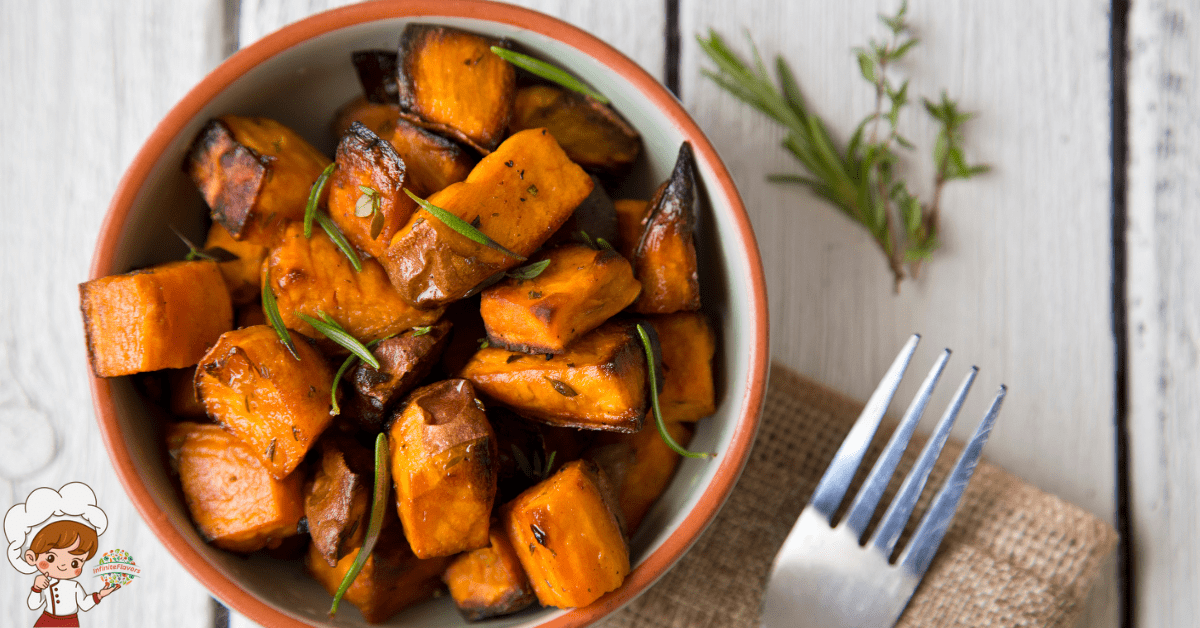
To make the best choices, visit local farmers’ markets or grocery stores that prioritize seasonal produce. You’ll likely find vibrant vegetables that haven’t traveled far, packed with nutrients and flavor. In spring, think about asparagus, peas, and radishes; in summer, zucchini, bell peppers, and tomatoes shine. As autumn rolls in, consider root vegetables like carrots, sweet potatoes, and beets; during winter, look for hearty greens and squashes.
Texture and Flavor Considerations
Considering texture and flavor is essential when selecting vegetables for your gratin. You want to create a dish that’s both visually appealing and satisfying to eat. Start by choosing vegetables with different textures; for instance, pairing creamy potatoes with crunchy asparagus can provide exciting texture contrasts. This variety enhances each bite, making your gratin more enjoyable.
Next, think about flavor layering. Combine sweeter vegetables like carrots or butternut squash with earthier options such as mushrooms or spinach. This combination allows the flavors to interact, elevating the overall taste of your dish. Don’t shy away from adding herbs and spices to complement your chosen vegetables; a sprinkle of thyme or a dash of nutmeg can make a world of difference.
Additionally, be mindful of cooking times. Some vegetables, like zucchini, cook faster than denser ones, like sweet potatoes. You may want to pre-cook certain vegetables slightly to guarantee everything finishes cooking at the same time. By carefully selecting your vegetables based on these texture and flavor considerations, you’ll create a gratin that’s not only delicious but also a feast for the senses.
Essential Tools and Equipment
To successfully gratinate vegetables at home, you’ll need a few vital tools and equipment. First and foremost, a sturdy cutting board and a sharp knife are essential for prepping your vegetables. Make sure your knife is sharp; it’ll make slicing through those veggies much easier and safer.
Next, grab a mixing bowl for combining your seasonings and toppings. You’ll want to mix breadcrumbs, cheese, and herbs effectively, so a medium-sized bowl works best. Speaking of cheese, a box grater or a food processor can help you quickly shred your cheese of choice, ensuring an even melt on top of your gratin.
A baking dish is another vital utensil. Choose one that’s oven-safe and the right size for the amount of veggies you’re preparing. A shallow dish is ideal for even cooking and browning. If you’re a fan of crispy tops, a broiler-safe dish can give you that perfect finish.
Lastly, don’t forget your kitchen gadgets! A vegetable peeler can make quick work of tougher skins, and a whisk will help you blend your ingredients smoothly. An oven mitt is necessary for safely handling hot dishes once they’re done.
With these vital tools and equipment at your disposal, you’re well on your way to creating deliciously gratinated vegetables. Happy cooking!
Preparing Your Vegetables
When you’re preparing your vegetables, start by selecting the freshest options you can find. Fresh veggies not only taste better but also enhance your gratin’s overall quality. Don’t forget to wash them properly to remove any dirt or pesticides before cooking.
Selecting Fresh Vegetables
Before you start gratinating, selecting fresh vegetables is essential for achieving the best flavor and texture. When you’re at the market, take a moment to evaluate between organic vs. conventional options. Organic vegetables often have richer flavors and fewer pesticides, making them a healthier choice. However, if you find good quality conventional vegetables, they can still work well.
Local sourcing is another factor to weigh. Vegetables that are grown nearby are usually harvested at their peak ripeness, ensuring better taste and texture. Look for farmers’ markets or local farms where you can pick up fresh produce. Pay attention to the color and firmness of the vegetables; they should be vibrant and crisp, not wilted or dull.
Inspect for any blemishes or soft spots, as these can indicate spoilage. Choosing seasonal vegetables can also enhance your dish, as they’re typically fresher and more flavorful. Don’t hesitate to ask vendors about their selection; they can often provide insights on which veggies are at their best that day. By selecting the right fresh vegetables, you’ll set the stage for a delicious gratin that highlights their natural flavors.
Proper Washing Techniques
After you’ve selected the freshest vegetables, it’s time to focus on proper washing techniques to verify they’re clean and ready for gratination. Start by rinsing your vegetables under cold running water. This simple cleaning method effectively removes dirt and pesticides from the surface. For leafy greens, consider soaking them in a bowl of cold water for a few minutes before rinsing. This helps dislodge any hidden grit.
Different vegetable types require different approaches. For firm vegetables like carrots and potatoes, scrub them with a vegetable brush to confirm all dirt is removed. If you’re working with delicate items like mushrooms, use a damp cloth to wipe them clean instead of soaking, as they can absorb water and lose flavor.
Always remember to remove any damaged or wilted parts before washing. If you’re dealing with cruciferous vegetables like broccoli or cauliflower, it’s a good idea to cut them into florets first, then rinse, as this allows for a more thorough clean. Finally, dry your vegetables with a clean towel or salad spinner to remove excess moisture. This will help achieve that perfect gratinated finish!
Making the Perfect Gratinee
Creating the perfect gratinee requires attention to detail and a few key techniques. First, choose your vegetables wisely. Root vegetables like potatoes and carrots or leafy greens like spinach work beautifully. Slice them uniformly to guarantee even cooking. Pre-cooking the vegetables in boiling water or steaming them for a few minutes helps achieve that perfect texture, making them tender without losing their shape during baking.
Next, it’s time to focus on your creamy toppings. A rich béchamel sauce is a classic choice, but you can also mix cream with cheese, like Gruyère or Parmesan, for added flavor. Combine these with breadcrumbs for that enticing crunch on top. If you want an extra layer of indulgence, consider adding some sautéed garlic or shallots to your creamy mixture.
Once you’ve prepared your vegetables and toppings, combine them in a baking dish. Make sure the vegetables are evenly distributed and generously coat them with your creamy topping. Don’t be afraid to pile it on; this is what will create that irresistible golden crust when baked.
When you pop your gratinee in the oven, bake it at a high temperature, around 375°F (190°C), until the top is bubbly and golden brown. This usually takes about 20 to 30 minutes, depending on your oven and the thickness of the toppings. Keep an eye on it to avoid burning. With these techniques, you’ll achieve a dish that’s not only visually appealing but also packed with flavor and the perfect texture.
Flavor Enhancements and Seasoning
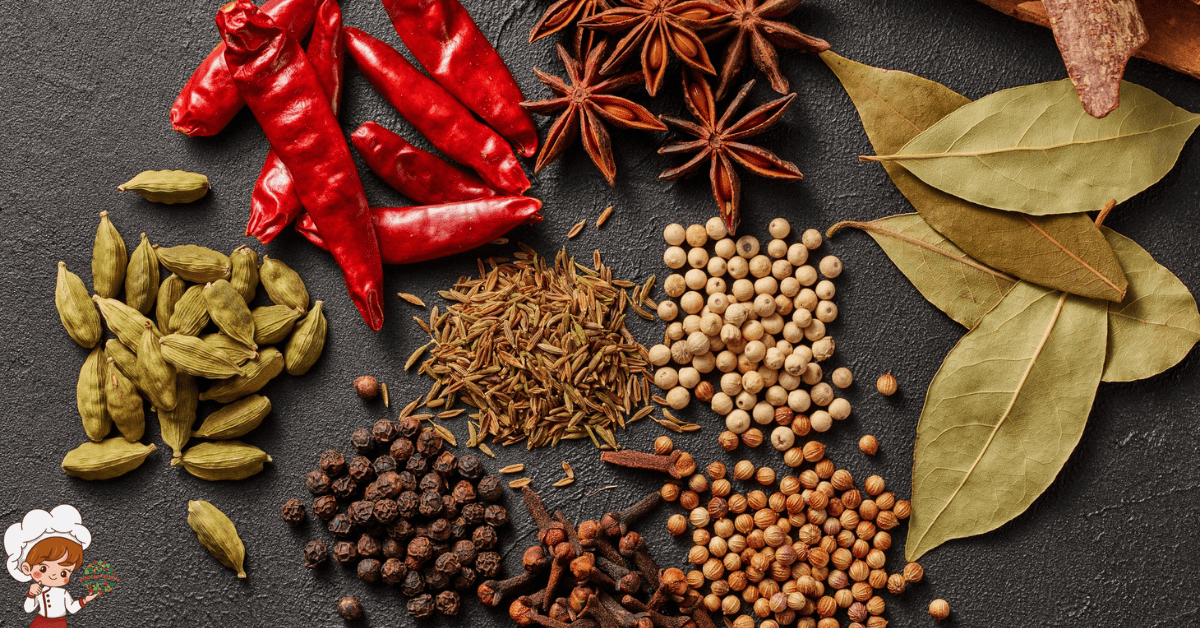
To elevate your gratinee, consider how flavor enhancements and seasoning can transform your dish. The right combination of herbs and spices can turn simple vegetables into a culinary delight. Start by experimenting with herb blends that complement the natural flavors of your chosen vegetables. Fresh herbs like thyme, rosemary, or basil can add depth and freshness, while dried options such as oregano or Italian seasoning bring a robust profile.
When it comes to spice combinations, think about what will enhance but not overpower your gratinee. A pinch of smoked paprika can introduce a subtle smokiness, while a dash of cayenne pepper adds a nice kick. You might also try nutmeg or black pepper, which can elevate creamy elements like cheese or béchamel sauce.
Don’t forget about the power of garlic and onion powder. These ingredients can provide a savory base that rounds out the flavors beautifully. To create your signature flavor profile, consider mixing and matching different herb blends and spice combinations.
For a touch of gourmet flair, a sprinkle of lemon zest or a few drops of balsamic vinegar can brighten the dish and enhance the overall taste. Remember, balance is key. You want to accentuate the flavors of your vegetables, not mask them. Taste as you go, and adjust the seasoning until you achieve the perfect harmony. With the right enhancements, your gratinee will be a standout dish that everyone will rave about.
Baking Techniques for Gratination
Baking is the heart of gratination, transforming your seasoned vegetables into a bubbly, golden delight. To achieve that perfect gratin texture, you’ll want to focus on the baking techniques that elevate your dish. Start by preheating your oven to around 375°F (190°C). This temperature allows your vegetables to cook evenly while the topping gets beautifully crisp.
When layering your vegetables, consider using a mix of textures and flavors. Once you’ve assembled your dish, it’s time to choose your cheese options. Classic choices like Gruyère or Parmesan work wonders, but don’t hesitate to experiment with sharp Cheddar or even a creamy mozzarella for added richness. Sprinkle your chosen cheese generously over the top for that irresistible flavor.
For a finishing touch, consider using broiling techniques. After your dish has baked for about 25-30 minutes, switch to broil for the last 3-5 minutes. This method caramelizes the cheese, giving it that sought-after golden-brown crust. Keep a close eye, though; broiling can go from perfect to burnt in a matter of seconds!
Lastly, if you want an extra layer of crunch, mix breadcrumbs with a bit of olive oil and sprinkle them over the cheese before broiling. This combination will add not just texture but also a delightful contrast to the creamy vegetables beneath. With these baking techniques, you’re well on your way to creating the ultimate gratinated vegetable dish!
Serving Suggestions and Pairings
Once your gratinated vegetables come out of the oven, the next step is to think about how to serve them. These delicious, cheesy veggies can be a fantastic centerpiece or a side dish to complement your meal. For a delightful presentation, place them in an attractive serving dish and garnish with fresh herbs like parsley or basil. This adds a pop of color and enhances the flavor.
When it comes to pairings, consider serving your gratinated vegetables alongside grilled meats or roasted poultry. The rich, cheesy flavors contrast beautifully with the savory notes of the proteins. If you’re going vegetarian, try pairing them with a hearty grain, like quinoa or farro, for a satisfying meal.
Don’t forget about dipping sauces! A tangy yogurt sauce or a zesty chimichurri can elevate the dish even further. These sauces offer a revitalizing balance to the richness of the gratinated veggies. You might also consider a simple balsamic reduction for a touch of sweetness.
Cheese pairings can also enhance your meal. A light sprinkle of crumbled feta or goat cheese on top can bring an exciting twist to your gratinated vegetables. If you want to keep the focus on the gratin, serve a side of Parmesan crisps for added crunch.
With these serving suggestions and pairings, your gratinated vegetables will impress everyone at the table, making them a guaranteed hit! Enjoy the delightful combination of flavors and textures!
Variations to Try at Home
Gratinating vegetables opens up a world of delicious variations you can easily try at home. One of the simplest ways to switch things up is by experimenting with different herb combinations. Instead of the classic thyme and rosemary, why not try basil and oregano for a Mediterranean twist? Or, if you’re feeling adventurous, mix in some dill and tarragon for a rejuvenating flavor profile. The key is to choose herbs that complement your vegetables, enhancing their natural taste.
Don’t forget about the cheese varieties! While Gruyère is a popular choice, you can elevate your gratin by using a blend of cheeses. Try mixing sharp cheddar for a bold flavor, mozzarella for creaminess, or even blue cheese for a punch. Each cheese brings its unique character, so feel free to get creative.
You can also play around with the base of your gratin. Instead of a traditional cream sauce, consider using a tangy yogurt or a dairy-free alternative, which can add a delightful twist. For an extra crunch, sprinkle some breadcrumbs mixed with grated cheese on top before baking.
Lastly, consider adding a layer of cooked proteins like chicken or shrimp for a heartier dish. With these variations at your fingertips, you can easily transform simple vegetables into a gourmet experience that’s sure to impress family and friends. So grab your favorite veggies, experiment with flavors, and enjoy the delicious results!
Frequently Asked Questions: How To Gratinate Vegetables At Home
Can I Gratinate Frozen Vegetables Successfully?
You can successfully gratinate frozen vegetables if you choose the right selection. Just thaw them first, then apply gratination techniques like broiling or baking with cheese and breadcrumbs for a delicious, crispy finish.
How Long Should I Bake Gratinated Vegetables?
When baking gratinated vegetables, aim for about 20 to 30 minutes at 375°F. For the best results, experiment with different vegetable combinations, ensuring they’re evenly coated for a crispy, golden topping. Enjoy your delicious creation!
Is It Necessary to Par-Cook Vegetables Before Gratinating?
It isn’t strictly necessary to par-cook vegetables before gratinating, but using par-cooking methods can enhance vegetable texture. This technique guarantees they’re tender inside while achieving a delightful golden crust on the outside.
What Types of Cheese Work Best for Gratination?
For gratination, you’ll want cheese varieties like Gruyère, Parmesan, or mozzarella. Each adds distinct texture differences—Gruyère melts beautifully, Parmesan gives a crispy finish, and mozzarella offers a gooey, stretchy delight. Experiment and find your favorite!
Can I Gratinate Vegetables in a Microwave?
Yes, you can gratinate vegetables in a microwave. Using microwave techniques, you’ll soften vegetable textures first, then layer cheese on top and microwave until melted. It’s a quick and easy way to enjoy flavorful veggies!

Conclusion
Gratinating vegetables at home is a fun and delicious way to elevate your meals. With the right veggies, tools, and techniques, you can create a mouthwatering dish that everyone will love. Don’t hesitate to experiment with flavors and seasonings to make it your own. Whether you’re serving it as a side or a main dish, gratin will surely impress your family and friends. So, gather your ingredients and get ready to enjoy a delightful culinary experience!
If you enjoyed exploring this topic and want to dive even deeper, be sure to check out some of our other articles here on Infinite Flavors. From rich culinary histories to creative twists on classic recipes, there’s always something new to discover. Whether you’re curious about the origins of a dish, looking for fresh inspiration in the kitchen, or simply love learning about food culture, our collection of posts is the perfect next step on your flavor journey.
The Great Difference Between Gratinating And Broiling
A Great Beginner’s Guide To Gratinating Technique
The Best Cheese For Gratinating Dishes