The Rich and Indulgent History of Chocolate Truffles
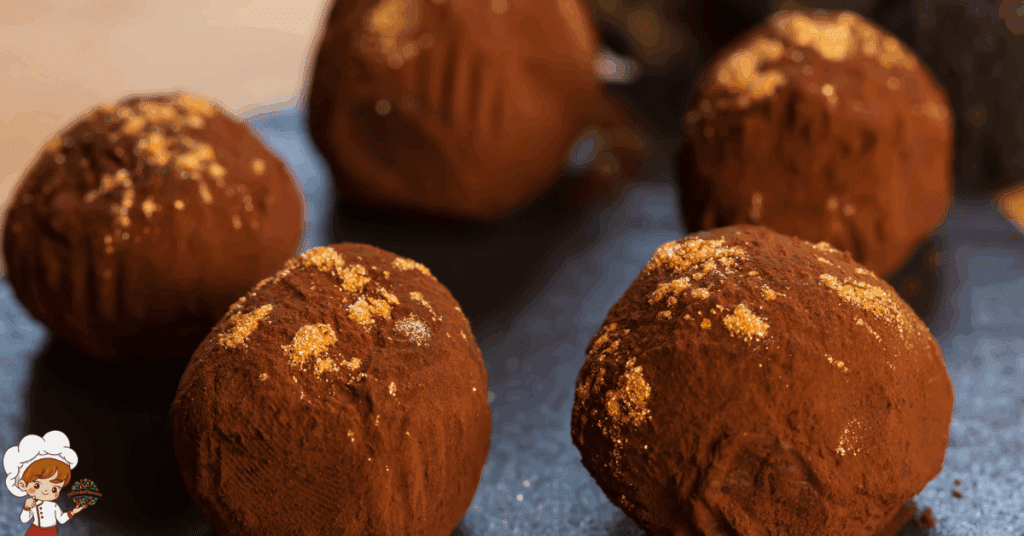
Indulgent History of Chocolate Truffles; Chocolate truffles remain one of the most beloved confections in the world, known for their smooth centers, luxurious textures, rich flavors, and elegant bite-sized appearance. Whether enjoyed during holidays, gifted for celebrations, or savored as an indulgent personal treat, chocolate truffles symbolize decadence, craftsmanship, and culinary artistry. Their creamy, ganache-based centers and dusting of cocoa powder evoke sophistication, while their accessible size and ingredients make them an approachable treat for everyday enjoyment. But behind the modern delight lies a fascinating and surprisingly accidental history. The journey of chocolate truffles spans continents, culinary traditions, and centuries of chocolate evolution, ultimately shaping the truffle into the gourmet confection we cherish today.
Chocolate truffles are tied intimately to the broader history of chocolate itself. When cacao first arrived in Europe during the 16th century, it was consumed as a bitter beverage rather than eaten as a sweet treat. Over the next few centuries, chocolate transformed from a mysterious exotic ingredient into a luxurious European staple enjoyed by royalty, aristocrats, and eventually households worldwide.
The truffle emerged within this evolving chocolate landscape, inspired by French pastry techniques, European ingredients, and a spark of delicious innovation. Today, chocolate truffles appear in dozens of variations—from classic cocoa-dusted ganache balls to modern flavors like salted caramel, raspberry, espresso, hazelnut, matcha, and even spicy chili chocolate. Their story is a testament to culinary creativity and the timeless appeal of chocolate.
The Origins of Chocolate Truffles: How Traditional Chocolate Truffles First Appeared
The history of chocolate truffles begins in France, where pastry chefs were experimenting with chocolate in increasingly innovative ways. According to widely accepted culinary lore, chocolate truffles were invented in the 1890s when a French pastry chef accidentally poured hot cream into a bowl of chocolate chunks. Instead of discarding the mixture, the chef noticed the chocolate softening into a smooth, thick paste—what we now know as ganache.
When the thick chocolate mixture cooled, it could be rolled into small balls by hand. Once rolled, the chocolate balls were dusted with cocoa powder. The final result resembled the knobby, irregular appearance of the prized black truffle mushroom found in the forests of France and Italy. The resemblance inspired the chef to name his new creation “truffe,” the French word for truffle.
This happy accident marked the birth of one of the world’s most iconic chocolate treats. The earliest truffles were intentionally rustic, imperfect, and artisan in shape. Their texture was luscious and creamy, offering an intense chocolate flavor unmatched by other confections of the time. Unlike molded chocolates or bars, chocolate truffles were soft, silky, and delicately crafted by hand. Early chocolatiers quickly recognized the appeal of this new format, celebrating its simplicity and focusing on the high-quality ingredients used to create the ganache center.
Over time, the classic French truffle—made from nothing more than chocolate, hot cream, and a dusting of cocoa—became a symbol of luxury and craftsmanship. It represented the purity of chocolate in its most indulgent form and highlighted the skill of the chocolatier in perfecting its smooth texture and flavor.
European Influence and the Rise of Gourmet Chocolate Truffles
As chocolate truffles gained popularity in France, other European regions began creating their own versions, each reflecting local culinary traditions and ingredients. In Switzerland, a country renowned for its dairy and chocolate expertise, truffles evolved to include butter and cream, resulting in a smoother, silkier interior. Swiss chocolatiers also experimented with coatings such as milk chocolate shells, nuts, powdered sugar, and confectioners’ coatings.
Meanwhile, Belgium, another major chocolate capital, introduced filled truffles featuring praline, hazelnut paste, liqueur centers, and specialty creams. Belgian chocolatiers leaned into the art of molding chocolate shells and filling them with flavored ganaches, expanding the truffle’s identity beyond the rustic cocoa-dusted ball.
These regional innovations helped push chocolate truffles into the spotlight as a gourmet confection. By the early 20th century, truffles were associated with fine chocolatiers, upscale patisseries, and special celebrations across Europe. Their rich flavor profile and handcrafted quality made them an ideal treat for holidays, gift boxes, and luxury dessert menus.
As air travel and international shipping expanded in the mid-20th century, European chocolate truffles found their way into American markets, where they became a staple in chocolate gift assortments and high-end confectionery shops.
Modern Chocolate Truffles: Variations, Flavors, and Global Influence
Today, chocolate truffles continue to evolve, adapting to modern tastes, culinary trends, and cultural influences. While classic French and European truffles remain staples, contemporary chocolatiers have embraced innovation. Flavor combinations have grown to include exotic spices, sea salt, fruit purées, caramel, espresso, matcha green tea, pistachio, and even savory ingredients such as rosemary or chili powder.
Vegan and dairy-free chocolate truffles have also entered the mainstream, using coconut milk, cashew cream, and plant-based chocolate to create rich, creamy centers that appeal to modern dietary preferences. Gourmet chocolatiers now experiment with specialty cacao beans sourced from single origins such as Ecuador, Peru, Madagascar, and Ghana, showcasing unique flavor notes like citrus, floral tones, or earthy richness within their truffle centers.
Despite all the variations, the essence of the chocolate truffle remains the same: a smooth, creamy center, a decadent chocolate flavor, and a luxurious experience in every bite. Whether artisanal or store-bought, elaborate or simple, truffles continue to represent the pinnacle of chocolate indulgence.
Why Chocolate Truffles Became a Symbol of Luxury and Celebration
Chocolate truffles have long been associated with special occasions, gift giving, and celebrations. Their origin in European confectionery shops gave them an immediate aura of luxury. Because they were handmade, small-batch items, truffles were traditionally purchased from skilled chocolatiers who took great pride in the quality of their ingredients and craftsmanship.
Their resemblance to the expensive and rare culinary truffle mushroom also contributed to their upscale image. Chocolate truffles became the kind of treat people purchased for romantic occasions, holidays, anniversaries, weddings, and elegant party favors. The combination of smooth texture, rich flavor, and artisanal presentation gives chocolate truffles an unmistakable air of sophistication.
Today, truffle gift boxes remain a staple of Valentine’s Day, Mother’s Day, Christmas, and milestone celebrations. Their timeless appeal and luxurious reputation ensure they remain a cherished part of chocolate culture.
The Cultural Impact of Chocolate Truffles Around the World
Around the globe, chocolate truffles reflect the culinary preferences of the regions that adopt them. In Japan, chocolate truffles often feature matcha, yuzu, or sakura flavors. In South America, where cacao has deep historical roots, truffles highlight local beans and traditional ingredients like dulce de leche or chili peppers. In the United States, truffles expand into playful themes such as birthday cake, cookie dough, s’mores, peanut butter, and salted caramel.
Each region brings its own personality to the truffle, merging traditional techniques with local tastes. This global influence has helped chocolate truffles maintain relevance and appeal across generations, cultures, and culinary traditions.
Top Benefits of Chocolate Truffles and Their Enduring Popularity
Chocolate truffles remain popular not only for their flavor but also for the emotions they evoke. Their small size allows for portion-controlled indulgence, while their richness makes each bite deeply satisfying. High-quality chocolate is associated with comfort, celebration, romance, nostalgia, and sensory pleasure. Truffles capture all these qualities in a single delicate treat.
Their versatility also contributes to their longevity. Chocolate truffles can be rustic or refined, simple or elaborate, classic or modern. They can be handmade at home or purchased from luxury chocolatiers. This flexibility has allowed them to remain a cherished staple in the world of confectionery.
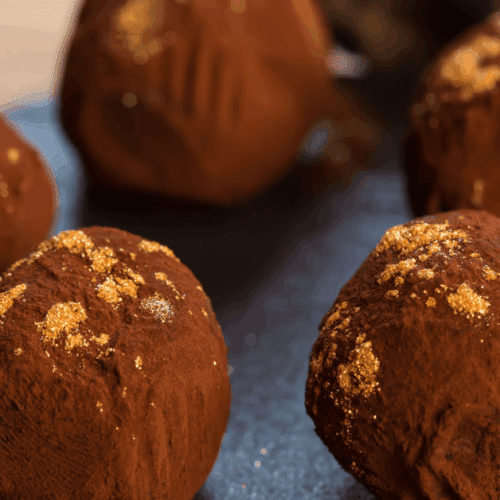
Chocolate Truffles
Ingredients
- 1 cup heavy cream
- 12 ounces semi-sweet chocolate finely chopped
- 1/4 cup unsweetened cocoa powder or 1/2 cup finely chopped nuts or 1/2 cup sprinkles for coating
Instructions
- Heat 1 cup heavy cream until just simmering, then pour it over 12 ounces finely chopped semi-sweet chocolate.
- Let it sit for a minute, then stir until smooth to form a ganache.
- Chill the mixture for about 2 hours, then scoop and roll into small balls.
- Roll each truffle in 1/4 cup cocoa powder, 1/2 cup chopped nuts, or 1/2 cup sprinkles, depending on your preferred coating.
FAQ: Indulgent History of Chocolate Truffles
What were the first chocolate truffles made from?
The earliest chocolate truffles were made from ganache—chocolate and hot cream—shaped into small balls and dusted with cocoa powder. Their rustic shape resembled the black truffle mushroom, inspiring the name.
Where were chocolate truffles invented?
Chocolate truffles originated in France in the late 19th century, created accidentally by a pastry chef who poured hot cream over chocolate and formed a soft ganache mixture.
Is there a difference between French, Swiss, and Belgian truffles?
Yes. French truffles are typically cocoa-dusted ganache balls. Swiss truffles include butter and cream for extra smoothness. Belgian truffles often feature molded chocolate shells filled with flavored creams or praline.
Why are they called truffles?
Their name comes from the resemblance to the prized black truffle mushroom, which has a rough, irregular shape similar to early chocolate truffles.
Are chocolate truffles always round?
Traditionally, truffles are round or slightly irregular, but modern truffles may be molded into heart shapes, squares, domes, or decorative patterns.
Are chocolate truffles the same as chocolate pralines?
Not exactly. Pralines often contain nuts or nut pastes, while truffles focus on a creamy ganache center. Belgian pralines may be filled truffles, but the terms aren’t fully interchangeable.
What makes chocolate truffles taste so rich?
Their high-quality chocolate, smooth ganache texture, and balanced fat content create a melt-in-your-mouth creaminess that enhances the flavor.
Why are chocolate truffles associated with luxury?
Their handmade craftsmanship, rich ingredients, and historical ties to European chocolatiers have long given them a reputation for indulgence and sophistication.

The Timeless Allure of Chocolate Truffles
The history of chocolate truffles tells a story of innovation, artistry, and culinary evolution. What began as an accidental mixture in a French kitchen became one of the most iconic confections in the world. From rustic cocoa-dusted truffles to elaborate modern variations flavored with fruits, spices, and international ingredients, chocolate truffles continue to charm chocolate lovers everywhere.
Their silky texture, deep chocolate flavor, and elegant presentation give them a sense of luxury that transcends time and place. Whether gifted during holidays, enjoyed after a special meal, or savored during quiet moments, chocolate truffles remain a celebration of everything joyful about chocolate. Their legacy continues to grow, proving that even the simplest culinary accidents can lead to extraordinary and enduring creations.
If you enjoyed exploring this topic and want to dive even deeper, be sure to check out some of our other articles here on Infinite Flavors. From rich culinary histories to creative twists on classic recipes, there’s always something new to discover. Whether you’re curious about the origins of a dish, looking for fresh inspiration in the kitchen, or simply love learning about food culture, our collection of posts is the perfect next step on your flavor journey.
The Great Origin Of Slow Cooker Pumpkin Spice Cake
The Sweet And Surprising History Of Peppermint Bark
The History Of Amazing Almond Joy Cookies